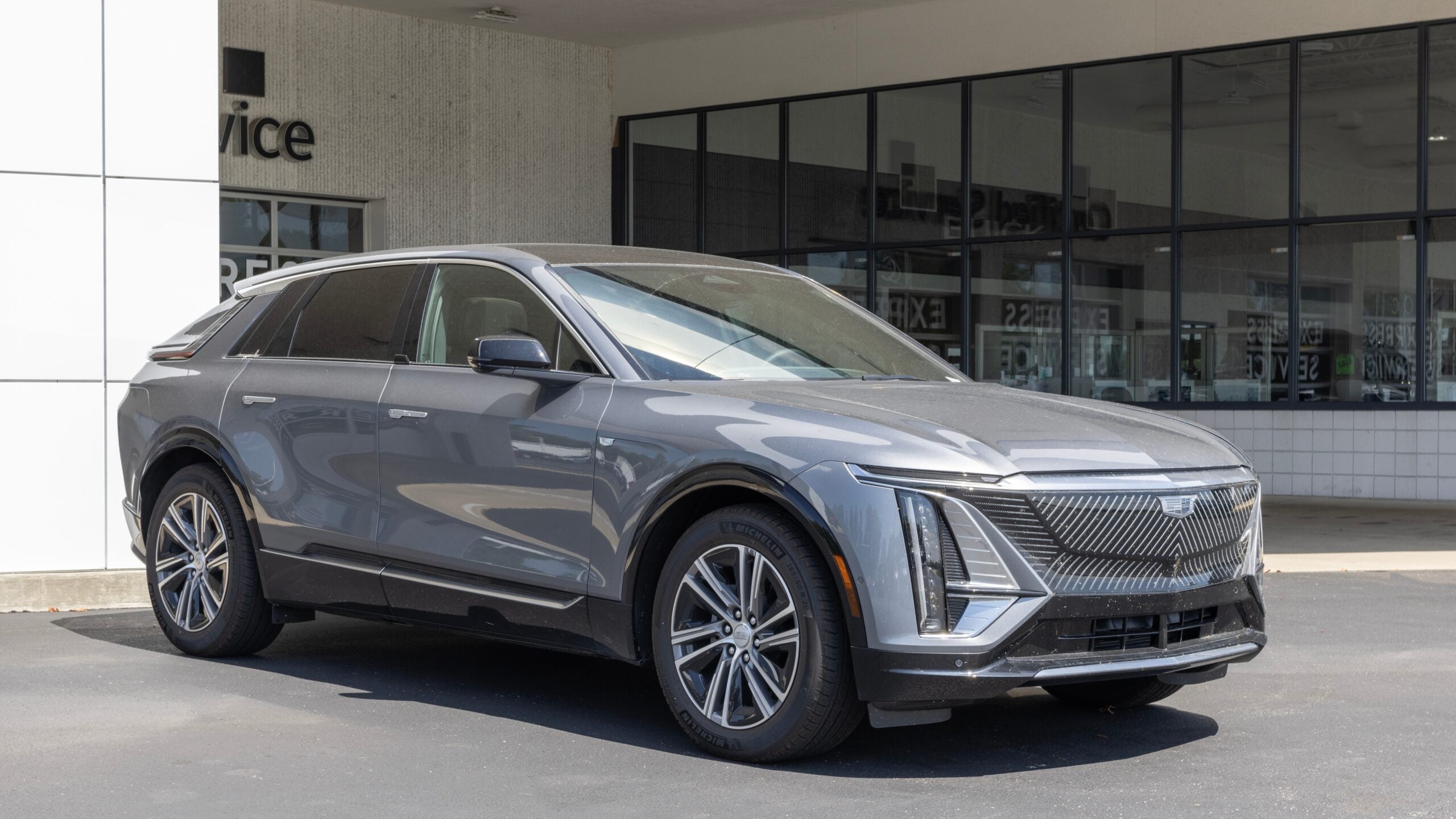
A federal investigation that started with the Cadillac Lyriq has grown substantially, with regulators now examining an electronic braking system installed across a much larger portion of General Motors’ lineup. Nearly 1.2 million vehicles could potentially fall within the investigation’s scope.
The National Highway Traffic Safety Administration initially opened a preliminary investigation in April 2024 following complaints involving the 2023 Cadillac Lyriq. Drivers reported unusually hard brake pedals accompanied by “Brake System Failure” warnings.
The investigation centers on GM’s eBoost electronic brake system, which is used beyond Cadillac’s electric crossover. NHTSA has now expanded its investigation to examine other GM vehicles equipped with the same braking hardware.
Importantly, the expanded investigation is not the same thing as a recall of 1.2 million vehicles. Regulators are still evaluating the cause, frequency, and potential safety consequences before determining whether further action is necessary.
Drivers Have Reported Losing Brake Assist
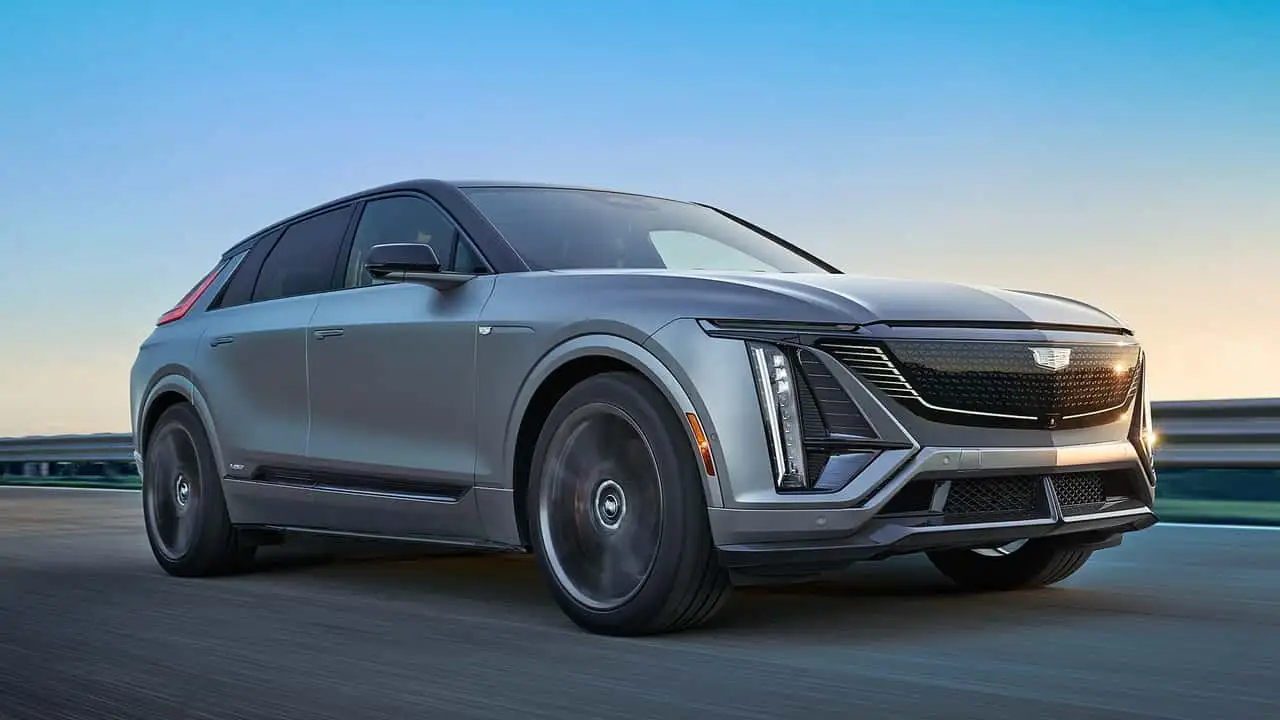
The primary concern involves an apparent loss of power brake assistance. When the problem occurs, drivers can still have mechanical braking capability, but the pedal may become considerably harder to press and require substantially greater effort to slow the vehicle.
That distinction becomes especially important if the failure occurs unexpectedly while driving. Increased pedal effort could potentially increase stopping distances, particularly if a driver isn’t prepared for the sudden change in brake response.
According to NHTSA’s investigation, regulators have identified 745 reported incidents associated with the issue. Those reports include 22 crashes or fires and five injury incidents, helping prompt the agency to broaden its examination.
GM Previously Identified A Possible Cause
GM has previously linked the issue to a spindle inside the electronic brake control module that can fracture during an anti-lock braking event. The company has said a fractured spindle should not immediately eliminate every electronically controlled braking function.
According to GM’s explanation, ABS, stability control, and traction control should continue functioning until the vehicle comes to a complete stop following the spindle fracture. The situation becomes more complicated because NHTSA says some reported incidents don’t appear to fit that sequence.
Regulators have received newer complaints describing brake-assist loss while vehicles were still moving. NHTSA is therefore investigating whether the failure can occur under circumstances beyond those previously identified by GM and whether it creates a larger safety risk.
The Hardware Is Used Across GM’s Lineup
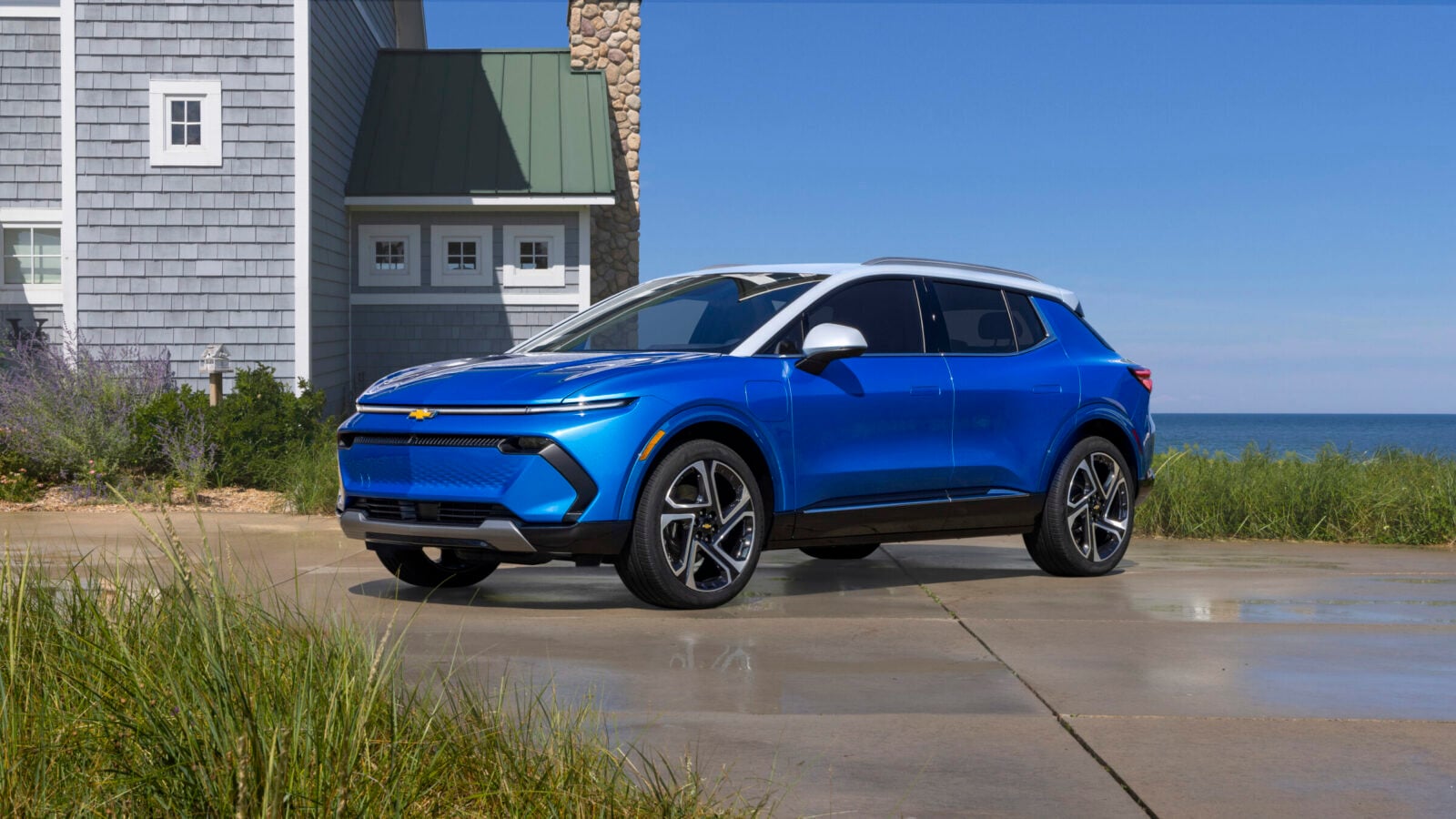
Expanding the investigation beyond the Lyriq dramatically increases the potential number of affected vehicles. The eBoost system is used across multiple GM products rather than being exclusive to one Cadillac model or even one brand.
Vehicles include EVs such as the Chevrolet Blazer EV and Equinox EV. The investigation also reaches models produced through GM’s collaboration with Honda, including the Honda Prologue and Acura ZDX, which share underlying technology with GM’s Ultium-based electric vehicles.
Again, that doesn’t mean every vehicle equipped with eBoost has defective brakes. The purpose of the expanded investigation is to establish which vehicles could experience the failure and whether a common component or operating condition connects the reported incidents.
An Expanded Recall Hasn’t Been Announced
For now, owners shouldn’t interpret NHTSA’s action as confirmation that all 1.2 million vehicles require repairs. The investigation has advanced because regulators believe there is enough information to justify a deeper technical examination.
NHTSA can ultimately close the investigation without requiring additional action, or its findings could lead GM to issue a recall. Regulators may also determine that only certain production periods, configurations, or components are affected.
The stakes are significant whenever a potential defect involves braking, particularly one capable of changing how much pedal force is required without warning. NHTSA’s expanded investigation should provide a clearer picture of whether the original Lyriq complaints represent an isolated component problem or something affecting a much larger portion of GM’s vehicle lineup.