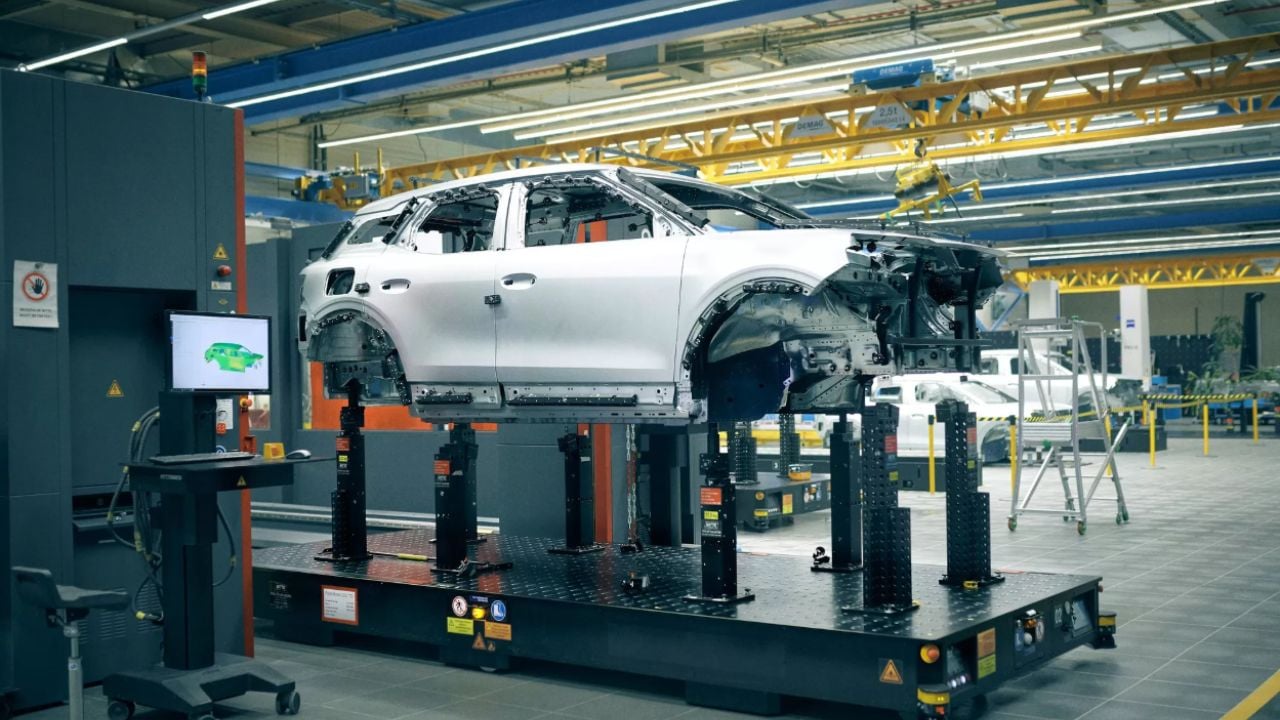
Ford has dramatically trimmed its European model lineup and scaled back production over the past few years, leaving several of its remaining factories running well below capacity. Now, a new report suggests those idle assembly lines could become valuable real estate for a major Chinese automaker.
According to Reuters, Ford and Geely have been in talks about a potential arrangement that would allow Geely to build vehicles in Ford’s European facilities while also exploring technology cooperation in areas like connected car features and automated driving systems.
Where Ford Still Has Capacity In Europe

Ford’s most stable European operations today are in Romania and Turkey. The Craiova, Romania, site builds the Ford Puma and related Transit and Tourneo Courier models. Turkey’s Kocaeli facility produces commercial vehicles, including Transit and Tourneo Custom variants, as well as the larger Transit.
Elsewhere, Ford’s footprint looks far more underutilized.
In Saarlouis, Germany, Ford ended Focus production in November 2025, and the plant is expected to transition away from vehicle assembly and toward a service and logistics role.
In Cologne, Germany, Ford converted the site into an electric vehicle hub with an annual capacity of about 250,000 vehicles. Output has been constrained by weaker than expected demand for the European-built electric Explorer and Capri.
In Valencia, Spain, Ford’s Almussafes operation has had its installed capacity cited at up to about 450,000 vehicles per year, but it currently assembles only the Kuga after other models were phased out.
Ford also recently announced a strategic partnership with Renault under which two affordable Ford-branded passenger electric models for Europe will use Renault Group’s Ampere platform and be produced by Renault Group in northern France. That helps Ford add products, but it does not automatically fill Ford’s own underused plants.
Why Valencia Looks Like The Leading Candidate
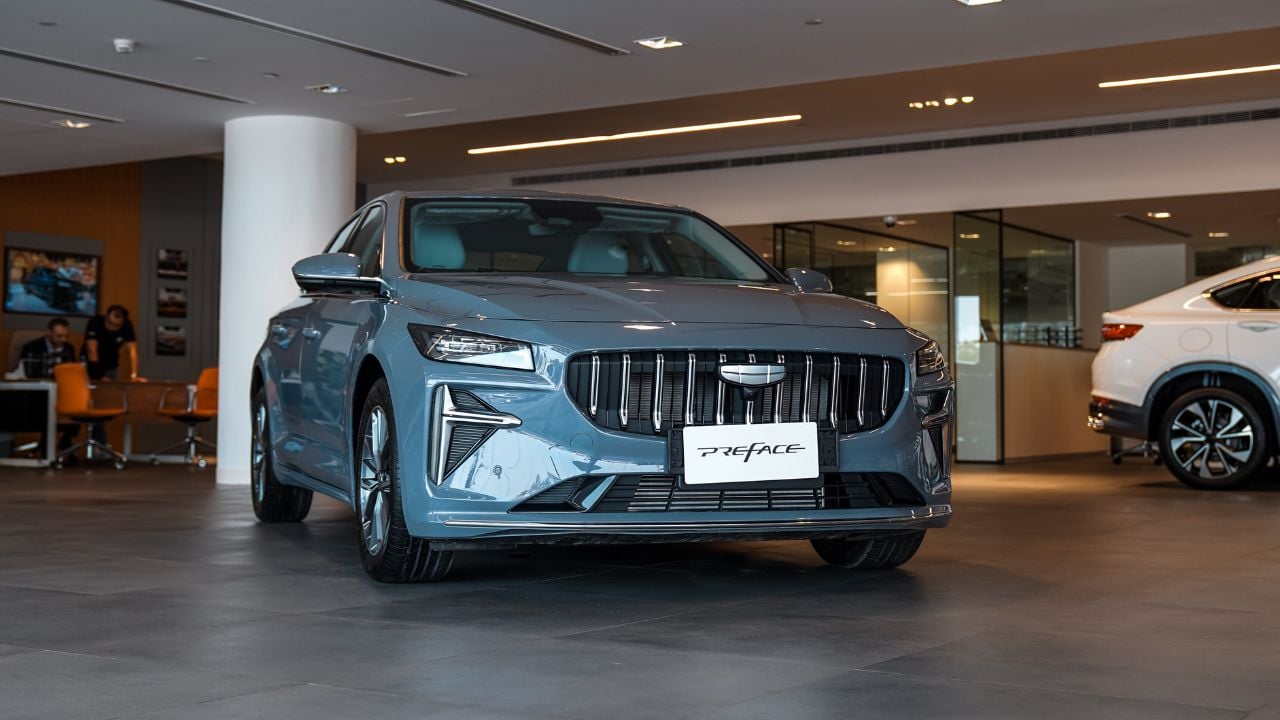
Reuters reporting indicates the Valencia plant is viewed as a prime candidate for hosting Geely production. It is larger and generally seen as more flexible than Cologne, and manufacturing costs in Spain are typically lower than in Germany.
For Geely, local European production could offer a major advantage as the European Union applies additional tariffs to electric vehicles imported from China. Building inside Europe can reduce exposure to those import penalties and simplify logistics for regional sales. EU countervailing duties currently target battery electric vehicles imported from China, while hybrid vehicles are outside the scope, which is one reason some Chinese brands have leaned more heavily on plug-in hybrids for Europe.
What Ford Could Gain From Geely
The talks are not only about factories. Reuters reported that Ford is also interested in Geely’s connected car solutions and automated driving systems, which are viewed as more modern and potentially cheaper than Ford’s in-house alternatives.
In theory, deeper cooperation could eventually expand into jointly developed vehicles or shared platforms, potentially even for markets like China or the United States. For now, that remains speculative and far from guaranteed, and neither Ford nor Geely has publicly commented on the discussions.
A Wider Alliance Is Not Impossible
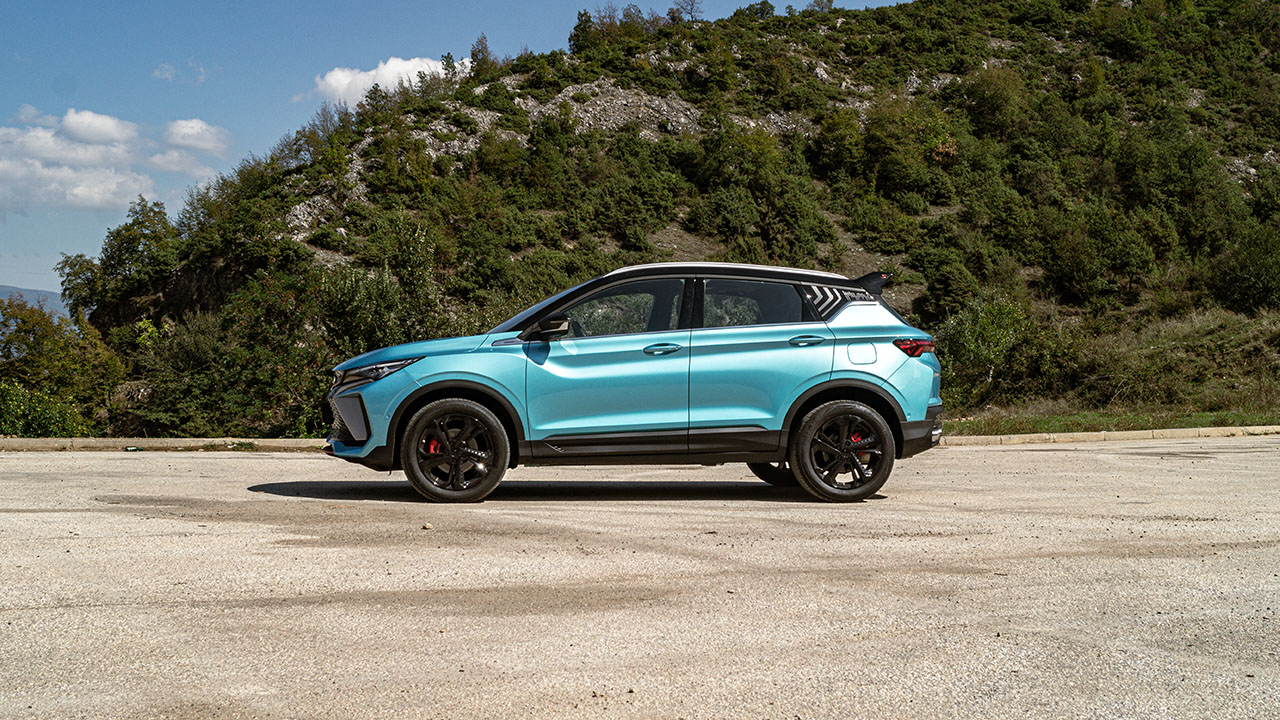
Geely already has close ties with Renault, including the Horse Powertrain joint venture focused on engines and hybrid technology. If Ford’s Renault partnership and a Ford-Geely manufacturing deal both move forward, it is not hard to imagine a broader three-way ecosystem forming over time, with strong positions across Europe and major global markets.
This article originally appeared on Autorepublika.com and has been republished with permission by Guessing Headlights. AI-assisted translation was used, followed by human editing and review.