The 1960s gave us muscle cars and movie chases, but not every ride was built to smoke tires. While Mustangs and GTOs stole the spotlight, compact cars quietly kept us moving, fuel-efficient, affordable, and city-friendly.
Some were imports with charm, others were manufacturers’ answers to changing times. You’ve seen them in reruns of Bewitched or tucked away at car shows, overlooked but essential. They weren’t flashy, but they were essential to everyday driving.
How These Forgotten Compacts Made the Cut
We focused on compact cars that made it to production but never stuck around in the spotlight. Each one served a purpose, whether it was saving gas, squeezing into city streets, or offering something quirky during a time of big bodies and bigger engines.
Some were imports with novelty appeal, others were domestic oddballs that didn’t catch on. Sales alone didn’t earn them a spot; rather, uniqueness and fading memories carried more weight. We dug into old reviews, archives, and owner impressions to spotlight the cars people once drove every day but rarely see now. Quiet as they were, they helped shape the decade.
Rambler American 440

Clean lines, modest size, and everyday comfort helped the Rambler American 440 quietly find its place in the 1960s. It offered just enough style to stand out without competing with flashier options. Inside, the cabin focused on usability, with straightforward controls and good visibility. Families appreciated the smooth ride and reliable handling.
The proportions made it easy to park, and the simplicity kept ownership stress low. While it came from a smaller company, it carried confidence that larger names could not always match. The 440 trim brought a little extra flair without pushing too far. Over time, it faded as the brand shifted direction. Today, it shows up at car shows with a calm presence that turns heads out of curiosity. For those who enjoy clean design and subtle charm, this compact deserves another look.
NSU Prinz 1000

Compact, quirky, and unmistakable, the NSU Prinz 1000 came from Germany with a different perspective. Its design leaned toward utility, but the rear-mounted engine and sharp proportions gave it character. It could zip through tight spaces with ease and held its own in traffic without trouble. Inside, it stayed minimal, offering just enough comfort for two adults and the occasional back-seat guest. The rounded body panels and short nose created a unique shape that still draws glances today.
It was not flashy, but it delivered a specific kind of efficiency that made sense in European cities. American drivers who discovered it often remembered it long after selling it. Few compacts from the era wore this much personality in such a small frame. The Prinz 1000 blended precision with simplicity in a way few others did.
Simca 1000

Built for narrow streets and unpredictable commutes, the Simca 1000 aimed to blend European sensibility with everyday convenience. It carried four passengers comfortably without feeling heavy or oversized. Its layout made the most of limited space, allowing the wheels to hug the corners and keep handling sharp. The boxy body gave it a practical edge, while the details kept it visually interesting. French manufacturers often played by their own rules, and Simca leaned into that idea.
The result was a car that served as a commuter, a family hauler, and a budget-friendly first buy. Owners liked how easy it was to maintain, especially in small garages or tight urban blocks. Over the years, it disappeared quietly from most roads. But for a time, it brought a sense of precision and personality to daily driving.
Toyota Publica

Before Toyota grew into a global leader, it experimented with cars like the Publica. Compact and clever, the Publica aimed to be affordable and efficient without feeling bare. The design remained neat and thoughtful, with square panels and soft curves working together. On the inside, it kept the layout simple and functional, offering just enough room for small families or solo commuters. Its presence on Japanese streets was strong, but few people outside the region remember it today.
The Publica helped shape Toyota’s strategy, proving that small cars could build loyalty over time. With light controls and calm behavior, it suited a generation that valued economy. Enthusiasts today admire how focused it felt behind the wheel. This early effort deserves credit for helping start something much bigger.
Daihatsu Compagno Berlina

Distinct lines and compact styling made the Daihatsu Compagno Berlina stand apart from other small cars of the 1960s. It carried a gentle mix of charm and practicality, wrapped in a package that felt upscale for its size. The upright profile, slim pillars, and chrome accents gave it a look that suggested elegance without reaching for luxury. Inside, the seating stayed supportive and upright, perfect for short trips or city drives.
The Compagno also marked Daihatsu’s attempt to expand its influence globally. A few found their way into markets beyond Japan, though many disappeared with time. Quiet manners and tidy handling gave it an edge in crowded spaces. It was easy to enjoy, even easier to forget. Today, it remains a small but proud piece of automotive history.
Renault R8

The Renault R8 mixed French flair with a strong sense of balance. Square lines and narrow dimensions gave it a confident stance that suited tight parking and crowded cityscapes. While the outside looked conservative, the car delivered more character than expected. The cabin offered generous glass and an airy feel, helping passengers enjoy the ride.
Renault added small touches that gave it a distinct personality, from the dashboard layout to the shape of the grille. Owners praised its road manners and relaxed pace, perfect for long drives or daily errands. Its mechanical layout created good balance and helped it stand out in a growing market. Many drivers passed through R8 ownership without thinking much of it. Today, its quiet legacy deserves a moment in the spotlight.
Ford Cortina Mk1

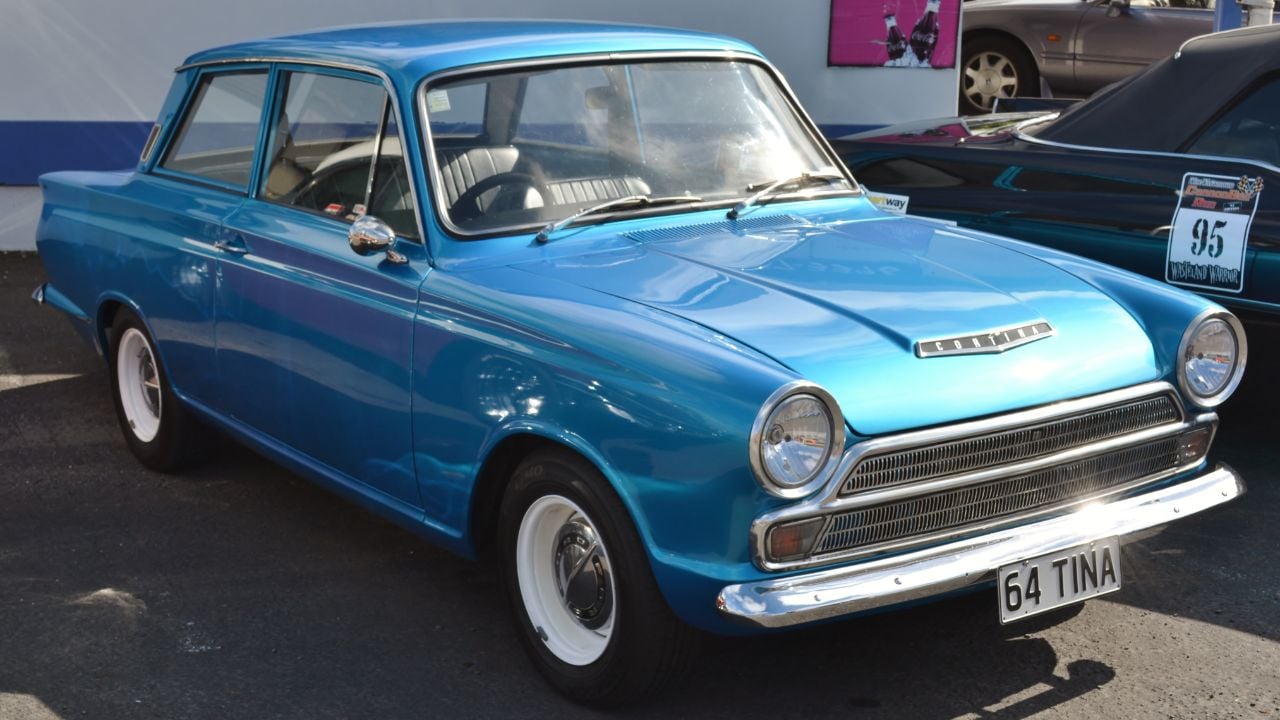
British design and American backing came together in the Cortina Mk1. Its lightweight frame, crisp lines, and efficient use of space made it a favorite for families across the UK and beyond. The car looked sharp without being overstyled, and it handled curves with a confidence that surprised first-time drivers. Inside, it felt open and practical, offering seating for four without feeling cramped.
It was affordable but did not look cheap. The Cortina appeared in rally events and road trips with equal ease. It helped Ford build a strong foothold in Europe and influenced models that followed for years. Most people remember later versions, but the Mk1 quietly set the tone. Its blend of usability and charm kept it relevant across many driving needs.
Subaru 360

Small in stature but large in impact, the Subaru 360 marked the company’s first real entry into the global car market. Its rounded body and bubble-like windows gave it a cartoonish appearance, but it worked well in urban settings. Parking took little effort, and fuel costs stayed low, which made it attractive to new drivers. Despite its size, the car felt solid and dependable in daily use.
It introduced many drivers to the brand’s values of efficiency and approachability. Some markets saw it as too small, while others embraced it as a clever answer to growing congestion. The 360 carried simplicity with pride. Owners often described it as cheerful and willing. Its place in Subaru history is small in size but large in meaning.
Austin A40 Farina

The A40 Farina brought Italian design to British streets in a package built for practicality. Its square shape and two-box layout helped define a trend that many others would later follow. Inside, it delivered function above all else, with folding seats and good access for its size. It looked neat from every angle and wore just enough chrome to catch attention without overdoing it.
The Farina badge carried style that felt a step above standard economy cars. Visibility stayed high thanks to thin pillars and wide windows. Though its appearance remained modest, its influence was stronger than people realized. This compact never needed flash to make an impact.
Datsun Bluebird 410

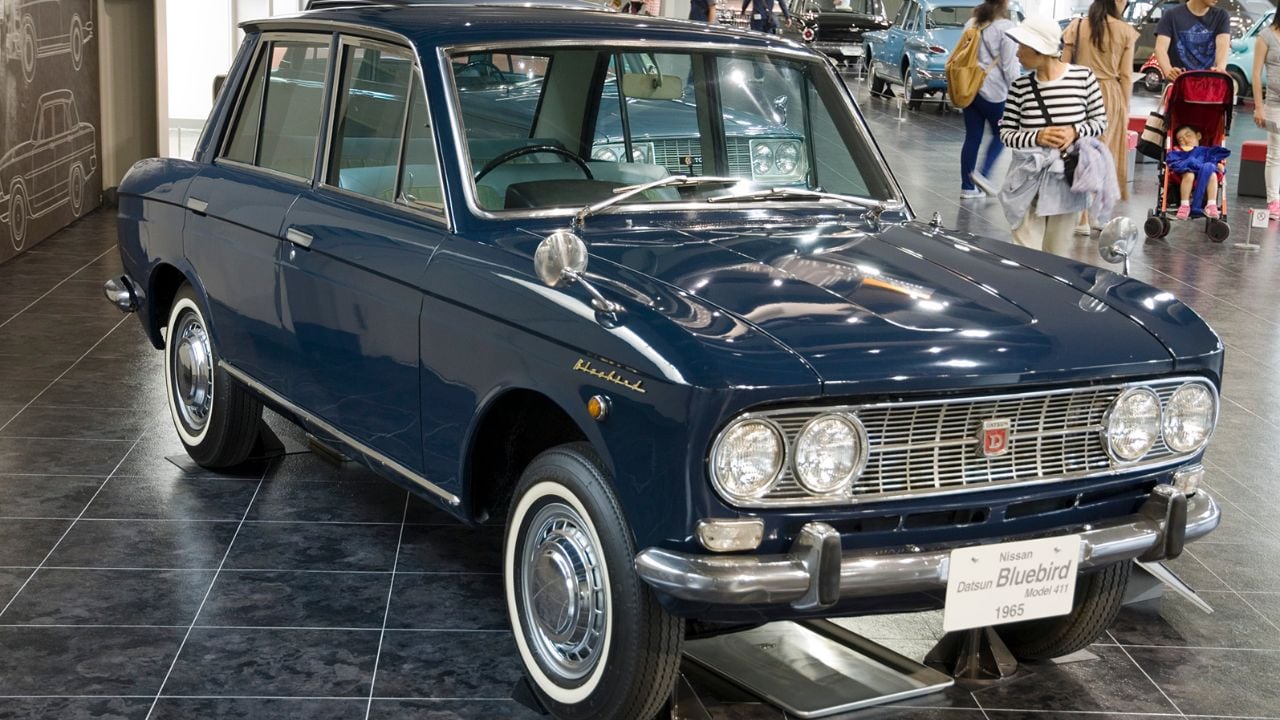
The Bluebird 410 arrived quietly but set the stage for much more to come. Datsun engineered this compact to meet global expectations without losing its identity. Clean lines, a reliable chassis, and honest materials helped it stand out among its competitors. It was easy to maintain, light on the wallet, and pleasant to drive. The sedan layout felt familiar, while subtle design choices kept it distinctive.
On highways or city streets, it delivered a dependable experience. Over time, it laid the foundation for future exports and brand growth. It may not appear at many shows today, but its influence is everywhere. The 410 helped introduce the world to Japanese quality on a larger scale.
Skoda Octavia (Original)

Before the name returned in modern form, the original Skoda Octavia filled an important role in postwar Europe. Its simple body structure and clever engineering made it ideal for both country roads and urban life. The Octavia moved with quiet strength and could handle long distances without trouble. Inside, the seats stayed upright and durable, while storage space proved useful for daily needs.
Skoda delivered a balance of strength and value that appealed to practical buyers. The car rarely simply performed, and people relied on it for commuting, errands, and weekend trips. Many moved on to larger cars, but the Octavia remained steady. It served as the foundation for a brand that eventually reached global success.
Isuzu Bellett

Sharp edges and a confident stance gave the Bellett a more aggressive look than most compacts of its time. It carried Japanese precision with a sporty attitude that set it apart. The interior focused on the driver, with tight controls and clear gauges. While it served as a commuter, it hinted at performance through every panel line.
The Bellett stood tall among competitors with clean execution and quiet charisma. Its presence faded over time, but those who drove it remember how focused it felt. It even found a small following in motorsport, which helped keep its story alive. Few compacts from the era offered this much personality. Today, the Bellett feels like a name worth rediscovering.
The Small Cars That Left Quiet Footprints

Not every car earns fame with noise or numbers. Some simply show up, do the job well, and vanish before anyone takes notice. These compact machines filled streets, garages, and memories without ever making headlines. They were part of life in the background, steady and reliable in a world full of louder options. Have you ever seen one parked alone and felt a strange sense of recognition? That feeling matters.
These forgotten cars deserve more than a passing glance or a dusty mention. Their influence still lingers in designs we see today. Sometimes the most interesting stories come from the quietest vehicles.