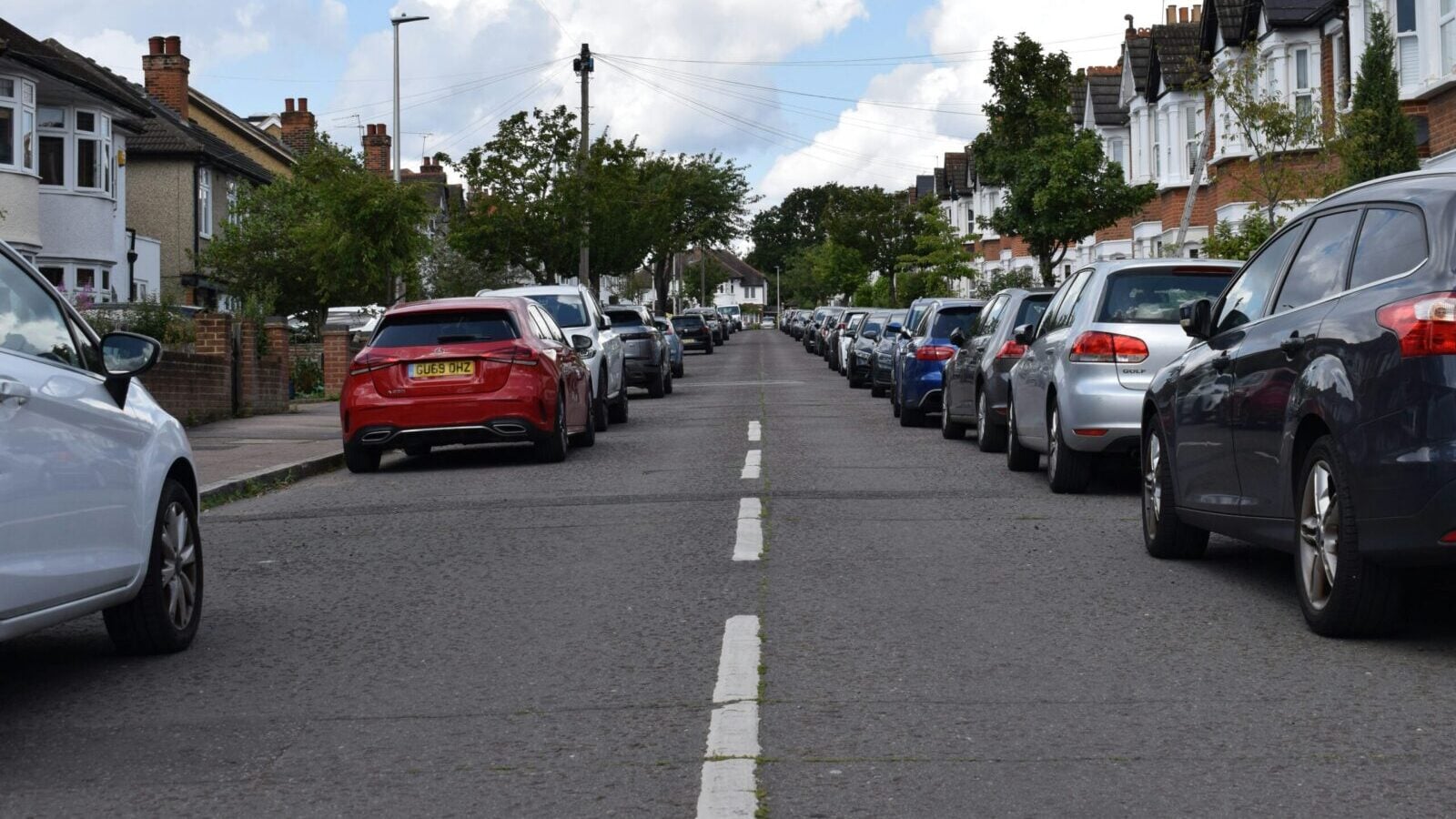
Car enthusiasts have found countless ways to turn driving into a competition. Drag racing, autocross, drifting, and track days are obvious examples, but apparently there’s now another way to prove your skills behind the wheel: parallel parking.
Yes, the maneuver that has terrified generations of driving-test candidates is becoming a competitive event. According to Road & Track, organized parallel parking competitions have appeared in cities including Pittsburgh, Portland, and Philadelphia.
The concept is wonderfully simple. Drivers squeeze their cars between two obstacles while being judged on factors such as speed, distance from the curb, accuracy, and, depending on the event, even style.
It sounds ridiculous, which is precisely part of the attraction. These events require little investment, don’t demand a purpose-built race car, and can turn an everyday driving skill into an entertaining afternoon for competitors and spectators alike.
Pittsburgh Helped Start The Craze
View this post on Instagram
Pittsburgh organizer Dan Leber told Road & Track that his Parallel Parking Championship began in 2021 with roughly 30 competitors, mostly consisting of friends, family, and acquaintances, but the event has since grown dramatically.
Last year’s competition attracted 184 drivers, while Leber expects more than 200 for the September 19 event this year. Other cities have since developed their own versions.
Portland’s competition debuted in 2025 after being directly inspired by Pittsburgh. Around 40 people participated in the first event, while this year’s edition expanded to 94 competitors and approximately 200 spectators.
Philadelphia Wants In
View this post on Instagram
Philadelphia will hold its first competition on October 3, and interest has been substantial. Organizer Adam Wodka told Road & Track that more than 900 people applied to participate.
Competitors will face three challenges involving curb distance, maneuvering within a tight space, and outright parking speed. The top three will then enter a sudden-death final scored on competency, speed, curb proximity, and flair.
Rules differ significantly between cities. Pittsburgh permits backup cameras and parking sensors, while Philadelphia bans modern driver-assistance technology for its competition.
Portland takes a particularly playful approach, awarding points for flair and personality alongside an algorithm incorporating speed and vehicle length.
Car Culture Doesn’t Need Horsepower
The organizers told Road & Track that community is ultimately the point. Unlike many forms of automotive competition, almost anyone with a car and some confidence can participate without spending thousands of dollars on modifications, tires, or entry fees.
That accessibility may explain why the idea is spreading. It transforms something millions of drivers already do into a deliberately unserious competition where the consequences of losing are mostly wounded pride.
Perhaps that’s exactly what makes competitive parallel parking work. Car culture doesn’t always need tire smoke, huge horsepower, or triple-digit speeds to be entertaining; sometimes all you need is an empty parking space, a stopwatch, and someone convinced they can nail it on the first try.