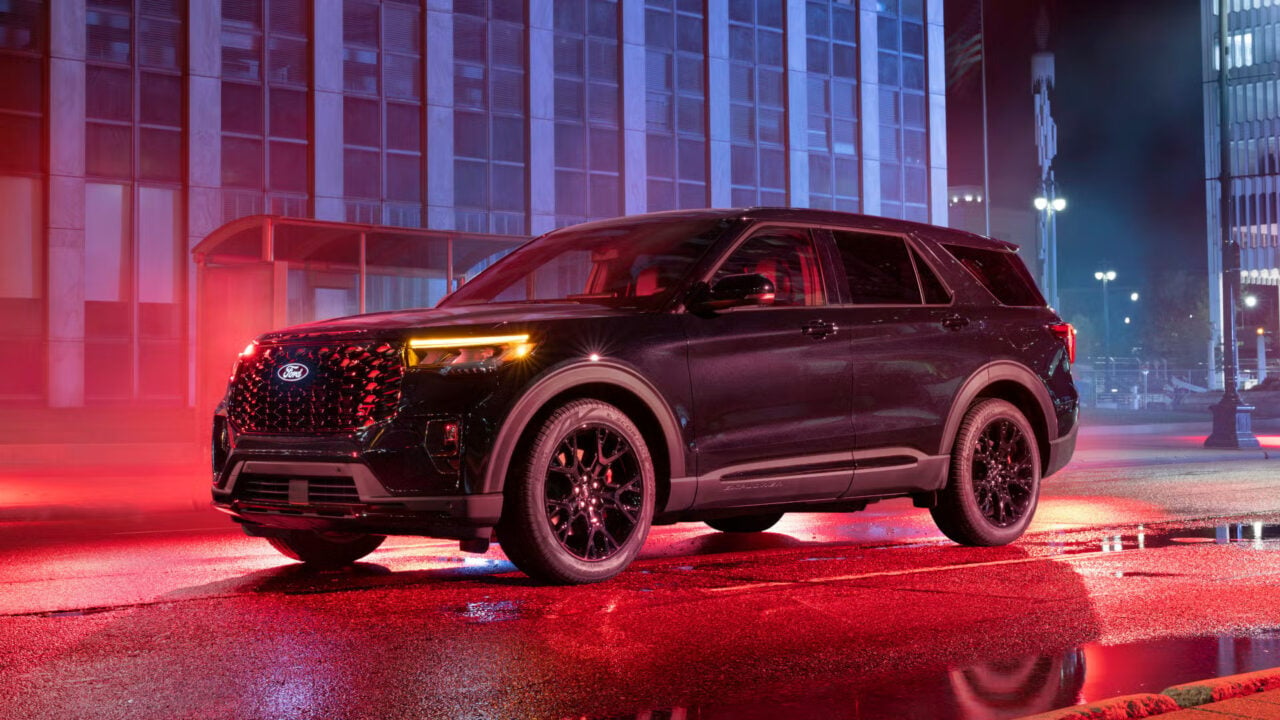
Ford is recalling 79,579 SUVs after discovering a fault that could cause the driver’s seat to unexpectedly recline while the vehicle is parked. The issue affects certain 2026 and 2027 Ford Explorer and Lincoln Aviator models equipped with a memory seat function.
According to documents filed with the National Highway Traffic Safety Administration (NHTSA), the seat can begin reclining when the vehicle is unlocked, remotely started, or when the driver approaches with the key fob. The problem only occurs when the driver’s seat is unoccupied.
Although the malfunction is unlikely to affect someone actively driving the vehicle, it could create a hazard for passengers or objects positioned behind the front seat. Ford says the unexpected movement may increase the risk of injury to occupants in the second row.
The automaker is currently developing a remedy and has not yet announced when owners will be notified. Until a fix is available, affected owners may want to avoid leaving passengers or valuable items directly behind the driver’s seat when remotely accessing the vehicle.
Which Vehicles Are Included?
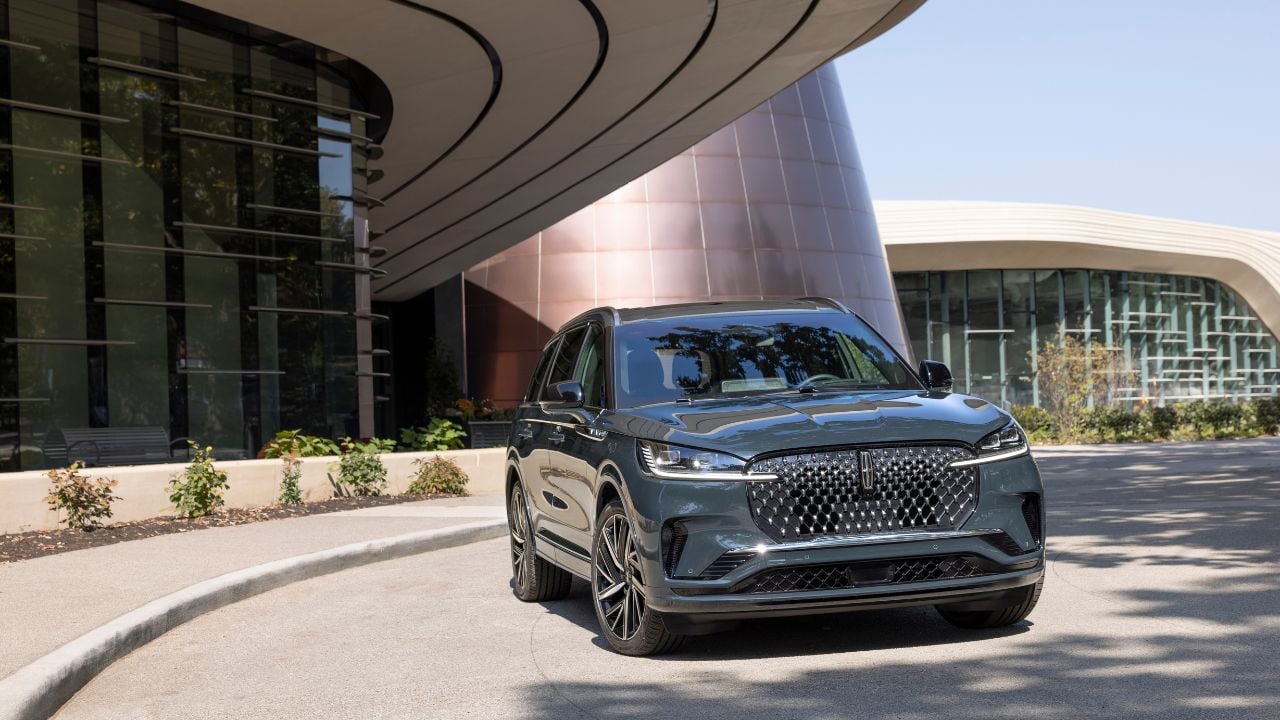
The recall covers approximately 79,579 vehicles in the United States. According to Ford’s filing, the affected population includes 64,409 Ford Explorer SUVs and 15,170 Lincoln Aviators from the 2026 and 2027 model years.
Only vehicles equipped with the memory seat feature are affected. The system is designed to automatically return the driver’s seat to a saved position when the vehicle recognizes the driver.
Ford assigned the recall number 26S56. Owners will eventually receive instructions once a repair has been finalized.
What Causes the Problem?
NHTSA documents state the issue involves the memory recall function for the driver’s seat. Under certain conditions, the seat may continue reclining unexpectedly instead of stopping as intended.
Ford’s investigation found that the seat motor can stall after encountering resistance rather than reversing direction. As a result, the seatback may continue pressing against anything positioned behind it.
The condition occurs while the vehicle is parked and the driver’s seat is empty. Ford says it can be triggered during remote start, remote unlock, or when the vehicle detects an approaching key fob.
Why It Could Be Dangerous
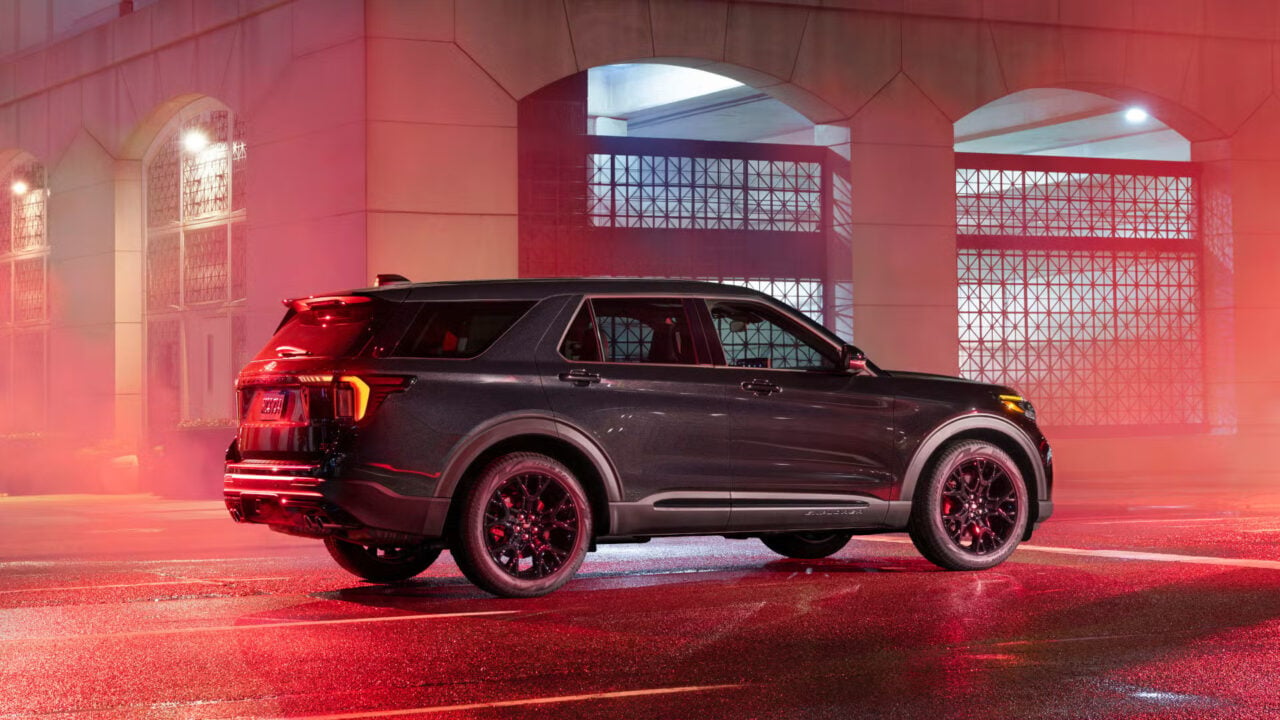
The unexpected seat movement creates the possibility of trapping or pinning a second-row occupant positioned directly behind the driver’s seat. The recall documents state this increases the risk of injury.
Ford has not reported any crashes or injuries related to the defect. The company also notes that the seat is not expected to continue applying force indefinitely if resistance is encountered.
Because the issue occurs before the driver enters the vehicle, it is not expected to cause the seat to suddenly recline while someone is driving. The concern is limited to the automatic memory function operating while the SUV is parked.
Ford Is Still Working on a Fix
Ford has not yet announced the final repair procedure. The company says it is developing a remedy and will notify owners once that solution is available.
Until then, owners of affected Explorers and Aviators should exercise caution when remotely unlocking or starting their vehicles. Ensuring that children, passengers, pets, and personal belongings are clear of the driver’s seat before the memory function activates may help reduce the risk of damage or injury.
Owners can also monitor the NHTSA recall database or contact their local Ford or Lincoln dealer for updates as the recall progresses.
Another Reminder of Modern Vehicle Complexity
Power-adjustable memory seats are designed to improve convenience by automatically restoring a driver’s preferred seating position. As vehicles add more electronic features and automation, however, software and control system faults can sometimes create unexpected problems.
In this case, a feature intended to make entering the vehicle easier instead prompted a nationwide recall affecting nearly 80,000 SUVs. Once Ford releases its repair, owners will be able to have the issue corrected at no cost.
Have you ever experienced a memory seat behaving unexpectedly, or do you prefer adjusting your seat manually? Let us know whether features like this are worth the added complexity.