

On January 21, 2026, Ford Motor Company announced a major safety recall covering 119,075 vehicles in the United States because an engine block heater defect could crack and leak coolant, potentially creating a short circuit and under‑hood fire risk.
The announcement was confirmed by the National Highway Traffic Safety Administration (NHTSA) under recall identification 26V012000. Owners of affected vehicles, including select Ford Focus, Escape, Explorer and Lincoln MKC models, are being advised not to plug in their block heaters until the issue is fixed by a dealer at no cost.
Interim notification letters are scheduled to be mailed beginning February 13, 2026, with a final remedy expected to be ready by April 2026.
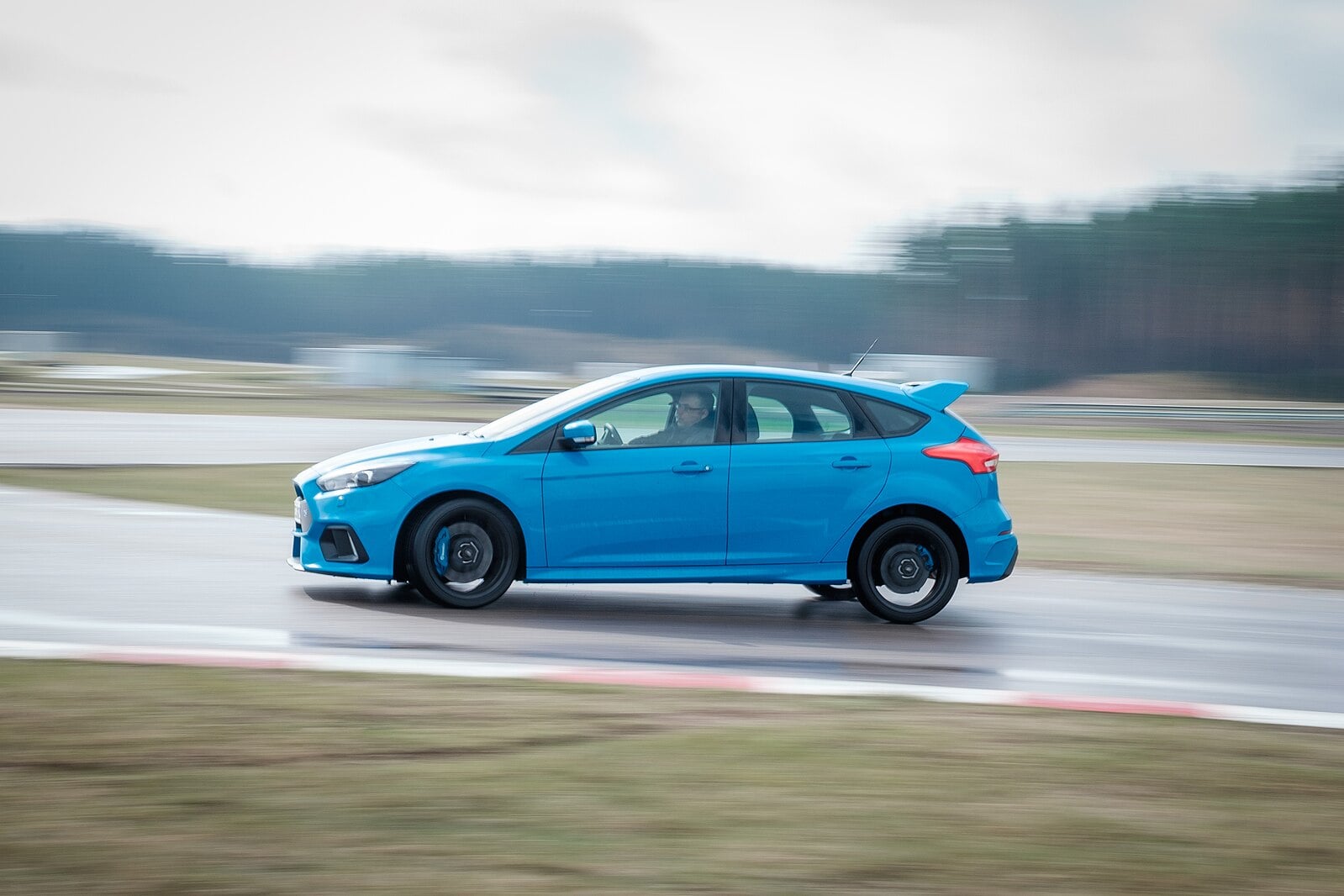
The specific defect is said to occur over time as the heater element can develop cracks that allow engine coolant to escape. If coolant contacts electrical components while the heater is plugged in, it can cause a short circuit. That in turn can escalate to high temperatures and fire, especially when vehicles are parked and unattended in cold conditions. Dealers will replace the entire block heater free of charge once parts are available.
Launching in Canada
What makes this recall especially notable is that a similar and in many ways precursor recall was initiated earlier in Canada. In October 2025, Transport Canada — the government body responsible for automotive safety — posted a recall involving block heater defects on hundreds of thousands of Ford and Lincoln vehicles.
The Canadian recall, initially identified as Transport Canada Recall No. 2025554, covered a wide range of vehicles where the block heater could leak coolant, with the same fire‑risk scenario described by safety officials. Owners in Canada were also advised not to use the engine block heater until repairs were completed, and notification from dealers was underway.

That Canadian recall entry was later replaced by a new recall listing (Transport Canada Recall no. 2026‑005) incorporating the updated safety notice earlier in January 2026.
More than 330,000 Ford and Lincoln units were reported globally under these Canada‑led recall actions for the block heater issue, according to industry sources. Those covered large segments of Ford’s lineup including crossovers, SUVs, and light trucks built over multiple years.
Owners were warned of potential fire hazards and asked to inspect their vehicles or await official dealer communication.
Admission of Guilt
Safety regulators and advocacy groups see the Canadian recall as the first major public signal that the block heater issue was as real as it is widespread, preceding the U.S. announcement by several months.
It appears that Canadian authorities and Ford worked through diagnostic data and owner reports throughout late 2025 to compile a recall that eventually informed the broader North American response.

Because Canada often experiences harsher winter conditions, block heater use is more common, which could be why Canadian regulators flagged the issue sooner. Higher incidence of fire reports from that market may have accelerated the recall there.
Industry analysts describe this sequence as a case study in cross‑border automotive safety coordination. NHTSA and Transport Canada share recall data and safety defect reports under a North American harmonization framework, but sometimes one jurisdiction will act ahead of another when evidence mounts.
In this case, Canadian data and Ford’s internal reporting likely pointed to a defect affecting multiple model years before U.S. regulators formally issued the 26V012000 recall.
Ford’s recall history shows a pattern of addressing fire‑related defects across several platforms. For example, past recalls have targeted heat‑related engine defects and other block heater problems across various models in both the United States and Canada, emphasizing the ongoing challenge of thermal engineering in cold climates.
Next Step for Owners
As U.S. owners begin receiving letters and scheduling repairs, Ford continues to monitor field reports for any incidents linked to the defect. To date, no widespread injuries related to this specific block heater defect have been widely reported, but owners should act promptly when notified and avoid plugging in block heaters until a certified fix is completed.
In a nutshell, the 2026 U.S. recall of 119,075 vehicles over block heater fire risk, documented by NHTSA as 26V012000, did not emerge in isolation. Months before, Canadian regulators had already sounded the alarm and initiated their own wide‑ranging recall for the same issue, effectively setting the stage for the U.S. action.
The coordinated but staggered recalls illustrate the dynamic interplay between national safety agencies, automakers, and real‑world safety data in managing vehicle risk at a continental scale.
Sources: Reuters, recalls-rappels.canada.ca