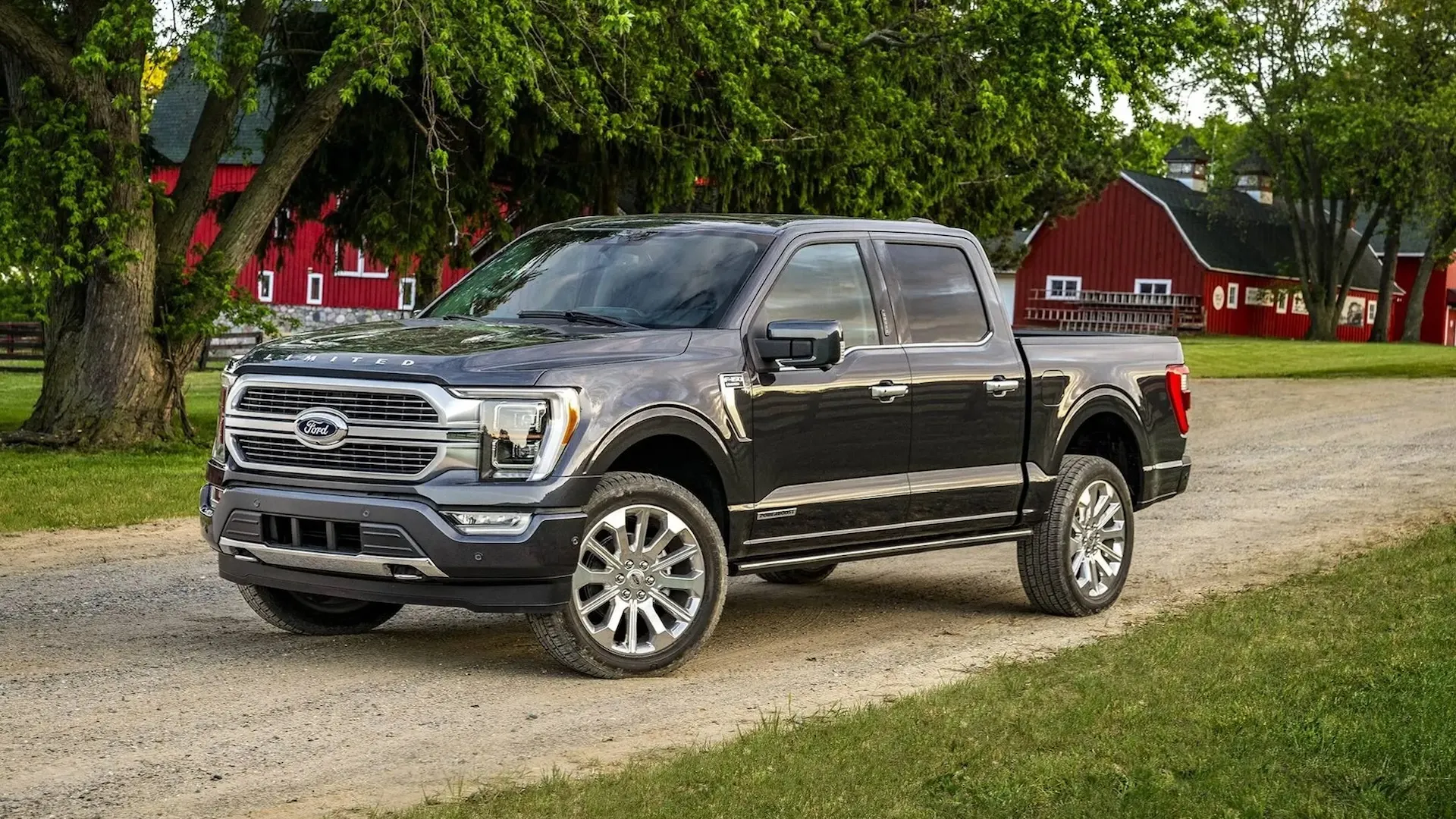
Ford executives say the company’s quality efforts are beginning to pay off, pointing to fewer recalls this year and improved warranty costs. However, an analysis of National Highway Traffic Safety Administration (NHTSA) data highlighted by CarBuzz suggests the overall picture may not be as straightforward, particularly when it comes to the number of vehicles being recalled.
During Ford’s second-quarter earnings call, CEO Jim Farley and other executives emphasized the automaker’s progress in quality and durability. Ford also touted its top ranking among mainstream brands in the 2026 J.D. Power Initial Quality Study as evidence that its strategy is delivering results.
At the same time, NHTSA recall data shows Ford continues to lead the industry in U.S. recalls this year, both in the number of recall campaigns and the volume of vehicles affected. The figures have fueled debate over whether the company’s quality improvements are reaching customers as quickly as executives suggest.
The differing perspectives underscore an important distinction: while Ford has reduced the number of recall campaigns compared with last year, the total number of vehicles impacted remains exceptionally high.
Ford Points to Progress
Speaking during the earnings call, Farley said Ford has spent more than three years focusing on improving quality, with the goal of reducing warranty costs, recalls, and strengthening customer loyalty.
The automaker also highlighted a roughly $1 billion year-over-year improvement in warranty claims. Chief Operating Officer Kumar Galhotra added that Ford’s increased focus on long-term durability should eventually translate into lower recall costs.
Executives also noted that not all recalls carry the same financial impact. Software-related recalls can often be addressed through over-the-air updates, while mechanical and powertrain issues typically require more extensive repairs.
Recall Numbers Tell a Different Story
According to NHTSA data, Ford has issued 61 recall campaigns in the United States so far this year. That is fewer than the 94 recalls the company had announced by the same point last year and significantly below the 153 total recalls recorded during all of 2025.
However, the number of affected vehicles tells a different story. NHTSA records show Ford has already recalled more than 12 million vehicles this year, nearly matching last year’s full-year total with several months still remaining. Through the same point in 2025, the company had recalled roughly half as many vehicles.
Newer Models Continue to Appear in Recalls
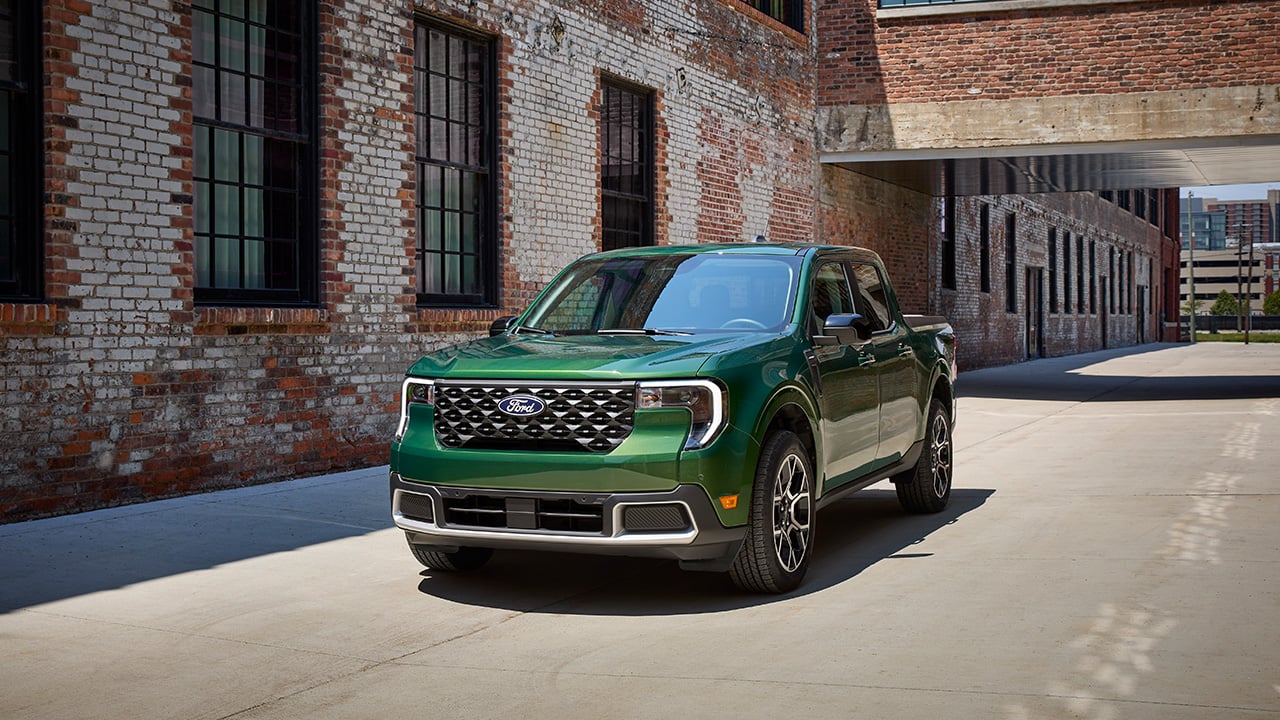
Ford executives also said newer model years are showing improvements in recall performance. NHTSA data indicates that numerous recent vehicles have nevertheless been included in recall campaigns this year.
They include models such as the Ford Escape, Bronco Sport, Maverick, Ranger, Explorer, F-Series trucks, and several Lincoln vehicles covering the 2024 through 2027 model years.
One of the largest recalls involved approximately four million vehicles equipped with defective trailer brake and trailer lighting systems, contributing significantly to this year’s total recall volume.
Quality Is About More Than One Metric
The contrasting views highlight how quality can be measured in different ways. Ford points to improved customer satisfaction, lower warranty expenses, and fewer individual recall campaigns as signs its strategy is working.
Meanwhile, NHTSA’s data shows the automaker continues to account for a substantial share of U.S. vehicle recalls, raising questions about how quickly those internal improvements are translating into fewer affected customers.
Both perspectives can be true at the same time. Ford may be resolving fewer unique issues while still addressing defects that impact millions of vehicles through large-scale recalls. Whether those efforts ultimately result in fewer recalls and stronger long-term reliability is something customers and investors will continue watching closely.
Do you think fewer recall campaigns are a better measure of quality, or should the total number of vehicles recalled carry more weight? Let us know where you stand.