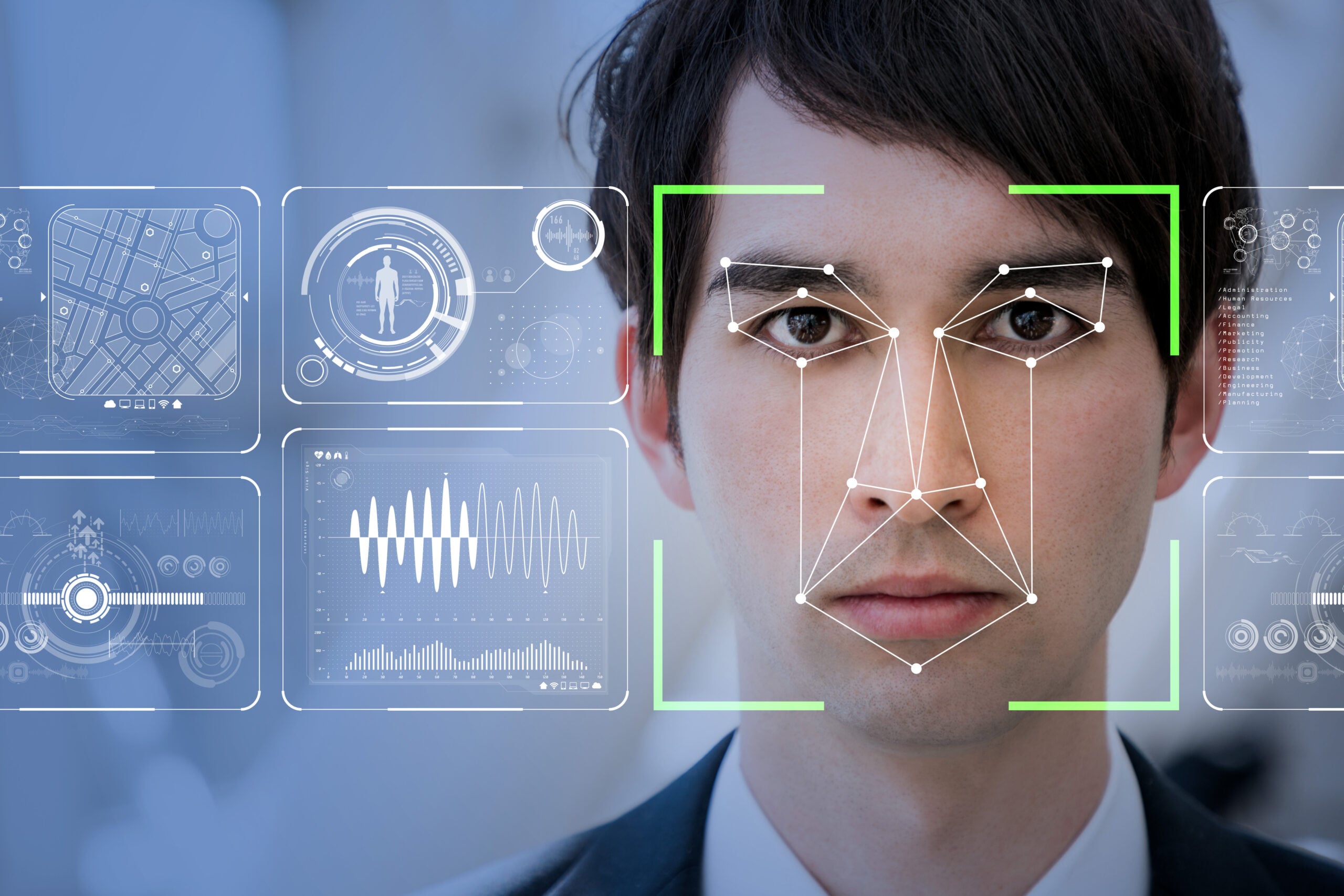
A Fort Myers man who was arrested for a crime he couldn’t have committed is now suing multiple Florida law enforcement agencies, with the ACLU backing the case. The technology at the center of it all is a facial recognition system operated by the Pinellas County Sheriff’s Office. The result is a lawsuit that raises uncomfortable questions about how confidently police departments are leaning on AI tools that, by the evidence’s own admission, got the wrong man.
Robert Dillon, 52, was accused in August 2024 of trying to lure a child at a McDonald’s in Jacksonville Beach. There is just one notable problem with that: Dillon lived more than 300 miles away in Fort Myers and says he had never set foot in Jacksonville Beach. Automatic license plate reader data showed his vehicle had no hits anywhere near that McDonald’s in the relevant timeframe. None of that stopped him from getting arrested.
The chain of events began when a Jacksonville Sheriff’s Office employee fed grainy surveillance footage through an AI-assisted facial recognition program. The system returned Dillon as a possible match. Armed with that hit, investigators then presented a photo lineup to a McDonald’s employee, who identified Dillon’s photo. What police did not disclose to the court when seeking the warrant was that the same McDonald’s employee had described the suspect as a restaurant “regular.” Dillon, again, had allegedly never been there.
The lawsuit was filed on June 10, 2026, by the ACLU on Dillon’s behalf, naming the Jacksonville Beach Police Department, the Jacksonville Sheriff’s Office, the Pinellas County Sheriff’s Office, and the individual officers involved. It seeks damages and demands immediate policy changes from the Pinellas County Sheriff’s Office, which runs the statewide facial recognition system. Not a single law enforcement agency, according to the ACLU, has apologized.
What Facial Recognition Got Wrong, and Why It Matters
The lawsuit takes direct aim at how photo lineups interact with facial recognition errors. When AI generates a false match, it tends to surface someone who physically resembles the actual suspect. That means when investigators then present a witness with a lineup that includes the AI’s false match, they are essentially showing a witness someone who already looks like the person they saw. The lineup, rather than being an independent corroboration, becomes a feedback loop that amplifies the original error.
That structural flaw goes a long way toward explaining how a McDonald’s employee ended up identifying a man who lived five hours away as someone she regularly served at her restaurant.
The Price Dillon Paid
The wrongful arrest was not a minor inconvenience that cleared up in a few days. Dillon was forced to borrow money and pledge the title to his truck to post bond. He also lost income during months of criminal prosecution, was publicly branded as a criminal with a mugshot that remains accessible online long after the charges were dropped, and continues to be approached by community members asking about the case.
In a statement, Dillon described the night he spent in jail as something that still haunts him. He said he worried whether he would ever return home to his wife and daughter, and that over a year later he is still picking up the pieces.
“The night I spent in jail after they arrested me for a crime I did not commit still haunts me to this day. I will never get over how terrified and worried I was, wondering if I’d ever go home to my wife and daughter again,” Dillon said in a statement. “Over a year later, I’m still picking up the pieces of my life, all because the police relied on this dangerous technology instead of doing their jobs and actually investigating. Florida police must implement safeguards and ensure this never happens to anyone else, because until they do, nobody is safe.”
This Is Not an Isolated Case
Dillon’s situation would be easier to dismiss as a rare outlier if it were truly rare. It is not. Earlier in 2026, another Florida man was wrongfully arrested in Orlando through the same Pinellas County Sheriff’s Office facial recognition system. Earlier this week, reports emerged that the Jacksonville Sheriff’s Office had also wrongfully arrested a North Carolina resident in 2025, who spent nearly three months in jail for a car theft he did not commit.
The ACLU has been tracking this pattern nationally for years. Earlier in 2026, the organization demanded a policy review and public apology from Maryland law enforcement after police there relied on a faulty facial recognition scan, performed by an unknown website user, to imprison a woman for six months. The common thread across these cases is not a single rogue department or a single flawed scan. It is a systemic willingness to treat AI output as sufficient grounds for taking someone’s freedom, with investigative work reduced to confirming rather than questioning what the algorithm suggested.
Why the Pinellas System Specifically Is Now Under the Microscope
The Pinellas County Sheriff’s Office does not just use facial recognition. It operates the statewide system that other Florida agencies query. That centralized architecture means that however the system performs, accurate or not, its output flows outward to departments across Florida. The ACLU’s lawsuit is not only seeking damages for Dillon. It is demanding that Pinellas overhaul its policies, a push that reflects a recognition that fixing one department’s practices will not stop the problem if the underlying system feeding those departments remains unchanged.
ACLU of Florida staff attorney Nicholas Warren put it plainly in a statement accompanying the filing, noting that Florida’s expanding reliance on this technology poses a risk to everyone, and that no one should lose their freedom because police trusted a faulty algorithm over actual investigative work.
For anyone who has spent decades watching law enforcement adopt new technology with more enthusiasm than skepticism, this case is familiar territory. The tools change. The tendency to treat them as more reliable than they are does not.