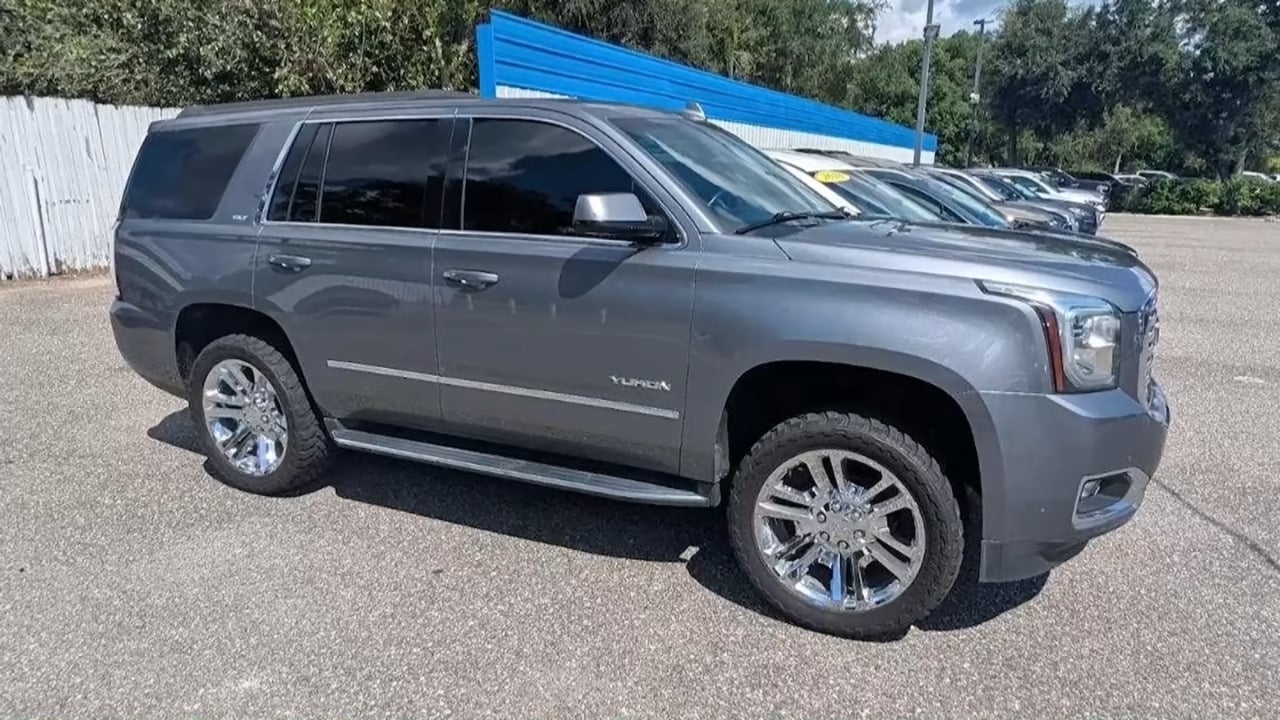
A Florida man was shocked to discover that his newly purchased SUV had been repossessed before he even made his first monthly payment.
Joel Sumlin, a Jacksonville, Florida, resident, recently purchased a 2019 GMC Yukon from Duval Ford. When he went outside one morning, he found the vehicle gone from his driveway. Initially believing it had been stolen, he contacted the police, only to discover that the SUV had actually been repossessed.
The situation was particularly surprising because Sumlin’s first car payment wasn’t due until 25 October, yet the vehicle had been taken on 6 October. As a result, he was left without transportation and without important personal belongings that had been inside the vehicle, including his driving license, wallet, debit card, and work identification badge.
So, why was his car repossessed?
An Existing Financial Lien
The repossession occurred because the SUV had an existing financial lien attached to it before Sumlin purchased it.
For those unaware, a lien is a legal claim against a vehicle, usually connected to outstanding finance. If the debt secured against the vehicle hasn’t been settled, the lender may have the legal right to repossess it.
In this situation, Sumlin was an innocent victim, as he hadn’t been told the vehicle he bought had an existing lien. It later emerged that the dealership, Duval Ford, was also unaware of the outstanding lien.
According to First Coast News, Santander Consumer USA repossessed Sumlin’s vehicle, leaving him without the SUV before he even made his first scheduled monthly payment.
Key Takeaways
Santander Consumer USA offered some advice in the news story to anyone considering buying a used car. Buyers should obtain a vehicle history report, ensure the title matches the most recently issued version, and check for any outstanding liens.
When purchasing from a private seller, Santander advises against relying solely on a bill of sale and recommends inspecting the original physical title to verify ownership.
Moneywise also notes that spending just $4 on a vehicle history check could save buyers much more in the long run. For those unsure where to start, the article provides further guidance on using the US Department of Justice’s National Motor Vehicle Title Information System (NMVTIS), including how to check a vehicle’s unique 17-character VIN (Vehicle Identification Number).
The Satisfying Conclusion
Duval Ford retrieved his personal belongings and provided him with a replacement vehicle, this time a red SUV.
Sumlin was pleased with the dealership’s response and appreciated their efforts to put things right. Having his belongings returned and receiving another vehicle eased the stress of the unexpected situation, allowing him to get back on the road while the dealership worked to resolve the outstanding issue.