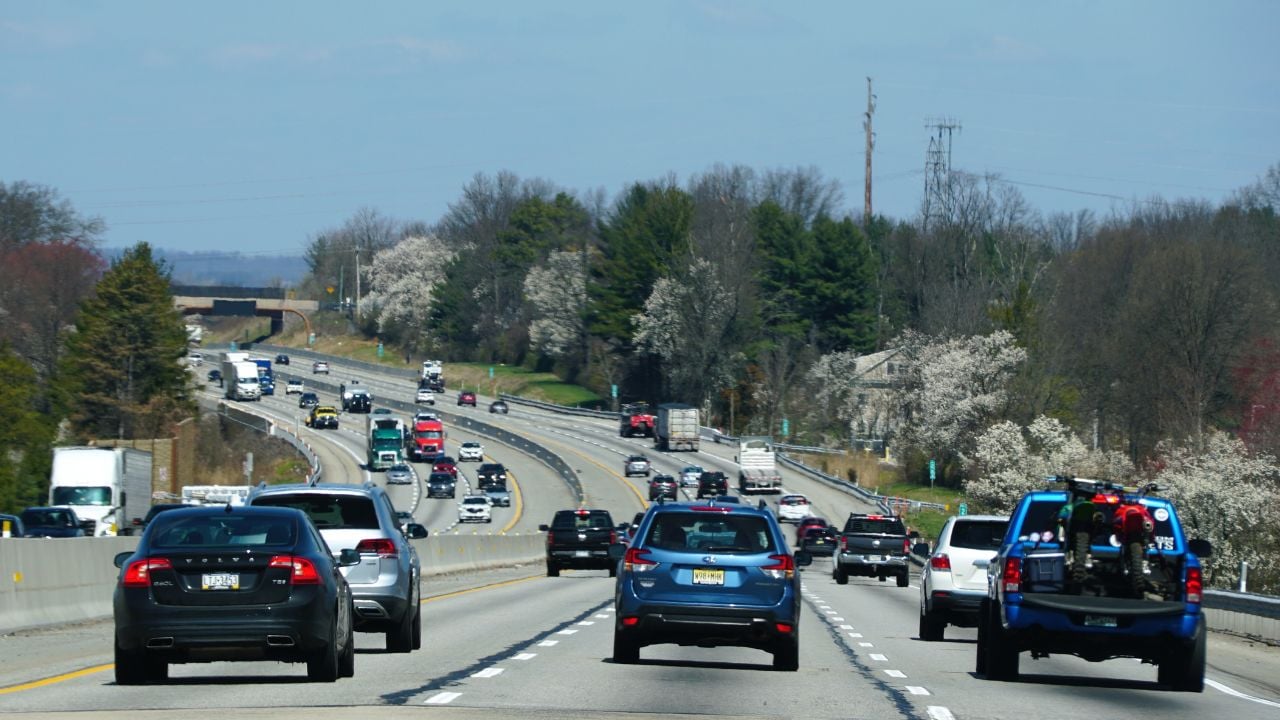

Florida has always been a state of hot roads and hot tempers behind the wheel. But this winter the conversation on traffic safety has shifted in a dramatic way. Starting in 2026, state troopers are cracking down hard on motorists who fail to slow down or change lanes when approaching stopped vehicles on Florida’s highways and byways.
At its simplest, the law is not complicated. Drivers approaching stopped vehicles on the roadside must move over one lane if they can do so safely. If that is not possible, they must slow their speed significantly below the posted limit.
On roads with speed limits 20 miles per hour or less the requirement to slow down drops to just 5 mph. Where drivers fail to comply there is now a base fine of at least $30 and points on a license that can affect insurance rates and even lead to suspension for repeat offenders. The only exemption are emergency vehicles actively responding with lights and sirens.
Protecting Every Shoulder
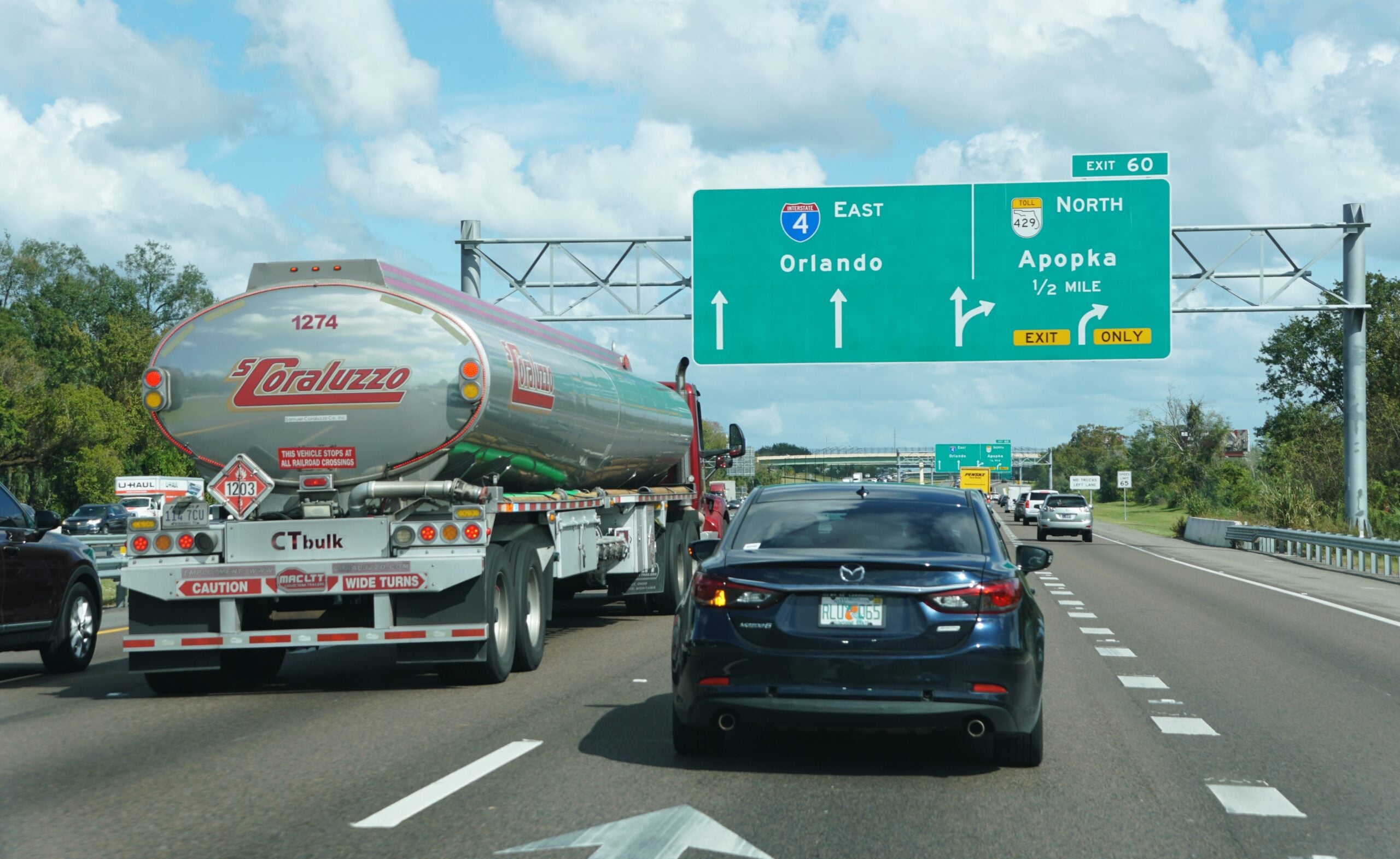
This policy expands Florida’s existing Move Over, Slow Down statute that was first introduced in 1971 and expanded over the years to include utility vehicles, tow trucks, and disabled vehicles. As of January 1, 2025, the law now covers any vehicle stopped at the roadside with hazard lights or visible emergency signage.
That means a family with a flat tire, a sanitation truck stuck in traffic, or a sheriff’s patrol car helping another motorist all deserve the same margin of space drivers are legally required to give them.
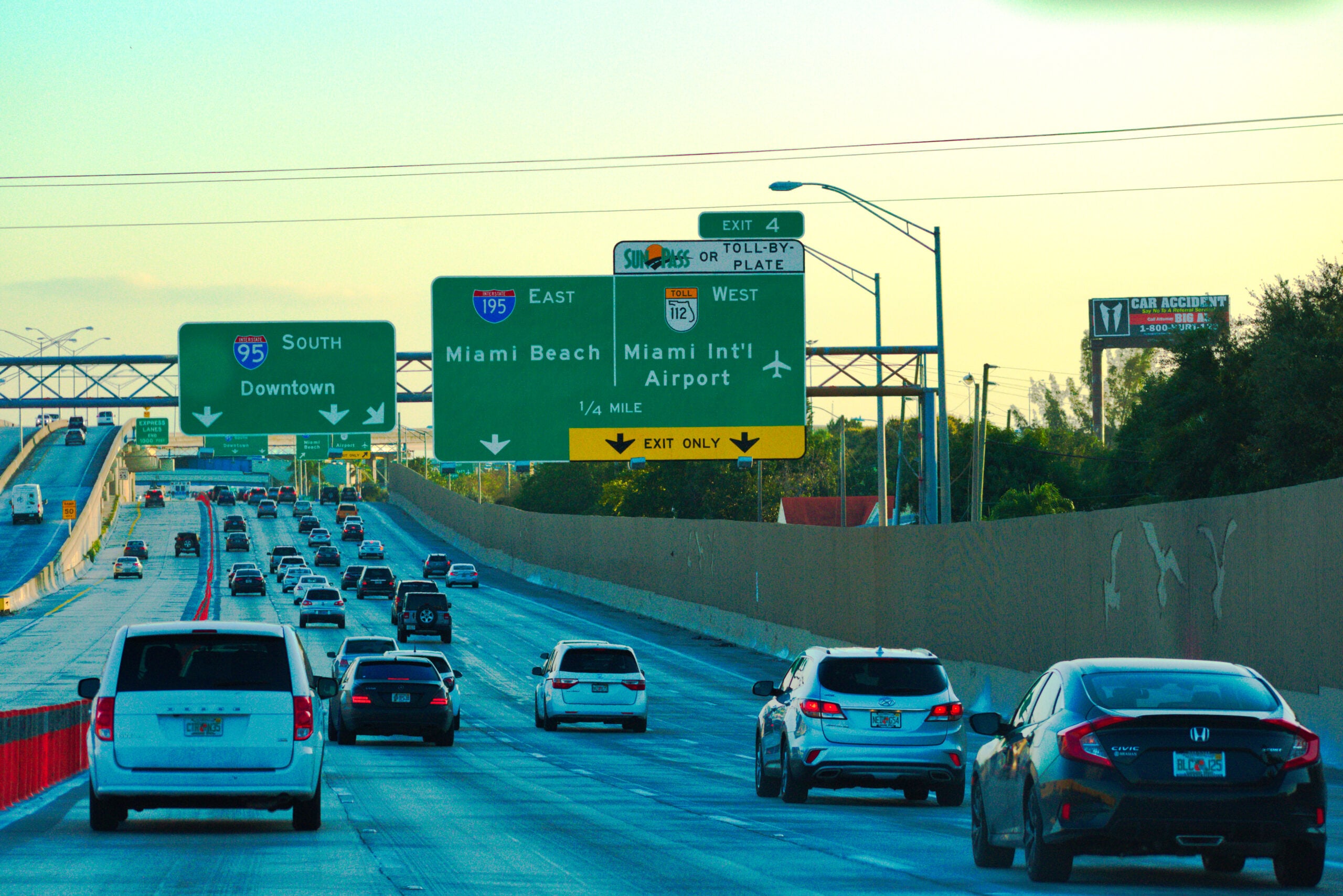
The crackdown this month along parts of Interstate 95 is part of a broader enforcement effort that also targets speeders, careless drivers, seat belt violators, and tailgating. On a single recent day, Florida Highway Patrol and the Brevard County Sheriff’s Office issued 15 citations to motorists violating the Move Over law, signaling the authorities’ seriousness about compliance.
Troopers and traffic safety officials describe the expansion and enforcement as an urgent response to a long-standing problem. According to AAA, more than 300 people die each year in roadside crashes where a pedestrian is leaving, working on, or returning to a stopped vehicle. Roughly two emergency responders per day are struck by passing traffic in the United States.
Non-compliance remains widespread. National traffic surveys found roughly 36 percent of drivers neither slowed down nor moved over when recording roadside incidents. Penalties vary widely across states, which contributes to the perception that many motorists can ignore the law without consequences.
The Culture Clash
That perception matters close to home. Florida, like every other state, has seen drivers treat roadside stops casually or with annoyance. In many places, locals admit they only move over if they recognize a patrol car. Everyday cars with hazard lights often get passed with little regard.
In online forums, Floridians describe fellow motorists stubbornly ignoring the law or not understanding how it works. Some even express skepticism that enforcement will meaningfully change behavior given past practice.
But authorities emphasizing the human cost of inaction hope to shift this mindset. The Florida Department of Highway Safety and Motor Vehicles (FLHSMV) runs an annual public safety campaign encouraging drivers to Move Over and educating new drivers about this requirement in the state’s driving handbook and licensing exams. Historically, these education campaigns accompany enforcement spikes, so the public has both awareness and accountability.
A Routine Choice with Life-or-Death Consequences

For everyday drivers, the law has real life impact on their routines and choices. Picture this: a family on a late afternoon drive sees a disabled vehicle on the shoulder, hazard lights blinking. They are in the right lane on a busy stretch of highway. Instead of barreling past at speed, they now must plan an exit or slow down.
From a distance commuters might grumble at the slower motion. But from the roadside perspective, that rule could mean seconds of extra space for the person changing a tire, for the highway worker out of sight in their safety vest, or for the paramedic finishing a roadside inspection.
It is worth asking whether stronger penalties and clearer messaging could close the compliance gap. AAA and highway safety groups urge states to standardize laws and increase visible enforcement. Florida’s updated law and current crackdown are part of that national trend.
If the goal is saving lives and preventing the tragic loss of those helping others at the roadside, then this winter’s shift from routine to serious enforcement may be a turning point for all Florida drivers.
Sources: newsroom.acg.aaa.com, The Sun