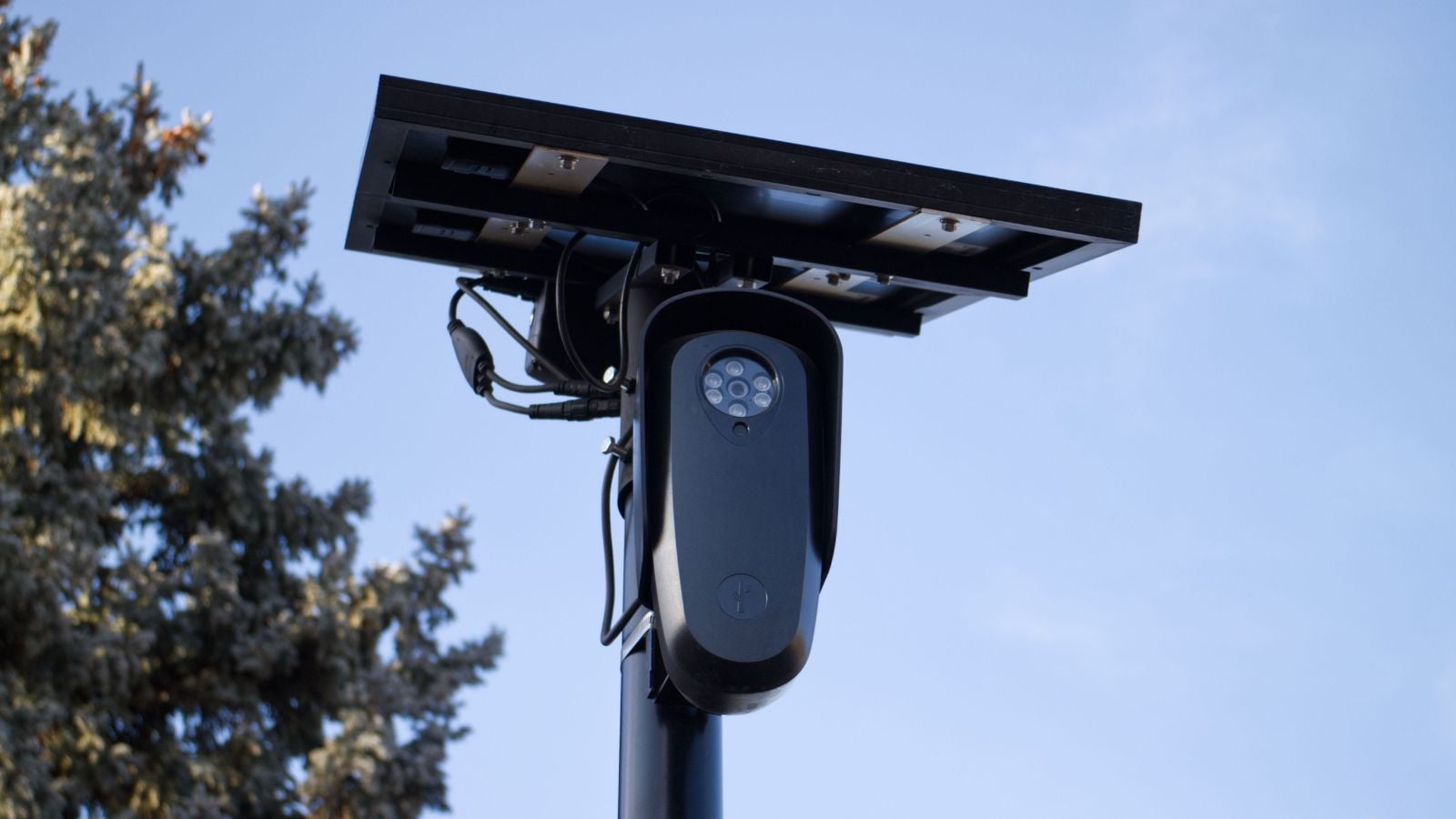
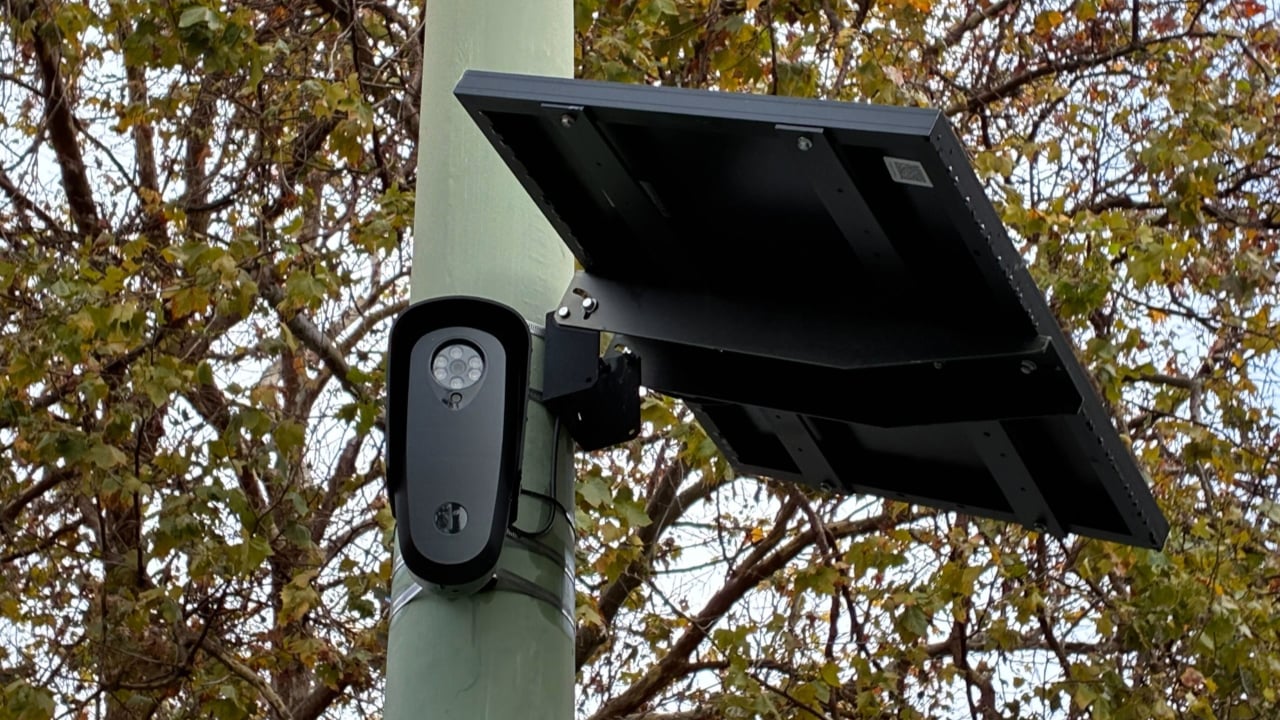
Flock Safety systems have been making news recently, as incidents of vandalism targeting their cameras get reported across various U.S. states where they are deployed.
This time, though, Flock’s plan to expand its network to vehicles has been uncovered. Because its cameras remain fixed to poles and are therefore stationary, their usefulness as evidence in a given case may be limited.
A camera can capture a vehicle’s color, model, and license plate, but only at that specific location. To track where a vehicle travels next, Flock would need mobile ALPR coverage.
That is why it planned to partner with Nexar, a dashcam company, with a proposal that could have expanded its network to around 350,000 Uber, Lyft, and other delivery-service vehicles.
Drivers using Nexar dashcams could effectively turn their vehicles into mobile surveillance platforms, allowing Flock to collect license plate data across a much wider area.
Uber and Lyft Vehicles Were on Flock’s Radar
404 Media reported on Flock’s strategy, which was to use the dashcams on Uber, Lyft, and other delivery drivers’ vehicles as mobile license plate readers. That means the dashcams would potentially scan license plates that appeared in the frame, wherever the rideshare vehicles traveled.
Flock shared details of the plan with the media outlet in a document that revealed its intention to partner with Nexar. The document also highlighted how Flock was using the proposed partnership as a pitch to its potential customers, despite Flock confirming to 404 Media that the partnership with Nexar never went through.
In a presentation to the Georgia Office of the Attorney General last August, Flock mentioned Nexar. It stated:
“Hundreds of Commercial Business and HOA [home owners associations] in GA [Georgia] are part of the network. Plus Nexar partnership which includes 350k Uber/Lyft and other delivery service devices.”
Although the plan never materialized, the document still exposed Flock’s plan to use existing cars on the road as surveillance devices and collect the data for its network. It is not known whether Uber or Lyft drivers would have been aware if Flock used data from the cameras in their vehicles.
Mobile ALPRs Are Not New
While Flock intended to expand its surveillance web through hundreds of thousands of rideshare and delivery vehicles, mobile license plate readers have been here for some time. Another company, Axon, also supplies ALPR cameras to law enforcement agencies for use in police vehicles.
That means each of those police cars is effectively a mobile license plate reader, scanning plates and gathering data as officers travel the roads.
Two ALPR companies now owned by Motorola, Vigilant Solutions and the Digital Recognition Network (DRN), collect license plate data through cameras installed in vehicles that belong to repossession agencies.
This could be part of a growing trend, and Flock appears to have tried to capitalize on it by proposing a partnership with Nexar that would have significantly expanded its camera coverage network.
A company called BusPatrol has its cameras installed in thousands of school buses. Plans to turn these cameras into ALPRs were reported in May, potentially giving law enforcement agencies access to the resulting data.