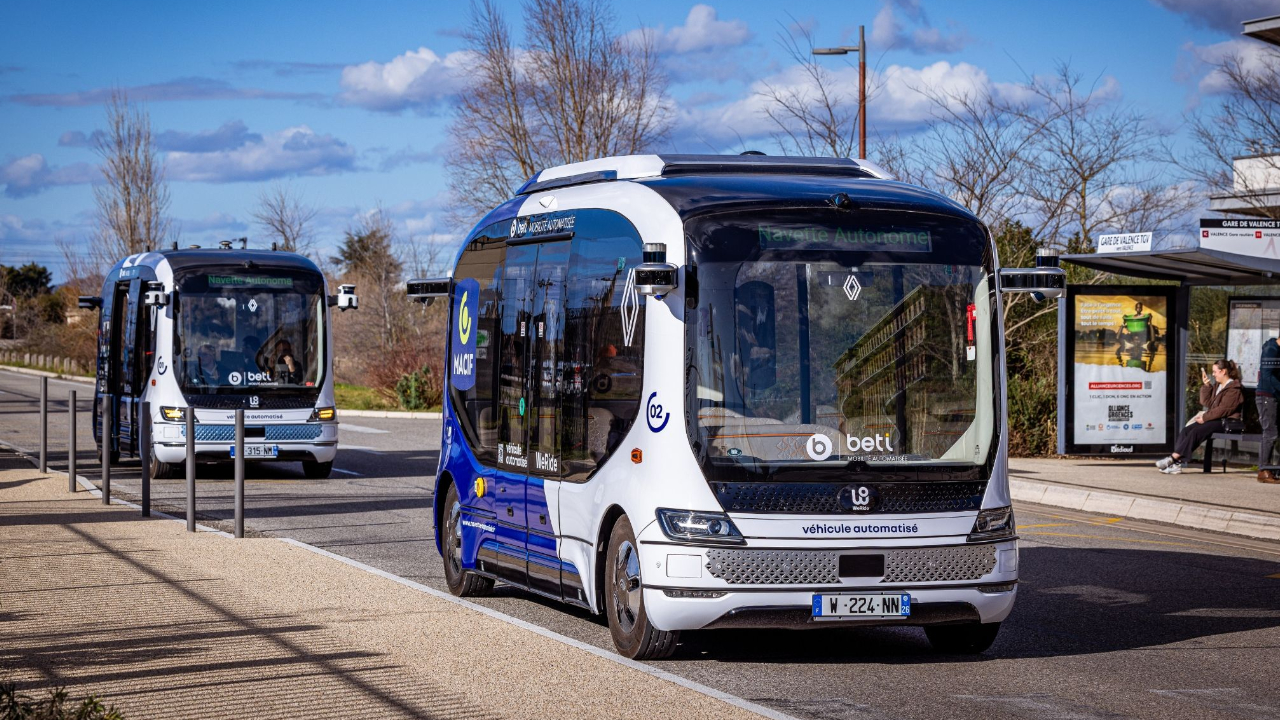
Autonomous driving took a major step forward this month, and the milestone comes with a French flair. WeRide, one of the world’s most advanced self-driving technology companies, just became the first to earn Level-4 driverless testing and operating permits in five countries, including France, one of the toughest places in the world to get approval.
This isn’t just a paperwork victory. It’s a strong sign that autonomous vehicles are ready for real-world use — not just in test labs or controlled zones, but on actual public roads in cities that demand the highest safety and reliability standards.
Breaking Barriers in France, Fast
France has never been known for going easy on tech regulations, especially when it comes to putting vehicles on public roads without a driver behind the wheel. That’s why this moment is so impressive: WeRide and its partner beti secured the green light in just three months — a record turnaround for France’s famously meticulous approval process.
This means WeRide’s autonomous minibus can now legally operate on French roads at speeds up to 40 km/h, making it the fastest driverless permit issued in the country so far. That’s not just a first for WeRide — it’s a first for France.
What Sets WeRide Apart
WeRide isn’t just building robotaxis and hoping for the best. It’s developing an entire ecosystem of autonomous vehicles designed for a wide range of jobs — shuttles, buses, street sweepers, you name it. What makes it special is how seamlessly the tech adapts to different cities, climates, and rules across five very different countries: China, the UAE, Singapore, the U.S., and now France.
That flexibility comes from years of experience and tens of millions of real-world test miles. It’s not about chasing headlines — it’s about building something that works, reliably and safely, every day.
Big Impact, Right Now
The exciting part? WeRide’s vehicles aren’t some future promise. They’re already in service — from airport zones in Switzerland to commercial streets in Singapore — and now, thanks to this permit, they’ll soon be rolling through the historic French city of Valence.
This kind of mobility changes what’s possible for cities. Think fewer emissions, less traffic stress, and more reliable public transportation in areas that often go underserved. It also opens up entirely new job paths in fields like remote monitoring, vehicle-to-network communication, and urban planning for AVs.
What Comes Next
By July 2025, WeRide plans to shift from supervised trials to fully driverless public operations in France — no safety driver in the seat, just remote oversight and a system built to handle the unexpected.
With key partners like Renault, Uber, and Zurich Airport already onboard, it’s clear this isn’t a one-off success. It’s the beginning of a much bigger rollout that could redefine how cities move—not just in Europe, but worldwide.