
Ferrari. Just saying the name gets your heart rate up a little. For over 75 years, Maranello has been churning out cars that make grown adults act like kids in a candy store. We all know the headliner: the F40 that’ll rearrange your spine, the 250 GTO that costs more than most people’s houses, and the Enzo that looks like it escaped from a sci-fi movie. But here’s the thing: some of Ferrari’s best work has been hiding in plain sight, overshadowed by their more famous siblings.
Think of it like being the middle child in a family of overachievers. You might be brilliant, but everyone’s always talking about your older sister, who became a doctor, or your younger brother, who’s an Instagram fitness influencer. These Ferrari “middle children” deserve their moment in the spotlight as much as Ferrari’s most popular and iconic models.
The real secret: No Ferrari is underrated. Well, unless you’re comparing them to the F40.
Ferrari 456 GT
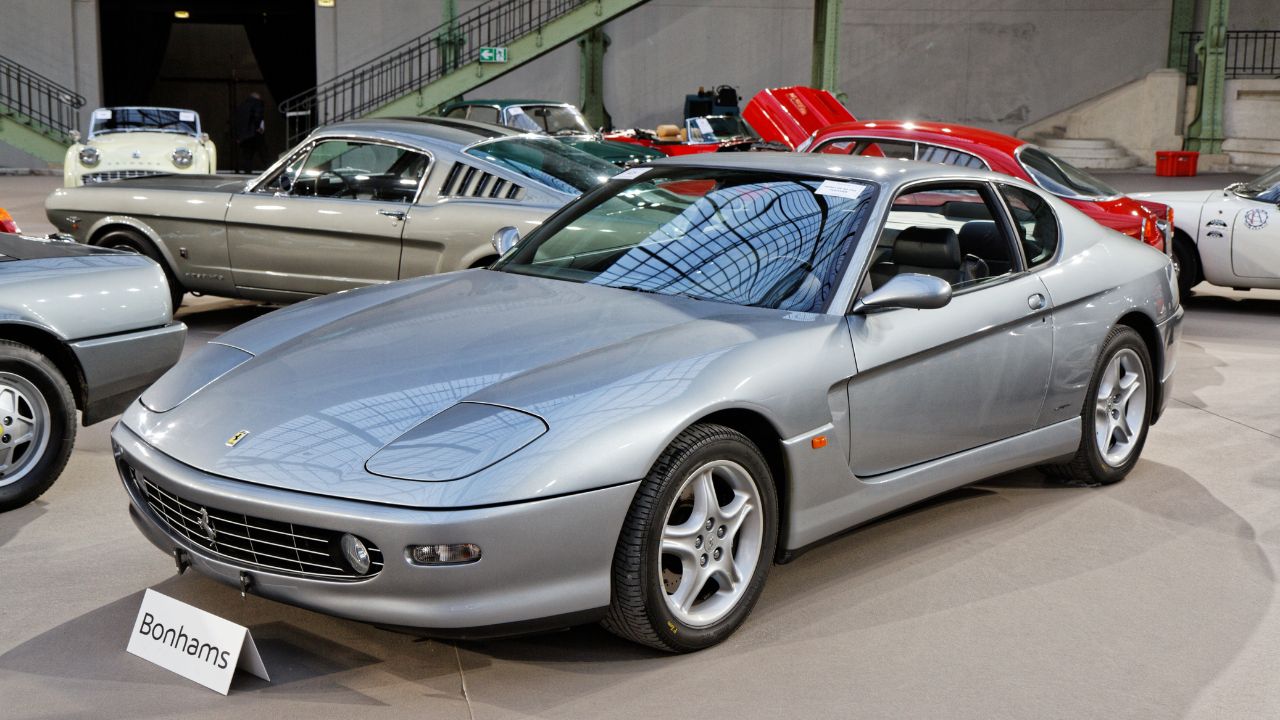
Let’s start with the 456 GT, a car that somehow managed to be one of the world’s fastest four-seaters while maintaining the composure of a British butler. This front-engined beauty packed a naturally aspirated 5.5-liter V12 that produced 436 horsepower – back when 400+ hp actually meant something and wasn’t just the starting point for a grocery getter.
The 456 could hit 190 mph while carrying four adults in genuine comfort, which was like discovering your accountant moonlights as a Formula 1 driver. It featured Ferrari’s first six-speed manual transmission and could accelerate from 0-60 in just 5.2 seconds, respectable even by today’s standards.
But here’s where it gets even more interesting: the 456 was one of the last Ferraris designed when fuel economy wasn’t even a footnote in the engineering brief. The V12 would drink premium unleaded like a fraternity brother at an open bar, but who cared? You were getting 436 horses singing Italian opera every time you pressed the accelerator.
Ferrari Mondial

Ah, the Mondial; probably the most misunderstood Ferrari since… well, ever. If the Ferrari family had a middle manager, it would be this car. Practical, reliable, and competent, but somehow that translated to “boring” in the minds of people who apparently preferred their Ferraris to be temperamental garage queens. And we all know what happens to the middle guy: he’s the first to get cut.
The Mondial underwent several iterations, beginning with a carbureted 2.9-liter V8 that produced 214 hp, and eventually evolving into the Mondial t with a 3.4-liter V8 that generated 300 hp. The “t” stood for trasversale (transverse), referring to the transversely mounted gearbox that improved weight distribution and made the car handle like it had been taking yoga classes.
Here’s what the critics missed: the Mondial was the Ferrari you could actually drive every day without needing a chiropractor on speed dial. It had a proper back seat where adult humans could sit without requiring the flexibility of a Cirque du Soleil performer. The trunk could hold more than a weekend bag and a bottle of wine.
The Mondial 3.2 introduced in 1985 featured the first Ferrari V8 with four valves per cylinder, technology that would eventually make its way to more celebrated models. It also had ABS brakes: a luxury that many supercars of the era treated as optional, like turn signals on a BMW.
Ferrari 365 GTC/4
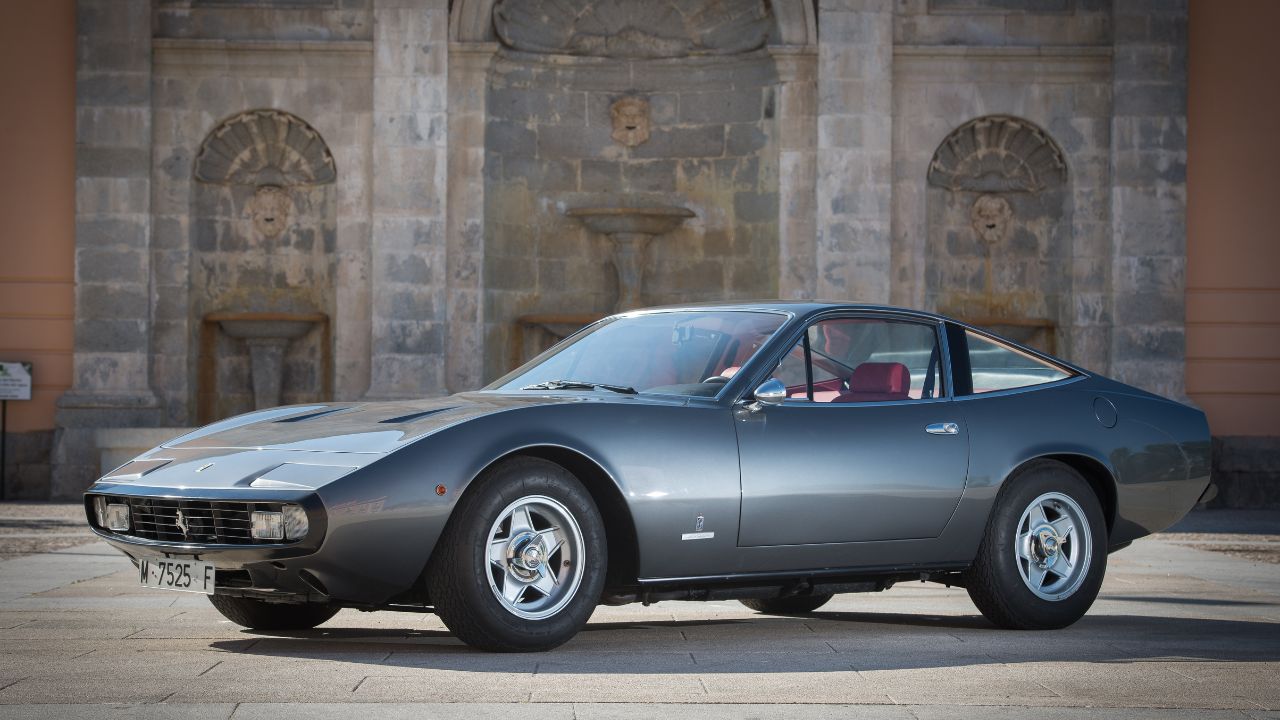
The 365 GTC/4 is what happened when Ferrari decided to build a car for people who appreciated fine wine and didn’t feel the need to prove anything to anyone. While the Daytona was busy being all dramatic and poster-worthy, the GTC/4 was quietly being one of the most refined grand tourers ever built.
Under the hood sat a 4.4-liter Colombo V12 producing 340 hp, the same basic engine that powered the legendary Daytona but tuned for smoothness rather than maximum aggression. This thing would purr at idle and roar when provoked, like a well-mannered lion that occasionally remembered its wild side.
The GTC/4 featured independent rear suspension (a first for a front-engined Ferrari), power steering, and air conditioning that actually worked – luxuries that made it feel decades ahead of its time. The interior was appointed with leather that would make a Rolls-Royce jealous, and the fit and finish was impeccable even by today’s standards.
Only 505 were ever built during its brief two-year production run, making it rarer than many million-dollar classics. Yet somehow, it’s remained the overlooked sibling of the 365 family. Perhaps it was because the car couldn’t break 180 mph like the Daytona, or maybe people simply weren’t ready for a Ferrari that prioritized elegance over raw intimidation.
Ferrari 612 Scaglietti
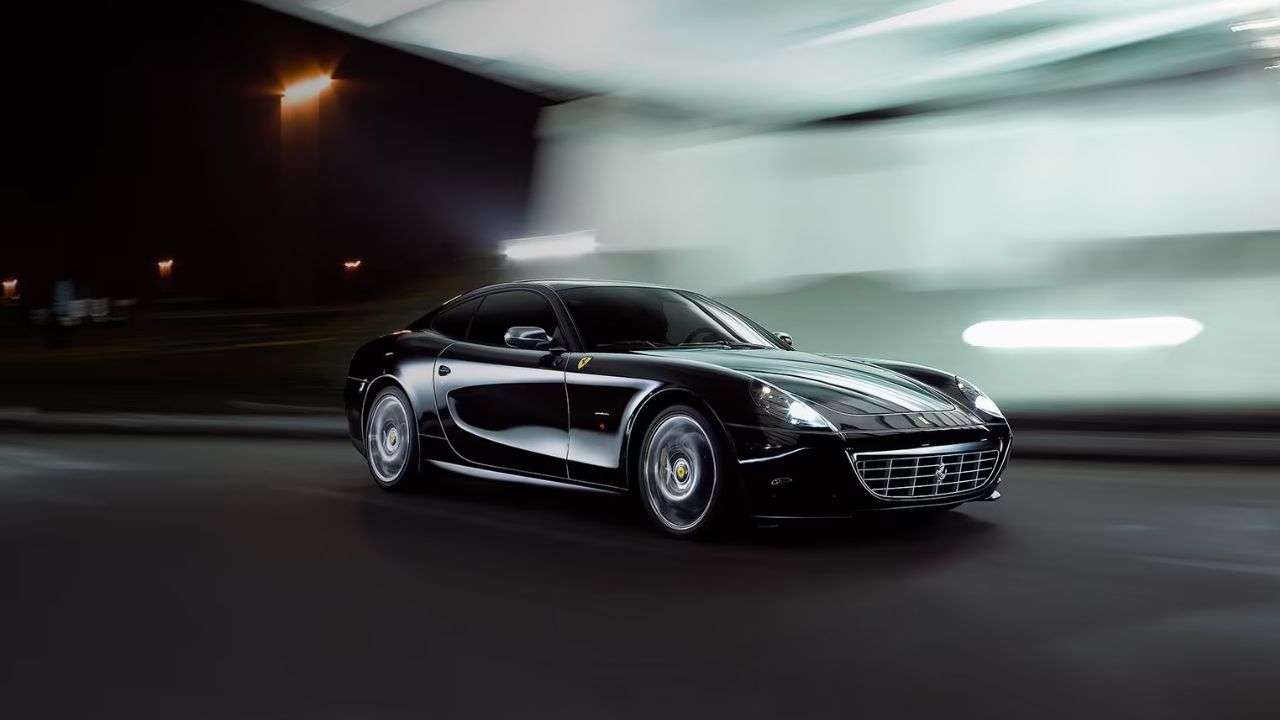
Named after Sergio Scaglietti, the master coachbuilder who created some of Ferrari’s most beautiful early bodies, the 612 was Ferrari’s attempt to prove they could build a four-seat grand tourer that didn’t require compromises. Spoiler alert: they succeeded, but apparently nobody got the memo.
The 612 packed a 5.7-liter V12 producing 533 hp, enough to launch this 4,000-pound luxury liner to 60 mph in just 4.2 seconds. Top speed was 199 mph, which meant you could theoretically outrun most sports cars while carrying three passengers and their luggage to the Hamptons.
Ferrari fitted the 612 with their F1-SuperFast transmission, a six-speed automated manual that was either brilliant or infuriating, depending on your patience level and driving style. In full automatic mode, it was smoother than a politician’s promises. In manual mode, it delivered gear changes with the subtlety of a medieval catapult – character-building, some might say.
The car featured aluminum construction throughout, active suspension that could read the road like a fortune teller, and enough electronic aids to make a NASA engineer jealous. It also had the distinction of being one of the most reliable Ferraris ever built, which somehow counted against it in the minds of people who apparently missed the drama of roadside breakdowns.
Ferrari 348
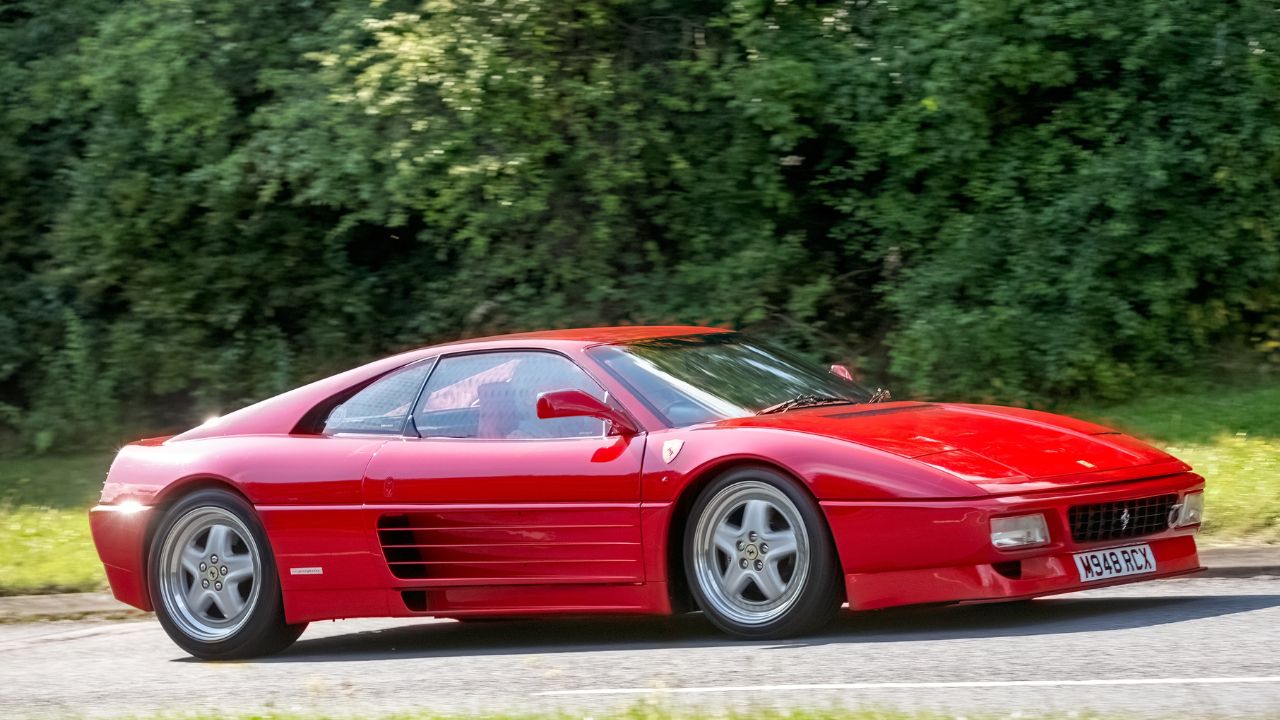
The 348 arrived at an interesting time in Ferrari’s history: after the beloved 328 had finished its run but before the celebrated 355 took center stage. It was like being the band that opens for The Beatles or Backstreet Boys – tough crowd.
The 348 featured a longitudinally mounted 3.4-liter V8 producing 300 hp, connected to a five-speed manual transmission that demanded your full attention and cooperation. This wasn’t a car you could half-heartedly pilot while checking your phone; it required commitment, respect, and possibly a good relationship with your local chiropractor.
The chassis was derived from the Testarossa, which gave it presence and drama but also made it wider than some people’s driveways. The side strakes channeled air to the mid-mounted engine, occasionally reminding you of its presence with exhaust notes that could wake the dead.
Critics complained about the 348’s handling being trickier than its predecessor, but that’s missing the point entirely. This car was from an era when driving required skill, when cars had personality quirks rather than computer-managed perfection. The 348 would bite you if you weren’t paying attention, but reward you with driving joy that modern cars rarely match.
The 348 also introduced several technologies that would become Ferrari standards: the first Ferrari with variable valve timing, electronic fuel injection across the entire range, and ABS brakes. It was a bridge between the analog past and digital future, capturing the best of both worlds.
Ferrari FF
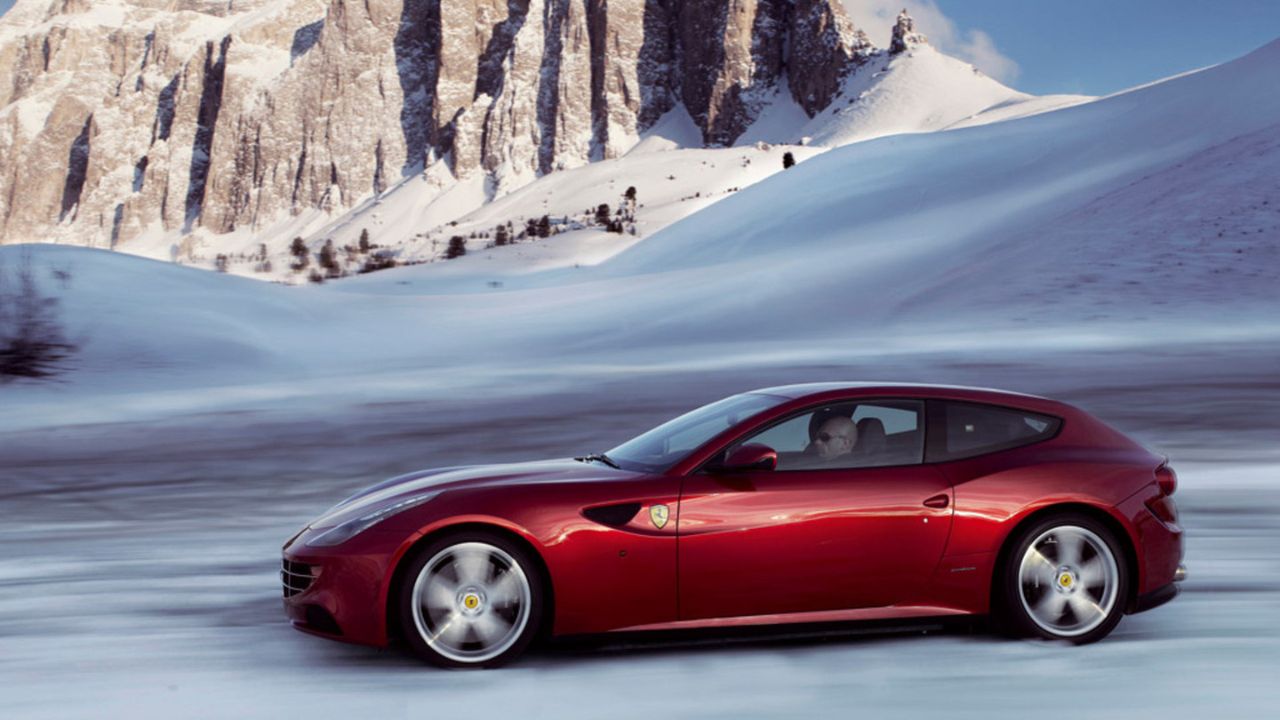
The FF might be the most misunderstood Ferrari since the Mondial, and that’s saying something. When it debuted, traditional Ferrari fans looked at its shooting brake silhouette and all-wheel-drive system like they’d just discovered their favorite Italian restaurant was serving sushi.
But here’s the thing: the FF was absolutely brilliant. It packed a 6.3-liter naturally aspirated V12 producing 651 hp – more power than most people knew what to do with – and could somehow manage in snow, rain, and other conditions that would leave traditional supercars parked in the garage looking pretty.
The all-wheel-drive system was a masterpiece of engineering, engaging only when needed and somehow adding capability without destroying the rear-wheel-drive character that makes Ferraris special. It was like having a Swiss Army knife that happened to be forged by Italian craftsmen with a passion for beautiful sounds.
The FF could carry four adults and their luggage to Aspen for a ski weekend, then embarrass sports cars on the mountain roads – try that with any other Ferrari. It featured a 6.5-second 0-60 time despite weighing as much as a small planet, and a top speed of 208 mph for those times when the speed limit is merely a suggestion.
Ferraris That Deserve (Even More) Love

These overlooked Ferraris prove that greatness doesn’t always wear a cape and demand constant attention. Sometimes the best cars are the ones that quietly excel at everything they’re asked to do, whether that’s crossing continents in comfort or making your Tuesday commute feel like a grand prix.
Each of these cars carries the Ferrari DNA that makes the brand special: beautiful engineering, gorgeous styling, and that indefinable something that makes you want to drive just for the sake of driving. They just happen to do it without the fanfare and markup of their more famous siblings.
The best part? Most of these cars are still accessible to ordinary people with regular bank accounts and a passion for cars. You might not be able to afford that 250 GTO (unless you’ve got $40 million lying around), but you could possibly swing a 348 or a Mondial and get 90% of the Ferrari experience. But maybe one less kidney.