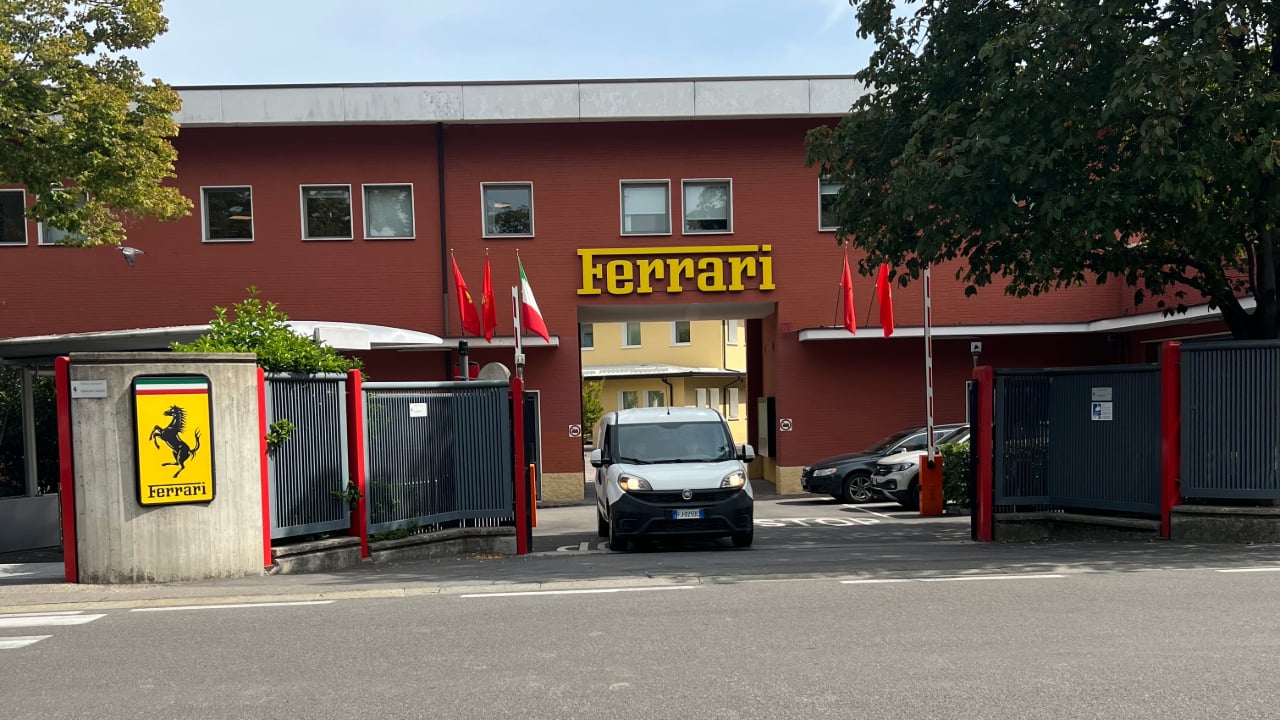
Italian automotive powerhouse Ferrari has rewarded its employees with lucrative bonuses for their hard work after recording a higher net profit in 2025.
2025 proved to be a successful year on the bottom line for the Prancing Horse despite selling fewer cars, with deliveries falling by 112 units from 2024 to 13,640 vehicles.
But cash is king, as the Maranello-based carmaker finished 2025 with net profit up seven percent to €7.1 billion ($8.4 billion), resulting in all staff in Italy earning a bonus of €14,900 (approximately $18,000). Its operating profit also rose 12 percent, reflecting strong business performance across the board.
After a mesmerising 2025, what lies ahead for Ferrari financially in 2026? There’s plenty in the pipeline for the tifosi to look forward to.
Strong Statement From the Ferrari CEO
Ferrari’s latest financial results arrive at a pivotal moment for the luxury carmaker. After introducing five new models in 2025, the company is in the green in all key areas despite mounting geopolitical pressures, namely Donald Trump’s tariffs on EU motor vehicles.
Despite these external influences, the marque’s financial results exceeded its own expectations, with strong demand seeing customers continue to place orders for the iconic brand.

The company struck a confident tone in its latest corporate press release, stating: “In 2025, Ferrari confirmed the strength of its carefully-managed volume strategy, pursuing value”, said Benedetto Vigna, CEO of Ferrari.
“Our remarkable financial performance – with revenues up 7% to over Euro 7.1 billion, an EBIT [operating profit] margin up 120 basis points to 29.5%, and industrial free cash flow surpassing Euro 1.5 billion – was sustained by product mix, personalizations and sponsorships.
“Demand for Ferrari remains very solid and is managed with discipline in every market, reflecting our exclusivity model: our order book extends towards the end of 2027. We remain true to our identity: forward-looking and defined by our will to progress”.
Ferrari Has Already Sold Out for 2026
As the Ferrari chief noted, the company’s orders extend through the end of 2027, meaning it is already sold out for the current year.
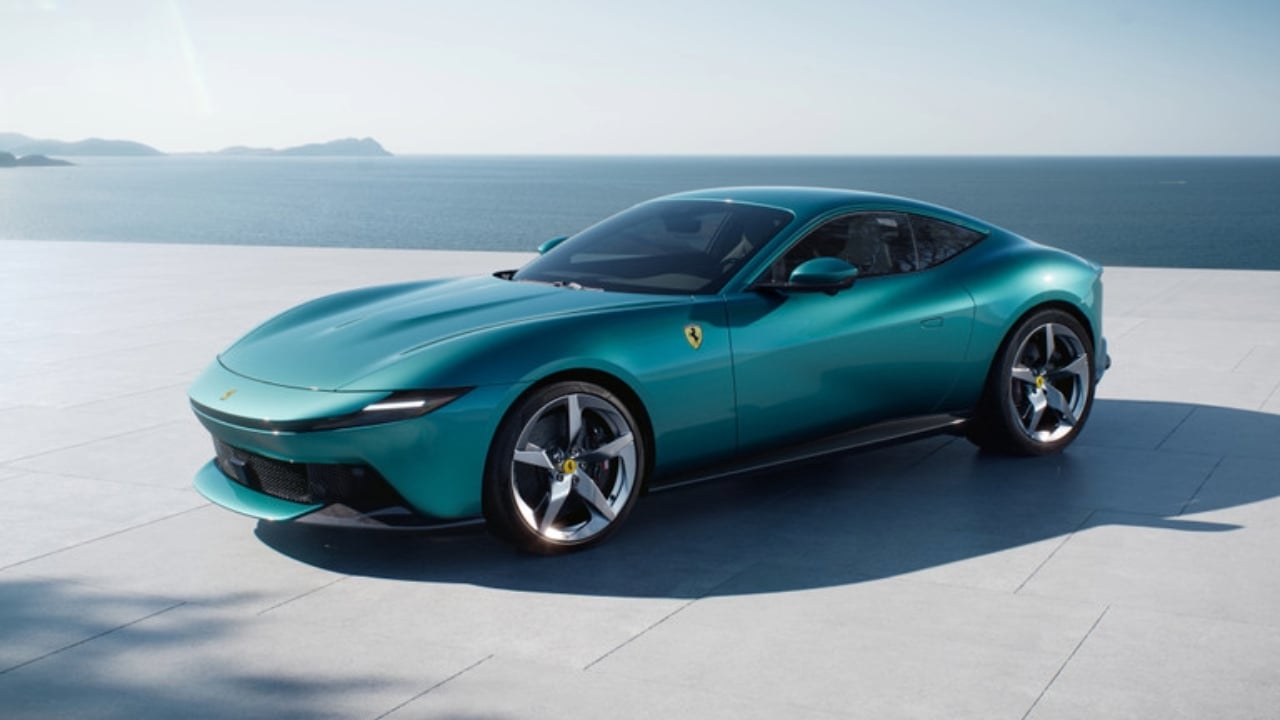
The long backlog shows the strength of Ferrari’s carefully controlled production strategy, prioritizing exclusivity over volume growth without compromising product quality. Ferrari customers are notably loyal to the brand; it is part of their identity, and they can be confident that every car reflects Ferrari’s commitment to selling high-standard cars.
Vigna added that its 2025 releases, the Amalfi (priced at $285,648) and the 849 Testarossa (priced at $544,143), lead the order intake.
So if you want a brand-new Ferrari, make sure to plan well in advance, since you’ll be waiting for over a year.
2026 – The Year Ferrari Turns Electric
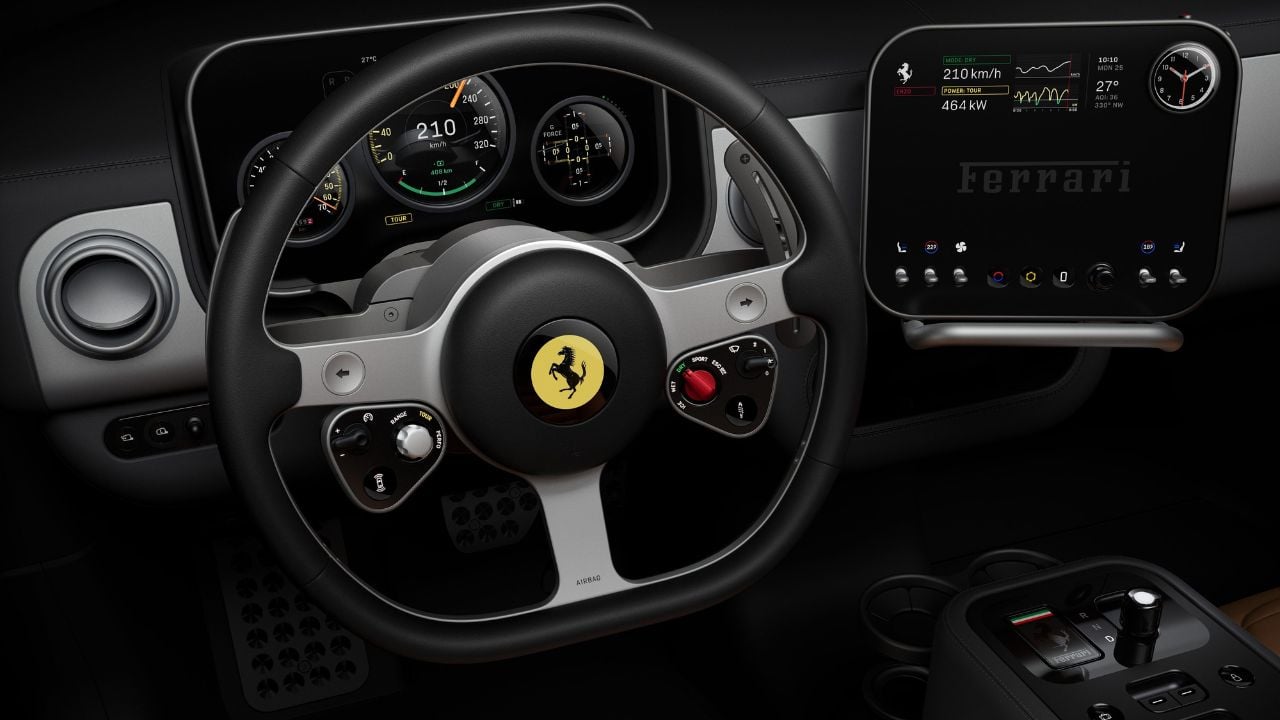
2026 will mark a groundbreaking year for Ferrari as it ventures into new territory with the launch of its first electric vehicle. Although the interior has officially been teased, the Ferrari Luce will be on display for all to see in Rome on May 25.
From what has been revealed so far, its interior features cutting-edge, Silicon Valley-inspired technology, designed by former Apple design chief Jony Ive, offering a sneak peek ahead of the official unveiling.
But for those hesitant about the EV market, or who cherish the roar of the Prancing Horse engine, Vigna acknowledges there’s no point in convincing them and insists he won’t pressure consumers into purchasing one.
“We will never force our client that, to have, let’s say, 849 Testarossa or whatever it’s gonna be called, the next car, they have to buy an electric car,” Vigna said in Ferrari’s quarterly earnings call.
“You do not have to force clients to buy something that they don’t like. This would be the biggest mistake, and I think we have to learn from what we do wrong and what the market is doing wrong, okay?”