Beyond the crowded squares of Prague and the tourist-packed canals of Venice lies a secret Europe, a collection of extraordinary destinations where authentic culture thrives, architectural masterpieces stand uncrowded, and genuine local life continues largely undisturbed by mass tourism.
These seventeen hidden gems represent Europe at its most pure and rewarding, offering experiences that remind us why travel can still transform rather than merely entertain. From medieval Estonian capitals to volcanic Azorean islands, these destinations prove that Europe’s greatest treasures often hide in plain sight.
Tallinn, Estonia

Tallinn’s UNESCO World Heritage Old Town creates one of Europe’s most perfectly preserved medieval cityscapes, where cobblestone streets wind between Gothic spires and Hanseatic merchant houses that transport visitors directly into the Middle Ages. Unlike tourist-saturated destinations, Tallinn maintains authentic Baltic character while offering world-class dining, innovative digital culture, and accommodations that blend seamlessly with ancient architecture.
The city’s dramatic position on limestone cliffs overlooking the Baltic Sea provides natural beauty that enhances rather than competes with its architectural treasures. Toompea Castle crowns the upper town with commanding views over red-tiled rooftops, while the lower town’s merchant quarter showcases the wealth that Hanseatic League trade brought to this strategic medieval port.
Modern Tallinn successfully integrates contemporary Estonian culture with medieval heritage through restaurants housed in 14th-century cellars, technology startups operating from historic guildhalls, and art galleries that transform ancient churches into cutting-edge exhibition spaces. The city’s position as Europe’s digital capital adds technological sophistication while maintaining the intimate scale that makes exploration both manageable and magical.
Sintra, Portugal

Just 30 kilometers from Lisbon, Sintra creates a fantasy landscape where Romantic-era palaces crown forested hills in settings that seem designed by Brothers Grimm illustrators rather than royal architects. The UNESCO World Heritage cultural landscape demonstrates how Portuguese creativity transformed mountain wilderness into artistic environments that celebrate rather than dominate natural beauty.
Pena Palace epitomizes Sintra’s fairy tale character through its rainbow-colored façade and eclectic architectural mix that combines Gothic, Renaissance, Moorish, and Manueline elements in compositions that should clash but instead create perfect harmony. The surrounding park showcases exotic plants from Portuguese colonies worldwide, creating botanical diversity that spans continents within walking distance of the palace terraces.
Quinta da Regaleira adds mysterious dimensions through elaborate gardens where underground tunnels, hidden grottoes, and initiation wells create experiences that blur lines between architecture and adventure. The nearby Monserrate Palace demonstrates how British Romantic sensibilities adapted to Portuguese settings through gardens that showcase plants from around the world while maintaining perfect integration with the surrounding Sintra mountains.
Lofoten Islands, Norway

The Lofoten archipelago rises impossibly from Arctic waters, where thousand-meter peaks soar directly from fjords while traditional fishing villages perch on stilts above waters that reflect both midnight sun and northern lights depending on season. This dramatic landscape creates photography opportunities and outdoor adventures that rival any destination worldwide while maintaining authentic Norwegian fishing culture.
Reine epitomizes Lofoten beauty through its red fishing huts clustered beneath towering peaks in settings that appear too perfect to be real. The village maintains working fishing traditions while providing access to hiking trails that reveal panoramic views extending across the entire island chain toward the midnight sun horizon.
Traditional rorbuer (fishermen’s huts) now serve as unique accommodations where visitors experience authentic Nordic maritime culture while enjoying modern amenities and access to outdoor adventures. The islands’ position above the Arctic Circle creates summer midnight sun conditions and winter northern lights displays that transform ordinary landscapes into supernatural experiences found nowhere else in accessible Europe.
Ceský Krumlov, Czech Republic

Ceský Krumlov curves around the Vltava River in configurations that create one of Europe’s most romantic medieval cityscapes, where Gothic, Renaissance, and Baroque architecture combines in harmonious compositions that UNESCO recognizes as outstanding universal heritage. The remarkably preserved historic center transports visitors into medieval Central Europe while maintaining authentic Czech cultural character.
The castle complex, second largest in the Czech Republic after Prague Castle, provides dramatic focal points that organize the entire town into picture-perfect compositions viewable from multiple vantage points. The baroque castle theater, complete with original 18th-century stage machinery and painted backdrops, offers rare glimpses into historical entertainment while demonstrating Czech artistic sophistication.
Local restaurants and pensions occupy medieval buildings while maintaining authenticity that enhances rather than commercializes the town’s historical character. The surrounding Bohemian countryside provides outdoor recreation opportunities while the town’s cultural calendar includes festivals that celebrate Czech traditions in their original medieval settings rather than tourist-oriented productions.
Faroe Islands

Eighteen islands scattered between Iceland and Norway create landscapes of such dramatic beauty that they seem designed for fantasy films rather than human habitation. The Faroe Islands combine towering sea cliffs, grass-roof villages, and Nordic cultural traditions in settings that demonstrate how isolated communities adapt to some of Europe’s most challenging natural conditions while creating distinctive beauty.
Gásadalur village, home to only 17 residents, provides access to Múlafossur waterfall, where mountain streams plunge directly into the Atlantic in displays of natural drama that epitomize Faroese landscape beauty. The village’s grass-roof houses demonstrate traditional Nordic building techniques while providing authentic encounters with island culture that remains largely unchanged despite growing international recognition.
Mykines island showcases seabird colonies where thousands of puffins nest on dramatic cliffs while traditional hiking paths provide access to lighthouse viewpoints that reveal the full scope of North Atlantic wilderness beauty. The integration of bird watching, hiking, and cultural tourism creates comprehensive experiences while maintaining environmental protection that ensures wildlife preservation.
Azores, Portugal
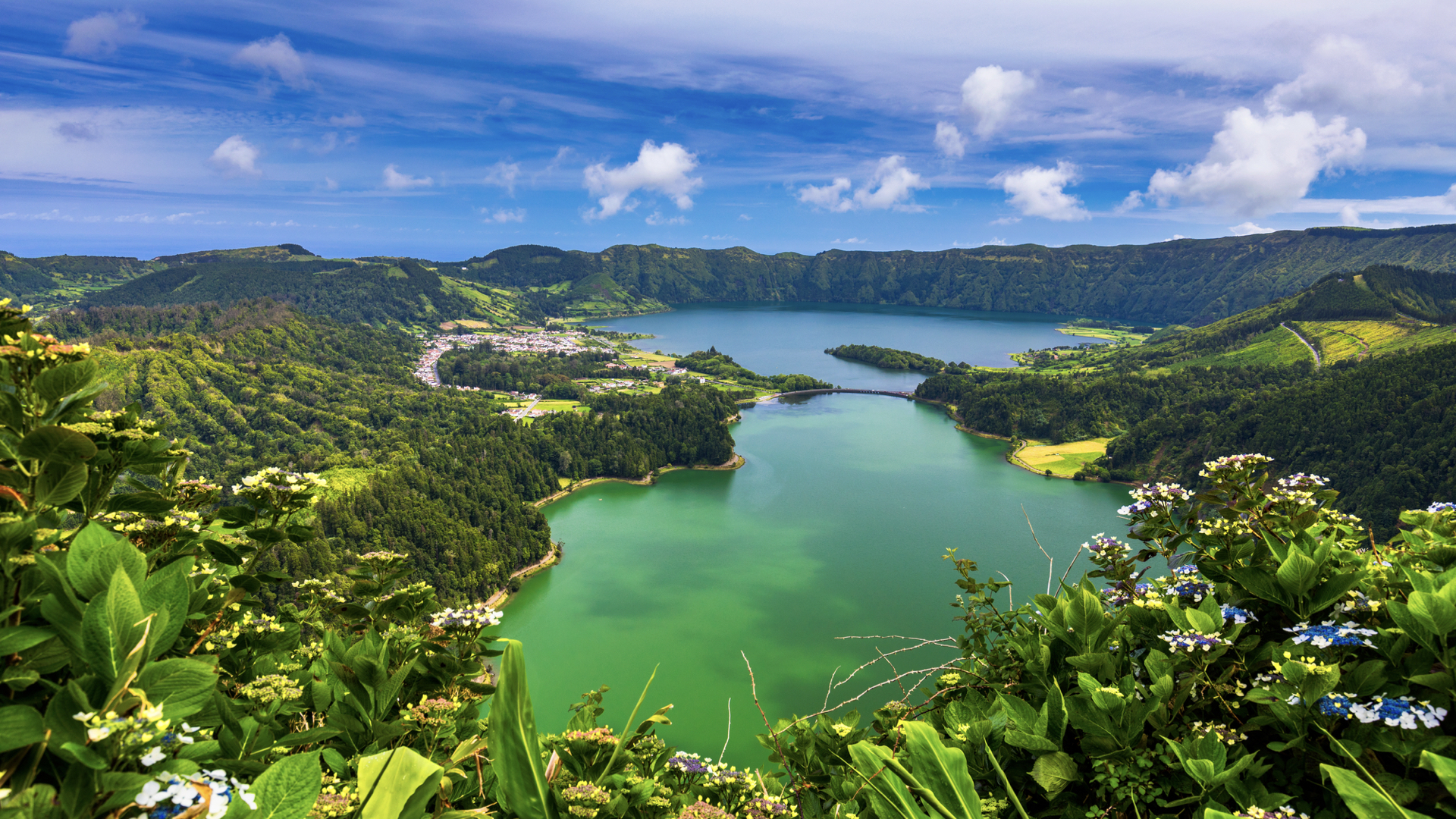
Nine volcanic islands scattered across the mid-Atlantic create Portuguese territories where crater lakes, thermal springs, and subtropical vegetation combine in landscapes that seem transported from tropical paradises rather than European possessions. The Azores demonstrate how volcanic activity creates rather than destroys beauty through natural processes that continue shaping these remarkable islands.
São Miguel island’s Sete Cidades crater lake creates one of Europe’s most spectacular natural wonders, where blue and green waters occupy a massive volcanic caldera surrounded by hiking trails that provide multiple perspectives on this geological marvel. The nearby thermal springs at Furnas showcase how volcanic activity creates natural spas while supporting unique botanical gardens where tropical and temperate plants thrive together.
Traditional Portuguese culture adapts to island conditions through distinctive architecture, local festivals, and cuisine that incorporates both Portuguese traditions and unique local ingredients. The islands’ position as a mid-Atlantic stopover for migrating birds creates exceptional bird-watching opportunities while their isolation preserves authentic Portuguese island culture largely unchanged by mass tourism.
Hallstatt, Austria

Hallstatt creates perhaps Europe’s most photographed village scene, where traditional Alpine architecture reflects in pristine lake waters beneath towering Dachstein peaks in compositions that seem too perfect for reality. This UNESCO World Heritage site demonstrates how Austrian mountain culture achieved architectural harmony with dramatic natural settings while maintaining authentic character despite international recognition.
The village’s position on Lake Hallstatt creates unique beauty where ancient salt mining traditions shaped both economy and culture for over 4,000 years. The prehistoric cemetery reveals how this location attracted human settlement throughout European history while modern salt mine tours provide educational experiences that explain how geological resources created wealth that funded the village’s remarkable architectural development.
Traditional Alpine architecture adapted to lakeside conditions creates distinctive building styles that maximize natural beauty while providing practical solutions to mountain climate challenges. The surrounding Salzkammergut region offers hiking, skiing, and cultural tourism opportunities while maintaining authentic Austrian mountain character that enhances rather than commercializes traditional Alpine lifestyle.
Rila Monastery, Bulgaria
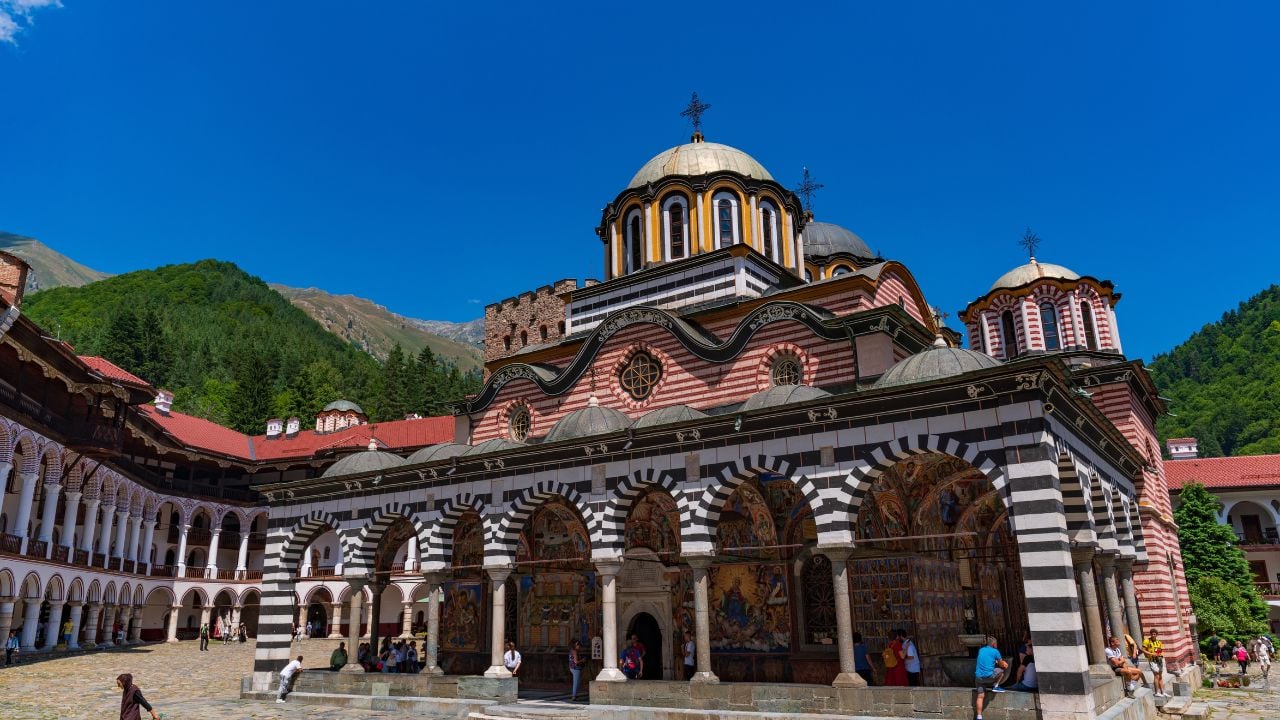
Bulgaria’s largest monastery complex creates unexpected Byzantine magnificence hidden in Rila Mountain forests, where medieval architectural masterpieces preserve Bulgarian Orthodox traditions while showcasing artistic achievements that rival any European religious site. The UNESCO World Heritage monastery demonstrates how Bulgarian culture maintained independence and artistic excellence despite centuries of Ottoman occupation.
The monastery’s distinctive architecture combines Bulgarian, Byzantine, and Islamic influences in harmonious compositions that reflect the complex cultural history of the Balkans while maintaining spiritual significance that continues attracting both pilgrims and cultural tourists. The surrounding Rila Mountains provide pristine wilderness hiking opportunities that complement rather than compete with architectural and spiritual experiences.
Traditional monastery life continues alongside cultural tourism through working religious communities that welcome visitors while maintaining authentic spiritual practices. The monastery’s museum collections showcase medieval manuscripts, religious art, and historical artifacts that illuminate Bulgarian cultural achievements while the surrounding mountains offer outdoor recreation opportunities in some of Europe’s most pristine wilderness areas.
Kotor, Montenegro

Kotor Bay creates the Mediterranean’s only fjord-like landscape, where medieval cities nestle beneath towering mountains that plunge directly into deep blue waters. The UNESCO World Heritage city of Kotor demonstrates how Venetian architectural traditions adapted to dramatic Balkan geography while creating one of Europe’s most spectacular combinations of natural beauty and historical preservation.
The completely preserved medieval city walls climb mountainsides in zigzag patterns that provide hiking opportunities with panoramic views over bay waters that extend toward the Adriatic Sea. The old town’s narrow streets and historic squares showcase Venetian influence while maintaining authentic Montenegrin character through local restaurants, shops, and cultural venues.
Bay of Kotor’s complex geography creates multiple historic towns including Perast, where baroque palaces line waterfront promenades while artificial islands house historic churches that demonstrate how local communities created beauty through centuries of careful cultural development. The region’s integration of mountain hiking, coastal recreation, and historic preservation creates comprehensive tourism experiences while maintaining authentic Balkan character.
Bled, Slovenia

Lake Bled creates Slovenia’s most romantic destination, where a medieval castle crowns clifftops above emerald waters that surround a church-topped island in compositions that epitomize Alpine beauty. The lake’s thermal springs create comfortable swimming conditions while the surrounding Julian Alps provide dramatic backdrops and hiking opportunities that span from gentle lakeside paths to challenging mountain ascents.
Bled Castle, perched impossibly on 130-meter cliffs, provides panoramic views over lake and mountain scenery while housing museums that explain how this strategic position influenced Slovenian history for over a thousand years. Traditional pletna boats, operated by licensed oarsmen whose positions pass from father to son, provide romantic transportation to Bled Island while maintaining cultural traditions that enhance rather than commercialize tourist experiences.
The nearby Vintgar Gorge demonstrates how Alpine geology creates natural beauty through wooden walkways that follow crystal-clear streams through limestone canyons where waterfalls and pools create constantly changing scenery. Local cuisine showcases Slovenian mountain traditions through kremšnita (cream cake) and other regional specialties while accommodations range from luxury resorts to authentic guesthouses that maintain personal scale and local character.
Gimmelwald, Switzerland
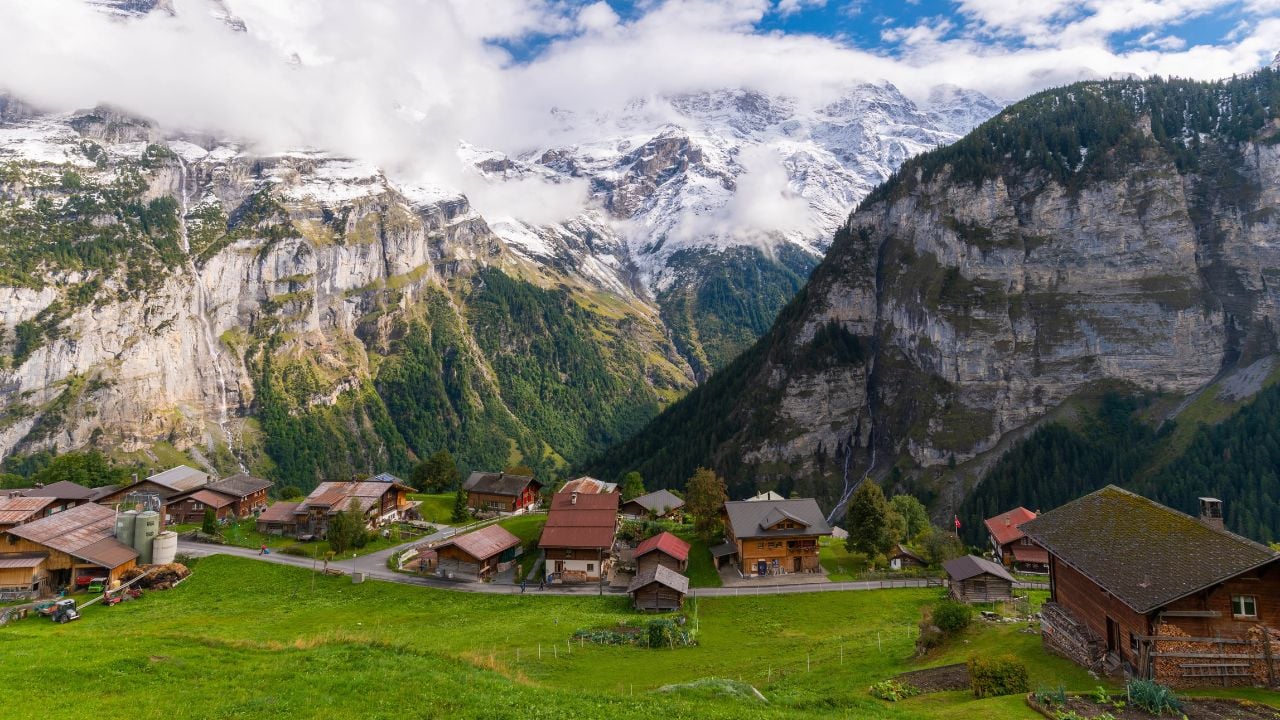
Gimmelwald represents traditional Swiss mountain culture largely unchanged by tourism development, where car-free village life continues among some of the Alps’ most spectacular scenery. This tiny community demonstrates how Swiss mountain culture adapts to modern conditions while preserving authentic agricultural and social traditions that most Alpine destinations have lost to commercial tourism.
The village’s dramatic position on a sunny terrace above the Lauterbrunnen Valley provides access to hiking trails that reveal panoramic views of the Jungfrau, Eiger, and Mönch peaks while maintaining working agricultural landscapes where traditional farming continues supporting local families. Cable car access ensures transportation connections while preserving the village’s car-free character and peaceful atmosphere.
Traditional Swiss chalets house local families alongside simple accommodations that provide authentic mountain experiences without luxury resort amenities or prices. The village’s commitment to agricultural traditions and sustainable tourism creates encounters with genuine Swiss mountain culture while providing access to some of Europe’s finest Alpine hiking and skiing opportunities.
Rothenburg ob der Tauber, Germany
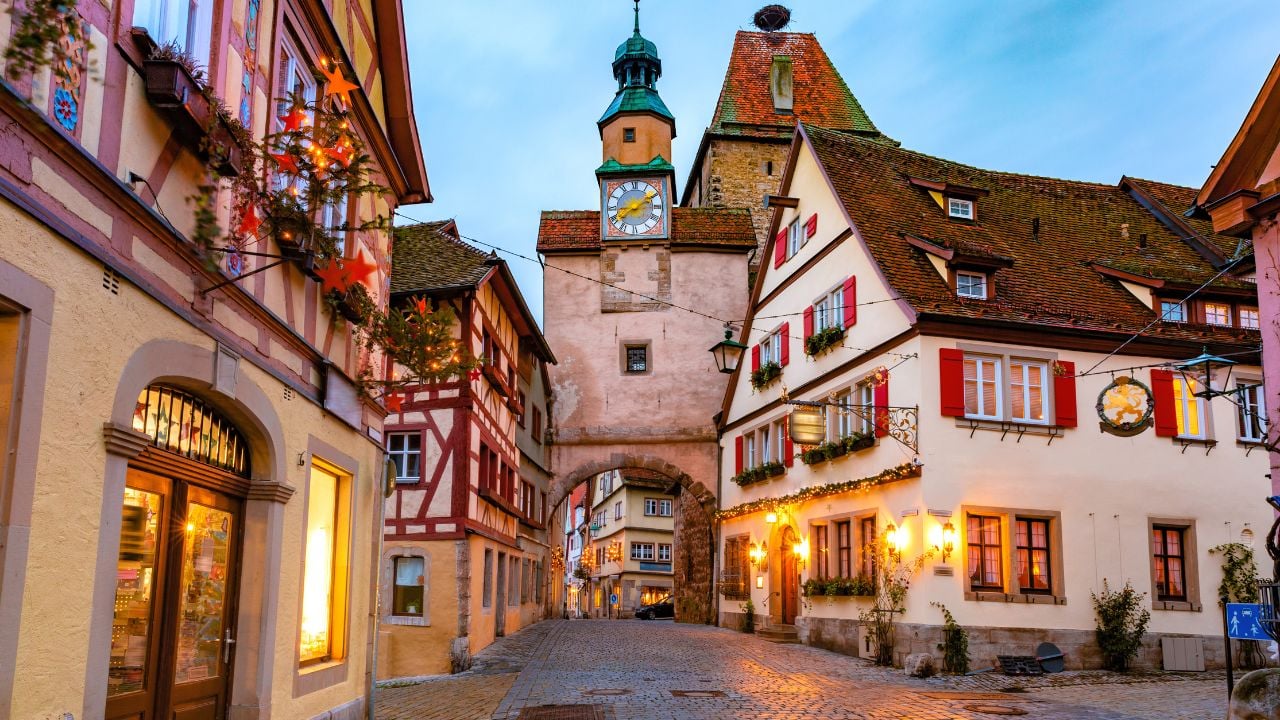
Rothenburg ob der Tauber preserves Germany’s most complete medieval cityscape, where perfectly maintained walls, towers, and gates enclose half-timbered houses and Gothic churches in settings that transport visitors directly into fairy tale illustrations. The city’s position along the Romantic Road creates ideal touring conditions while its remarkable preservation demonstrates how German communities maintained historical character through careful cultural stewardship.
The completely walkable medieval wall circuit provides unique perspectives on both city architecture and surrounding Franconian countryside while demonstrating how medieval fortifications created both defensive capabilities and urban organization. The Christmas Museum operates year-round, maintaining the city’s magical atmosphere beyond holiday seasons while showcasing German craft traditions that continue in local workshops.
Evening illumination transforms Rothenburg into golden fairy tale settings while daytime exploration reveals architectural details and cultural traditions that span from medieval foundations through contemporary adaptations. The city’s commitment to preservation ensures authentic encounters with German medieval culture while providing access to Franconian wine regions and countryside that enhance urban cultural experiences.
Giethoorn, Netherlands

Giethoorn creates unique Dutch experiences where canals replace roads and traditional thatched farmhouses line waterways in settings that demonstrate how Dutch communities adapted to challenging water management conditions while creating distinctive beauty. This “Venice of the North” showcases traditional Dutch rural architecture and water management techniques while providing peaceful recreation opportunities unavailable in more famous destinations.
Traditional whisper boats (electric boats designed for silent operation) provide transportation through village canals while preserving the peaceful atmosphere that makes Giethoorn distinctive among European destinations. The absence of car traffic creates environments where natural sounds and traditional architecture combine to produce uniquely relaxing experiences.
Historic farmhouses now serve as museums, restaurants, and accommodations that showcase traditional Dutch rural life while providing contemporary amenities and comfort. The surrounding Weerribben-Wieden National Park offers additional outdoor recreation through protected wetlands that demonstrate how Dutch water management creates rather than destroys natural beauty.
Viscri, Romania
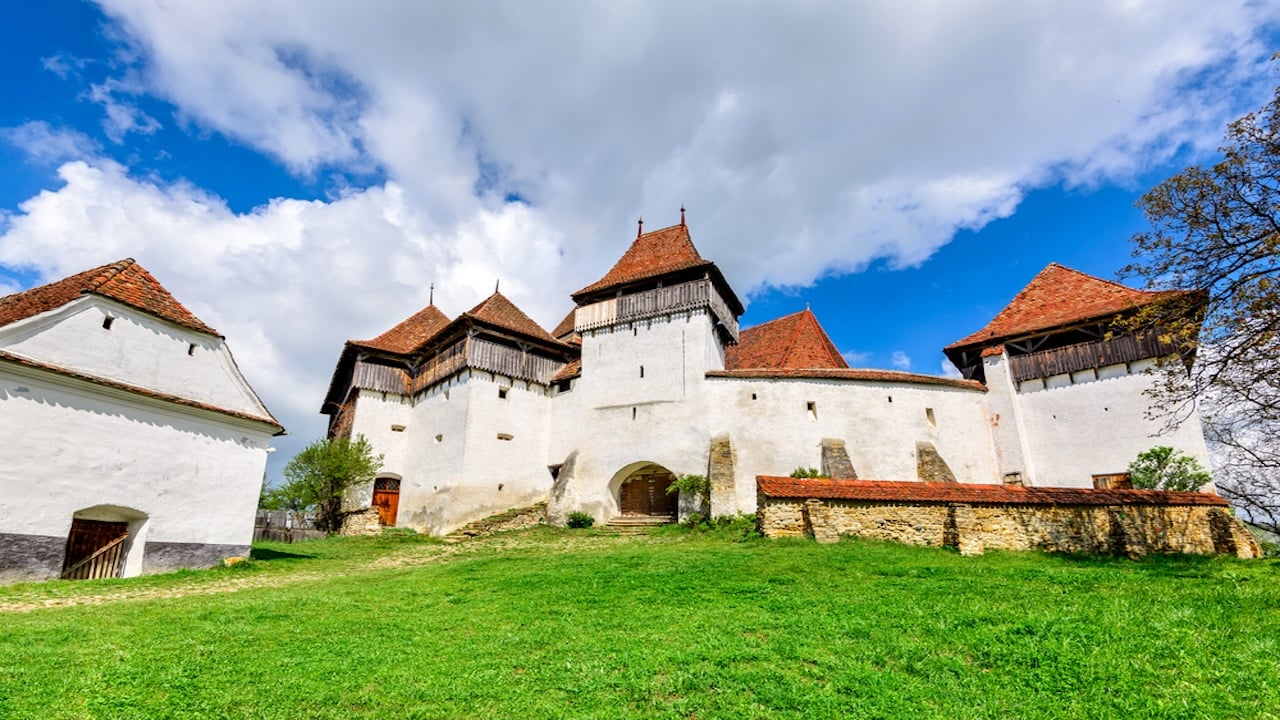
Viscri preserves Saxon Transylvanian culture in remarkably authentic form, where fortified churches and traditional architecture demonstrate how German communities adapted to Romanian geography while maintaining distinctive cultural traditions. This UNESCO World Heritage site showcases rural European culture largely unchanged since medieval times while providing authentic encounters with Transylvanian history and traditions.
The fortified church complex demonstrates how medieval communities created architectural solutions that combined religious, defensive, and social functions while creating beauty that enhances rather than dominates village landscapes. Traditional Saxon houses showcase distinctive architectural techniques while contemporary residents maintain agricultural and craft traditions that span centuries.
Prince Charles’s village residence brings international recognition while supporting conservation efforts that preserve authentic character rather than creating tourist attractions. Local guesthouses provide simple accommodations that support village economy while offering authentic experiences with Transylvanian rural culture that remains largely unchanged despite growing international interest.
Monsaraz, Portugal

Monsaraz crowns Alentejo hills as one of Portugal’s most perfectly preserved medieval fortress towns, where whitewashed houses line narrow streets within intact defensive walls that provide panoramic views over vast plains and the Alqueva reservoir. The town demonstrates how Portuguese border communities developed distinctive defensive architecture while maintaining traditional Alentejo culture.
The castle and defensive walls provide viewpoints that reveal the strategic importance of this hilltop position while the town’s museums and cultural venues showcase regional traditions including traditional crafts, local cuisine, and astronomical observations that take advantage of some of Europe’s darkest night skies.
Local restaurants and accommodations occupy traditional buildings while maintaining authentic character that enhances rather than commercializes village life. The surrounding Alentejo countryside offers wine tourism, hiking opportunities, and cultural experiences that demonstrate how Portuguese rural culture continues adapting to contemporary conditions while preserving traditional character.
Göreme, Turkey

Göreme’s Cappadocia landscape creates otherworldly beauty where volcanic geology formed fairy chimney rock formations that early Christians carved into churches, monasteries, and underground cities. This UNESCO World Heritage site demonstrates how human creativity adapted to unique geological conditions while creating artistic achievements that span both natural and cultural significance.
The Open Air Museum showcases Byzantine church architecture carved directly into volcanic rock, where medieval frescoes preserve Christian art in settings that protected religious communities during periods of persecution. Hot air balloon flights provide aerial perspectives that reveal the full extent of this geological wonderland while demonstrating how human settlement adapted to extraordinary natural conditions.
Traditional cave hotels carved into volcanic rock provide unique accommodations while maintaining authenticity that enhances rather than exploits the region’s geological heritage. Local cultural traditions including carpet weaving, pottery production, and traditional cuisine continue in settings that demonstrate how Turkish culture adapted to extraordinary natural environments.
San Marino

San Marino creates unique European experiences as the world’s oldest surviving republic, where medieval towers crown Mount Titano while providing panoramic views over Italian countryside and Adriatic coastlines. This microstate demonstrates how small European communities maintained independence and distinctive culture while creating architectural and cultural achievements that rival much larger nations.
The Three Towers of San Marino provide symbolic focal points while offering hiking opportunities and viewpoints that reveal both historical significance and natural beauty. The medieval city center showcases Italian architectural traditions while maintaining republican political traditions that span over 1,700 years of continuous governance.
Local museums, shops, and restaurants occupy historic buildings while maintaining authentic character that celebrates rather than commercializes the republic’s unique status. The surrounding Italian countryside provides additional cultural and recreational opportunities while San Marino’s position as a UNESCO World Heritage site ensures preservation of both natural and cultural heritage that makes this tiny nation a remarkable European destination.