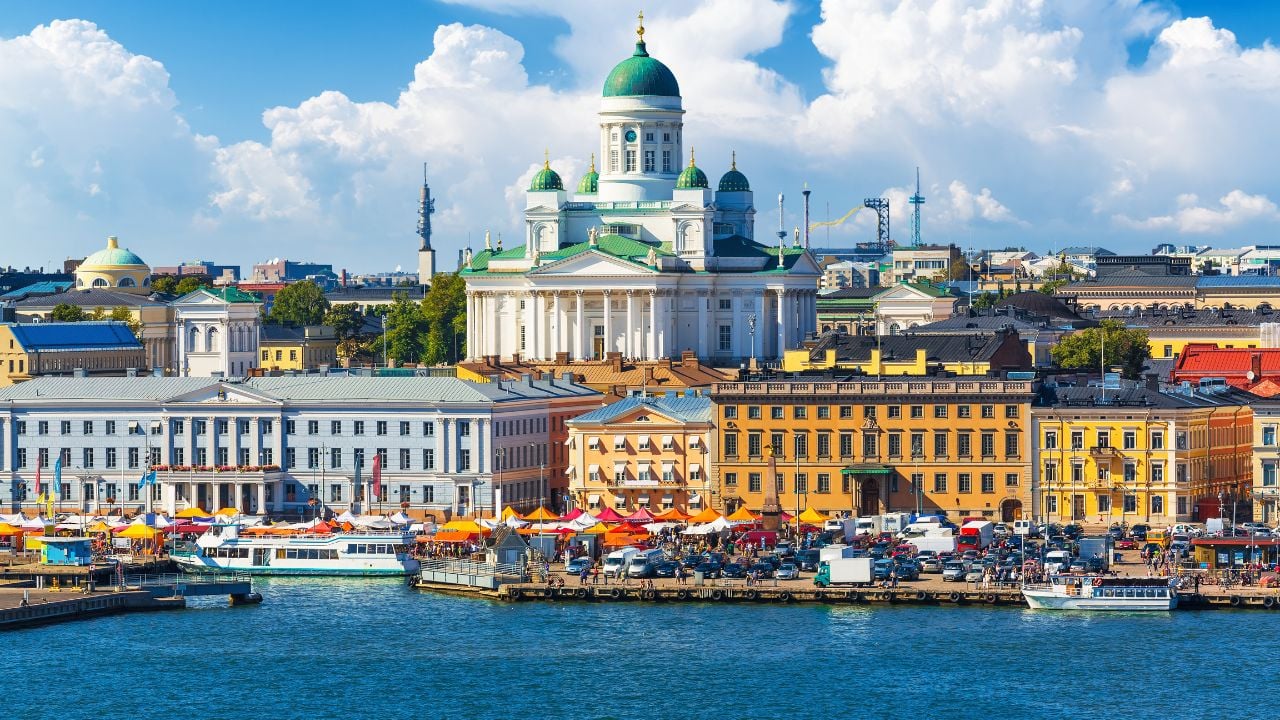
There’s a special kind of travel anxiety that shows up right after you book a flight to a country where you don’t speak the language. You’re excited, obviously, but your brain also starts running scenarios: ordering the wrong thing, missing a train announcement, fumbling through a pharmacy, or freezing when someone asks you a basic question. The good news is that in a big chunk of Europe, English isn’t just “understood,” it’s often the default backup language, especially in cities, tourist areas, and anywhere connected to hospitality.
That doesn’t mean you should ignore the local language (a simple hello and thank you goes a long way), but it does mean you can travel comfortably without feeling like every interaction is a high-stakes test. In the countries below, English generally works smoothly for restaurants, hotels, public transport, museums, and everyday problem-solving. Think of these as low-friction destinations, great for a first Europe trip, a quick city break, or anyone who wants to focus on exploring instead of translating.
Netherlands
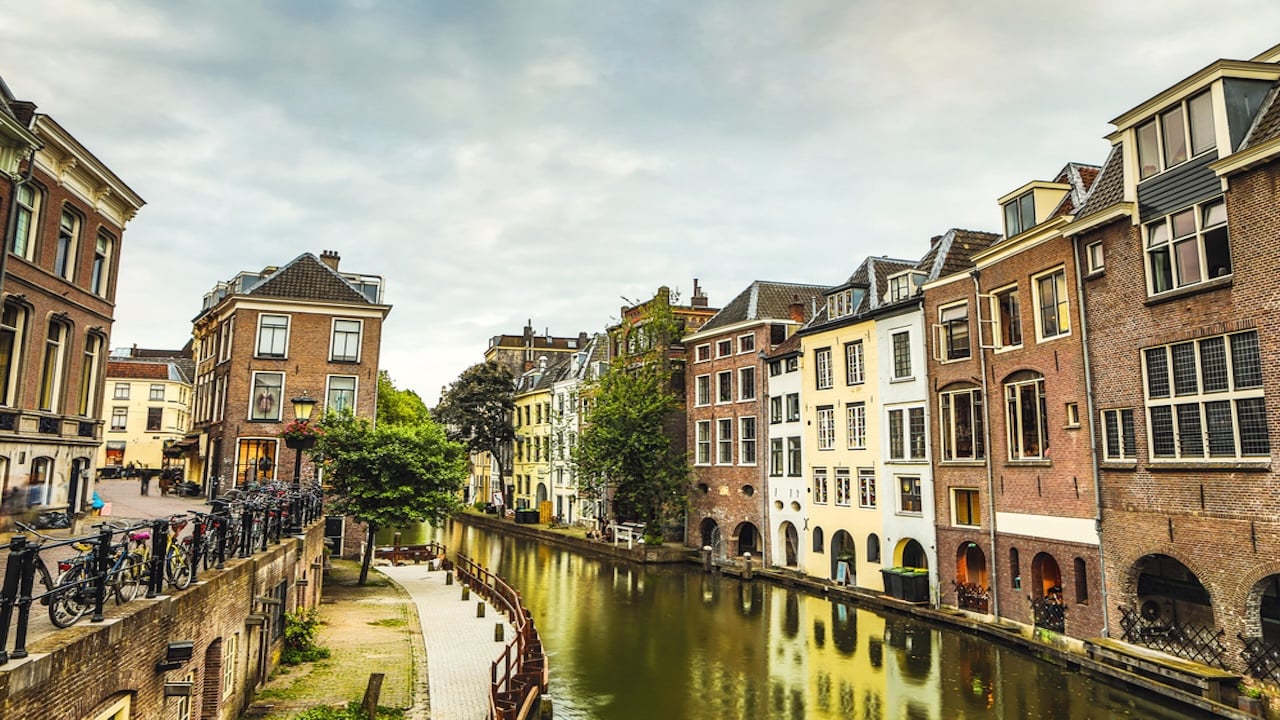
In the Netherlands, English doesn’t feel like a “tourist-only” option, it feels built into daily life. In Amsterdam, Rotterdam, Utrecht, and The Hague, you’ll often be greeted in English before you even ask, especially in cafés, shops, and hotels. And when you do start speaking English, people usually switch instantly and effortlessly, like it’s the most normal thing in the world.
What really makes it easy is the way the country is set up for international visitors. Menus, museum guides, transit info, and signage are commonly available in English, and staff in tourist-facing jobs are usually comfortable answering more than just basic questions. If you need directions, help buying a train ticket, or a quick recommendation, chances are you’ll get a clear answer without any awkward back-and-forth.
Still, learning a couple of Dutch words is an easy win. A quick “Dank je wel” (thank you) or “Hallo” gets smiles and makes you feel more connected to the place. But if you arrive knowing only English, you’ll be more than fine, you’ll probably be surprised by how smooth everything feels.
Sweden

Sweden is one of those countries where English fluency isn’t just decent, it’s genuinely strong. In Stockholm, Gothenburg, Malmö, and plenty of smaller towns, people often speak English with confidence, clear pronunciation, and zero hesitation. You can ask detailed questions, make small talk, and handle unexpected situations without feeling like you’re forcing someone into a language they don’t want to use.
A big part of that is education and media exposure, but it also comes down to culture. Sweden is used to international students, global business, and tourism, so English is practical, not performative. You’ll see English in museums, attractions, and many restaurants, and in tourist-heavy areas it’s almost assumed you’ll be able to communicate that way.
Sweden can feel a bit reserved at first, but don’t confuse that with unfriendliness. If you need help, people usually step in and explain things properly, no rushed gestures, no confusing half-sentences. And if you try a Swedish “tack” (thanks), it’s the kind of small effort that often makes interactions warmer.
Denmark

Denmark, especially Copenhagen, makes travel feel easy. English is widely spoken, and it’s common to have full conversations with locals without anyone stumbling. Whether you’re ordering food, asking about public transport, or chatting with hotel staff, English works smoothly and naturally.
It helps that Denmark is extremely tourist-friendly in the way it presents information. Museums, attractions, and transit systems often have English options baked in, and staff are used to helping international visitors without making it a big deal. Even outside Copenhagen, English tends to hold up well in towns and popular travel spots.
The vibe is also very no-pressure. People don’t act annoyed if you don’t know Danish, and they’re usually practical about communication, whatever gets the job done. If you learn “tak” (thanks) and “hej” (hi), you’ll feel instantly more at home, but you won’t need much more than English to get around confidently.
Norway

Norway is another place where English is so common that you’ll rarely feel stuck. In Oslo, Bergen, Trondheim, and even smaller communities, especially those connected to tourism, English is widely spoken and generally strong. It’s the kind of country where you can ask for help and actually get a detailed answer, not just a point in a direction.
Travel logistics in Norway also tend to be straightforward for English speakers. Public transport systems, tour operators, and many official websites offer English, and most tourist infrastructure assumes international visitors. If you’re doing fjords, hiking routes, or scenic train trips, you’ll usually find English information available without needing to hunt for it.
Norway can be pricey, but language won’t be the thing that slows you down. You can comfortably plan, book, and navigate in English, which makes it a great choice if you want an “adventure trip” without the stress of communication barriers. And if you drop a quick “takk,” it’s always appreciated.
Ireland
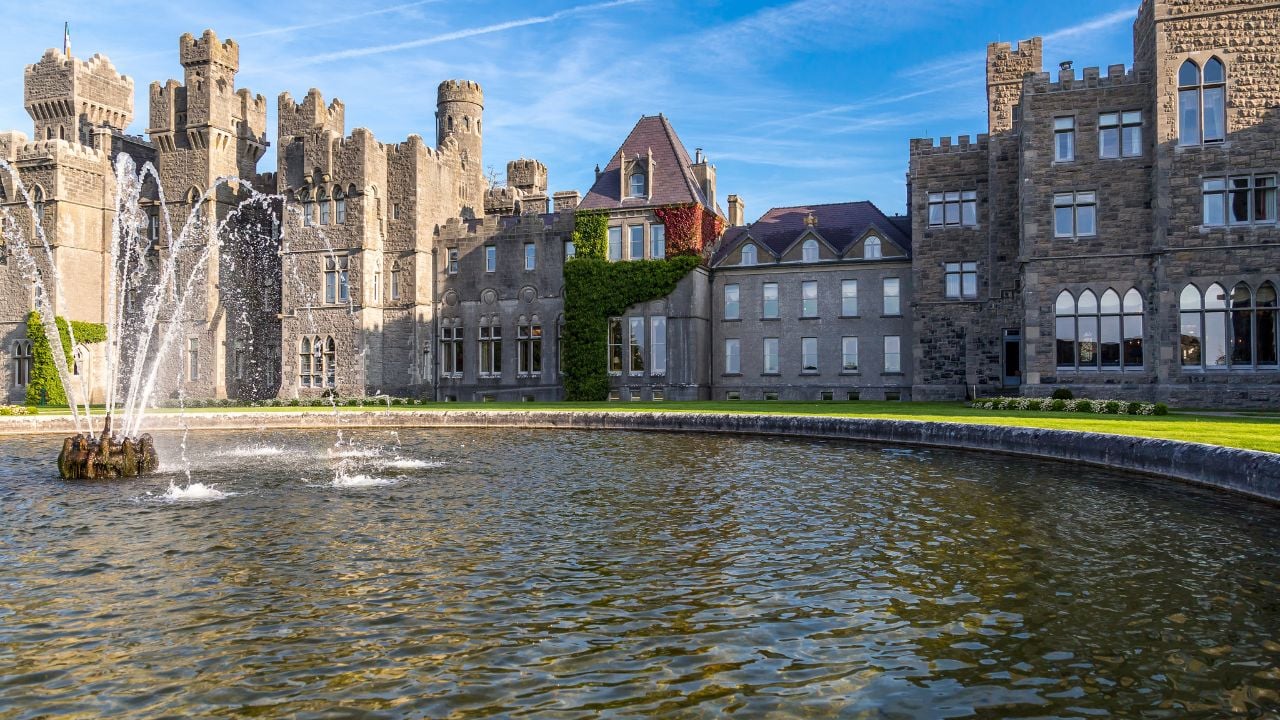
Ireland is basically made for English-first travelers, because, well, you’re already speaking the language. That alone removes a ton of friction, especially if you’re the kind of person who likes to ask questions, chat with locals, or get recommendations that aren’t just the top three tourist spots.
In Dublin, Cork, Galway, and smaller towns, the bigger challenge won’t be language, it’ll be keeping up with the speed of a lively conversation or catching every word when accents get thick. But even then, people are usually warm and quick to repeat themselves, explain, or help you out without making you feel awkward about it.
What makes Ireland especially easy is how naturally English fits into every travel moment: signage, transport info, menus, museums, tours, there’s no “translation layer” you have to push through. That means you can spend more time enjoying the place itself: coastal drives, castles, pub music, and those unexpectedly beautiful stretches of countryside that make you want to pull over every five minutes.
United Kingdom

The UK is another obvious one, but it belongs on the list because it’s not just London, English makes travel easy everywhere from Edinburgh to Manchester to smaller towns in Cornwall. You can jump on trains, book tickets, ask for directions, and handle any practical situation without that constant little stress of “Did I say that right?”
London, in particular, is incredibly international, so the city is built to support visitors. Museums are straightforward, transit announcements are clear, and anything tourist-facing will be used to answering questions quickly. Even if you’re exhausted and running on airport coffee, you’ll still feel capable navigating the basics.
The only thing that occasionally throws travelers isn’t language, but local phrasing. “Queue” instead of line, “loo” instead of bathroom, “cheers” meaning both thanks and goodbye, small stuff, but it can catch you off guard the first day. Once you adjust, the UK becomes one of the most low-effort places to travel if you want the full Europe vibe with zero language barrier.
Malta

Malta is one of Europe’s best-kept “easy travel” secrets for English speakers. English is an official language here, alongside Maltese, and you’ll hear it constantly, at hotels, restaurants, tourist sites, and on tours. You can comfortably handle everything from checking in to asking about bus routes without needing a translation app.
What’s great is that Malta still feels distinctly Mediterranean. You get the sunshine, the sea, the limestone cities, and the slow, coastal rhythm, without the stress of trying to communicate in a language you don’t know. It’s a rare combo: relaxed island energy with English-language ease.
Malta also works well for travelers who like variety. You can do historic Valletta, beach days, boat trips, and quick escapes to Gozo, all while feeling like logistics are simple. If you want a warm-weather Europe trip where you’re not constantly translating menus, Malta is a very safe bet.
Portugal

Portugal isn’t an English-speaking country, but it’s one where English usually carries you surprisingly far—especially in Lisbon, Porto, and the Algarve. In tourist areas, English is common, and in many restaurants and hotels, staff are comfortable switching without hesitation.
Part of Portugal’s appeal is that it’s friendly in a very human way. Even when someone doesn’t speak perfect English, they often try, and they try with patience. That matters, because it means you don’t feel judged for not knowing Portuguese. You feel like people want you to have a good experience, and they’ll meet you halfway.
English also shows up in practical places more than you might expect: tour desks, transit counters, popular attractions, and plenty of menus. If you learn a few basics, “obrigado/obrigada” for thank you, your interactions get even warmer. But overall, Portugal is one of the easiest non-English countries in Europe to travel through confidently.
Germany
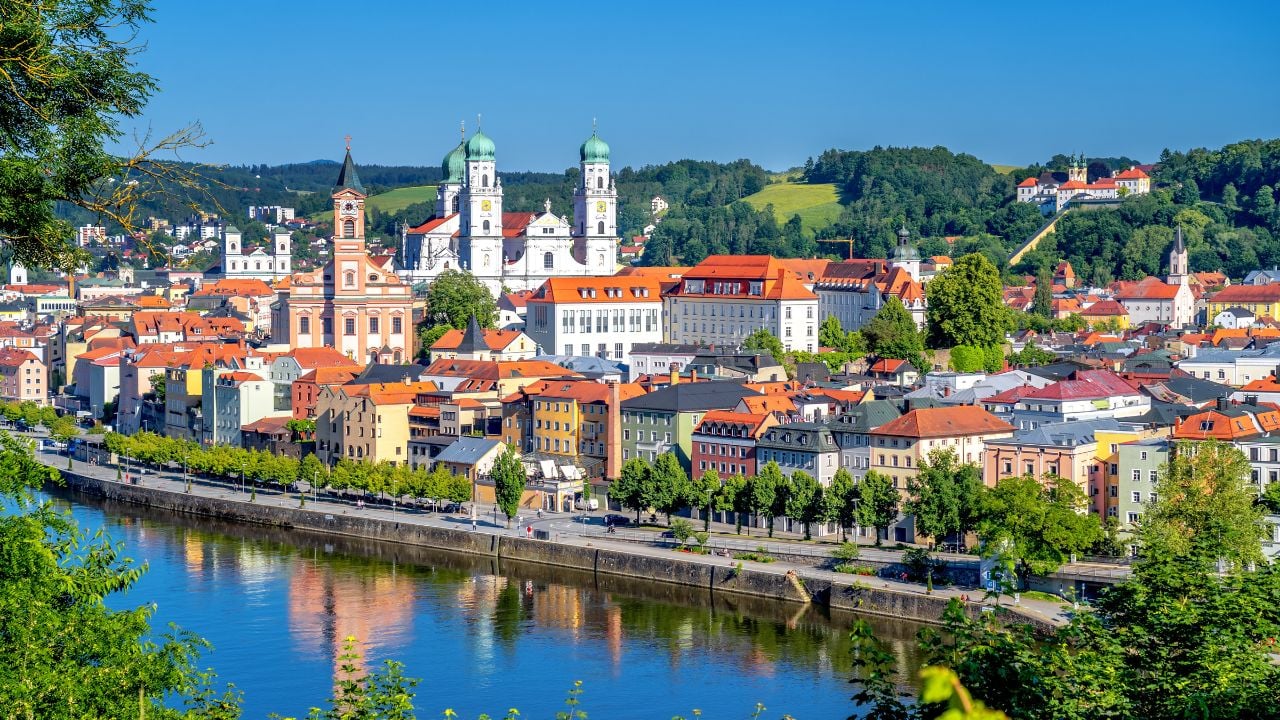
Germany is generally very comfortable for English speakers, particularly in major cities like Berlin, Munich, Hamburg, Frankfurt, and Cologne. In international neighborhoods, tourist areas, and anything connected to business or universities, English is widely spoken, and you can handle most situations without needing German.
Berlin is especially easy because it’s so international that English feels like part of the city’s daily soundtrack. But even beyond Berlin, you’ll often find that younger Germans and people working in hospitality speak English well, and signage in transport hubs is usually clear enough to keep you moving.
That said, smaller towns can be a mixed bag, and you’ll occasionally run into someone who prefers German. The good news is that Germany is efficient: even if a conversation is brief, you’ll usually get the information you need. And if you throw in a polite “Hallo” and “Danke,” things tend to go smoothly.
Austria

Austria, especially Vienna and Salzburg, tends to be very English-friendly for travelers. You’ll find English spoken in hotels, cafés, museums, and popular attractions, and it’s usually enough to comfortably order, ask questions, and navigate public transport without stress.
Vienna feels particularly easy because the city is so used to tourism and international visitors. Museum staff often switch to English immediately, and many places offer English guides, audio tours, and printed materials. Even if you’re traveling at a slower pace, you’ll feel like the city meets you where you are.
Outside the big cities, English is still common in tourist-heavy regions, especially in areas connected to skiing and alpine tourism. If you’re exploring lakes, mountains, and cute villages, you’ll typically be fine, especially if you keep your requests simple and polite. Austria is one of those places where a little effort goes a long way, but English still does most of the heavy lifting.
Switzerland
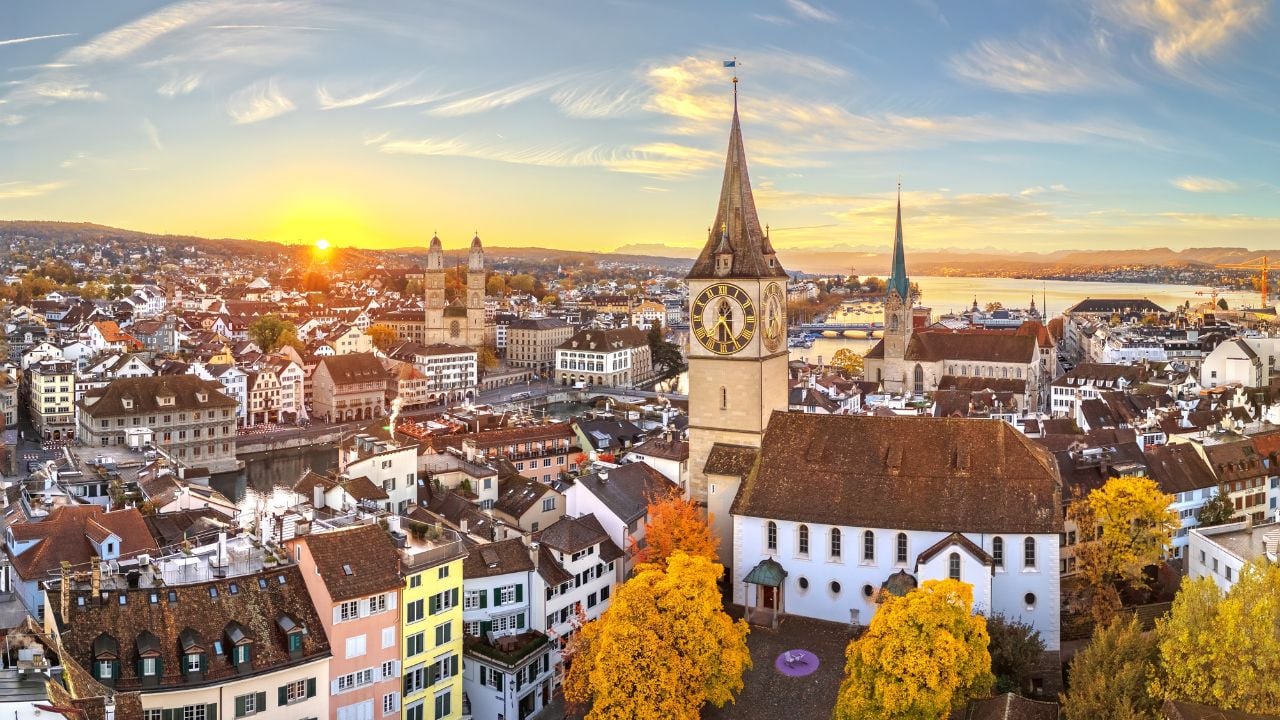
Switzerland has multiple official languages, which means people are used to switching languages as part of daily life. That’s good news for English speakers, because English often becomes the neutral middle ground, especially in tourist areas, major cities like Zurich and Geneva, and the places travelers love most: the Alps, scenic train routes, and resort towns.
In practical terms, English works well for travel logistics. Hotels and attractions are prepared for international visitors, and you’ll often see English available on signs, schedules, and booking platforms. If you’re taking trains (and you probably will), Switzerland’s transit systems are generally easy to navigate even if you never speak a word of German or French.
The main “challenge” in Switzerland isn’t language, its cost. But communication-wise, it’s one of the smoothest countries to visit. You can ask questions, get help, and plan your day without feeling like you’re constantly translating, and that makes Switzerland feel surprisingly relaxed for such a high-end destination.
Iceland

Iceland is one of the easiest countries in Europe for English speakers, full stop. In Reykjavík, at tourist sites, and along common road-trip routes, English is everywhere, spoken confidently and used in signage, menus, tours, and travel services.
Iceland’s tourism industry is built around international visitors, and staff are used to explaining things clearly, whether it’s directions, weather safety, tour details, or local tips. If you’re renting a car and doing the Ring Road or Golden Circle, you’ll find that most practical info is accessible without struggling through a language barrier.
The country can feel remote and wild, but English makes it feel manageable. That’s a powerful combo: dramatic landscapes without the communication stress. You can focus on the fun part, waterfalls, black sand beaches, geothermal pools, without worrying that you’ll get stuck trying to explain something basic.
Greece

Greece is very English-friendly in the places most travelers go, Athens, the islands, and major tourist towns. In restaurants, hotels, ferry ports, and tour desks, English is commonly spoken, and even when it’s not perfect, communication usually works because people are used to visitors and willing to help.
Athens in particular has plenty of English signage around big attractions, and tourism staff are generally comfortable answering questions. On islands like Santorini, Mykonos, Crete, and Rhodes, English becomes even more common because the tourism economy runs on it. Ordering food, booking activities, and getting directions is typically straightforward.
If you go deeper into smaller, less touristy areas, you might hit more language gaps, but even then, you can usually get by with simple phrases and polite patience. Greece is the kind of place where warmth covers a lot: people try, you try, and somehow it works. And honestly, the moment you’re eating fresh seafood by the water, you won’t care that your Greek vocabulary is basically “hello” and “thank you.”
Finland

Finland consistently ranks as one of the strongest English-speaking countries in Europe among non-native speakers, and travelers feel that immediately. In Helsinki and other cities, English is common in cafés, shops, museums, and public services, and people often speak it clearly and confidently.
Finnish is famously difficult for outsiders, which might sound intimidating, but the reality is that you don’t need it to travel comfortably. Many Finns switch to English quickly and efficiently, and you’ll often find English translations on signs, menus, and transit systems in urban areas.
Finland’s communication style is also refreshingly straightforward. People might not do the super chatty small-talk thing, but if you ask for help, you’ll usually get a direct, useful answer. That makes Finland feel calm and easy to navigate, perfect if you want a Nordic trip where English truly gets you by “just fine.”