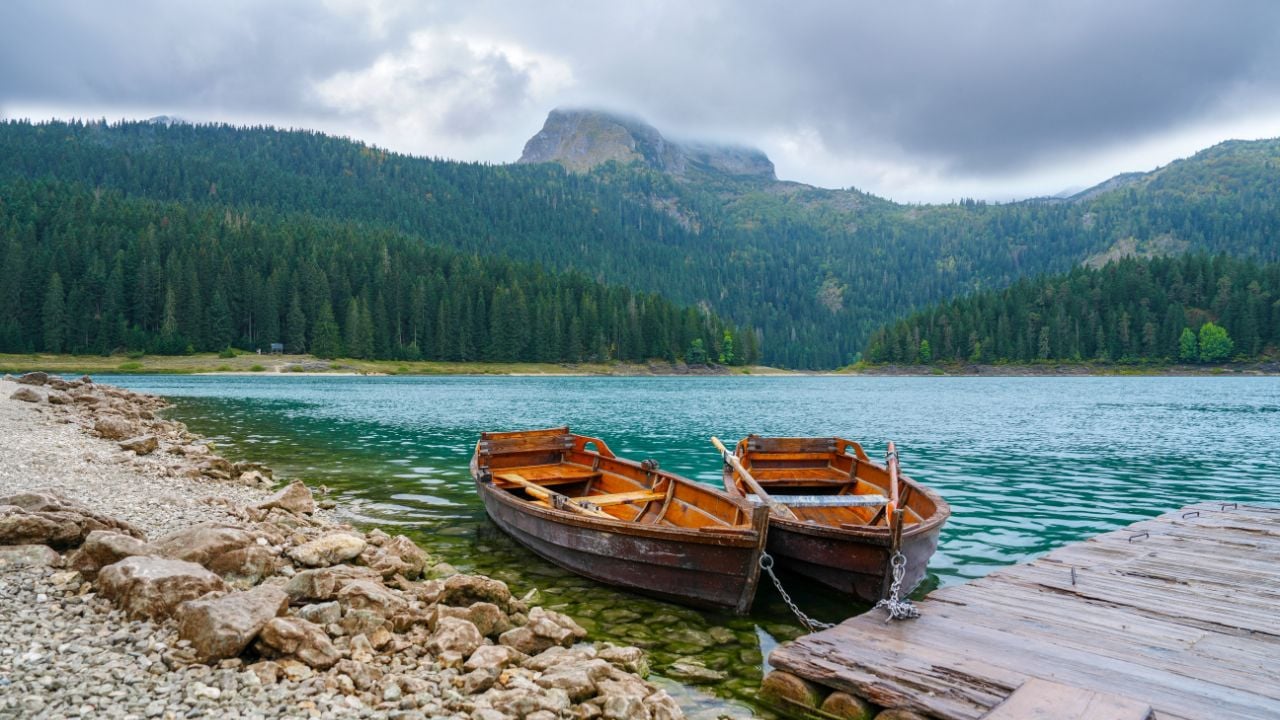
Traveling as an American in Europe often comes with unexpected advantages, especially in countries where U.S. culture, tourism, and investment are genuinely appreciated. In many parts of the continent, Americans are viewed as friendly, generous, and curious visitors, which often translates into warmer service, extra attention, and subtle perks that make travel feel effortless. While Europe is known for its diversity, certain countries stand out for how welcoming and accommodating they are toward American travelers. These destinations consistently offer smoother experiences, stronger hospitality, and a sense of being genuinely valued.
Beyond tourism, Americans are often associated with economic contribution, cultural exchange, and long stays, which many European countries actively encourage. From restaurants and hotels to landlords and local communities, Americans frequently receive preferential treatment simply because of their reputation as respectful and enthusiastic visitors. Language familiarity, shared media, and historical ties further strengthen these connections. In the countries below, being American often feels like having a quiet VIP pass.
Portugal

Portugal is widely regarded as one of the most welcoming countries in Europe for Americans, both tourists and expats alike. Locals are known for their warmth, patience, and eagerness to help, especially when they hear an American accent. English is spoken fluently across much of the country, making communication effortless even outside major cities. Service staff often go out of their way to ensure Americans feel comfortable and informed.
Restaurants and cafés frequently provide more attentive service to American visitors, including menu explanations and personalized recommendations. Landlords and real estate agents tend to view Americans as reliable, long-term tenants, which can lead to smoother rental experiences. In hotels and guesthouses, Americans are often offered room upgrades or extra amenities without asking. The hospitality feels genuine rather than transactional.
Portugal’s growing American expat community has also strengthened this positive perception. Locals are accustomed to Americans settling in Lisbon, Porto, and coastal towns, which creates a sense of familiarity rather than suspicion. Bureaucratic processes are often more flexible and accommodating toward Americans than expected. Portugal consistently delivers an experience that feels welcoming, respectful, and quietly privileged.
Italy
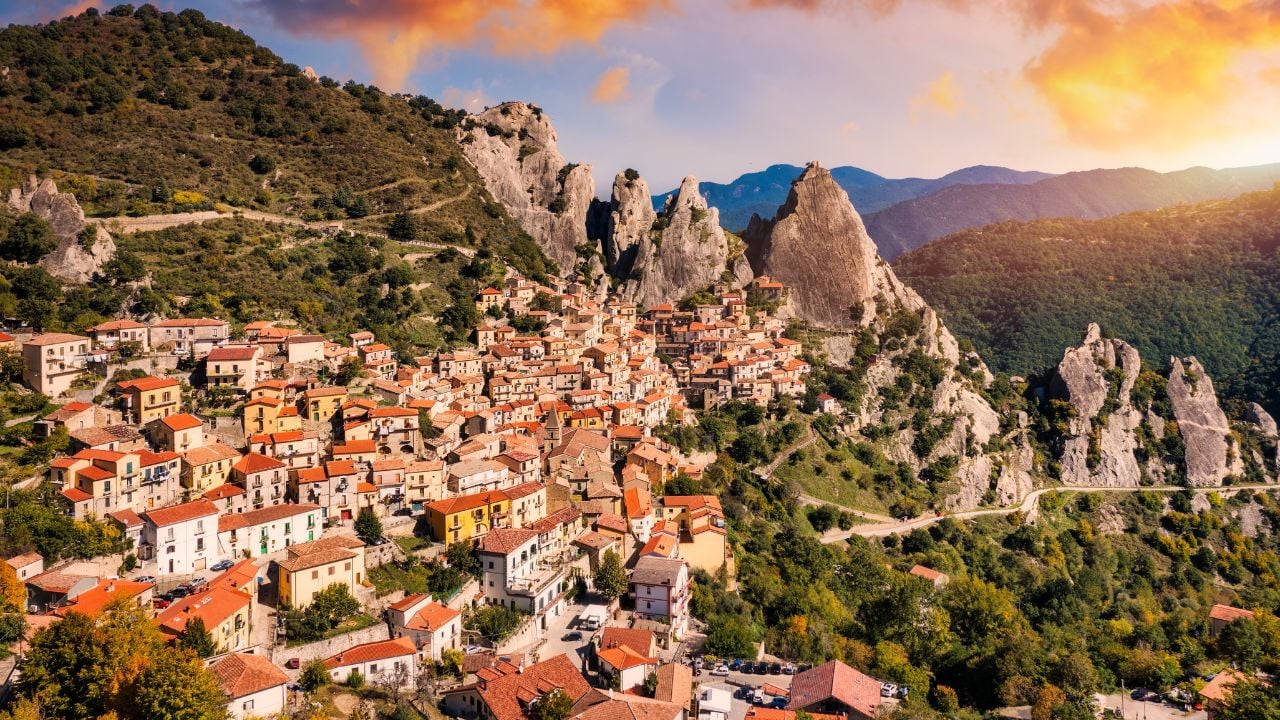
Italy holds a long-standing fascination with American culture, which often translates into especially warm treatment for American visitors. Many Italians associate Americans with enthusiasm, curiosity, and a genuine love for Italian food, history, and traditions. This appreciation frequently results in friendlier conversations and more engaging service. Americans are often welcomed as guests rather than just tourists.
In restaurants, Americans commonly receive extra attention, longer explanations of dishes, and occasional complimentary items like desserts or digestifs. Shop owners and local guides tend to be more conversational and accommodating when they realize someone is American. Hotels often make an extra effort to personalize the stay, especially in smaller towns. These gestures create a feeling of being genuinely appreciated.
Italy’s strong cultural exports to the U.S. have built a sense of connection that locals recognize immediately. Many Italians enjoy practicing English with Americans, making interactions smoother and more relaxed. Americans are also perceived as generous tippers, which subtly enhances service quality. The result is a travel experience that feels warmer and more personal than expected.
Ireland

Ireland is famously friendly, but Americans often receive an even warmer reception due to deep historical and cultural ties. Many Irish people have family members in the United States, creating an immediate sense of familiarity. American accents frequently spark conversations rather than suspicion. Visitors often feel welcomed like distant relatives rather than strangers.
Pubs, cafés, and hotels tend to offer exceptionally friendly service to Americans, often with storytelling and humor added to the experience. Locals are quick to give directions, travel tips, and personal recommendations without being asked. Americans are often included in conversations and social settings with ease. The atmosphere feels open and inclusive.
Ireland’s strong appreciation for American tourism also plays a role in this treatment. Americans are seen as respectful visitors who take time to explore culture and history. Service providers often go above and beyond to ensure a positive experience. Ireland consistently makes Americans feel valued and at home.
Spain
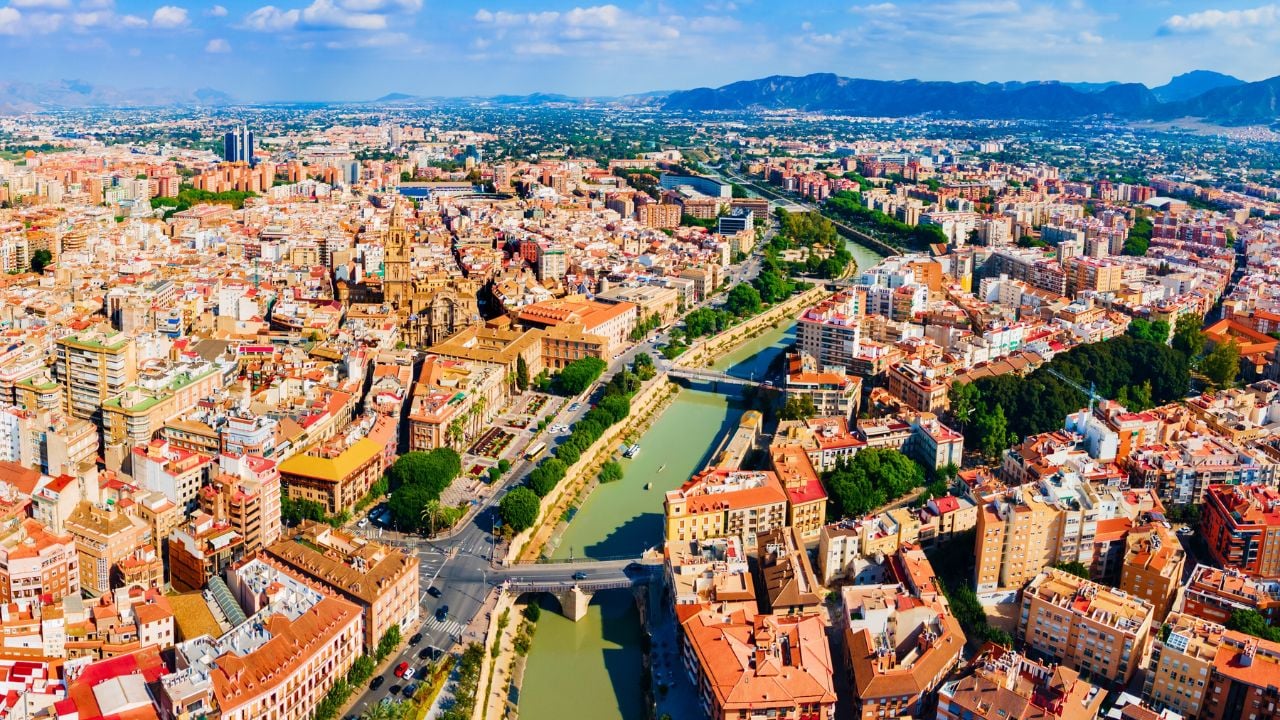
Spain offers Americans a relaxed yet enthusiastic welcome, particularly in cities and coastal regions. Locals generally view Americans as friendly, curious, and open-minded, which leads to warmer interactions. English is widely spoken in hospitality settings, making travel smooth and stress-free. Americans often find service more attentive than expected.
In restaurants and bars, staff are usually happy to explain menus, recommend local dishes, and adjust meals to preferences. Americans are often given extra patience and guidance, especially in smaller towns. Hotels frequently provide added assistance with transportation and sightseeing. These details combine to create a sense of priority treatment.
Spain’s tourism industry values American visitors for longer stays and higher spending patterns. This reputation encourages businesses to invest more effort in service quality. Cultural curiosity from Americans is often met with enthusiasm from locals. Spain delivers a welcoming experience that feels both relaxed and rewarding.
Greece

Greece is exceptionally welcoming to Americans, often treating them with warmth and genuine hospitality. Many Greeks admire American culture and view Americans as respectful travelers. English is spoken fluently in most tourist areas, eliminating common travel barriers. Visitors frequently feel immediately at ease.
In tavernas and family-run hotels, Americans are often treated like honored guests rather than customers. Complimentary drinks, desserts, or extended conversations are common. Locals enjoy sharing stories, traditions, and recommendations with American visitors. These moments create a deeply personal travel experience.
Greece’s positive view of Americans is reinforced by tourism and historical alliances. Americans are often perceived as generous and appreciative, which encourages attentive service. This mutual respect shapes interactions throughout the country. Greece offers a travel experience filled with warmth and subtle privileges.
Croatia
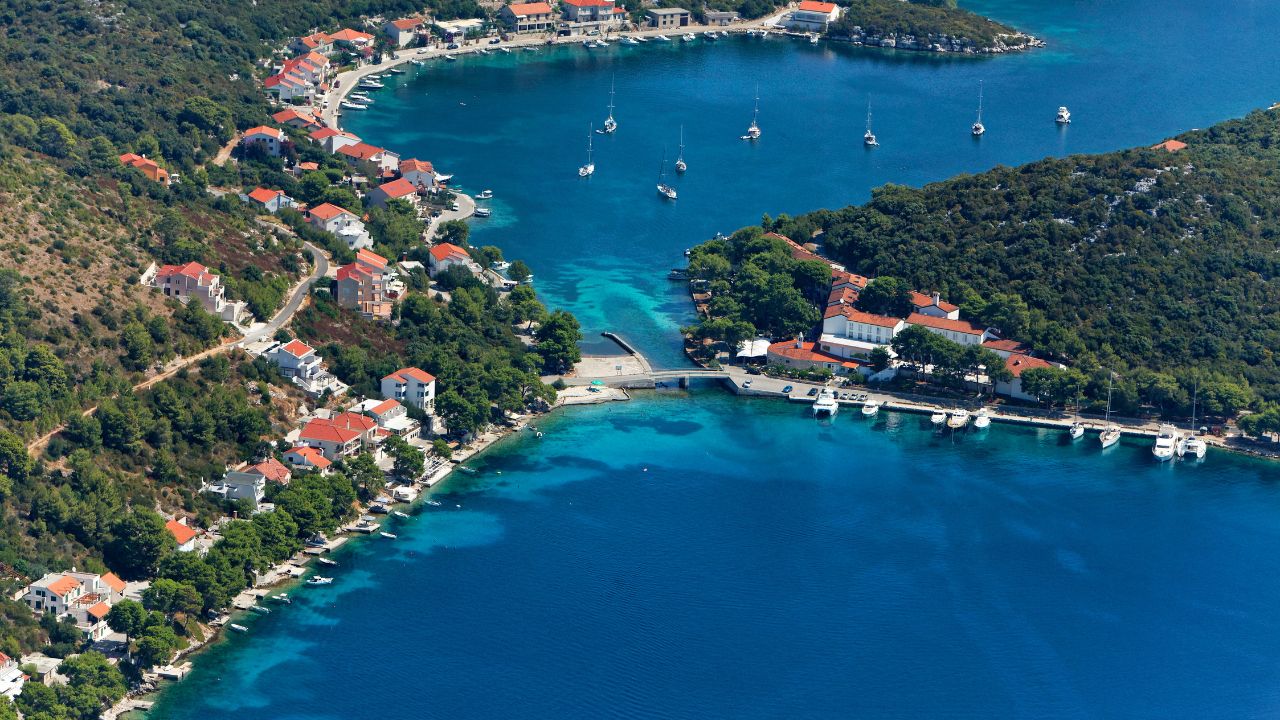
Croatia has developed a strong appreciation for American travelers in recent years. Locals often associate Americans with curiosity and respect for culture and nature. English proficiency is high, especially along the coast and in historic cities. Americans frequently experience seamless communication.
Hotels and tour operators often provide personalized attention to American guests. Restaurant staff are attentive and willing to explain regional cuisine in detail. Locals are generally eager to help with directions or travel advice. The service feels thoughtful rather than rushed.
Croatia’s tourism economy values Americans as long-stay visitors who explore beyond major hotspots. This reputation results in consistently positive treatment. Americans often feel welcomed rather than processed. Croatia delivers comfort, beauty, and hospitality with ease.
Hungary
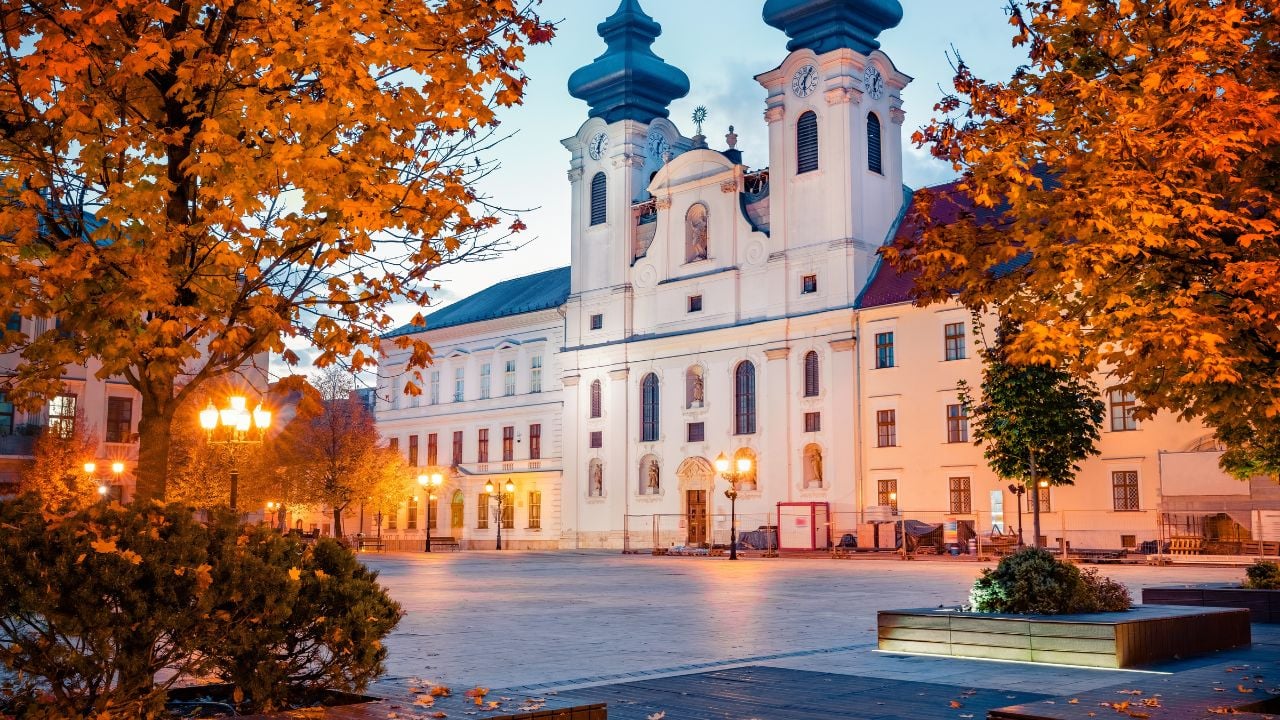
Hungary, particularly Budapest, is surprisingly welcoming to Americans. Locals tend to view Americans as interesting and friendly visitors. English is widely spoken in service industries, reducing friction for travelers. Interactions are typically polite and engaging.
Hotels and cafés often provide extra assistance and detailed recommendations to American guests. Service staff are patient and accommodating, especially when explaining local customs. Americans often receive attentive service without needing to ask. This creates a relaxed and positive travel environment.
Hungary values American tourism and cultural exchange. Americans are perceived as respectful and appreciative of history and architecture. This perception influences service quality throughout the country. Hungary offers an unexpectedly VIP-feeling experience.
Czech Republic

The Czech Republic, especially Prague, treats American visitors with noticeable friendliness. Locals are accustomed to Americans and often enjoy interacting with them. English is widely spoken, making navigation and communication simple. Americans often feel immediately comfortable.
Restaurants and hotels tend to offer attentive and efficient service. Staff are happy to explain dishes, beer selections, and local traditions. Americans are often given extra guidance and recommendations. The experience feels smooth and welcoming.
Americans are viewed as enthusiastic travelers who value culture and history. This reputation positively influences service standards. Visitors often feel appreciated rather than tolerated. The Czech Republic delivers consistent hospitality and ease.
Poland

Poland has a notably positive perception of Americans, rooted in historical alliances and cultural admiration. Locals often express genuine warmth and respect toward American visitors. English is commonly spoken in cities and tourist areas. Americans rarely feel like outsiders.
Hotels and restaurants frequently offer friendly and attentive service. Locals are eager to help with directions, travel tips, and cultural insights. Americans often experience patience and understanding in everyday interactions. This creates a comfortable travel atmosphere.
Poland values American tourism and investment. Americans are often seen as respectful and appreciative guests. This perception leads to positive treatment across services. Poland feels welcoming and refreshingly genuine.
Romania
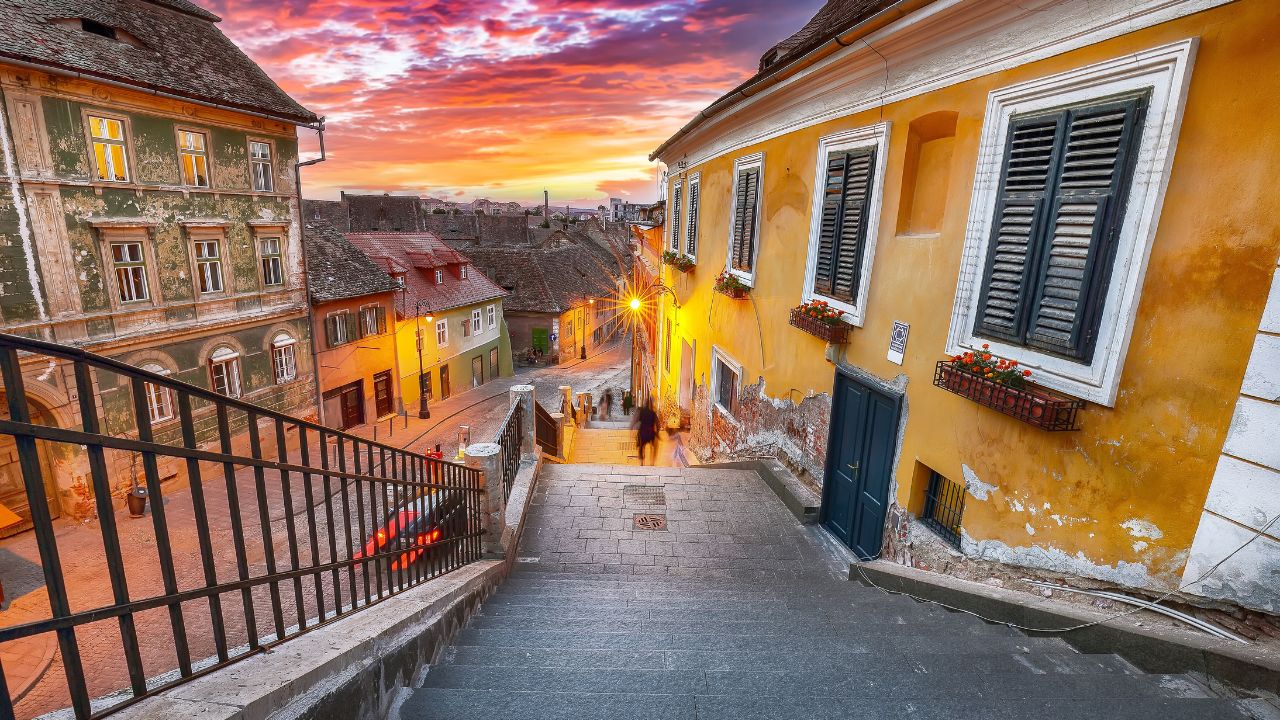
Romania is one of Europe’s most underrated destinations for American travelers. Locals often view Americans with curiosity and admiration. English is widely spoken among younger generations and service workers. Interactions are friendly and open.
Hotels and guesthouses frequently provide personalized service to American guests. Restaurant staff are patient and eager to explain traditional dishes. Locals often go out of their way to assist visitors. The hospitality feels sincere.
Americans are associated with opportunity and cultural openness. This perception shapes a welcoming attitude throughout the country. Romania offers warmth, value, and surprising VIP treatment. It feels authentic and generous.
Montenegro

Montenegro treats American visitors with exceptional friendliness, especially along the coast. Locals appreciate American interest in their culture and landscapes. English is widely spoken in tourism settings. Communication is rarely an issue.
Hotels and tour operators often provide extra attention to American guests. Restaurants are welcoming and relaxed, encouraging conversation. Americans frequently feel prioritized without overt favoritism. The service feels natural.
Montenegro values American tourism for its economic and cultural impact. Americans are seen as respectful and curious travelers. This perception enhances service quality. Montenegro delivers warmth and ease in a stunning setting.
Albania
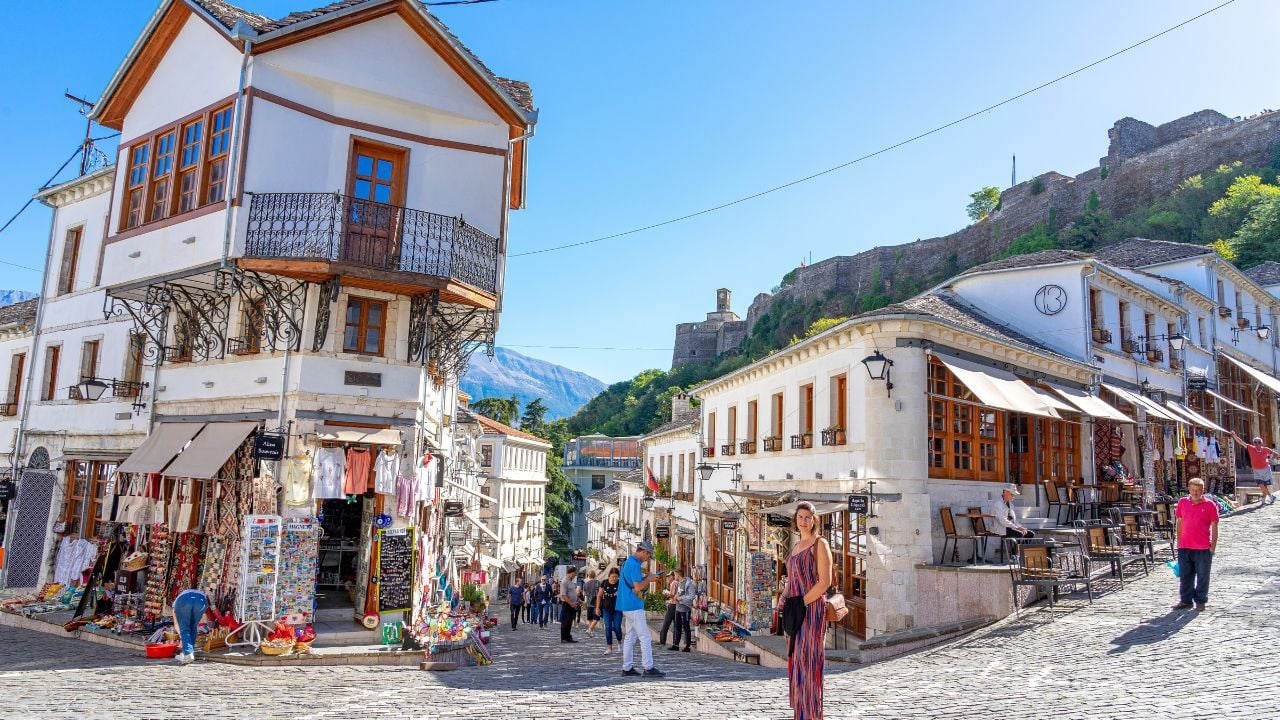
Albania is famously pro-American, often displaying visible admiration for the United States. Americans are treated with genuine enthusiasm and respect. English is widely spoken among younger Albanians. Visitors frequently feel instantly welcomed.
Restaurants and hotels often go above and beyond for American guests. Locals are eager to help, share stories, and offer recommendations. Americans often receive exceptional hospitality without expecting it. The warmth feels heartfelt.
Albania’s positive view of Americans is deeply cultural and historical. This translates into consistently friendly treatment across the country. Visitors feel appreciated and respected. Albania offers one of Europe’s most welcoming experiences for Americans.