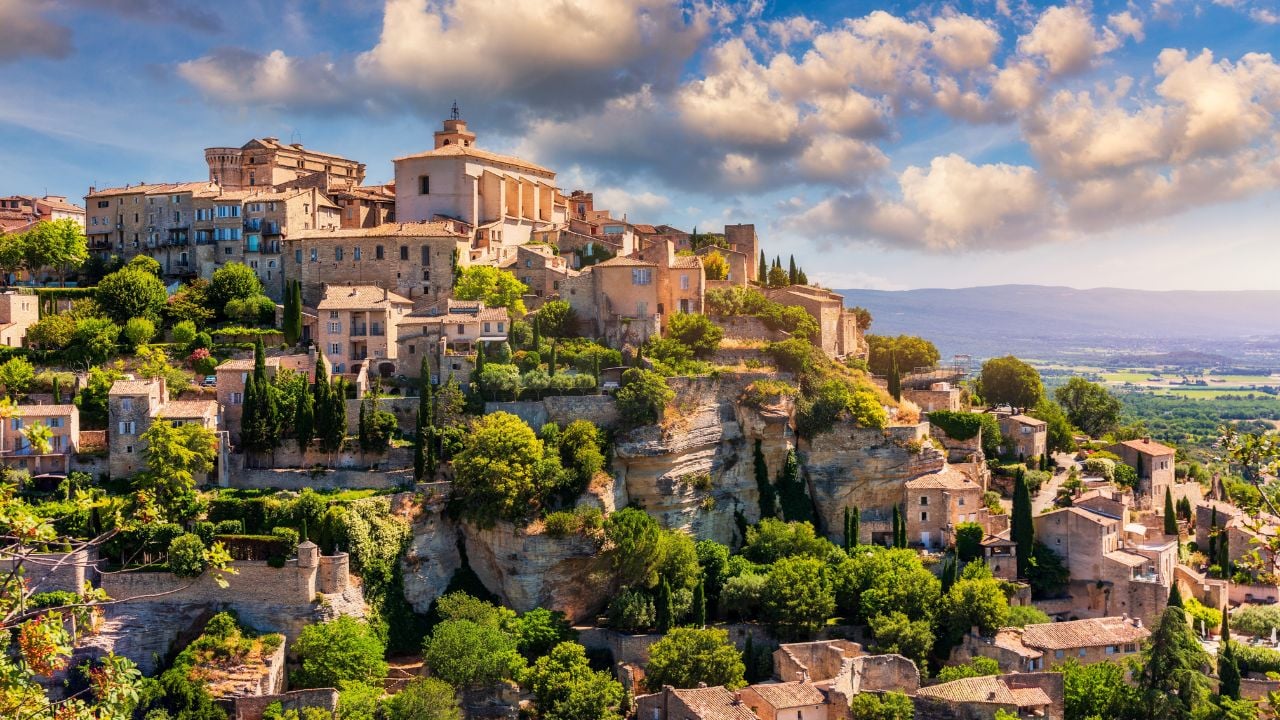
As many European countries face shrinking populations, aging communities, and labor shortages, governments and local municipalities have begun offering financial incentives to attract new residents. These programs are designed to revive small towns, stimulate local economies, and preserve cultural heritage that is at risk of disappearing. For individuals willing to relocate, especially remote workers, families, and entrepreneurs, these offers can provide a unique opportunity to start a new life abroad with financial support. While requirements vary, many programs are surprisingly accessible and offer more than just money.
The incentives range from direct cash payments and housing grants to tax breaks, relocation bonuses, and business subsidies. In many cases, the cost of living in these areas is already significantly lower than in major European cities, making the financial support even more impactful. These countries often offer high quality of life, strong public services, and beautiful natural surroundings. Moving incentives are not just about money, but about joining communities that genuinely want new residents.
Below are eleven European countries that actively offer financial incentives to encourage people to move, settle, and contribute to local life. Each destination comes with its own lifestyle, climate, and cultural appeal. Some focus on rural villages, while others target entrepreneurs or skilled workers. Together, they show how Europe is creatively addressing demographic challenges.
Italy

Italy has gained international attention for its initiatives aimed at repopulating rural villages that have seen decades of decline. Many municipalities offer cash grants, housing subsidies, or even symbolic home purchases for a small fee to attract new residents. These programs often require participants to renovate abandoned properties or commit to living in the town for a certain number of years. The goal is to preserve historic villages while injecting new energy into local economies.
Financial incentives vary by region but can reach tens of thousands of euros when renovation grants and relocation bonuses are combined. In some areas, families with children receive additional support to encourage long-term settlement. The cost of living in small Italian towns is significantly lower than in cities like Rome or Milan. Daily life often includes affordable fresh food, strong community ties, and a slower pace of living.
Beyond financial benefits, Italy offers an unmatched cultural experience shaped by history, cuisine, and regional traditions. Residents enjoy access to public healthcare, walkable towns, and rich social life centered around local events. Many villages are located near mountains, coastlines, or vineyards, offering stunning scenery. For those seeking both beauty and opportunity, Italy remains one of the most attractive relocation options in Europe.
Spain
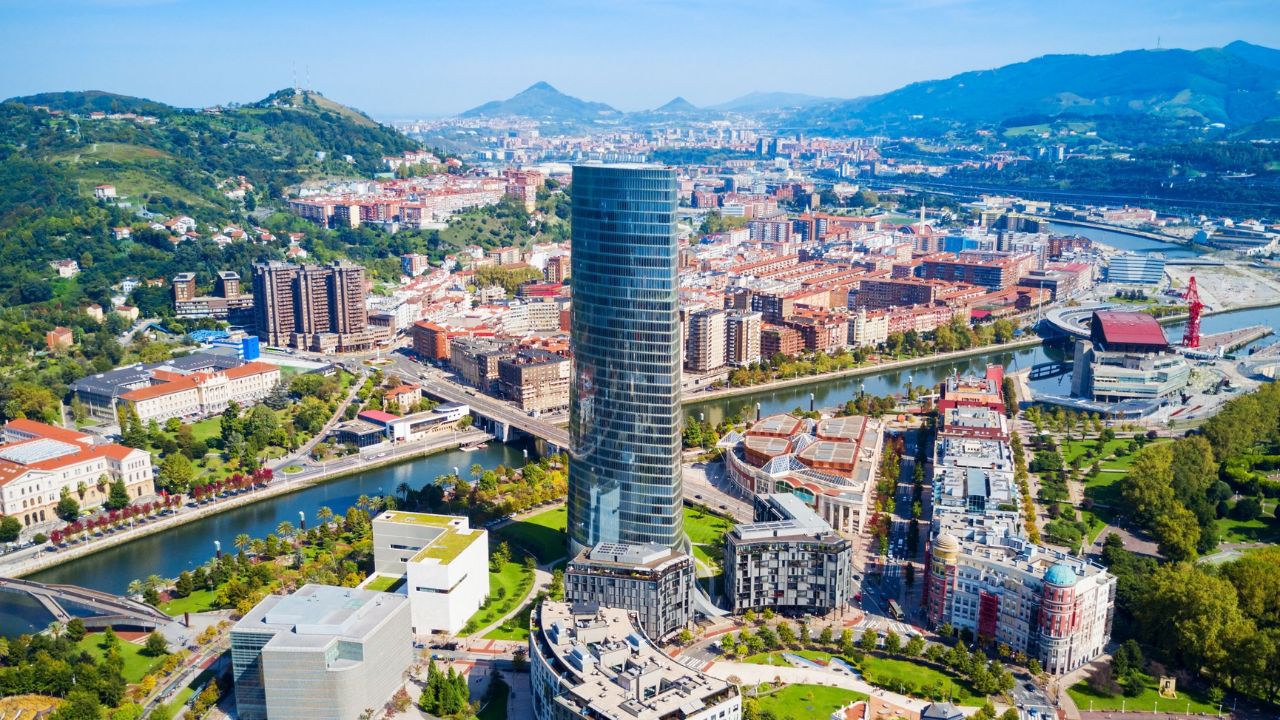
Spain has introduced several regional programs to combat rural depopulation, particularly in inland villages and smaller towns. Local governments offer relocation grants, housing assistance, and support for entrepreneurs willing to open businesses. These initiatives aim to revive communities that have lost younger generations to major cities. Some programs specifically target remote workers and families.
Financial incentives in Spain often include monthly stipends, reduced rent, or grants for starting small businesses. In certain regions, families receive additional bonuses for each child who moves with them. Living costs in rural Spain are notably low, especially for housing, utilities, and food. Combined with the country’s climate, this makes relocation particularly appealing.
Spain also offers a relaxed lifestyle, strong public healthcare, and excellent infrastructure even in smaller towns. Social life tends to be community-focused, with festivals, markets, and shared public spaces. The mild winters and warm summers add to everyday comfort. Spain’s balance of affordability, culture, and climate makes it a standout option.
Portugal

Portugal has actively encouraged migration to its less populated interior regions through financial incentives and tax benefits. Programs focus on attracting families, entrepreneurs, and professionals willing to relocate away from major coastal cities. Incentives often include relocation grants and reduced tax obligations. These efforts aim to rebalance population growth across the country.
The financial support may include direct payments for moving, housing subsidies, or business startup assistance. Living costs in inland Portugal are significantly lower than in Lisbon or Porto. Everyday expenses such as groceries, utilities, and transportation remain affordable. This makes the incentives even more impactful for long-term residents.
Portugal offers political stability, safety, and a high quality of life. The country is known for its welcoming culture and strong expat communities. Public healthcare and infrastructure are reliable and accessible. For those seeking affordability and comfort, Portugal remains a top destination.
Ireland

Ireland has launched initiatives focused on revitalizing remote islands and rural areas experiencing population decline. Some programs provide grants to renovate vacant homes or relocate permanently to designated areas. The government aims to preserve island communities while encouraging sustainable living. These incentives are part of broader regional development strategies.
Financial support often targets housing renovation rather than direct cash payments. Properties are available at low cost, with grants covering substantial portions of restoration expenses. Living costs outside major cities like Dublin are considerably lower. These areas offer peaceful surroundings and close-knit communities.
Ireland provides a strong sense of cultural identity, rich traditions, and natural beauty. Residents benefit from public healthcare and strong social services. The landscape offers coastlines, hills, and historic villages. For those who value community and nature, Ireland presents a compelling option.
Greece

Greece has introduced relocation incentives to encourage people to move to small islands and rural villages. These programs often include monthly stipends, housing assistance, and support for families. The focus is on maintaining local populations and supporting essential services. Many programs are designed for long-term settlement.
Financial incentives can include monthly payments for several years, along with subsidized housing. The cost of living in these areas is significantly lower than in tourist hotspots. Daily life remains affordable, especially when relying on local produce and services. These benefits create a stable foundation for new residents.
Greece offers a Mediterranean climate, strong community ties, and a slower pace of life. Public healthcare is available nationwide, even in smaller communities. Cultural traditions play a major role in daily life. Greece combines natural beauty with tangible financial support.
France

France offers regional incentives aimed at revitalizing rural areas suffering from population decline. Local governments provide grants, tax reductions, and housing support to attract new residents. These programs often focus on families and professionals willing to integrate into local communities. The goal is to preserve services and schools in small towns.
Financial support varies by region but can include relocation assistance and reduced property taxes. Housing costs in rural France are significantly lower than in Paris or coastal cities. Daily expenses remain manageable, particularly for food and transportation. This makes long-term living financially sustainable.
France offers high-quality healthcare, excellent infrastructure, and strong worker protections. Life in small towns emphasizes community, culture, and tradition. Residents enjoy access to nature, local markets, and historic architecture. France remains an appealing blend of support and lifestyle.
Germany
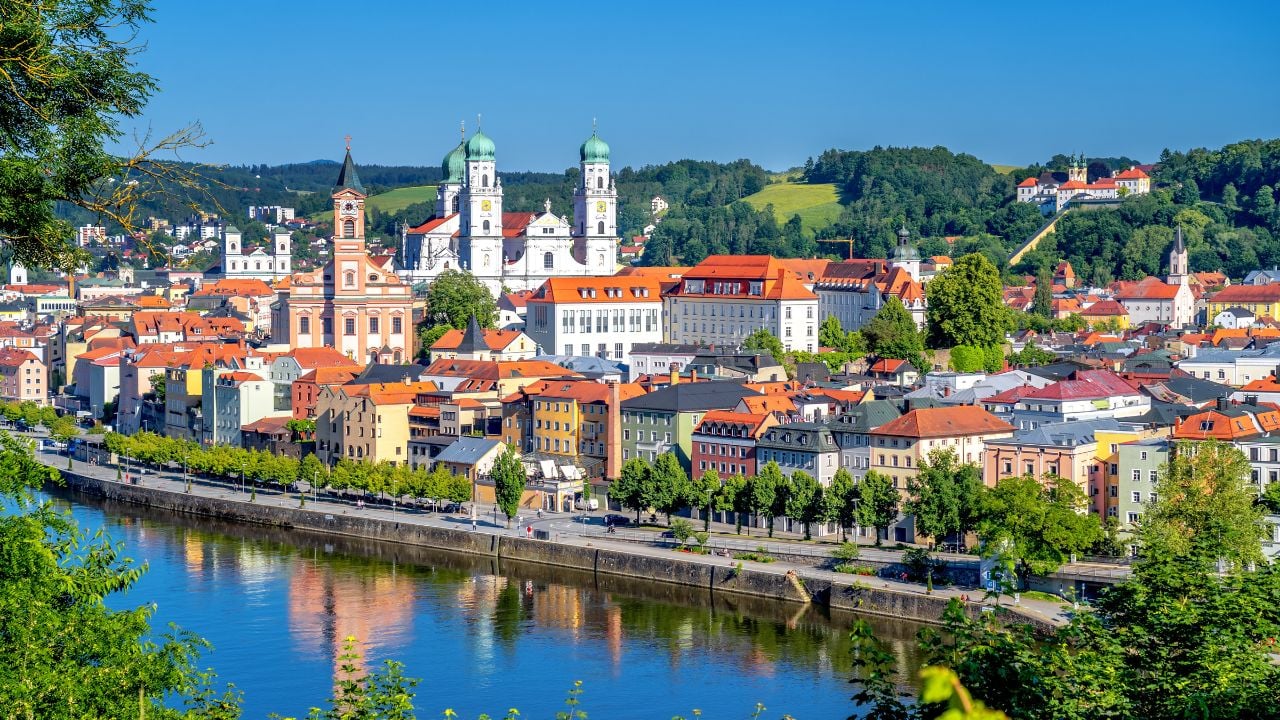
Germany provides incentives through regional programs aimed at attracting workers and families to less populated areas. These often include relocation bonuses, housing assistance, and support for skilled professionals. Local governments seek to address labor shortages and demographic imbalances. Programs are particularly strong in eastern regions.
Financial incentives may include moving grants and employment support. Living costs in smaller German towns are much lower than in major cities like Munich or Berlin. Public transportation and services remain highly efficient. This creates a strong value proposition for newcomers.
Germany offers economic stability, excellent healthcare, and strong social safety nets. Education and childcare systems are well-funded and accessible. Life is organized, predictable, and secure. Germany appeals to those seeking long-term stability.
Croatia
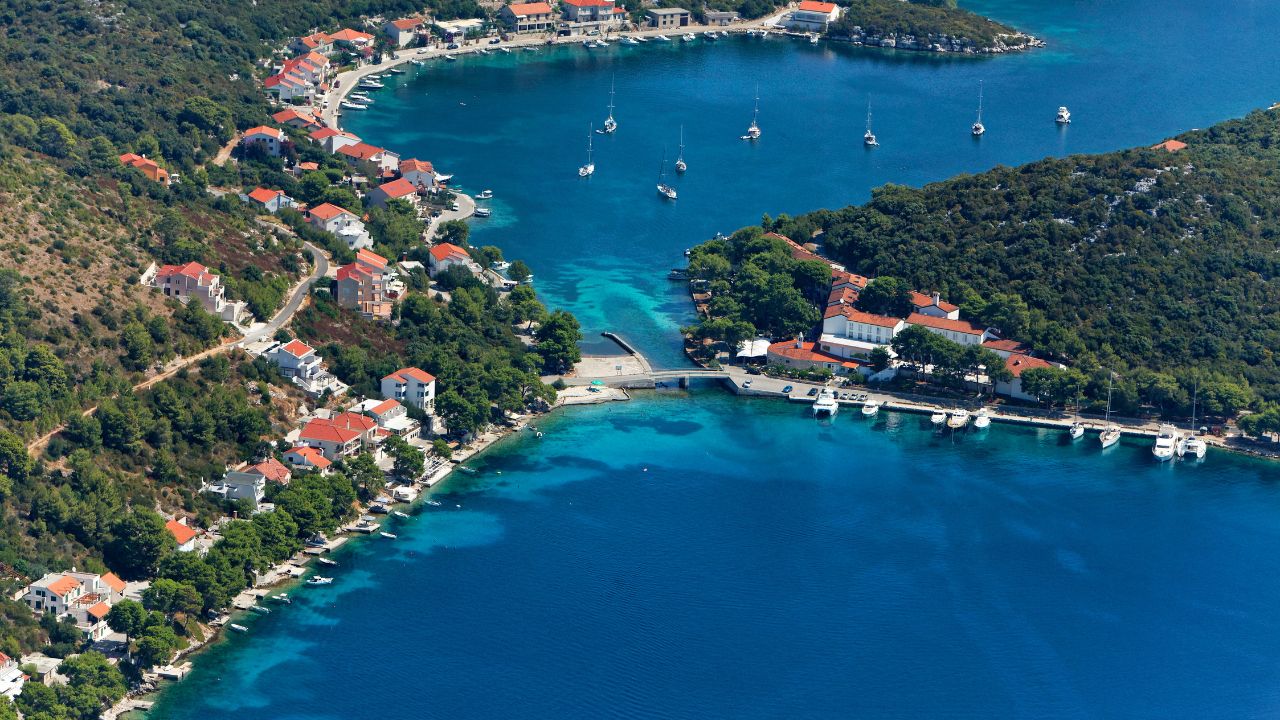
Croatia has introduced programs to encourage people to move to rural areas and smaller towns. Incentives include housing support, tax relief, and grants for families and entrepreneurs. These efforts aim to counteract migration to larger cities and abroad. Local governments actively promote relocation opportunities.
Financial support often focuses on housing and family assistance. The cost of living in inland Croatia is significantly lower than in coastal tourist areas. Daily expenses remain affordable year-round. This allows newcomers to build stable lives.
Croatia offers beautiful landscapes, from mountains to coastline. Public healthcare and infrastructure are widely available. Communities are tight-knit and welcoming. Croatia provides both affordability and natural beauty.
Switzerland
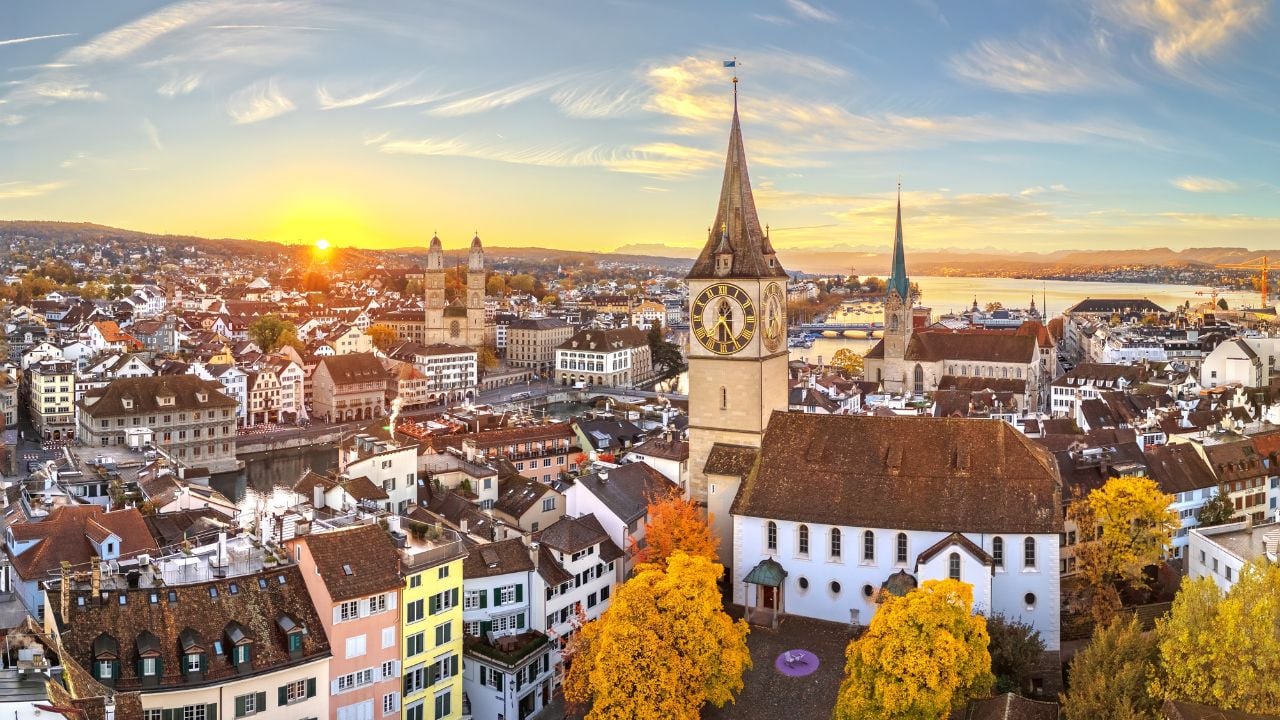
Switzerland has small municipalities that offer financial incentives to attract young families and professionals. These programs are designed to keep alpine villages alive and economically active. Incentives often focus on families with children. Long-term residency commitments are usually required.
Financial benefits can include cash payments spread over several years. Living costs in these villages are lower than in major Swiss cities. Local services and schools benefit directly from new residents. The incentives help offset Switzerland’s generally high costs.
Switzerland offers exceptional quality of life, safety, and public services. Nature is a defining feature, with mountains and clean environments. Education and healthcare systems rank among the best globally. Switzerland combines support with unmatched stability.
Austria
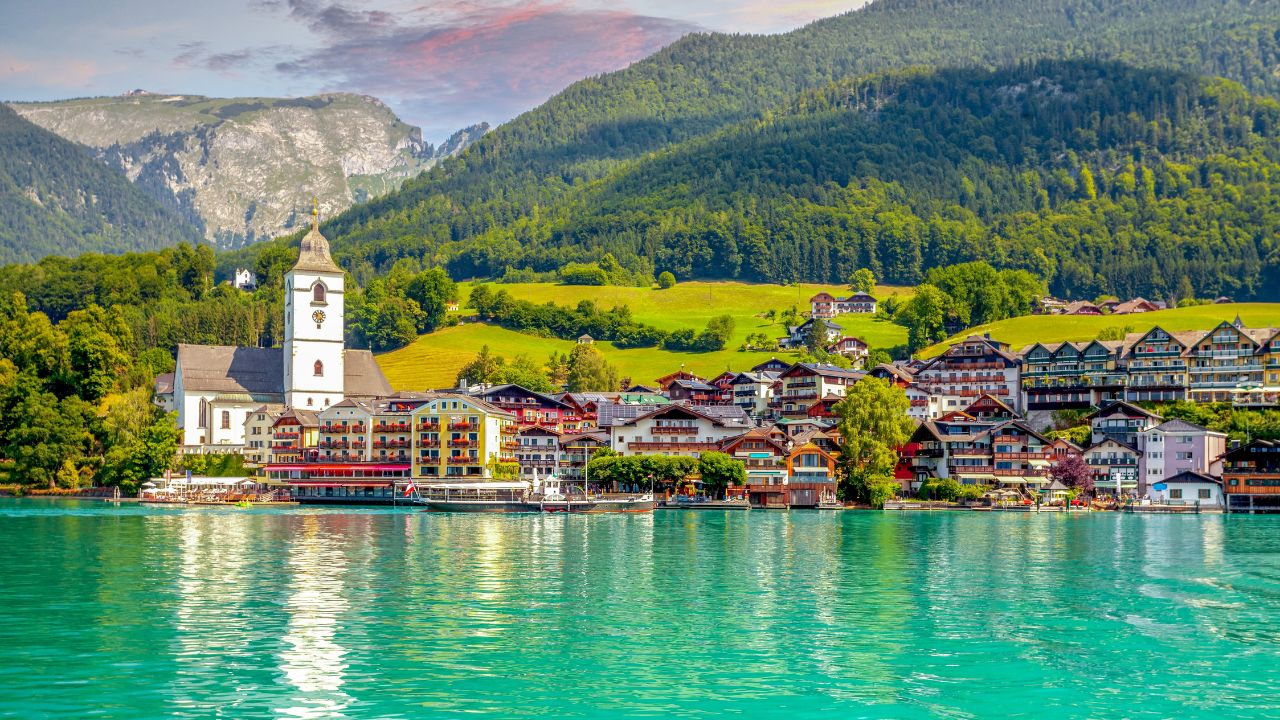
Austria encourages relocation to rural regions through grants and housing incentives. Local governments aim to strengthen small communities and preserve traditional ways of life. Programs often target families and skilled workers. These initiatives support regional balance.
Financial incentives include housing subsidies and relocation assistance. Living costs in rural Austria are far lower than in Vienna. Public services remain efficient and accessible. This creates a comfortable transition for newcomers.
Austria offers clean environments, strong healthcare, and excellent education. Cultural life remains vibrant even in small towns. Outdoor activities are part of daily life. Austria delivers both support and high living standards.
Finland

Finland has introduced incentives to attract residents to remote and northern regions. Programs focus on workforce needs and population sustainability. Relocation bonuses and housing support are common. The aim is long-term settlement.
Financial assistance often includes moving grants and employment support. Living costs outside major cities are significantly lower. Public services remain high quality regardless of location. This ensures security and comfort.
Finland offers safety, innovation, and strong social systems. Nature and space define everyday life. Education and healthcare are universally accessible. Finland provides a modern yet peaceful relocation option.