
Electric vehicles are gaining popularity across Europe, while the American market is heading in the opposite direction. New sales figures reveal a widening gap between the two regions, despite years of investment in battery-powered transportation.
The contrast reflects significant differences in government policies, vehicle affordability, and consumer preferences. European buyers have access to a growing selection of electric models, including increasingly affordable options.
In the United States, the expiration of federal purchase incentives has made new EVs less attractive to some car buyers. Meanwhile, hybrids and used electric cars are gaining momentum as people look for cheaper alternatives.
The difference is also reshaping automakers’ product strategies, particularly in the United States, where several manufacturers are adjusting their electric vehicle plans as demand shifts toward other powertrain technologies.
Europe’s EV Market Continues Growing
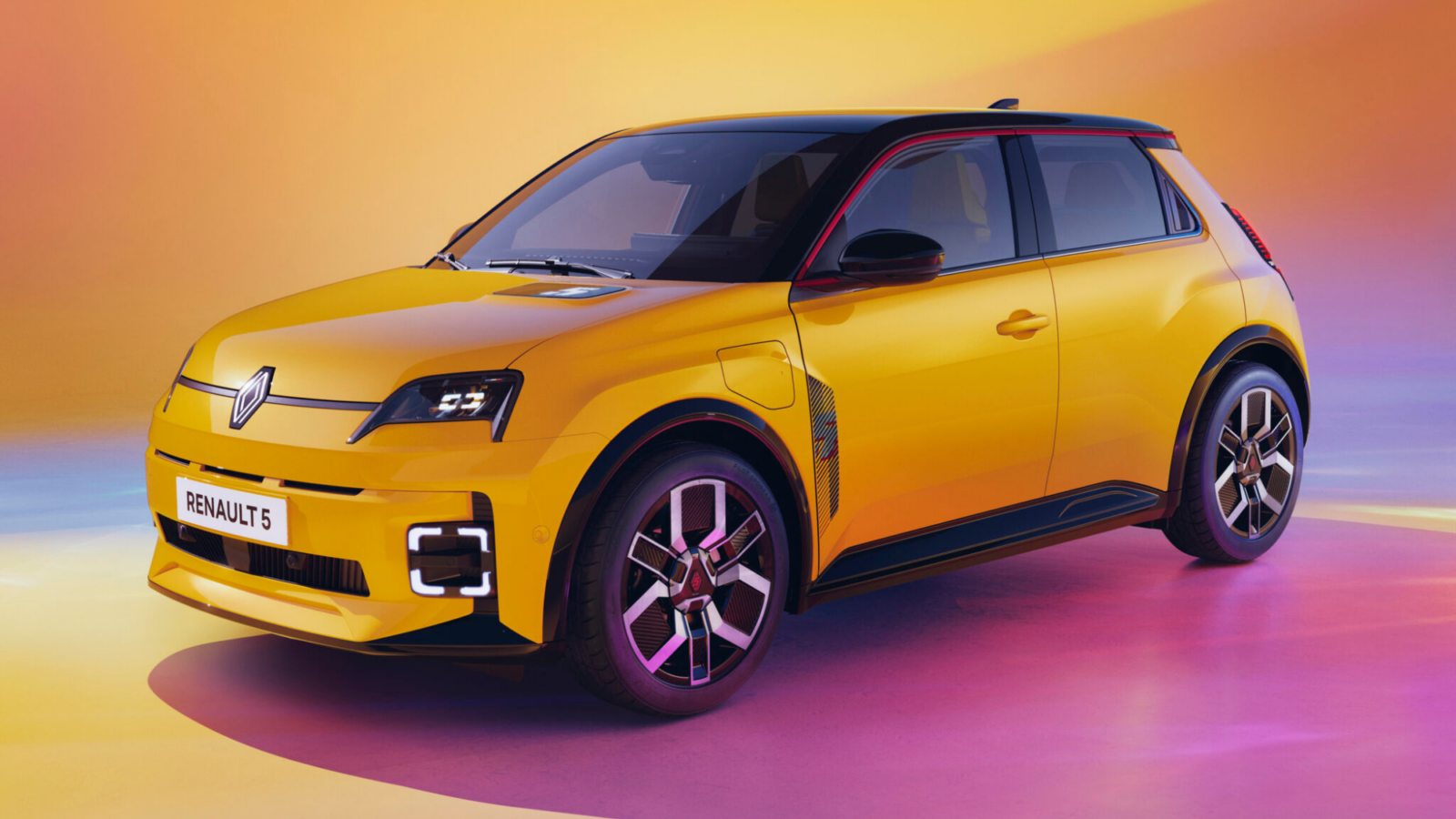
According to Reuters, battery-electric vehicles accounted for 23.2 percent of European new-car sales through September 2026, up from 17.7 percent a year earlier. In the United States, their share fell from 8.5 percent to just 6 percent over the same period.
Motor Intelligence reports that American EV sales declined 30.7 percent during the first nine months of 2026. The downturn follows the September 2025 expiration of the federal $7,500 tax credit for eligible new electric vehicles.
Europe’s stronger performance reflects several factors, including higher fuel prices, stricter emissions regulations, and government incentives in certain countries. Chinese manufacturers have also introduced additional competition.
Affordable EVs Give Europe An Advantage
According to Transport & Environment, Europe offered over 150 electric models during the first half of 2026, compared with approximately 100 in 2024. Several are priced below €25,000 ($28,000), making electric ownership accessible to more buyers.
American consumers face a different situation, with fewer inexpensive EVs and restrictions limiting Chinese automakers’ market entry. Without federal purchase incentives, affordability is a significant obstacle.
Americans Are Choosing Hybrids Instead

Hybrid sales in the United States increased 23 percent during the first nine months of 2026, capturing 15.6 percent of the new-vehicle market. Used EV sales also climbed 19 percent.
Traditional automakers have been particularly affected, with Ford’s EV sales dropping 68 percent and General Motors recording a 43 percent decline. Tesla fell 14 percent, while Rivian bucked the trend with a 29 percent increase.
The figures suggest American interest in electrification hasn’t disappeared, but buyers are becoming increasingly selective about price and practicality.