
A fatal crash on a dark, rain-soaked morning in Nebraska has taken an unexpected legal turn, raising difficult questions about responsibility, trauma, and the far-reaching consequences of roadway incidents.
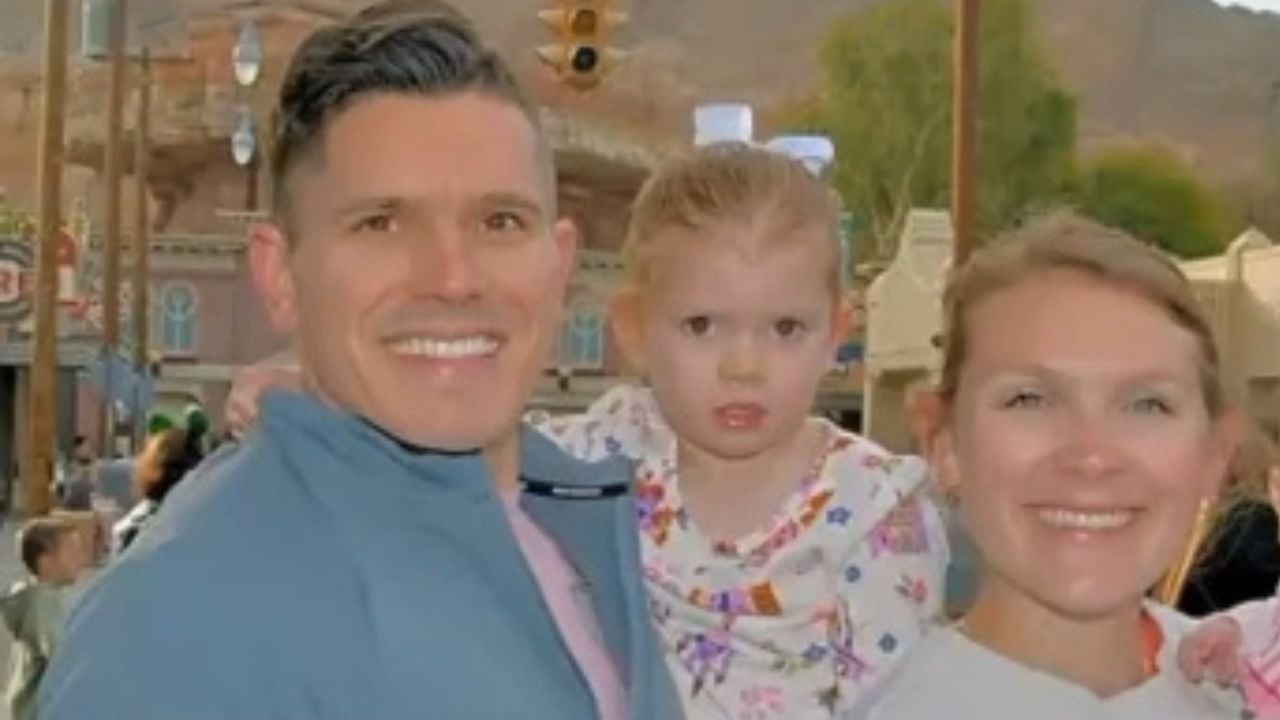
In August last year, 37-year-old Anthony Miller, a trauma nurse and father of two, was out for an early morning run with his wife, Bailey Miller.
The couple had been training together for an upcoming half-marathon, making use of the quiet hours before sunrise. Conditions that morning were far from ideal. It was still dark, visibility was reduced by steady rain, and the road surface felt slick.
Bailey Miller wore reflective clothing, which made her visible to approaching traffic. Anthony Miller, however, was dressed in darker gear, making him far harder to see in the low-light conditions.
At the same time, 25-year-old Gavin Maas was driving a pickup truck along the same stretch of road. According to the police report, Maas noticed Bailey Miller first and adjusted his path to give her space. In doing so, he failed to see Anthony Miller until it was too late.
The Aftermath
The impact proved fatal.
Maas stopped immediately after the collision and attempted lifesaving measures while emergency services were called. Despite those efforts, Anthony Miller died from his injuries.
The loss was devastating, not only for his wife, who witnessed the crash, but also for their two young children.
Friends and colleagues later described Miller as a dedicated nurse who had earned recognition for his work in trauma care, adding a layer of painful irony to the circumstances of his death.
Authorities investigated the incident and ultimately did not issue a citation to Maas. The crash was attributed in part to poor visibility, adverse weather conditions, and the limited visibility of the victim’s clothing. Legally, it was treated as a tragic accident rather than a criminal act.
For many, that might have marked the end of the story. It did not.
The Lawsuit
Months after the crash, Maas filed a lawsuit against Anthony Miller’s family, seeking $50,000 in damages. In the filing, Maas claims he has suffered severe emotional distress as a result of the incident, including post-traumatic stress disorder.

He alleges that the psychological impact has led to multiple hospitalizations and has affected his ability to work, resulting in lost income and mounting medical expenses.
Unsurprisingly, the lawsuit has drawn strong reactions, largely because it reverses the expected direction of legal action in fatal crash cases. Typically, the family of the deceased might pursue civil claims against a driver, especially in cases involving negligence.
Here, the driver is seeking compensation from the victim’s family, arguing that the circumstances of the crash caused him lasting psychological harm.
The legal argument appears to hinge on the idea that the conditions leading to the crash, including visibility factors, contributed to a traumatic experience for the driver.
Cases involving emotional distress claims are not unheard of, but they are often complex and heavily dependent on specific state laws, as well as the ability to demonstrate both harm and liability.
For the Miller family, the lawsuit adds another layer of difficulty to an already painful situation. They are not only dealing with the loss of a husband and father but are now also facing legal action from the one behind the wheel of the car that killed him.
Broader Questions

Beyond the courtroom, the case is sparking broader discussion online about road safety and driver awareness, especially in low-visibility conditions.
Early morning and nighttime driving present well-documented risks, particularly when pedestrians or runners are involved. Reflective clothing, proper lighting, and heightened driver vigilance are often cited as critical factors in preventing such tragedies.
At the same time, the case underscores how a single moment on the road can ripple outward, affecting multiple lives in very different ways.
While the loss of Anthony Miller remains the central human tragedy, the driver’s claim highlights the psychological toll that serious crashes can have on those behind the wheel, even in the absence of criminal wrongdoing. But should he be suing the family of a father who lost his life?
Legal Context

It’s worth noting that joggers in Nebraska are not legally required to wear reflective clothing in low-light conditions. The authorities deemed the incident a tragic accident due to the general poor weather condition that morning, not because the Millers did anything wrong by not having Anthony wear reflective clothing.
Nebraska law mandates reflectors and lights for bicycles, but there is no statute imposing similar requirements on pedestrians or runners. Reflective gear is strongly recommended for safety, but it is voluntary rather than a legal obligation. Drivers must exercise caution in poor visibility and yield to pedestrians in crosswalks.
Nebraska Revised Statutes 60-6,319 requires bicycles sold at retail to have reflective pedals, tires, or spoke reflectors visible from 400 feet under headlights, with violations resulting in a Class V misdemeanor.
Since joggers are not legally required to wear reflective gear, failure to do so is not automatically negligence. That said, courts may still consider clothing choices under comparative negligence if visibility contributed to the accident. This fact may have worked in Maas’ favor.
@yass.unitedstates A 25-year-old driver, Gavin Maas, is suing the family of a jogger he struck and killed, claiming the crash left him with severe emotional trauma and PTSD. The victim, Anthony Miller, a 37-year-old nurse and father of two, was out running with his wife when he was hit in low visibility conditions during rain and darkness. Police did not charge Maas at the time, noting poor lighting and that Miller was wearing dark clothing. Maas says he has since been hospitalized multiple times due to the psychological impact and is seeking $50,000 to cover medical costs and lost income. Miller’s family, including his wife and two young daughters, continues to grieve his loss. He was remembered as a dedicated nurse and loving father. #nabraska #nurse #truecrime #running #killed ♬ sonido original – Nightcore Nation
Still, drivers are expected to maintain control and adjust for weather/visibility. If a pedestrian is difficult to see, liability may be shared depending on circumstances. The unusual lawsuit by Gavin Maas against Anthony Miller’s family may ultimately hinge on proving that the incident caused him severe trauma.
Without a statutory requirement for reflective gear, the argument focuses on visibility and conditions rather than legal fault.
Sources: NYT