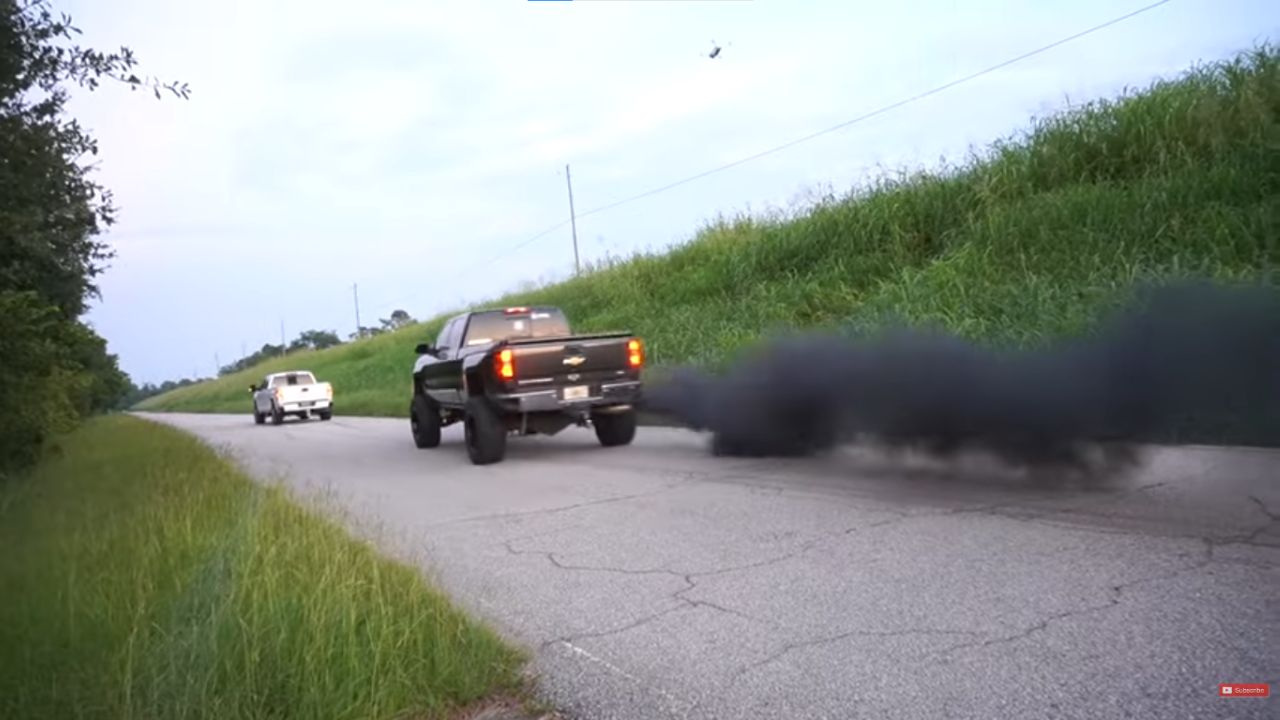

In a move that could reshape enforcement of the Clean Air Act in the diesel truck world, the United States Department of Justice has formally announced that it will no longer pursue criminal charges against individuals or businesses accused of deleting or tampering with emissions control systems on diesel vehicles.
The decision was revealed on January 21, 2026, in a statement issued by the DOJ’s Environment and Natural Resources Division. The agency said it will now focus on civil enforcement and other measures rather than criminal prosecution for these types of violations.
Today, @TheJusticeDept is exercising its enforcement discretion to no longer pursue criminal charges under the Clean Air Act based on allegations of tampering with onboard diagnostic devices in motor vehicles.
— DOJ Environment and Natural Resources Division (@DOJEnvironment) January 21, 2026
For years, regulators have used both civil penalties and criminal charges to deter diesel owners, tuners, and aftermarket vendors from removing or altering emissions control systems such as diesel particulate filters, exhaust gas recirculation systems, and onboard diagnostic software.
Under the Clean Air Act, these actions were considered serious violations that could lead to substantial fines and, in some cases, prison time. Some high-profile cases put diesel tuners behind bars for selling or installing so-called defeat devices or reprogramming software that hides emissions.
The “Defeat Device” Debate: Power vs. Pollution
The new DOJ policy, shared on X and from an internal memo ordered by Deputy Attorney General Todd Blanche, reflects a strategic shift in how federal prosecutors will apply the law.
The memo instructs U.S. attorneys to refrain from initiating or continuing criminal Clean Air Act cases that involve tampering with onboard vehicle diagnostic equipment. The department says this is part of an effort to use resources efficiently and avoid the overcriminalization of federal environmental statutes.
Some fear the policy could embolden aftermarket diesel modification shops and owners who want to prioritize performance or reliability over emissions compliance.
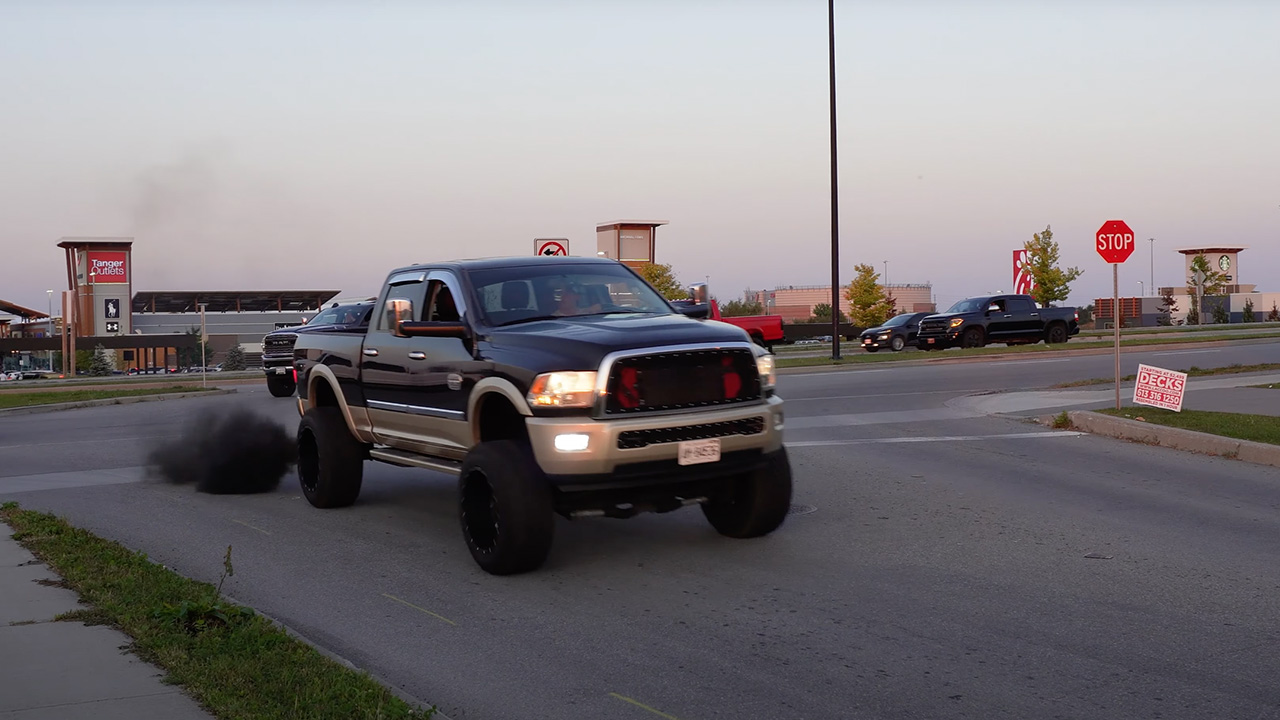
Diesel deletes and advanced tuning can improve fuel efficiency, reduce maintenance costs, and enhance engine performance, which makes them attractive to some fleet operators and individual truck owners.
On the other side of the debate, environmentalists warn that these modifications can dramatically increase emissions of nitrogen oxides, particulate matter, and other harmful pollutants that contribute to smog and respiratory illness.
Civil Penalties Remain, But Fines Aren’t Prison Time
Even though criminal prosecution is off the table for most defeat device cases under the new directive, civil penalties remain a potent enforcement tool. The Environmental Protection Agency can still issue fines for Clean Air Act violations, and those fines can add up quickly.
Current law allows for fines of tens of thousands of dollars per violation and per tampered engine. In addition, civil cases can require offenders to pay for pollution mitigation and corrective measures to reduce excess emissions.

The shift in DOJ policy follows a series of events that pushed diesel deleting into the political spotlight. In late 2025, President Donald Trump pardoned a Colorado diesel tuner who had served federal prison time for tampering with emission controls on hundreds of vehicles.
That pardon was championed by Republican Senator Cynthia Lummis of Wyoming, who criticized past enforcement actions as heavy handed and punitive. The broader regulatory environment has also seen other changes, including efforts to ease fuel economy requirements and reduce certain EPA oversight measures.
State Enforcement Becomes the New Regulatory Frontline
Despite the federal retreat from criminal charges, states and local jurisdictions still have the authority to enforce their own emissions laws. Many states have emissions inspection programs and fines that can be applied to modified vehicles.
In some cities, diesel truck owners can still face penalties or registration issues if they are found to be operating vehicles that do not meet local emissions standards. The new DOJ policy applies only to federal Clean Air Act prosecutions, which leaves a patchwork of enforcement at the state level.
Those who support the DOJ’s position say it brings common sense to an area of regulation that at times seemed unpredictable. They argue that most diesel owners are not intent on harming the environment and that mandating strict compliance through criminal law was disproportionate.
They also say that civil enforcement produces results without burdening the criminal justice system.
Opponents counter that federal criminal penalties were one of the few levers that truly deterred widespread aftermarket tampering. With that deterrent gone, they fear more trucks will operate with oversized emissions outputs that contribute to unhealthy air quality.
The country will feel the impact of this policy reset over the coming months and years, as civil cases are pursued and as regulatory priorities continue to evolve. Truck owners, tuners, and fleet operators will be watching closely as this new chapter in diesel emissions enforcement begins.