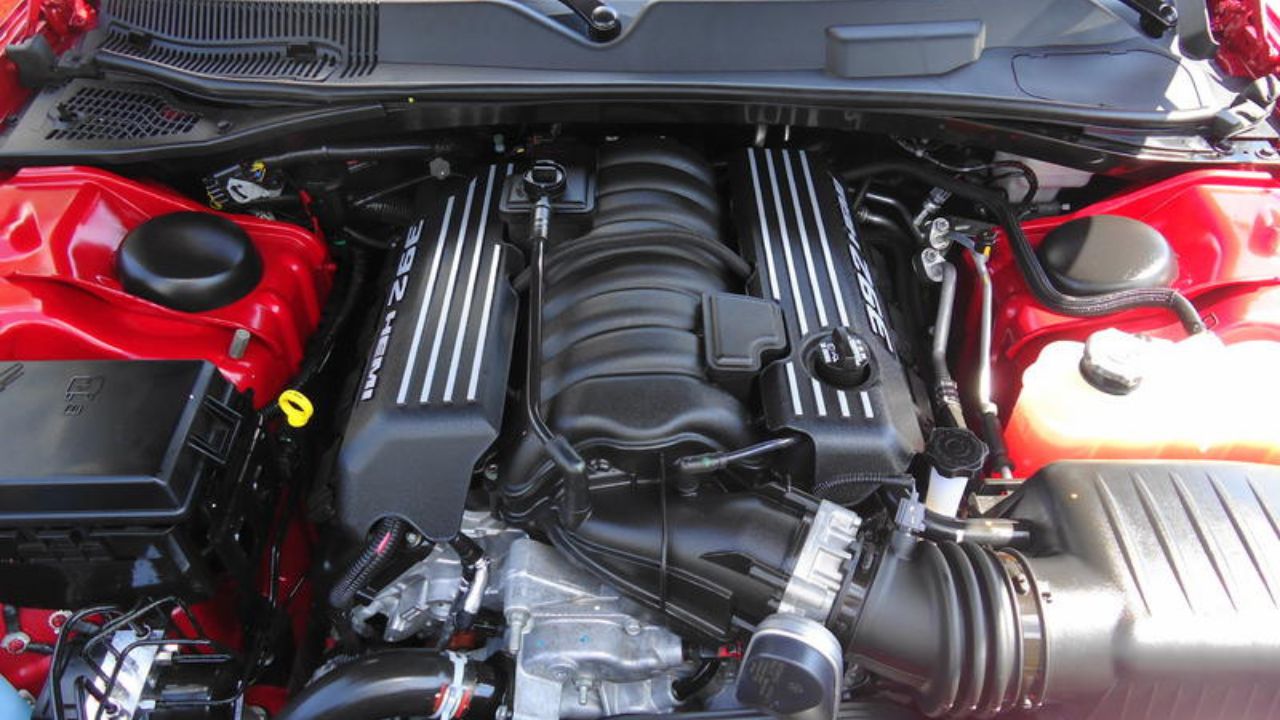

When Tim Kuniskis, head of Dodge and the SRT performance division, spoke to automotive press at the 2026 Detroit Auto Show, muscle-car purists leaned in with bated breath. His message was clear and unapologetic. The once-ubiquitous 5.7-liter Hemi V8 is unlikely to return to the 2026 Dodge Charger, and if America’s classic four-door muscle sedan is to have a V8 at all, it’s going to be something far hotter.
That hotter something? The Hellcat engine.
For decades, Dodge’s Hemi engines were synonymous with big-block bravado and street cred. From the early days of wedge-headed glory through to the toughest Hellcats and Demons, V8 power defined the brand in the minds of gearheads. But times are shifting fast in the performance world, and Kuniskis isn’t shy about admitting the tide has turned.
Makes Business Sense
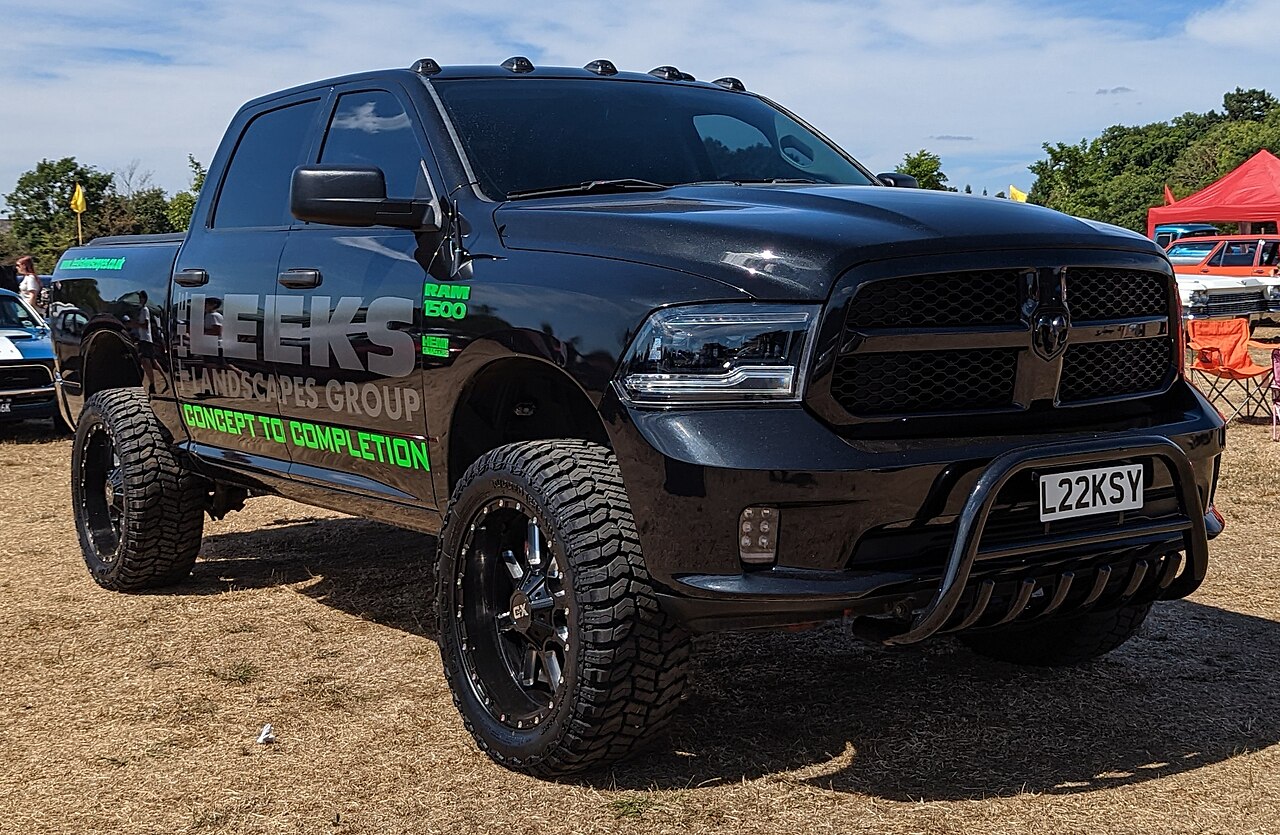
In Kuniskis’s telling, dropping the 5.7 Hemi for the Charger isn’t a matter of nostalgia versus progress. The numbers simply don’t add up. Times are a changing, indeed. Under tougher emissions rules and against Dodge’s own new 3.0-liter twin-turbo Hurricane inline-six, the old V8 falls short.
The base Hurricane already makes strong power and torque, and its more potent High Output variant outpaces the old 6.4-liter Hemi that preceded it. The 5.7 Hemi, meanwhile, churns out a relatively modest 395 horsepower and 410 pound-feet of torque.
This isn’t lost on Kuniskis. He’s described the reality of today’s engine landscape in unvarnished terms: you don’t bring back an advanced, legacy V8 just to satisfy sentiment if it doesn’t stack up to the high-tech competition already on the floor. Modern buyers aren’t just chasing a rumble. They want speed and efficiency. Hurricane engines deliver on both while reducing weight and complexity.
Kuniskis went further. The idea of broadening the Charger lineup with multiple powertrain options isn’t just an engineering challenge. It’s a commercial headache.
Every additional engine tries the patience of factories and dealers. In his comments, he painted a vivid picture of a frontline staff exasperated by too many variants. “Before you know it, you have so many cars that dealers say, ‘Uncle! I can’t stock all this. I’m going to now pick and choose the ones I want to sell,’” Kuniskis explained.
Hellcat is the Answer
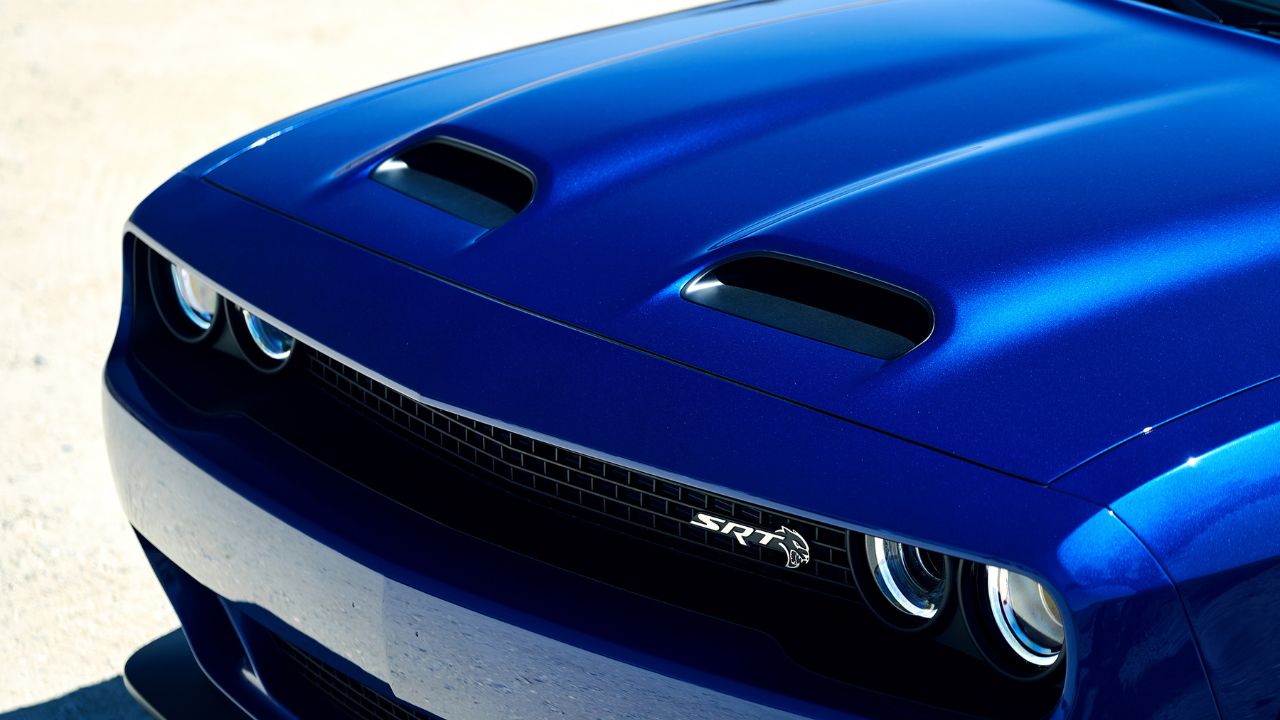
That business logic is part of why the 5.7 Hemi, despite its iconic status, won’t be reintroduced in the Charger lineup. Instead, fans alleging for a “baby Hemi” option are being pointed in the direction of something much more potent: Hellcat territory. Kuniskis bluntly stated that “the only way it makes sense to charge for [an optional Hemi] now is I have to go all the way up to a Hellcat.”
This doesn’t mean a V8 Charger is off the table entirely. Far from it. The Hellcat’s supercharged 6.2-liter V8 has already been reborn not just in Dodge trucks like the SRT TRX but with far juicier output numbers, approaching nearly 800 horsepower in some applications. That kind of firepower would give the Charger a bona fide halo model capable of standing toe-to-toe with modern muscle car rivals.
Kuniski’s strategy can be seen as a smart pivot. Rather than offering multiple underperforming V8 choices, Dodge would concentrate its investment on a single, high impact “halo” engine capable of generating excitement and prestige for the entire lineup.
It’s a calculated gamble that banks on the cachet of the Hellcat name to drive showroom traffic and media buzz. The Charger’s twin-turbo Hurricane engines are already tearing up the performance charts. Giving it a Hellcat variant would give fans their cake and eat it too.
Fans Insatiable
Still, Dodge fans still have questions. Will Stellantis engineers find a way to package the supercharged V8 under the Charger’s hood without undue compromises? And perhaps more importantly, what price premium will Dodge ask for a straight-line speed monster that honors the Hellcat legacy? With nothing confirmed yet, speculation is rife among enthusiasts and dealers.
One thing that became clear from Kuniski’s remarks is that Dodge isn’t simply chasing nostalgia. Under his stewardship, performance is being redefined with an eye on relevance, numbers, and real world appeal. Rumbling V 8 grunt still matters, but only where it makes sense. And in the case of the Charger, only at the very top of the performance ladder.
Source: Road & Track