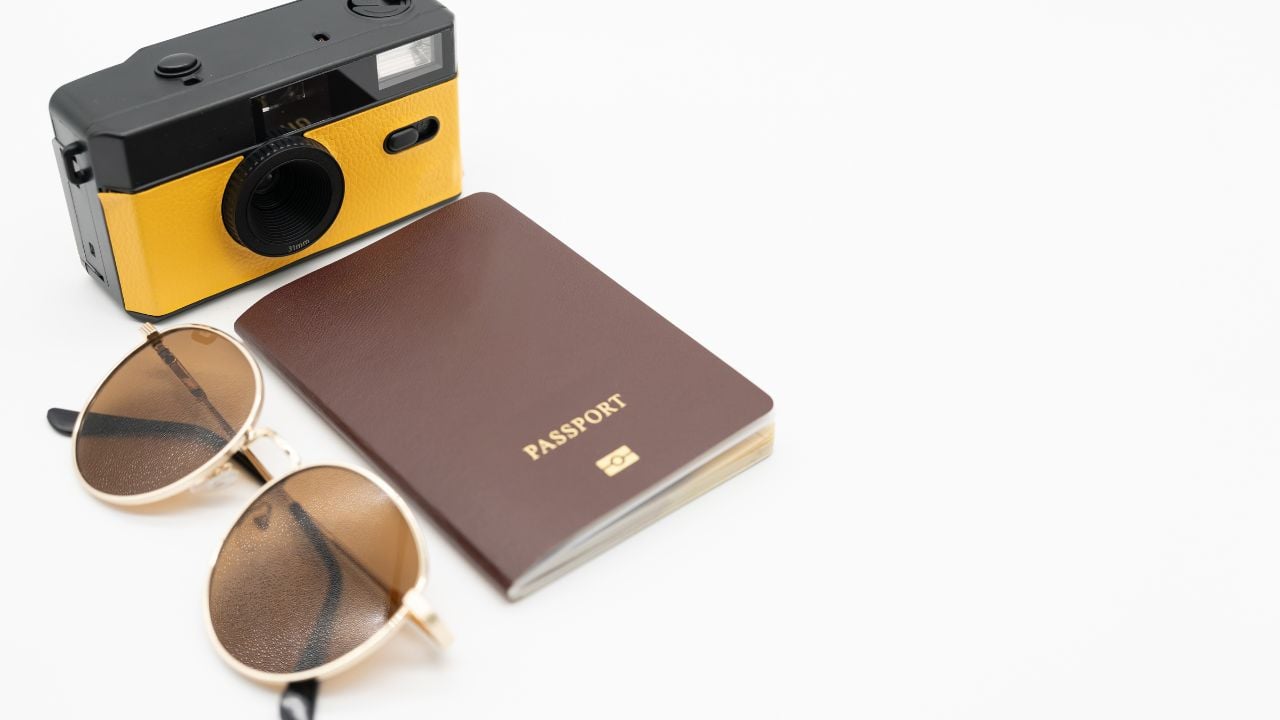
Summer travel has a way of making people want pictures that feel less polished and more alive. That helps explain why disposable cameras and other simple film point-and-shoots keep showing up again, from celebrity sidelines to Gen Z feeds and secondhand resale platforms. The Guardian reported a clear revival in 2024, pointing to rising film demand, more processing activity, and a wider return to imperfect, nostalgic photography.
The problem is that old-school travel gear now meets newer airport screening technology. Kodak says travelers should assume major airports worldwide may now use CT scanners for carry-on screening, while Heathrow says it has completed an upgrade to newer security scanners and reminds passengers that equipment and rules vary by airport. That means a carefree toss into the bag can end badly for the very photos you wanted to protect.
1. The Appeal Is Obvious Once You Stop Chasing Perfect Pictures
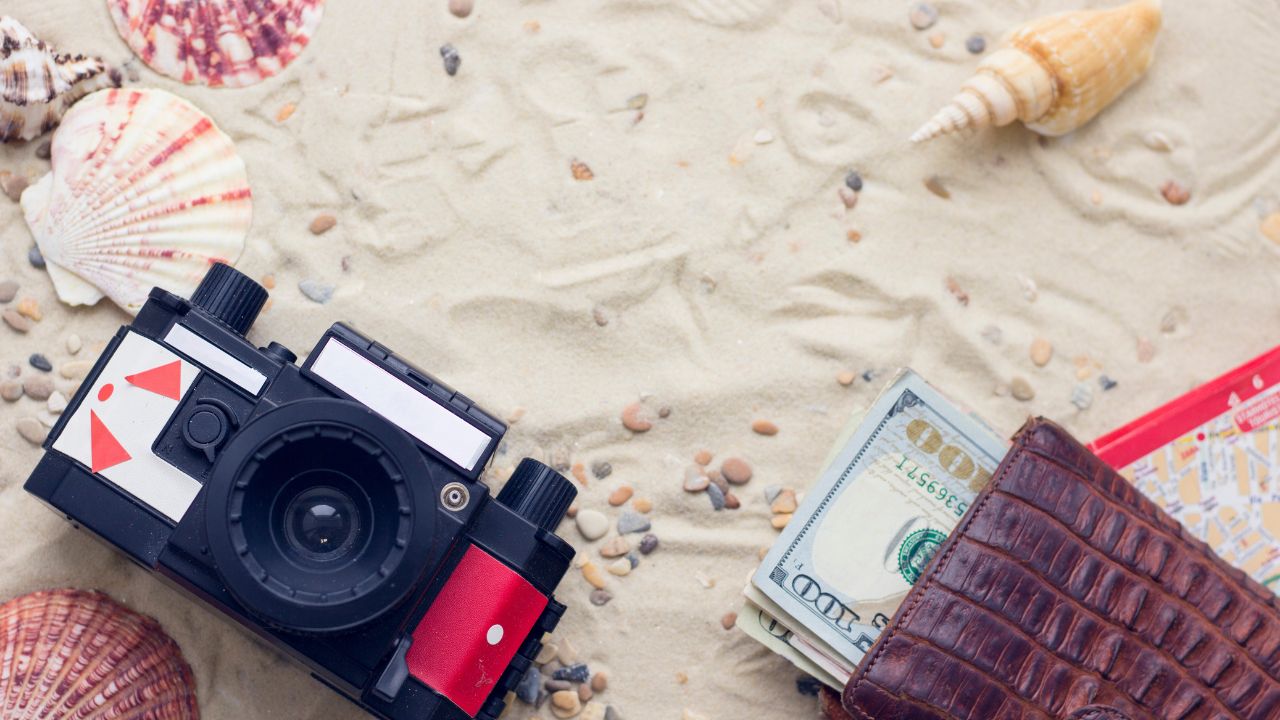
Disposable cameras work because they change the rhythm of a trip. You get fewer frames, less control, more grain, and the suspense of not knowing exactly what you captured until later. That slower pace is a big part of the appeal, especially at a moment when phone photography can feel endless, polished, and slightly overmanaged.
There is also a social reason the format keeps surfacing. The Guardian linked the comeback to a wider appetite for analog imperfection, noting visible use by celebrities, growing secondhand demand, and a younger crowd drawn to a look that feels warmer and less clinical than phone images. Disposable cameras fit that mood neatly because they make memory feel a little messier and, in turn, more personal.
2. The Airport Mistake Is Assuming Every Scanner Is Harmless
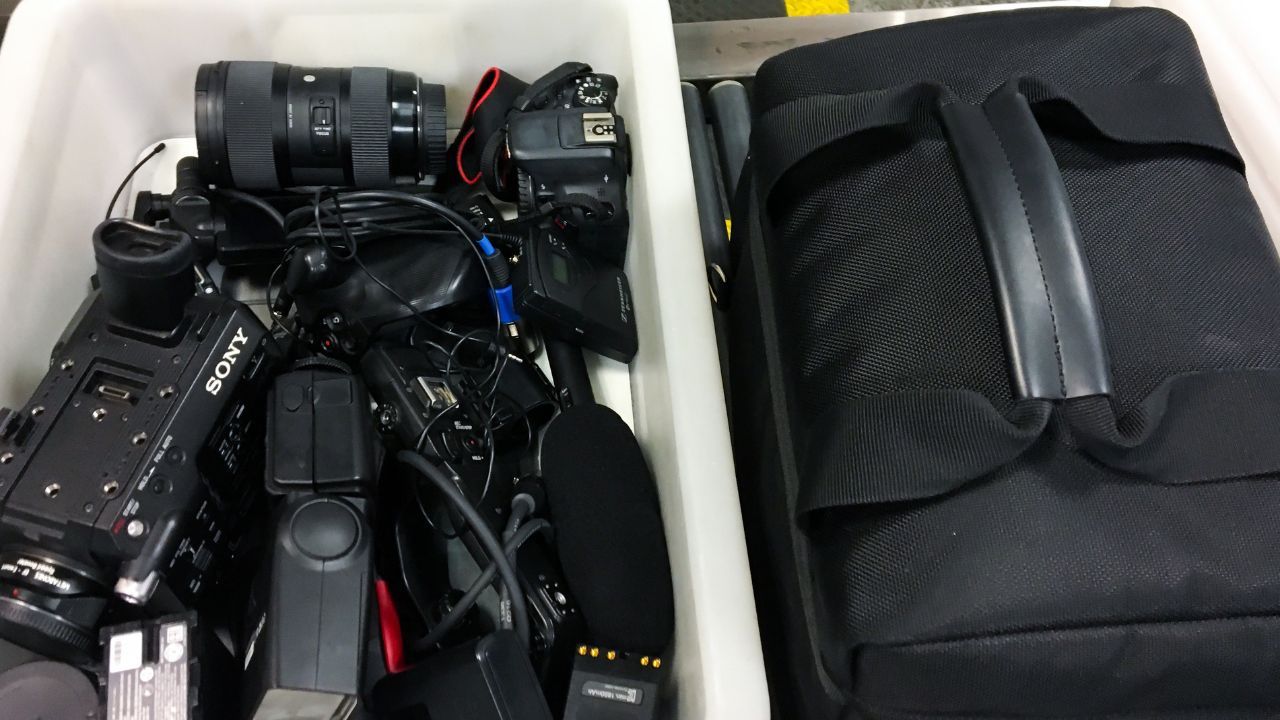
This is the mistake that can ruin a trip’s photos. People hear old advice about film being mostly fine in carry-on screening, then assume that guidance still applies everywhere. It does not. Kodak says unexposed or exposed but unprocessed film should not go through a CT scanner, and it advises travelers to assume major airports may now use that technology.
That warning is broader than many travelers realize. ILFORD says its initial testing found new CT cabin-baggage scanners unsafe for all of its film products regardless of ISO speed, while Kodak’s transport guidance says new CT carry-on scanners have been proven to fog all unprocessed film. In plain terms, the mistake is not only putting a disposable camera in checked luggage. It is trusting a modern scanner without checking what kind of machine you are facing.
3. Checked Baggage Is the Fastest Way to Lose the Whole Roll
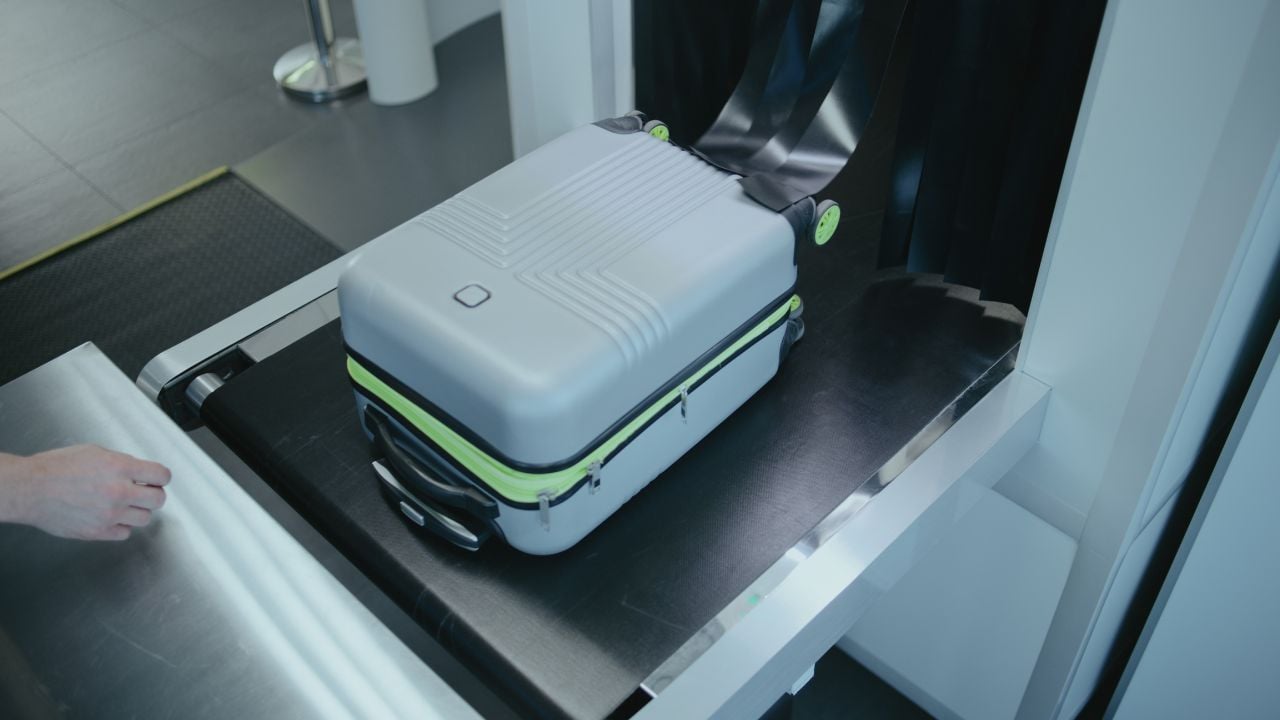
If there is one move to avoid completely, it is putting a disposable camera in a checked suitcase. TSA says undeveloped film and cameras containing undeveloped film should go in carry-on bags or be taken to the checkpoint, not packed into hold luggage. Kodak says the same thing even more bluntly, noting that checked bags may also be CT-scanned.
Kodak’s transport page is even less ambiguous. It says any checked baggage may be subject to high-intensity screening out of sight of travelers and warns, “Never pack unprocessed film in baggage that will be checked.” That is the kind of rule worth treating as absolute, because once the fogging happens, there is nothing to rescue later at the lab.
4. What Smart Film Travelers Do Instead
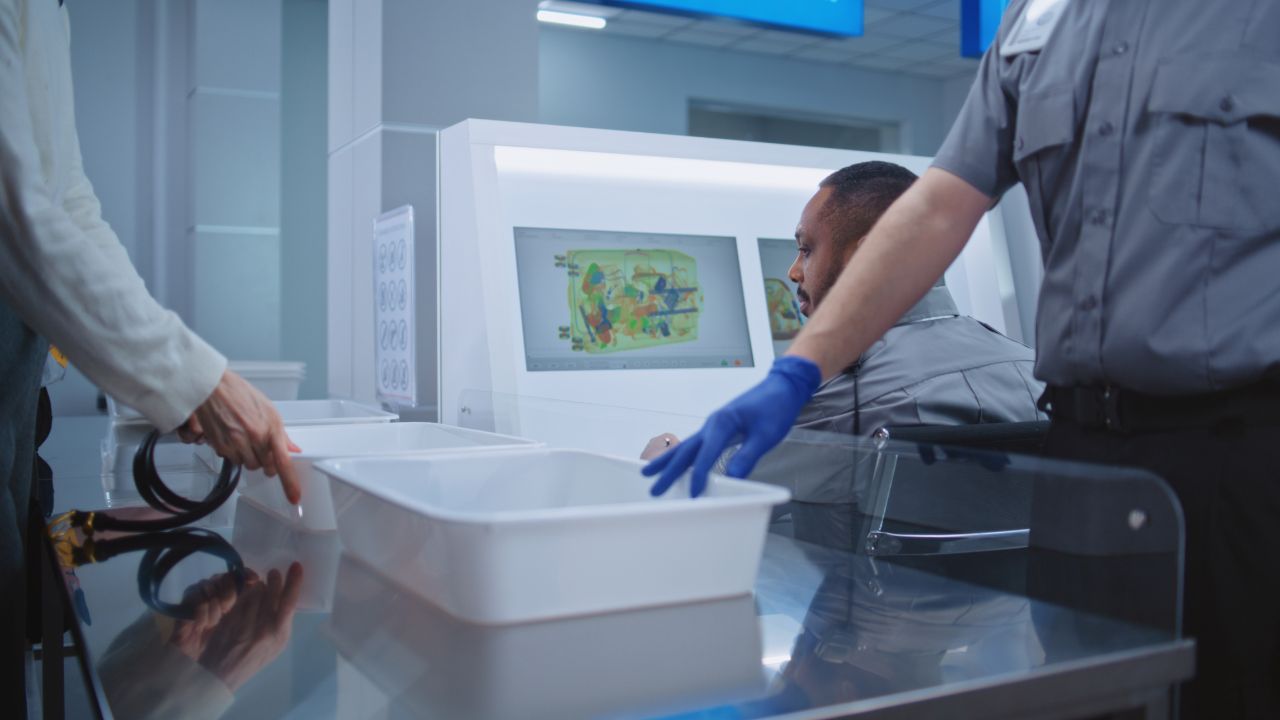
The safer routine is simple, even if it takes a little confidence. Kodak says to pack film in a clear resealable plastic bag, remove it from your carry-on at the checkpoint, and ask security for a hand inspection. ILFORD gives essentially the same advice for airports using CT equipment and says you should request a hand check if one of the new machines is in use.
There is one practical catch. Hand inspections are not guaranteed everywhere. Kodak says contacting the airport in advance is strongly advised, and it notes that some airports outside the United States may not permit hand inspection at all. That means the best habit is preparation, not assumption. Keep the camera accessible, ask politely, and build in enough time that you are not forced into a rushed decision at the belt.
5. The Trend Is Fun, but Film Travel Now Needs Strategy
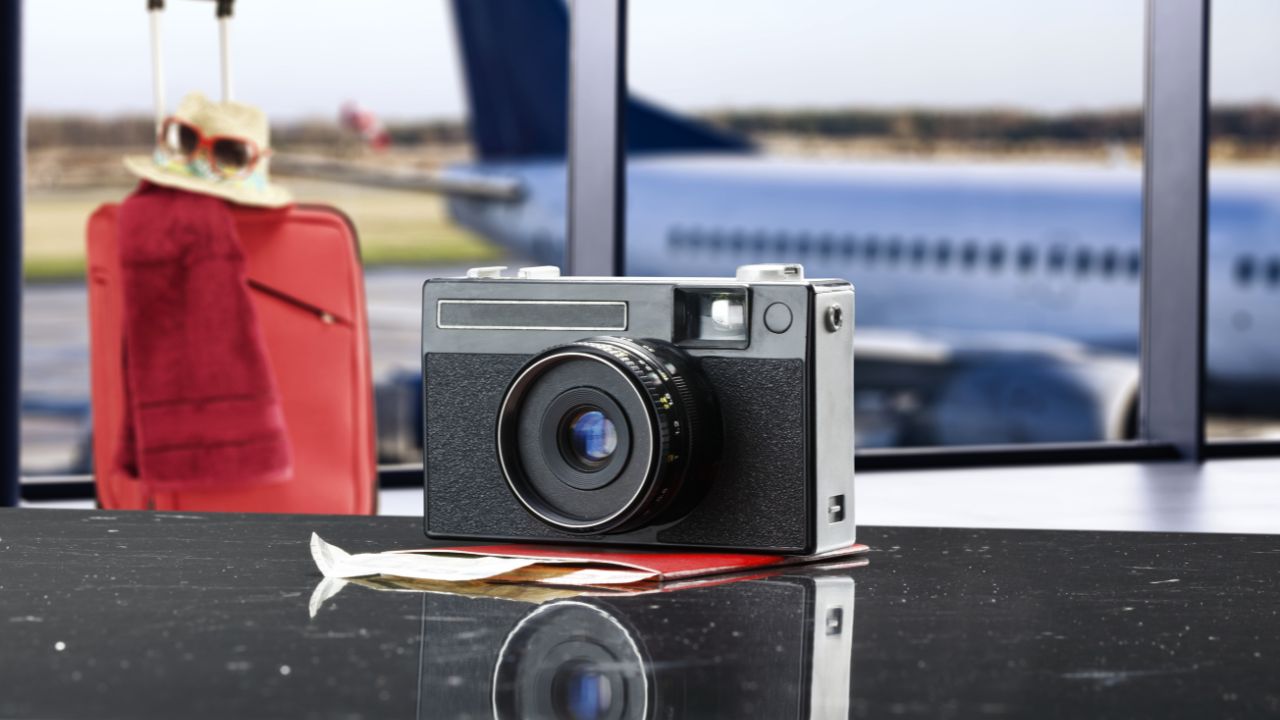
None of this means you should abandon the disposable-camera summer altogether. It simply means the charming part of the format starts before the first click. Travelers who plan for screening, carry their film properly, and treat airport security as part of the workflow are far more likely to come home with usable frames instead of fogged disappointment.
So yes, bring the disposable camera to the beach town, the weekend train ride, or the long Mediterranean lunch. Just do not make the one mistake that keeps catching people out: assuming airport scanners are all the same. In 2026, the coolest retro travel habit comes with one very modern rule, and ignoring it can wipe out every shot before the trip even begins.