
Electric vehicles have fewer moving parts than their combustion-engine counterparts, which should theoretically mean fewer expensive trips to the workshop. Unfortunately, fewer mechanical components don’t necessarily translate into cheaper repair bills when something goes wrong.
A British mechanic recently compared two very different vehicles that had arrived at his workshop: a diesel Ford and an electric Porsche. Both needed attention, but the amounts their owners faced were worlds apart.
In a video published by the OGS & Mechanics YouTube channel, the mechanic revealed that one vehicle needed a £2,500 (approximately $3,370) repair, while the other was facing a bill exceeding £7,000 (roughly $9,440). The obvious assumption would be that the diesel’s complicated engine was responsible for the larger expense.
That wasn’t the case, although the mechanic argued that the figures didn’t tell the whole story. The difference came down to what had failed, why it failed, and whether the work could have been avoided altogether.
The Diesel Ford Needs New Injectors
The Ford’s £2,500 bill covered replacing four diesel fuel injectors and carrying out a service, including filter changes. Removing the injectors was particularly troublesome because corrosion can leave them firmly stuck in the cylinder head.
In the video, the mechanic is using hydraulic extraction equipment to free a stubborn injector, which just goes to show that even relatively familiar diesel repairs can demand specialized tools and considerable labor.
The Porsche’s £7,122 Electrical Problem
The electric Porsche Taycan faced a much steeper £7,122 bill. Its repair involved replacing an electronic control unit and a fuse, with significant dismantling required to access the affected components.
Unlike the Ford’s injector work, however, the Porsche’s failure wasn’t presented as an unavoidable consequence of ordinary use. The workshop later explained in a YouTube comment that the vehicle had continued driving after a cooling-system failure without the underlying problem being properly addressed.
According to the mechanics, that decision contributed to the expensive electronic failure. The implication is that earlier intervention might have prevented the damage.
Is the Diesel Really Cheaper?
The mechanic argued that the Ford’s bill reflected maintenance-related work, whereas the Porsche’s repair was potentially avoidable. Electric cars don’t require injectors or the same engine-related filter servicing, which can reduce some ongoing maintenance expenses.
That said, there’s an important distinction: replacing all four diesel injectors isn’t necessarily routine scheduled maintenance. Their lifespan varies, and a £2,500 injector replacement shouldn’t be treated as an inevitable service expense for every diesel engine, Ford or otherwise.
Two Bills Don’t Settle the Debate
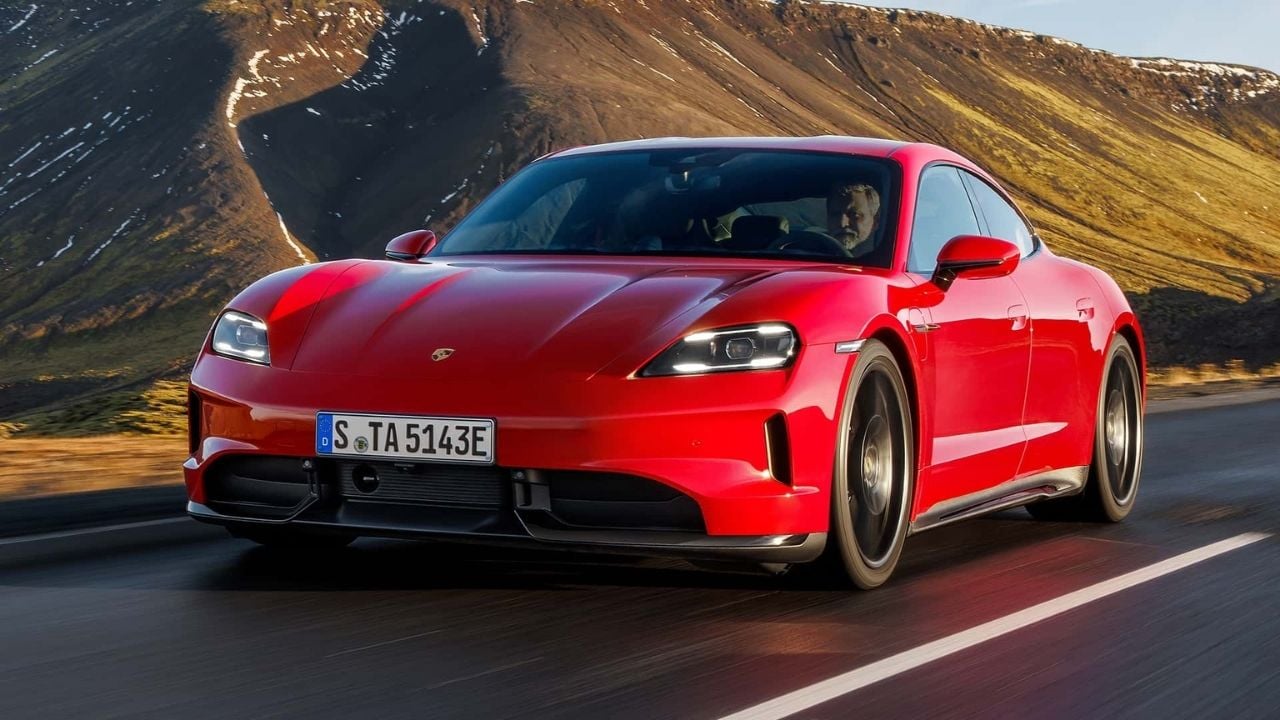
The Porsche cost £4,622, or roughly $6,174, more to repair in this specific comparison. That doesn’t establish which vehicle is cheaper to own over several years, especially without mileage, age, maintenance history, or long-term repair records.
What it does demonstrate is that both powertrains can generate painful bills for very different reasons. The Ford suffered a costly mechanical problem, while the Porsche illustrates how an unresolved cooling-system fault can turn into an expensive electrical repair.
Some commenters questioned whether comparing two unrelated repairs was fair, and they had a point. Still, the mechanic’s argument wasn’t that every electric Porsche costs more to maintain than a diesel Ford, but that the circumstances behind a repair bill matter as much as the amount itself.