
Running one of America’s largest automakers comes with a sizable paycheck, though some automotive CEOs take home far more than others. In 2025, the gap between General Motors and Ford’s bosses was especially striking.
GM CEO Mary Barra realized $48.2 million in compensation last year, according to the latest Automotive News/Equilar CEO Compensation Study. Ford CEO Jim Farley, meanwhile, came in at $16.7 million.
That means Barra realized roughly 2.9 times as much compensation as her counterpart at Ford. Her total also jumped 61.7 percent compared with 2024, while Farley’s fell 39 percent.
However, there is an important distinction behind those numbers. The study measures realized compensation, including the value executives actually received from stock options and other equity awards, which is why Barra’s $48.2 million figure differs substantially from the $29.9 million GM reported to the SEC for 2025.
Barra Was Among The Highest-Paid Auto Industry CEOs
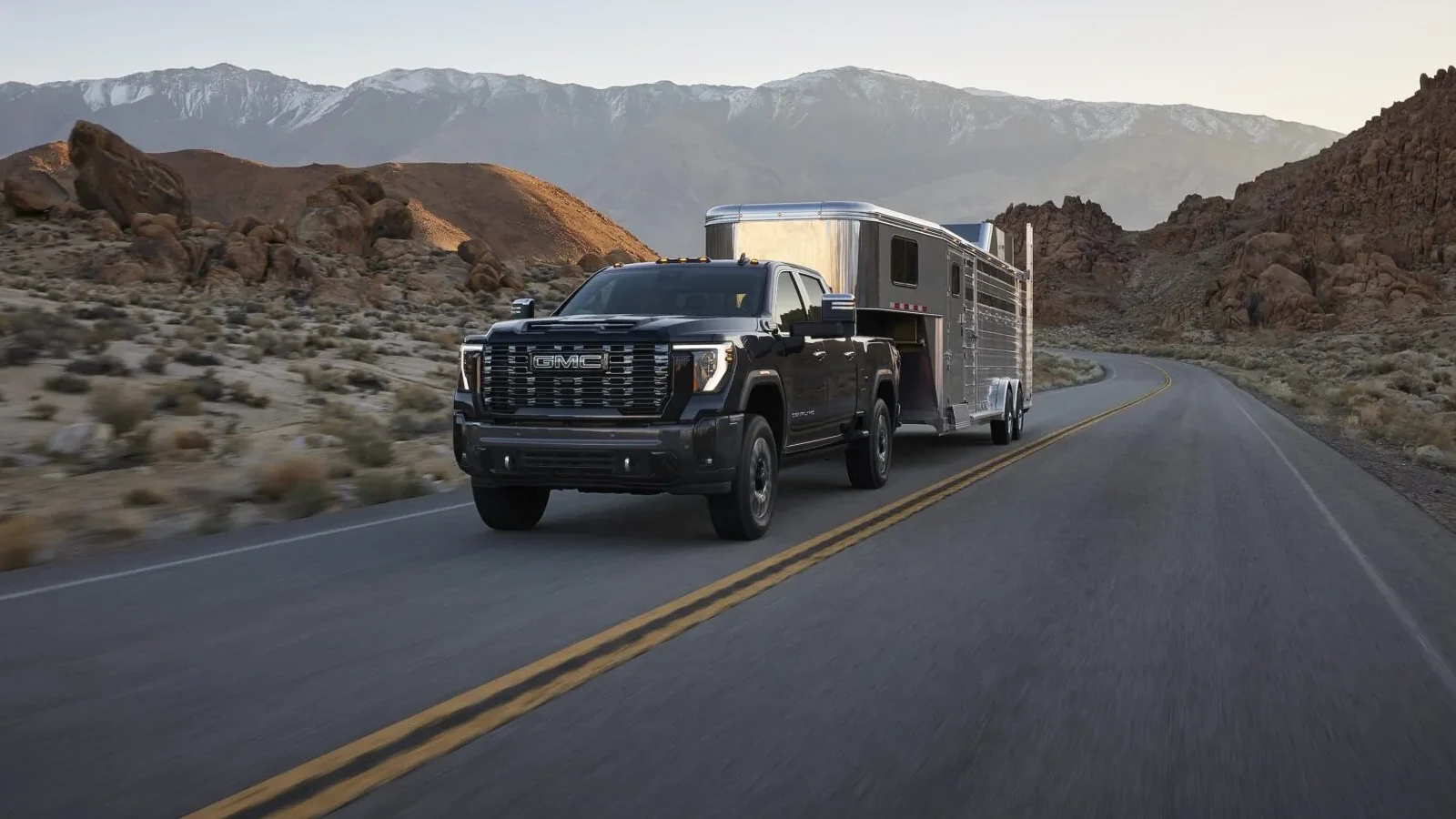
Barra’s $48.2 million placed her third among 57 CEOs of U.S.-based companies in and around the automotive industry surveyed by Automotive News and Equilar. Interestingly, neither of the two executives ahead of her actually runs a traditional automaker.
Nvidia CEO Jensen Huang topped the study at $152.9 million, while Flex CEO Revathi Advaithi was second at $48.8 million. Both companies have extensive automotive businesses, with Nvidia supplying computing technology and Flex producing electronics and other components for the industry.
Among U.S.-based automakers, Barra was comfortably ahead. Ford’s Farley realized $16.7 million, while Rivian CEO RJ Scaringe received $12.4 million, according to the study.
$201 Million Over Five Years
Stretch the comparison over a longer period, and the difference is still substantial. Automotive News reports that Barra has realized approximately $201 million in compensation over the past five years under Equilar’s methodology.
Farley’s five-year total was $86.6 million, which puts Barra’s realized compensation at well over twice Farley’s during the entire period.
The $48.2 million figure also works out to roughly $132,000 per calendar day across 2025. Divide it across a conventional 2,000-hour working year, and you’re looking at approximately $24,100 per working hour — enough to buy a new Chevrolet Trax every hour with money left over.
GM Sold 2.85 Million Vehicles In The U.S.
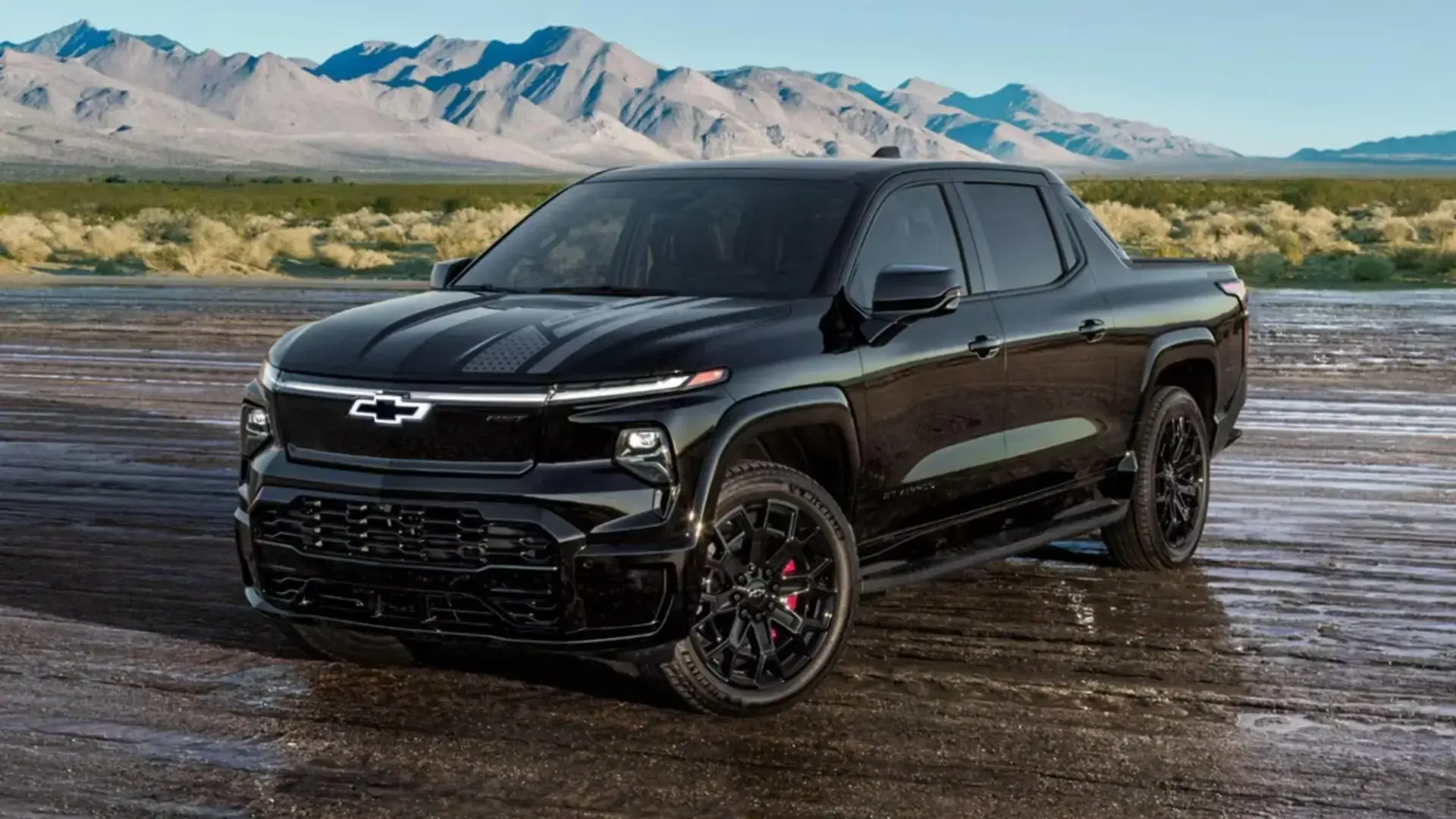
The payday came during a year in which GM was the largest automaker in the U.S. by sales. The company sold approximately 2.85 million vehicles in the country during 2025, representing an increase of around six percent.
At the same time, GM continued adjusting its EV strategy and announced a $4 billion investment intended to expand U.S. production of both gasoline-powered and electric vehicles.
Executive compensation can be calculated in several ways, which makes the methodology important when comparing these enormous figures. Using Equilar’s realized-compensation measure, however, Barra collected nearly $3 for every $1 realized by Farley in 2025.