
The automotive industry has given us incredible innovations over the past century, from anti-lock brakes to adaptive cruise control. Yet somehow, certain design choices keep reappearing across different manufacturers and eras, like that one friend who keeps making the same dating mistakes.
These aren’t necessarily deal-breakers, and many vehicles with these quirks are otherwise excellent. But after decades of engineering advancement, you’d think we’d have figured out some of these things by now.
Let’s take a look at twelve design decisions that have persisted longer than they probably should have, and explore why they keep showing up in our driveways.
Piano Black Interior Surfaces
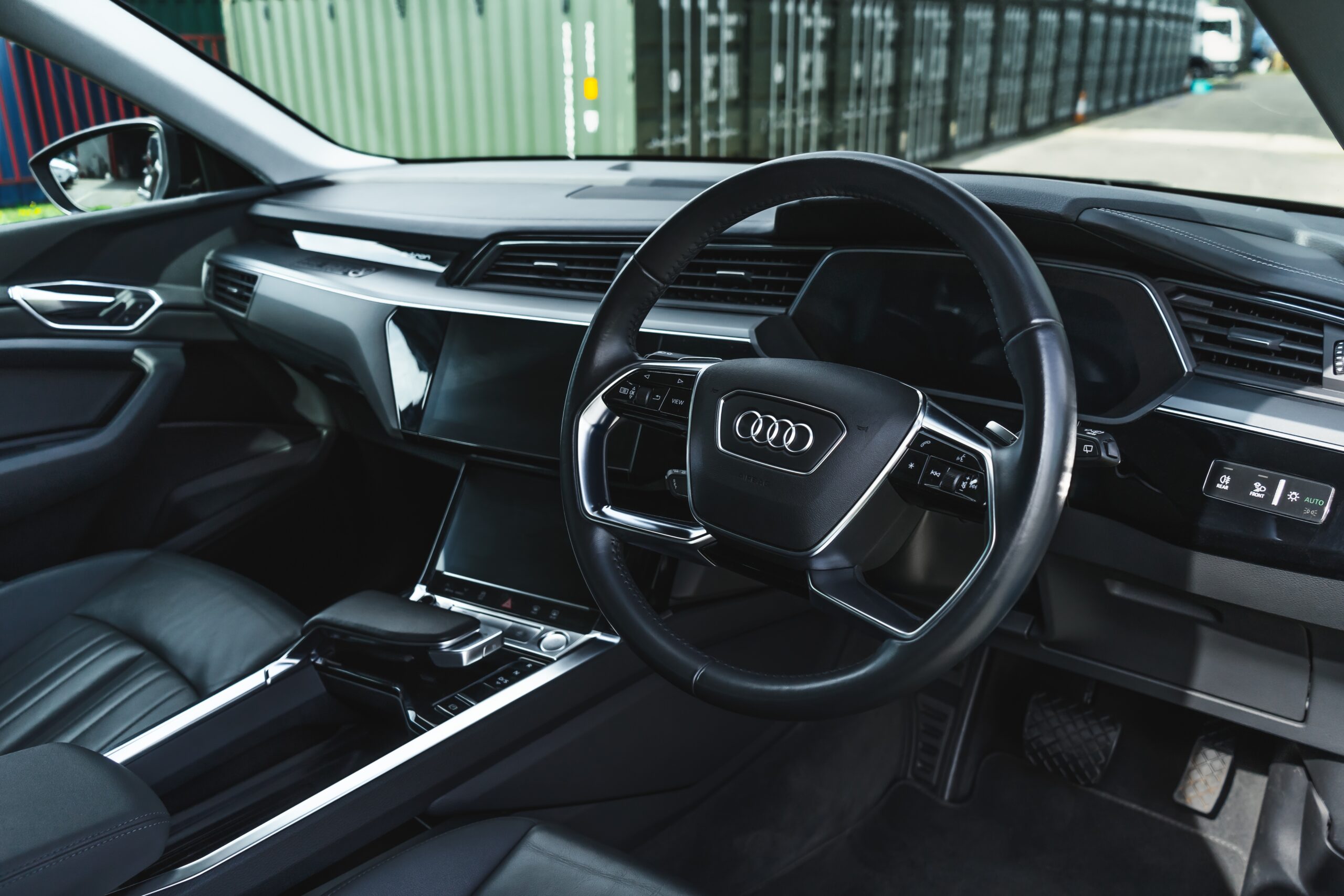
Walk into any modern car dealership, and you’ll find glossy black plastic covering center consoles, dashboard panels, and door trim pieces. It looks stunning in showroom lighting, which is probably the point. The problem reveals itself about fifteen minutes after you drive off the lot, when fingerprints, dust, and microscopic scratches turn that mirror finish into something resembling a crime scene under the right lighting.
Manufacturers love this material because it photographs beautifully and feels premium initially, but owners quickly learn to keep microfiber cloths within arm’s reach. Some luxury brands charge thousands for upgraded trim materials, essentially asking you to pay extra to avoid a material that requires constant maintenance.
It’s become such a universal frustration that aftermarket companies have built entire product lines around covering or replacing these surfaces as carmakers promise to discontinue its use in newer models.
Touch-Sensitive Climate Controls

Physical buttons and switches for climate control worked perfectly well for decades, providing tactile feedback you could operate without taking your eyes off the road. Then touchscreens became synonymous with technology and sophistication, and suddenly every function needed to live behind glass.
Adjusting the temperature now often requires navigating through menus, or worse, using touch-sensitive panels that don’t confirm your input until the cabin temperature has already swung ten degrees in the wrong direction. The issue becomes particularly apparent in winter when gloves make these controls nearly impossible to use, or during summer when sweaty fingers don’t register touches properly. Even high-end manufacturers have fallen into this trap, with some $80,000 vehicles requiring three screen taps to do what used to take one click of a switch.
The good news is that some automakers are quietly reintroducing physical controls after hearing consistent feedback from drivers who just want to adjust the fan speed without launching a mission to Mars.
Fake Exhaust Tips
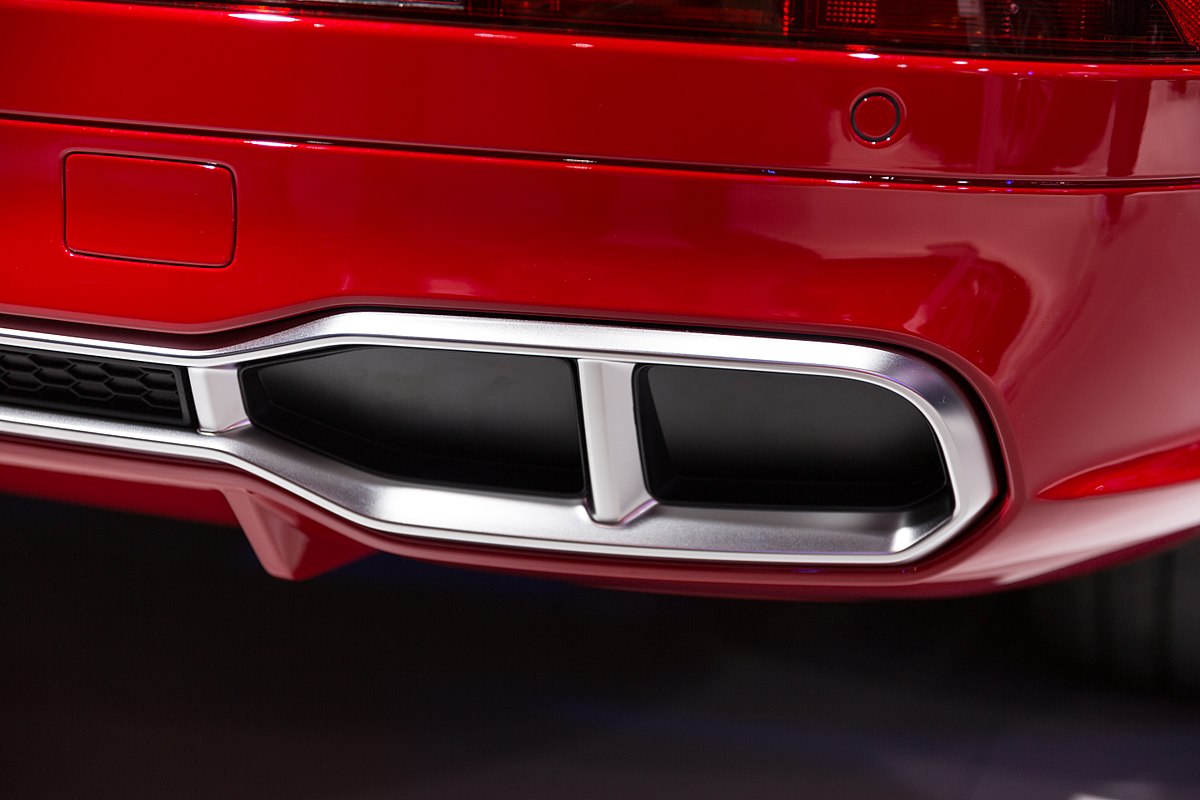
Modern emissions regulations have made actual exhaust outlets smaller and less visually prominent, which is perfectly fine for the environment and efficiency. What’s puzzling is the industry’s response: adding large, decorative exhaust tips that aren’t connected to anything, with the real exhaust hiding behind them or exiting elsewhere.
You’ll find these on everything from family sedans to six-figure performance cars, where Chrome-plated fakery surrounds a pipe that does absolutely nothing. It’s like wearing a tuxedo T-shirt — everyone can tell what’s going on, and nobody is particularly impressed. The practice has become so common that car enthusiasts have developed a sport of spotting these fakes in parking lots, peering underneath to find the actual exhaust outlet tucked away somewhere less photogenic.
Some manufacturers have started embracing honest design again, either hiding exhausts completely on electric vehicles or showing the real pipes on performance models.
Electronic Parking Brakes

The traditional handbrake gave drivers direct mechanical control, worked regardless of battery status, and provided an essential backup system. Electronic parking brakes replace all that with a small button that activates motors to engage the rear brakes, which sounds more sophisticated until you actually need to use one.
They’re slower to engage and release, they make strange whirring sounds that send new owners scrambling for the owner’s manual, and they become completely useless if your battery dies, well not always, but in some cases. For driving enthusiasts, they’ve eliminated the ability to perform certain techniques that were useful in snowy conditions or emergency situations. The systems also add complexity and repair costs, with replacement running several hundred dollars versus around fifty dollars for a traditional cable system.
Manufacturers argue they save interior space and enable automatic features like hill-hold assist, though many drivers would happily trade those conveniences for the simplicity and reliability of a lever they could actually pull.
Undersized Spare Tires
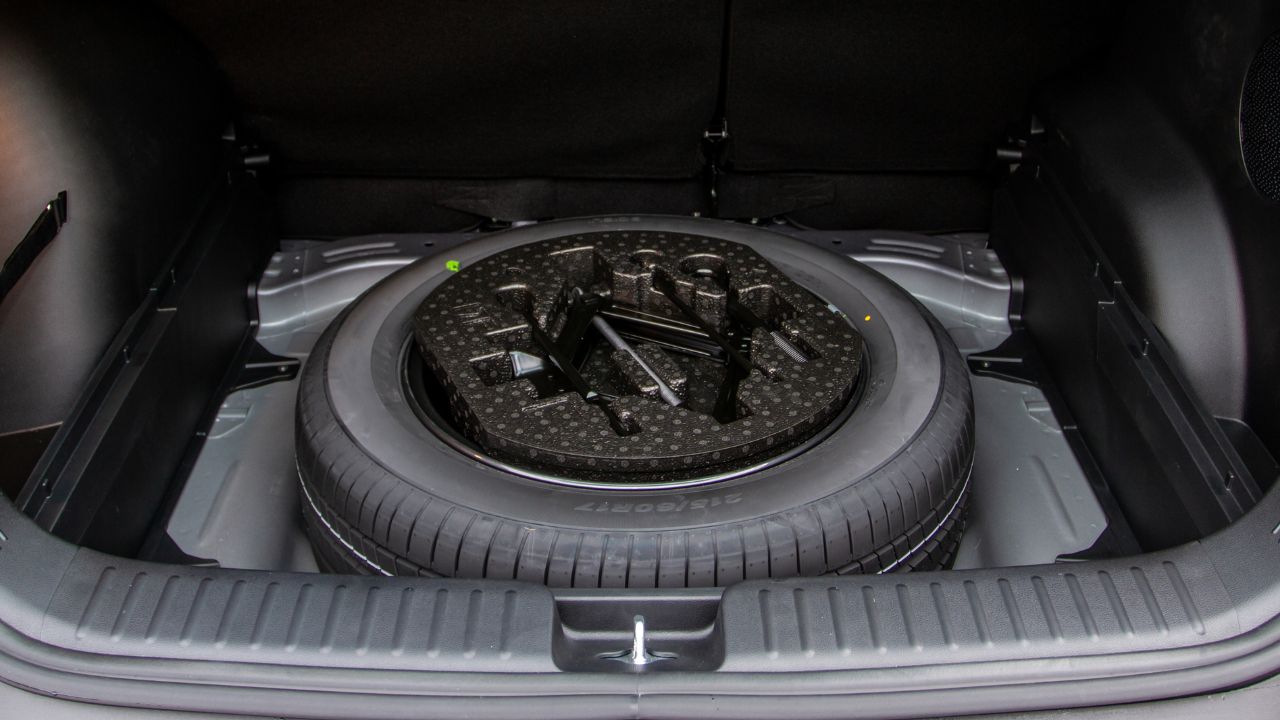
Full-size spare tires were once standard equipment, giving drivers confidence that a flat wouldn’t completely derail their plans. Today, most vehicles come with temporary “donut” spares that look like they belong on a riding lawnmower, rated for just 50 miles at 50 mph maximum.
These space-savers certainly live up to their name, freeing up trunk room and reducing vehicle weight by a few pounds. However, they turn a minor inconvenience into a much bigger problem, especially if you’re far from a tire shop or experience a flat during a road trip. The speed and distance restrictions mean highway driving becomes dicey, and the mismatched tire affects your vehicle’s handling and potentially its all-wheel-drive system.
Even more frustrating is that many vehicles now skip the spare entirely, providing only an inflation kit that’s useless if you have a sidewall puncture or serious damage.
Capacitive Steering Wheel Sensors

Modern driver assistance systems need to know if your hands are on the wheel, which makes sense for safety. The traditional solution used a simple torque sensor that detected when you applied slight steering input. Newer systems use capacitive sensors that detect the electrical properties of your skin touching the wheel, similar to smartphone screens.
This sounds high-tech until you’re wearing gloves, have dry hands, or are simply resting your hands on the wheel without gripping it the way the system expects. The result is constant nagging from your vehicle insisting you put your hands on the wheel that they’ve been on the entire time. Some systems are so sensitive they’ll complain even when you’re actively steering, while others require you to practically strangle the wheel to register contact.
Engineers continue tweaking these systems with software updates, but many drivers miss the days when their car trusted them to know how to hold a steering wheel.
Overly Aggressive Auto Start-Stop

Start-stop systems shut off the engine at traffic lights to save fuel and reduce emissions, which is genuinely beneficial for the environment and your wallet. The technology has improved significantly since its introduction, with most systems now restarting smoothly and quickly.
Where manufacturers go wrong is tuning these systems too aggressively, so the engine cuts out in situations where you really don’t want it to. Nothing quite matches the experience of having your engine shut off while you’re in the middle of a turn, inching forward in traffic, or waiting at a stop sign for just a second before proceeding.
Many systems require you to disable them manually every single time you start the car, since the system resets to active mode by default.
Thankfully, aftermarket devices and coding modifications can make the disable function permanent for those who find the system more annoying than helpful.
Poor Rear Visibility
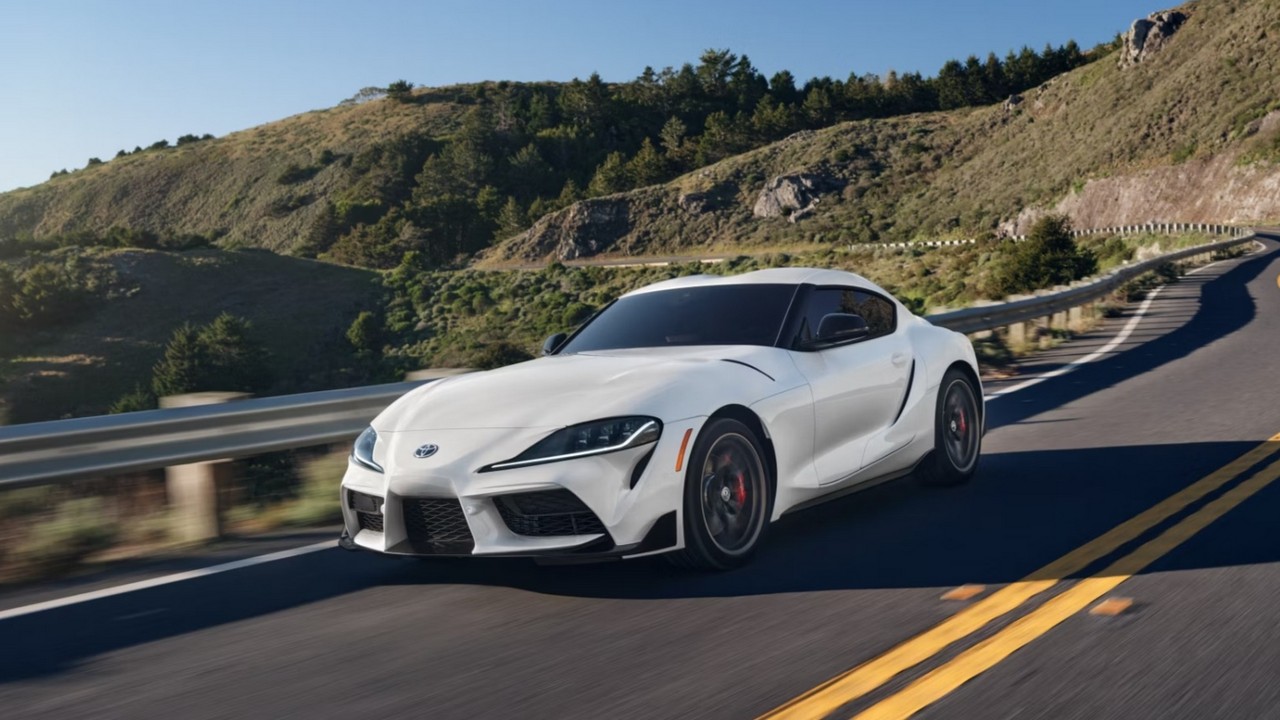
Styling trends emphasizing aggressive rooflines, high belt lines, and small rear windows have created vehicles with blind spots you could hide a compact car in. Backup cameras became mandatory in the US for 2018 model years specifically because visibility had gotten so poor, but cameras don’t help when you’re trying to merge or check your shoulder.
The chunky C-pillars that look dramatic in profile make parallel parking an adventure and turning across traffic a leap of faith. Some vehicles combine thick pillars with small rear windows and high-mounted headrests to create a perfect storm of obstructed views. Manufacturers argue that modern design demands these proportions, and they install blind-spot monitoring systems to compensate.
Said one Supra owner on Reddit: “You seriously need to get the drivers assistance package that has the blind spot monitoring. Visibility is pretty good all around except the blind spots are horrible.”
However, technology shouldn’t have to fix a problem that wouldn’t exist with better design choices, especially when older vehicles proved you could have both good looks and good sightlines. The Mazda MX-5 Miata continues to demonstrate that excellent visibility can coexist with attractive styling, making you wonder why more manufacturers don’t prioritize this fundamental safety feature.
Touchscreen Gear Selectors
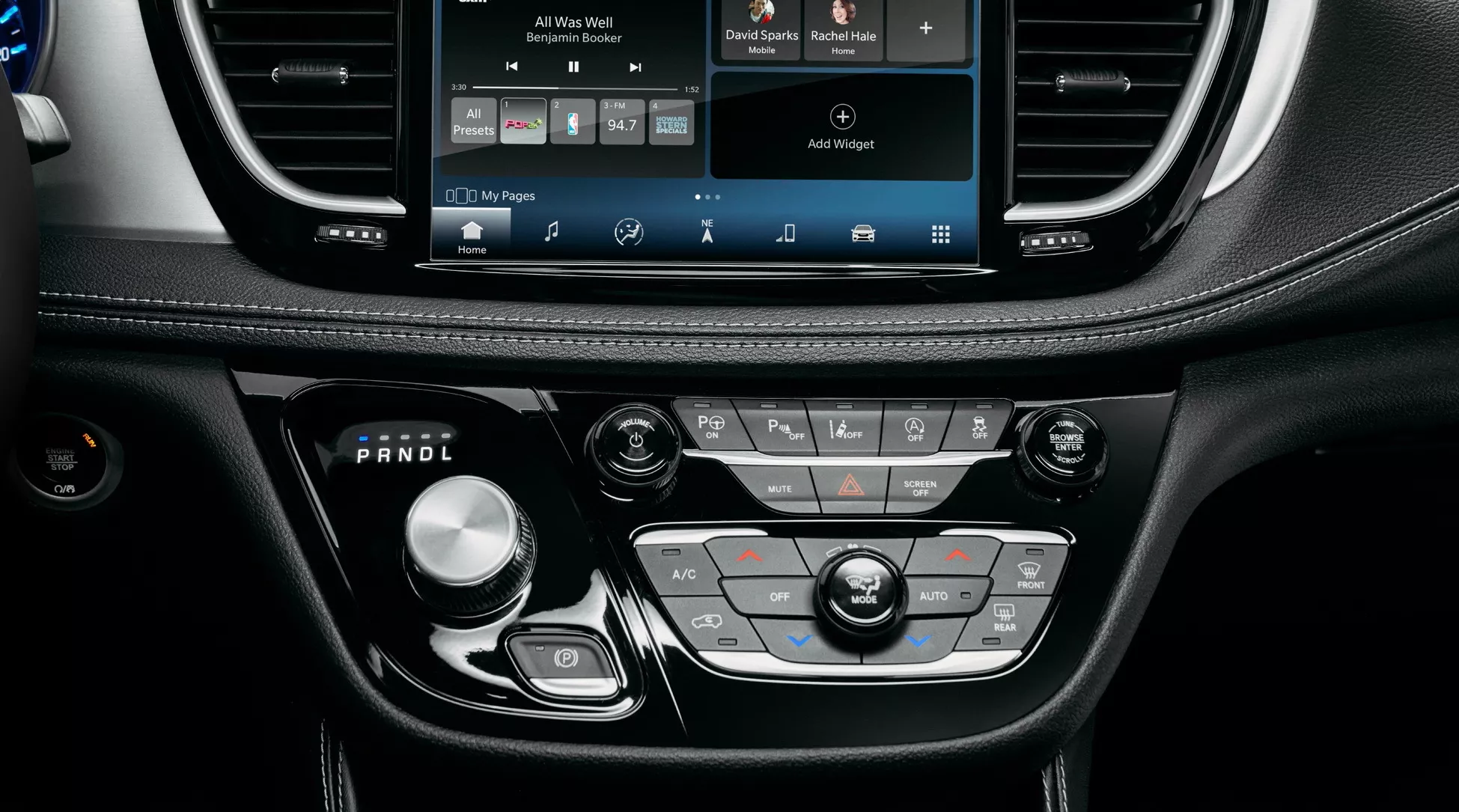
The traditional gear lever provided clear, tactile feedback about what gear you’d selected, with distinct positions you could feel and see without looking. Now some vehicles use touchscreen buttons, toggles, or rotary dials that require precise inputs and careful attention.
These electronic selectors work fine most of the time, but they introduce failure points that didn’t exist with mechanical linkages and can be confusing in emergency situations when you need to shift quickly. The lack of physical feedback means you might not realize you’re in the wrong gear until you’ve already started moving, which has led to some well-documented incidents of drivers accidentally selecting the wrong direction.
Some systems automatically shift to park when you open the door, which sounds helpful until it happens while you’re trying to guide the car into a tight spot with the door open. A few automakers have started walking back these designs after receiving feedback, proving that sometimes the old way really was better for good reason.
Infotainment Systems That Control Everything
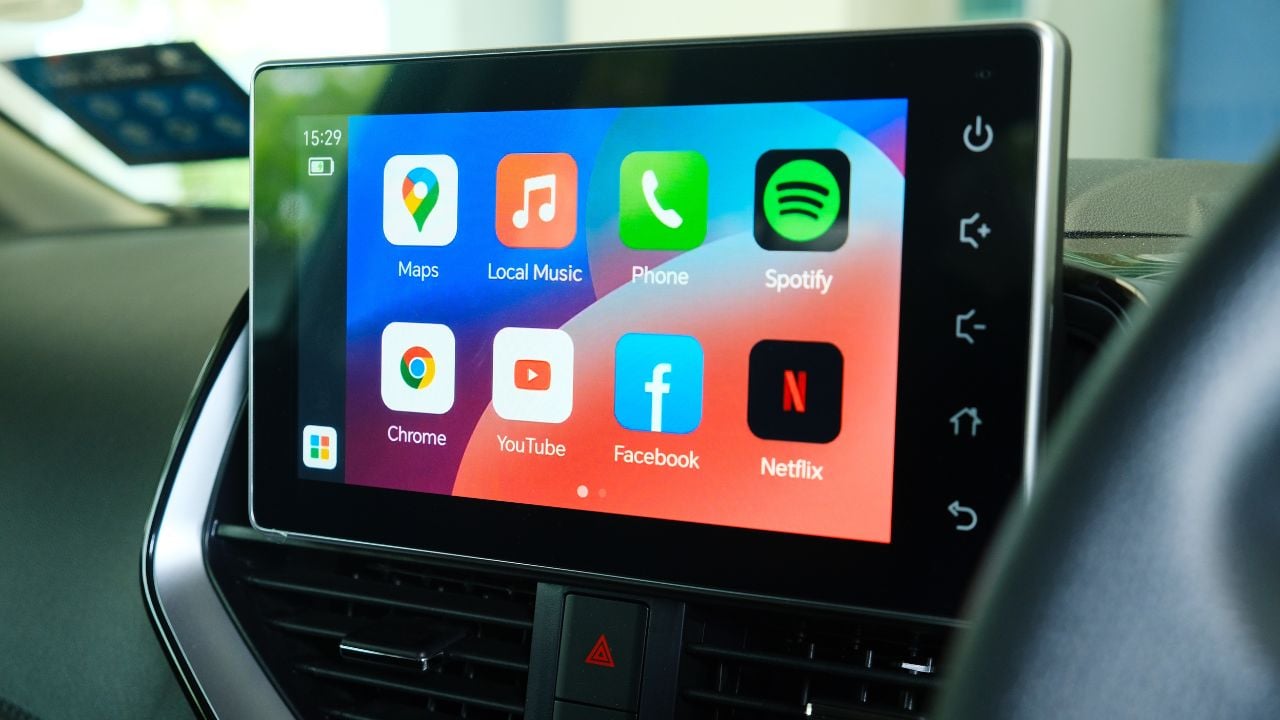
Central touchscreens have consolidated entertainment, navigation, and vehicle settings into one place, which works great for reducing button clutter. The trouble starts when these systems control basic functions like adjusting mirrors, changing drive modes, or turning on heated seats.
If the system crashes, freezes, or becomes unresponsive — which happens more often than anyone wants to admit — you’ve lost access to multiple vehicle functions at once. Software updates can introduce bugs or change menu layouts you’d finally memorized, and some systems lag so badly that inputs don’t register for several seconds. The integration of critical functions means you’re often navigating through submenus while driving, taking your attention off the road for longer than necessary.
Luxury brands sometimes charge $2,000 or more for these systems, then require expensive dealership updates when things go wrong. The industry is slowly learning that some functions work better with dedicated physical controls, though the pendulum swung pretty far toward touchscreen-everything before that lesson sank in.
Cylinder Deactivation Systems
Shutting down cylinders when you don’t need full power sounds like brilliant engineering, saving fuel without sacrificing capability. Modern cylinder deactivation systems are generally much smoother than earlier versions, with some operating so seamlessly you’d never know they were active.
Where things get tricky is with long-term reliability and the added complexity these systems introduce. The engines cycle constantly between different cylinder counts, putting stress on components and requiring additional hardware like special valve lifters and control solenoids. Some systems have proven durable over hundreds of thousands of miles, while others have developed problems with lifters, excessive oil consumption, or rough transitions between modes.
The fuel savings are real but modest, typically around 5-10% under ideal conditions, which may not offset the increased maintenance and repair costs. Engineers continue improving these systems with each generation, though it’s worth noting that many performance variants of engines disable the feature entirely for reliability reasons.
Fake Engine Sounds

Turbocharged and efficient engines run quieter than their predecessors, which is great for reducing noise pollution and cabin noise. Some manufacturers decided that customers buying performance vehicles would miss engine noise, so they pump synthesized sounds through the speakers.
These audio enhancements range from subtle amplification of actual engine sounds to completely artificial compositions that bear little resemblance to what’s happening under the hood. Enthusiasts can usually tell immediately when the engine note doesn’t match the RPMs or changes with the volume button, which defeats the entire purpose. The systems add cost and complexity while providing an experience that feels less authentic than simply enjoying the actual mechanical sounds of the vehicle.
Some drivers appreciate the extra auditory feedback, particularly in electric vehicles where fake sounds can provide useful information about acceleration. However, most car enthusiasts would prefer either genuine engine noise or honest silence rather than a stereo system pretending to be an exhaust note.
Conclusion
The automotive industry continues to innovate and improve in countless ways, giving us safer, more efficient, and more capable vehicles each year. These persistent design quirks don’t diminish the overall quality of modern cars, which are genuinely impressive machines.
What’s interesting is how these choices keep appearing despite clear feedback from customers and automotive journalists who’ve pointed out the issues for years. Sometimes the explanation is regulatory requirements, other times it’s cost savings or manufacturing efficiency, and occasionally it’s simply that designers prioritize aesthetics over practicality.
The encouraging news is that manufacturers do eventually listen and make changes, even if it takes longer than we’d like. As we head toward an increasingly electric and automated future, hopefully, the industry will learn from these missteps while creating the next generation of vehicles we’ll love to drive.