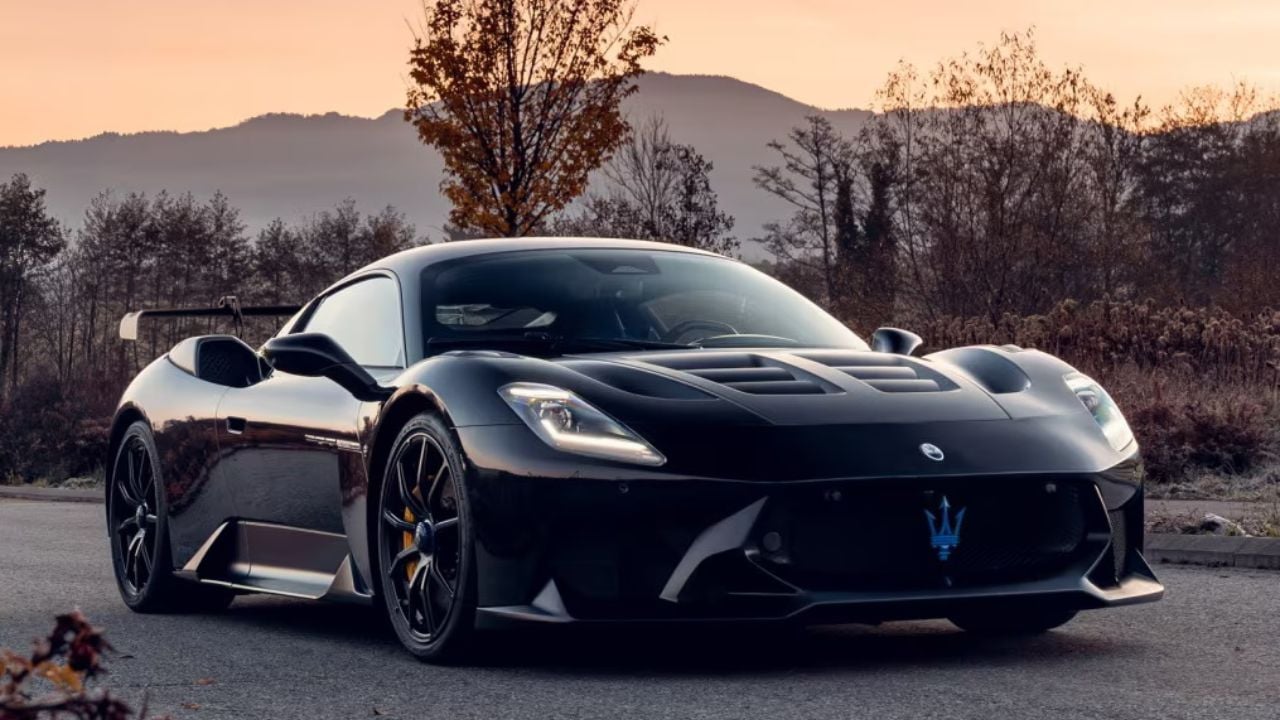
The idea sounds unlikely at first: China’s BYD and Italy’s Maserati in the same luxury-car conversation. But the logic is not hard to see. BYD has electric-vehicle scale, battery technology, and global ambition. Maserati has the trident badge, Italian performance history, and the kind of emotional value a fast-growing automaker cannot create overnight.
The speculation grew after Stella Li, executive vice president of BYD, described brands like Maserati as “very interesting.” The comment quickly fueled talk about whether one of China’s most powerful automakers could ever form a link with one of Europe’s most famous luxury names.
For now, there is no confirmed deal. Maserati and Stellantis continue to insist that the Italian brand is not for sale. That makes this a story about industry pressure, strategic logic, and changing power in the global car business rather than an announced takeover.
The two companies face very different problems. BYD has scale and EV technology, but it still needs more premium credibility in many global markets. Maserati has heritage and emotional value, but it needs stronger momentum, clearer product planning, and a more convincing electrified future.
Maserati Has The Badge, But Not The Momentum
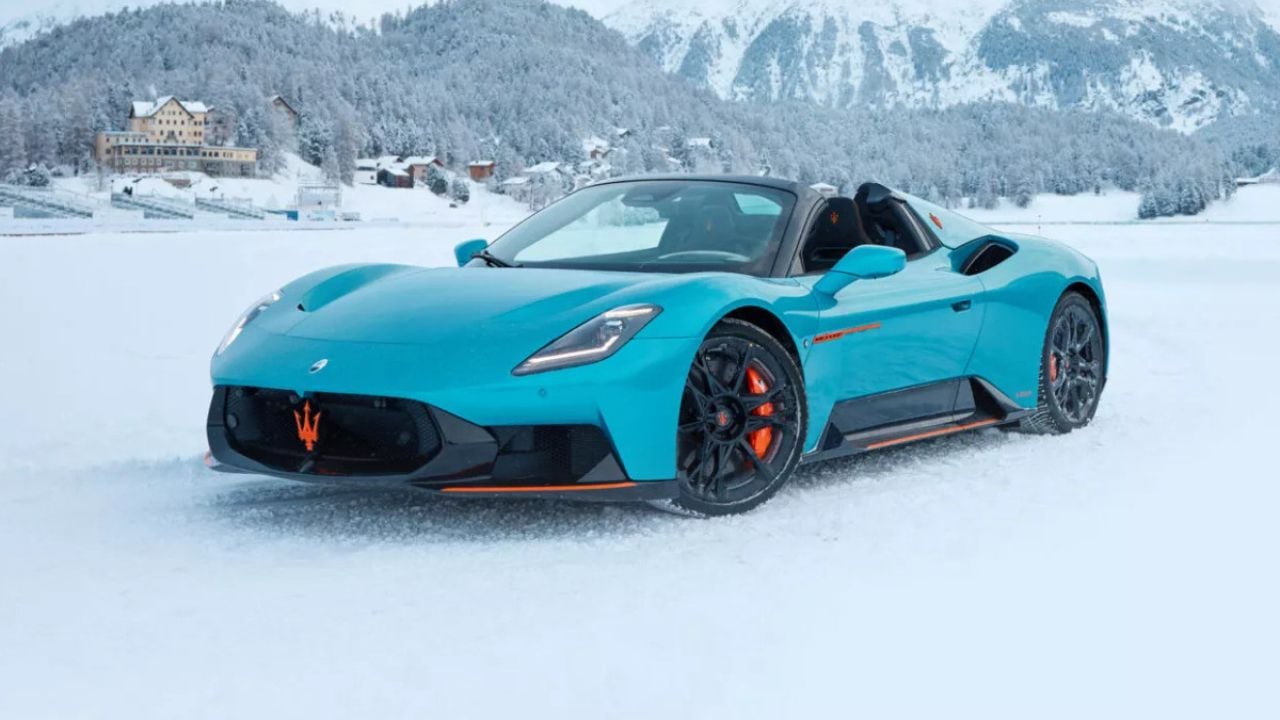
Maserati remains one of the most recognizable names in European performance and luxury. The brand has racing heritage, Italian design credibility, and a badge that still means something to buyers around the world.
The problem is that history alone no longer guarantees success. Maserati has struggled with weak sales, delayed product plans, and uncertainty around its electric strategy. The brand’s sales fell sharply in 2024, and its wider business plan has been under review inside Stellantis.
Stellantis has repeatedly said it remains committed to Maserati. At the same time, the group is managing a large portfolio that includes Jeep, Ram, Peugeot, Fiat, Alfa Romeo, Citroën, Opel, Dodge, Chrysler, and several other brands.
That creates a difficult business reality. Smaller luxury brands need constant investment, clear product planning, strong dealer confidence, and a very precise identity. Maserati still has the name, but it needs a stronger next chapter to compete with Porsche, Bentley, Aston Martin, Ferrari, and high-end electric rivals.
BYD Has The Technology, But Wants More Prestige
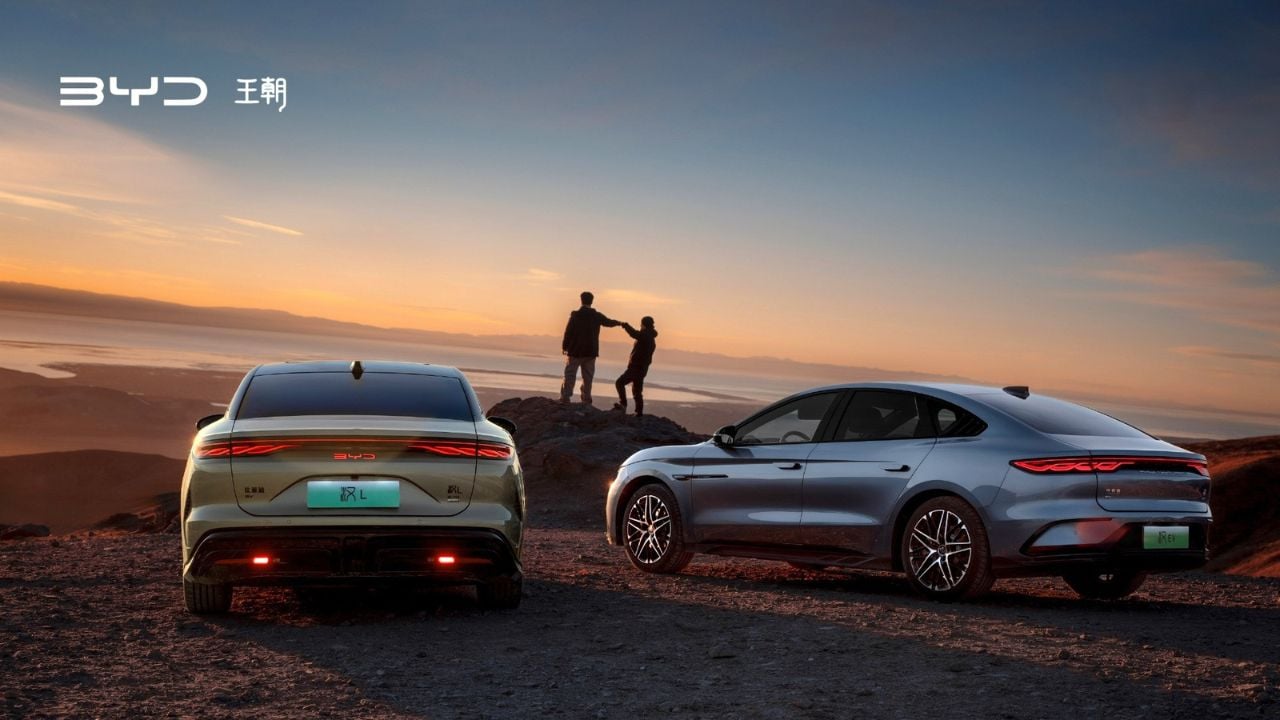
For BYD, a connection with Maserati would offer more than a famous name. The Chinese automaker is expanding quickly outside its home market and wants stronger global recognition, especially as competition in China grows more intense.
Europe is a major part of that strategy. BYD is already building its own factory in Hungary and has explored ways to localize more production in the region. Local manufacturing can help with tariffs, supply chains, and political pressure as Chinese automakers push deeper into European markets.
BYD already has major strength in batteries, electric drivetrains, plug-in hybrids, software, and cost-efficient manufacturing. What it still lacks in many markets is the emotional weight and heritage that European luxury brands have built over decades.
A partnership, investment, or acquisition, if either side ever pursued one, would give BYD a shortcut into that world. It would also help the company show that Chinese automakers are moving beyond value-focused EVs and into more prestigious territory.
Maserati Could Use Technology And Investment
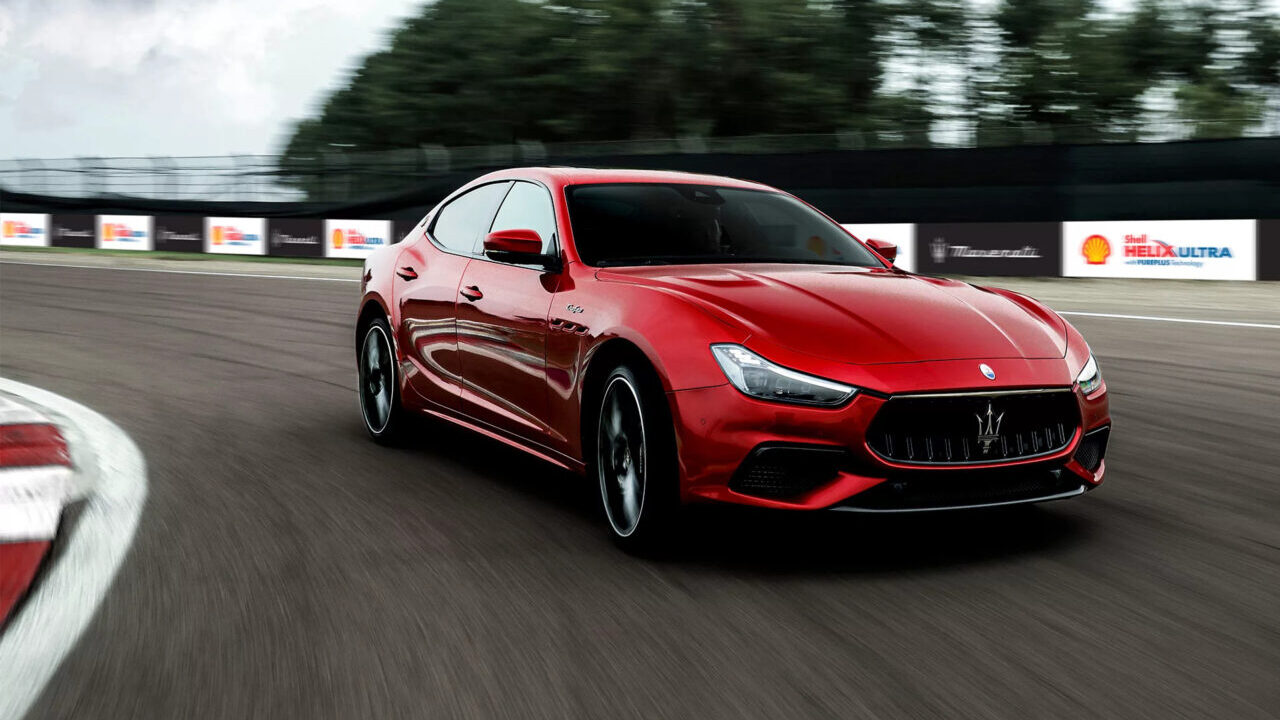
Maserati would also have something to gain from a strong technology partner. The brand needs fresh investment, faster development, and a clearer product plan if it wants to stay relevant in the modern luxury market.
BYD’s battery and electric drivetrain expertise could be valuable in that transition. The Chinese company controls much of its own EV supply chain, which gives it cost and technology advantages that many legacy automakers are still trying to match.
That kind of support could help Maserati develop new electric and hybrid models more quickly. It could also reduce development costs at a time when low-volume luxury brands face intense financial pressure.
The challenge would be identity. Maserati cannot become just another electric platform with an Italian badge. Any future product would still need the design, emotion, speed, sound, and driving character buyers expect from the trident.
A Partnership Makes More Sense Than A Takeover
A full BYD takeover of Maserati would be complicated. Maserati is deeply tied to Italian automotive identity, and any Chinese acquisition of the brand would attract attention from unions, government officials, dealers, suppliers, and longtime customers.
Stellantis would also have to decide whether selling Maserati would help or weaken the group. The brand has been one of the company’s most difficult luxury assets, but it still gives Stellantis a name with global prestige.
A strategic partnership could be easier to imagine than a full acquisition. BYD could provide technology, batteries, software, manufacturing support, or investment while Maserati keeps its brand structure and Italian identity.
Even that would require careful negotiation. Maserati would need to protect its image, while BYD would need a clear reason to invest in a low-volume luxury brand instead of building its own premium identity from within.
Motorsport Makes The Speculation More Tempting
The motorsport angle makes the rumor more interesting, but it also needs caution. Reports have suggested that BYD has explored possible ways to enter Formula 1, although no formal entry has been confirmed.
At first, that idea may seem unusual for a company best known for electric vehicles and family-focused models. Formula 1 is still built around hybrid combustion technology, global visibility, technical prestige, and huge marketing reach.
If BYD ever pursued Formula 1, a European performance badge would make the branding story more natural. A trident-badged project would carry more emotional weight than a purely corporate BYD entry.
For now, there is no confirmed BYD Formula 1 program and no confirmed Maserati connection to any such plan. Formula 1 requires massive investment, long-term commitment, technical depth, and approval from the sport’s commercial and regulatory structure.
The Obstacles Are Bigger Than The Logic

Industry experts remain cautious about the idea of BYD taking over Maserati. Such a move is not impossible, but there is no clear sign that the conditions are in place right now.
Stellantis has little reason to publicly weaken Maserati’s position by admitting it would consider a sale. BYD, meanwhile, has its own financial and strategic priorities as competition grows in China and Europe.
There would also be cultural risk. Maserati buyers expect Italian design, performance emotion, and a sense of heritage. If a future product felt like a rebadged technology exercise, the badge could lose the very value that made it attractive in the first place.
That is why any serious link would need to be handled carefully. BYD could bring technology and scale, but Maserati would still need to feel like Maserati.
The Rumor Shows How Much Power Has Shifted
The larger point is that Chinese automakers are no longer focused only on low prices and fast production growth. Companies such as BYD are now looking for global influence, stronger branding, better technology positioning, and more credibility in premium markets.
That changes the future of the industry. European brands with heritage but weak finances could become attractive partners or targets for Chinese companies with scale, cash, and electric-vehicle expertise.
Maserati may not be for sale today, and no confirmed BYD deal exists. Still, the fact that such speculation feels realistic shows how much the balance of power has changed.
A decade ago, the idea of a Chinese automaker being linked to Maserati would have sounded unlikely. Today, it feels like part of a much larger transformation in the global auto industry.
This article was originally published by Autorepublika.com and is republished with permission. It has been reviewed and edited by Guessing Headlights.