
Remember when road trips meant actually stopping to see the weird stuff? Before smartphones turned us all into navigation robots, America’s highways were dotted with gloriously bizarre attractions that made you slam on the brakes and say, “We have to see that.”
The good news is that many of these roadside legends are still standing, still weird, and still absolutely worth the detour. Whether you’re planning a cross-country cruise or just looking for an excuse to stretch your legs between fuel stops, these attractions remind us that the journey can be just as memorable as the destination.
They represent a uniquely American tradition of entrepreneurial oddity that turned ordinary highways into adventure routes.
Carhenge, Alliance, Nebraska
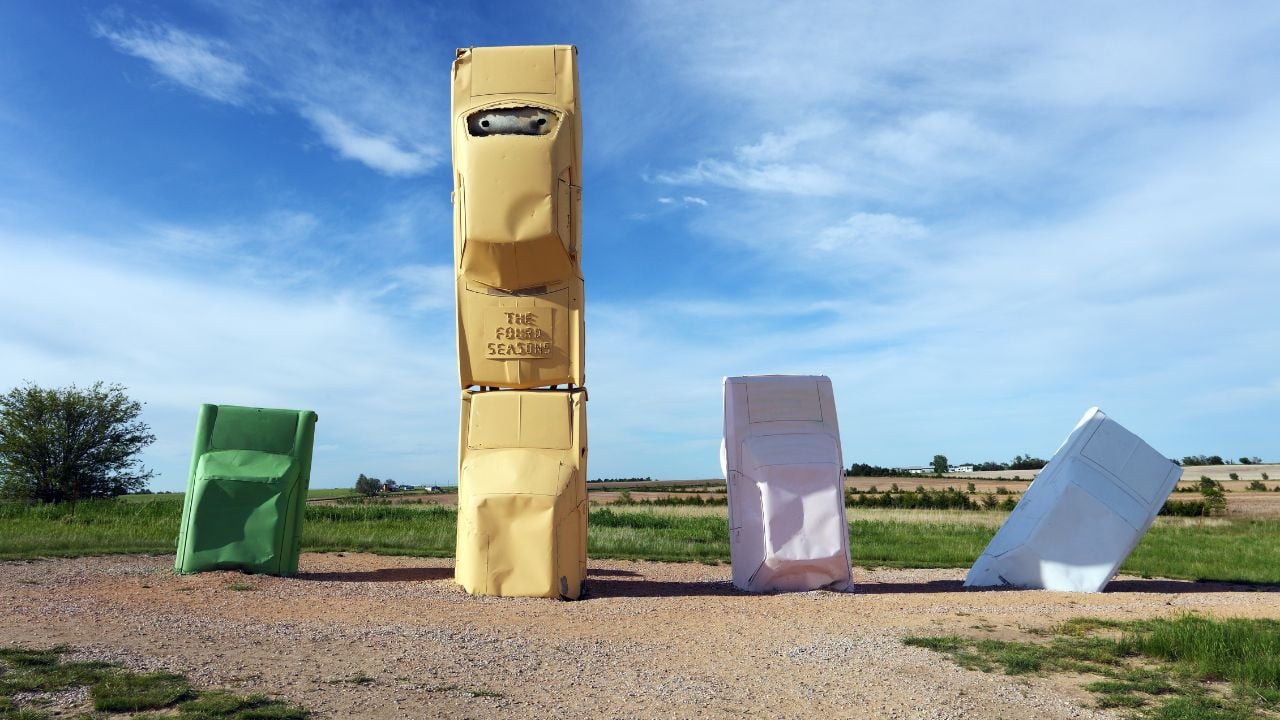
England has Stonehenge, but Nebraska has something better: 39 vintage American cars arranged in the same formation, spray-painted gray to complete the illusion. Built in 1987 as a tribute to his father, artist Jim Reinders used cars from the 1950s and 1960s and 1970s to create this automotive monument on the high plains.
The site now includes additional car sculptures in a “Car Art Reserve,” proving that one person’s junkyard is another’s masterpiece. It’s become a pilgrimage site for gearheads who appreciate the intersection of automotive history and absurdist art.
The best part? It’s free, open 24/7, and you can walk right up to these steel giants standing sentinel on the prairie.
The World’s Largest Ball of Twine, Cawker City, Kansas
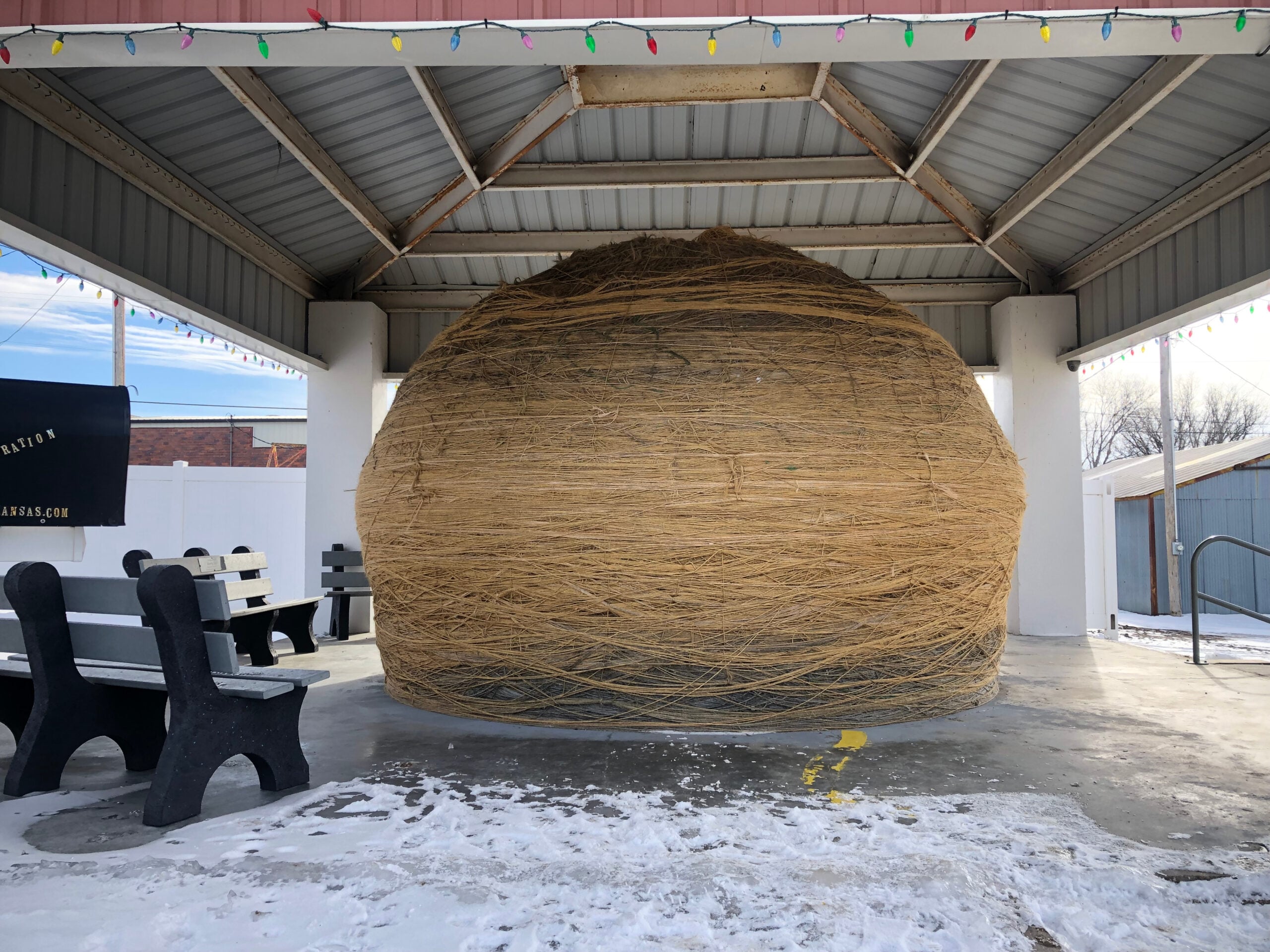
Frank Stoeber started this ball in 1953, and the residents of Cawker City have kept it growing ever since, hosting an annual Twine-A-Thon each August. Today it weighs over 20,000 pounds and measures more than 40 feet in circumference, all protected under an open-air gazebo on Main Street.
There’s something deeply satisfying about a community rallying around something so magnificently pointless. For road trippers, it’s the perfect example of small-town America embracing its quirks and turning them into traditions.
Plus, you can add your own twine to the ball during the festival, making you part of roadside attraction history.
South of the Border, Dillon, South Carolina
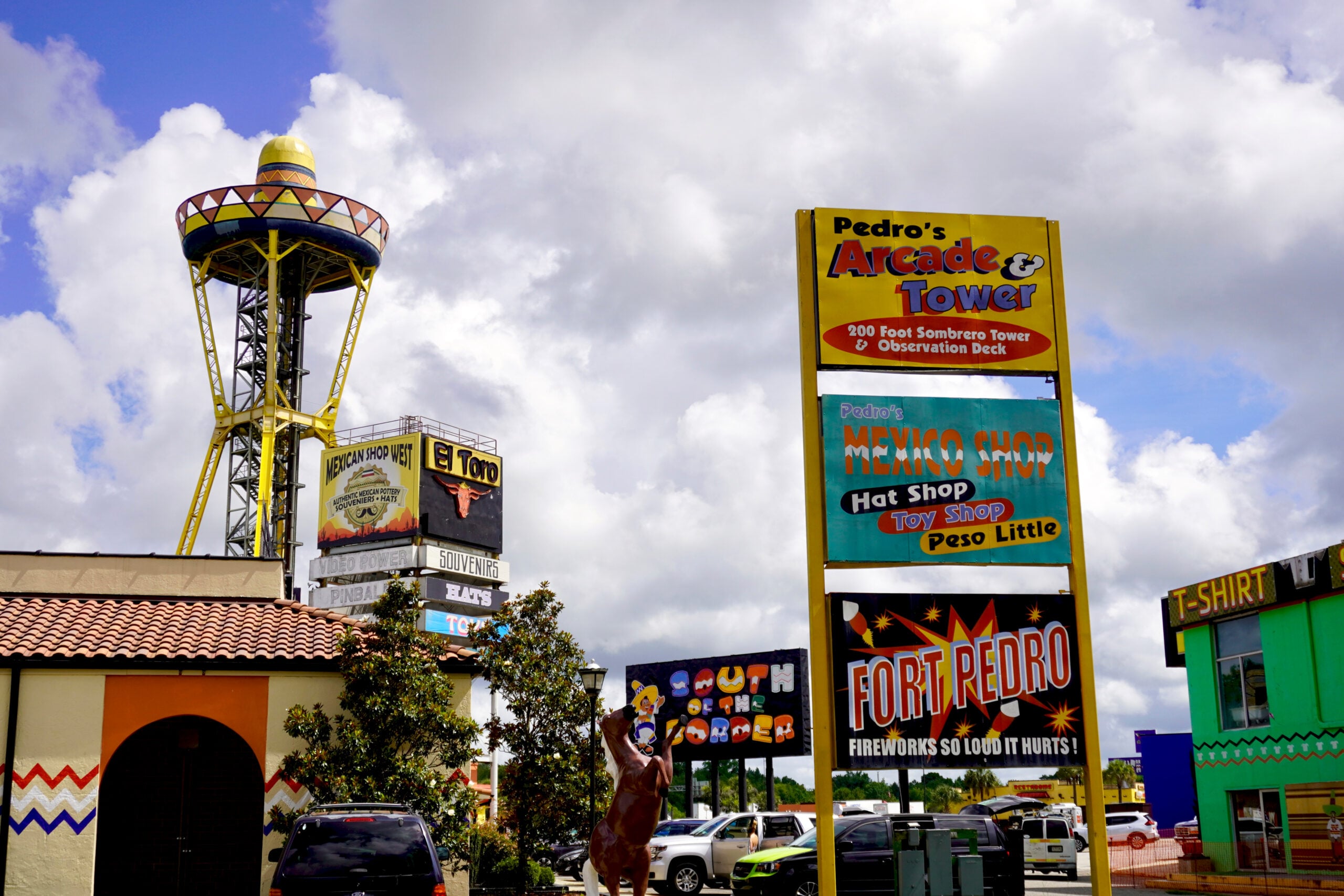
Rising from the flat Carolina landscape like a mirage, this Mexican-themed complex traces its roots to a 1949 beer stand and has been luring travelers off what is now I-95 for decades — today crowned by its 200-foot sombrero tower. Pedro, the mustachioed mascot, appears on hundreds of billboard signs for miles in either direction, creating an unavoidable marketing blitz.
Inside, you’ll find restaurants, gift shops, a reptile exhibit, and enough kitsch to fill your trunk. It’s admittedly dated and over-the-top, but that’s exactly the point—this is roadside Americana in its purest, most unapologetic form.
The place serves as a time capsule of mid-century road trip culture, when attractions didn’t need to be ironic to be entertaining.
Cadillac Ranch, Amarillo, Texas
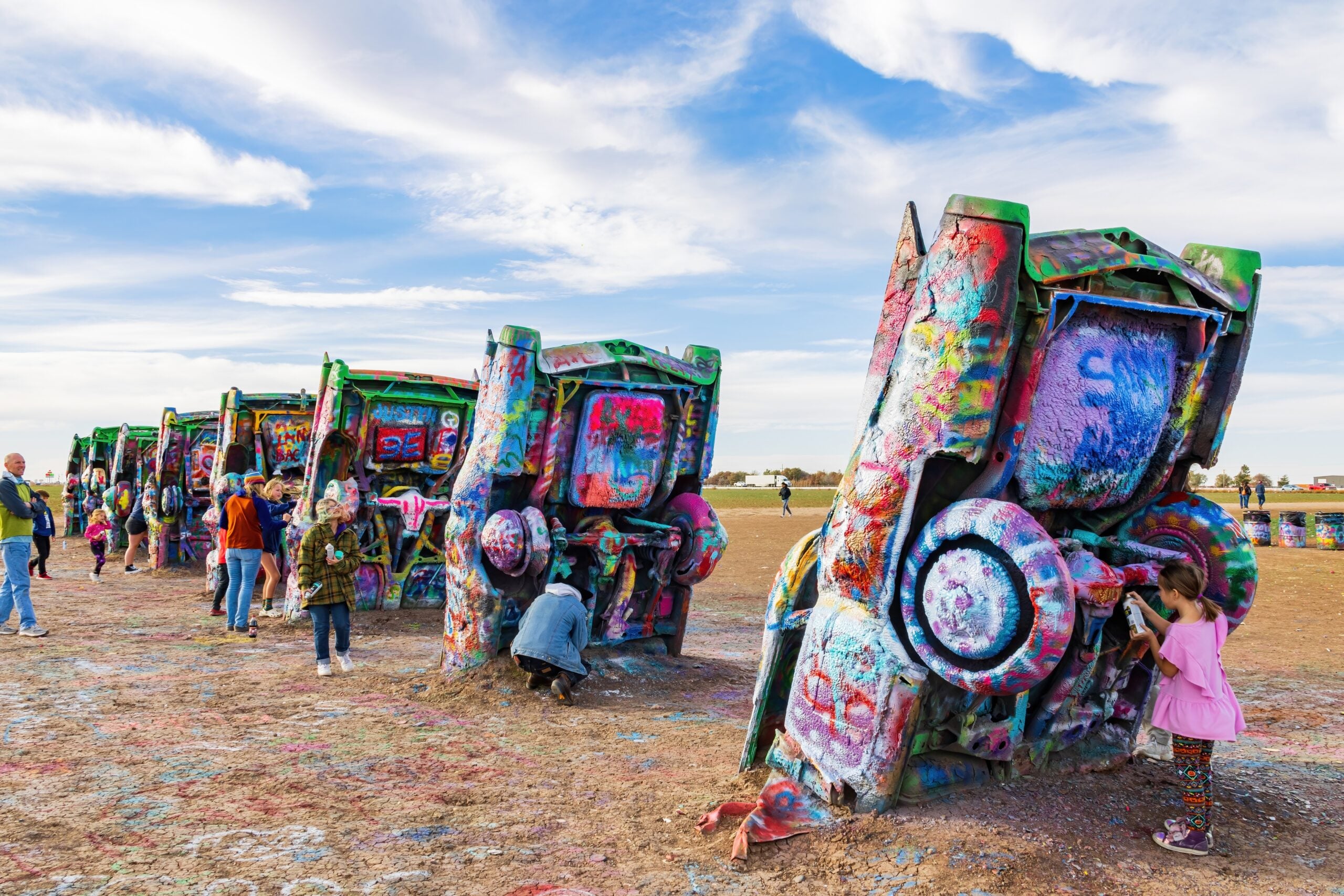
Ten Cadillacs buried nose-down in a Texas wheat field have become one of America’s most photographed roadside installations. Created in 1974 by the art collective Ant Farm, these tail-finned beauties from 1949 to 1963 stand at the same angle as the Great Pyramid of Giza.
Visitors are encouraged to bring spray paint and add their own artwork to the constantly evolving cars. For automotive enthusiasts, it’s a celebration of the golden age of American car design, frozen in time yet perpetually changing.
The installation captures the spirit of personal expression and automotive culture in a way that feels both rebellious and communal.
Lucy the Elephant, Margate City, New Jersey
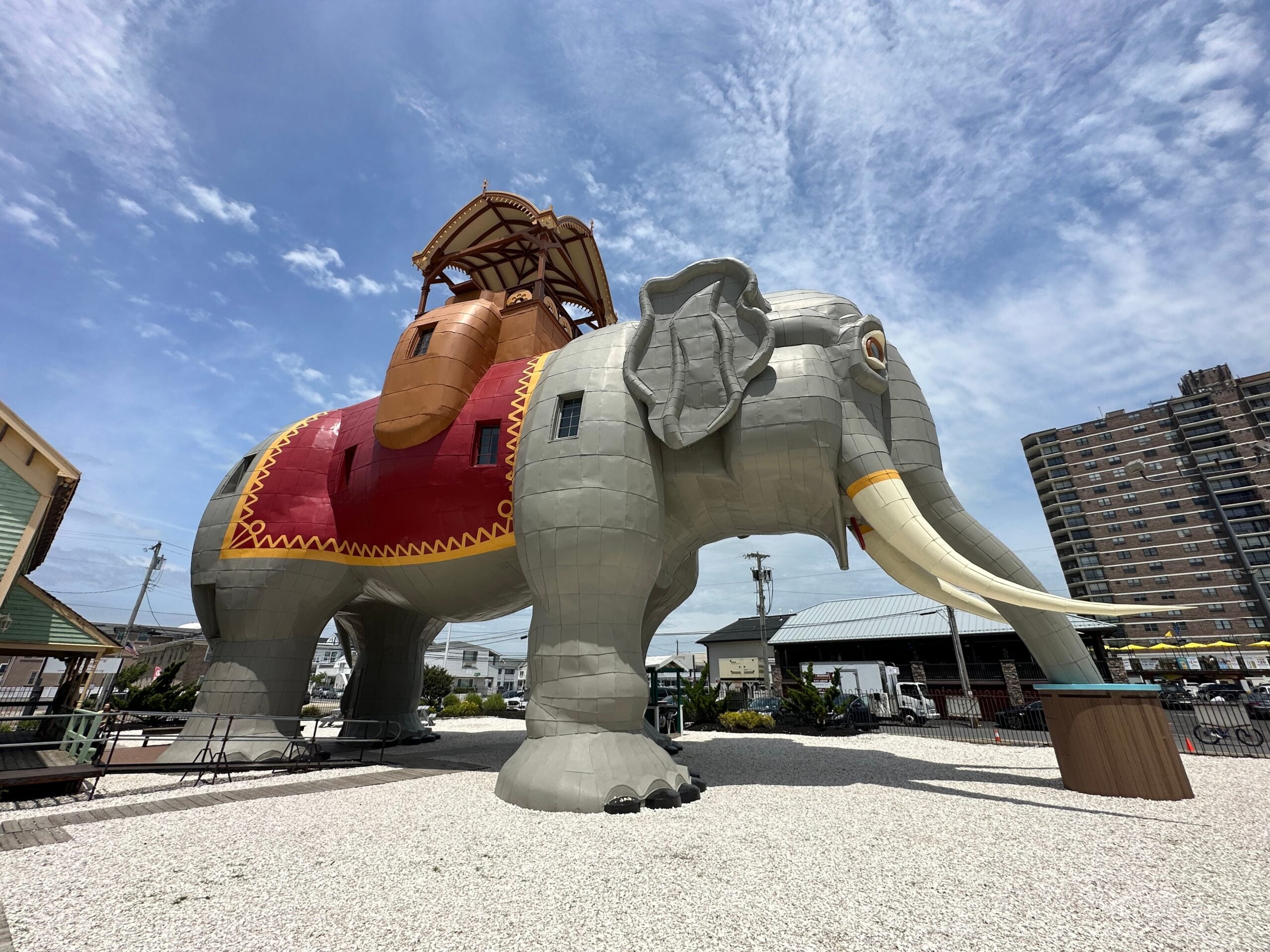
This six-story elephant-shaped building has been watching over the Jersey Shore since 1881, making her one of America’s oldest roadside attractions. Built by real estate developer James Lafferty to attract property buyers, Lucy features a howdah on her back and a small museum inside her belly.
She’s survived hurricanes, neglect, and changing tastes to become a beloved National Historic Landmark. Climbing the spiral staircase through her legs offers views of the Atlantic and a surreal perspective on Victorian-era marketing creativity.
Lucy proves that sometimes the most enduring attractions are the ones that never made practical sense in the first place.
The Thing?, Dragoon, Arizona
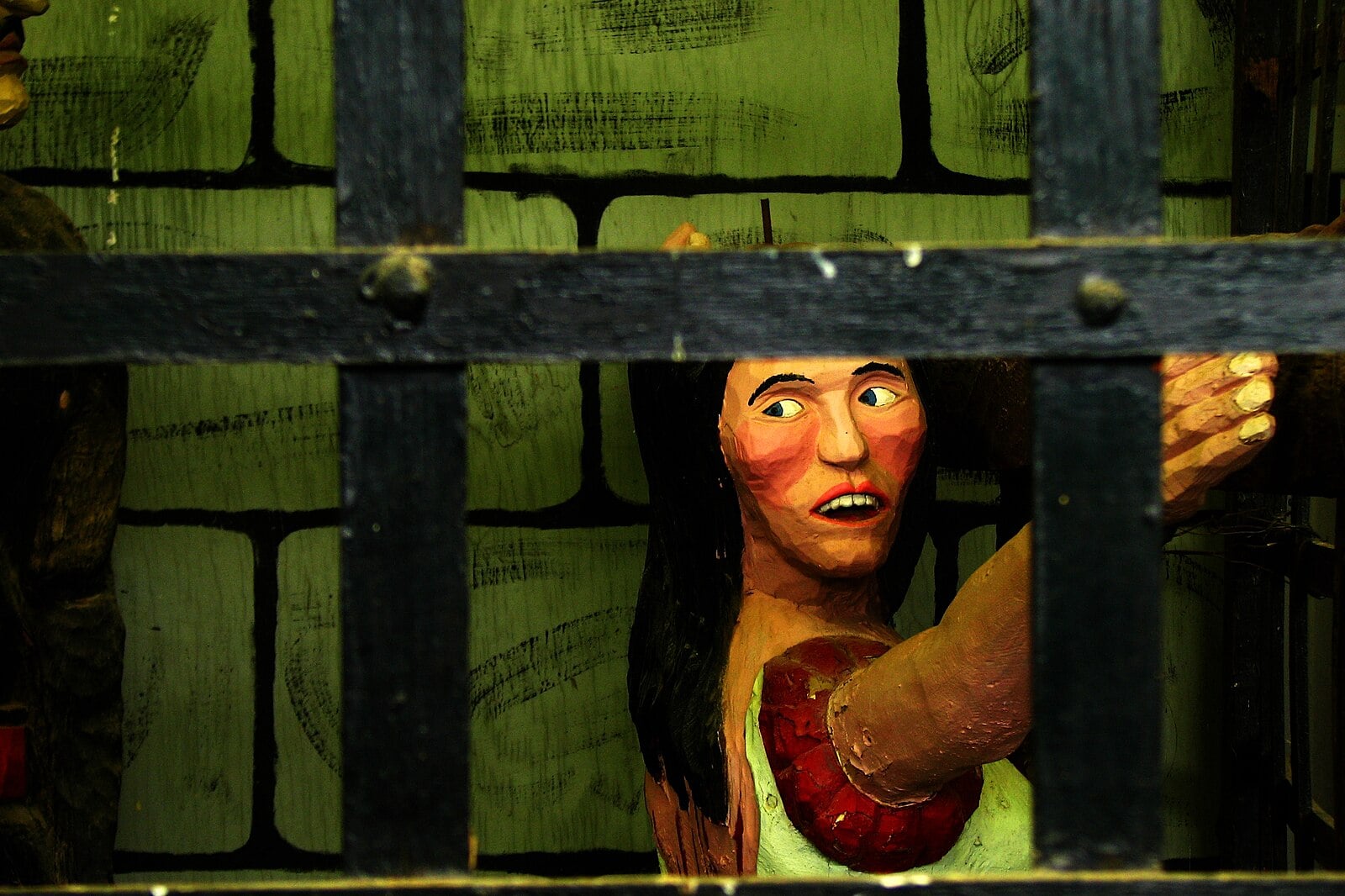
Billboards along I-10 ask the same question for miles: “What is The Thing?” This mystery has been pulling travelers into a desert gift shop since 1965, and we’re not spoiling it here.
What makes it brilliant marketing is that the journey through three buildings of oddities and southwestern kitsch builds anticipation perfectly. The actual reveal might be anticlimactic to some, but that’s missing the point — it’s about the experience, the mystery, and the conversation you’ll have afterward. For a couple of bucks, you get a story that’ll last longer than whatever you bought at the last rest stop.
Plus, the vintage yellow signs scattered across the Arizona desert are iconic pieces of roadside advertising history.
Wall Drug, Wall, South Dakota
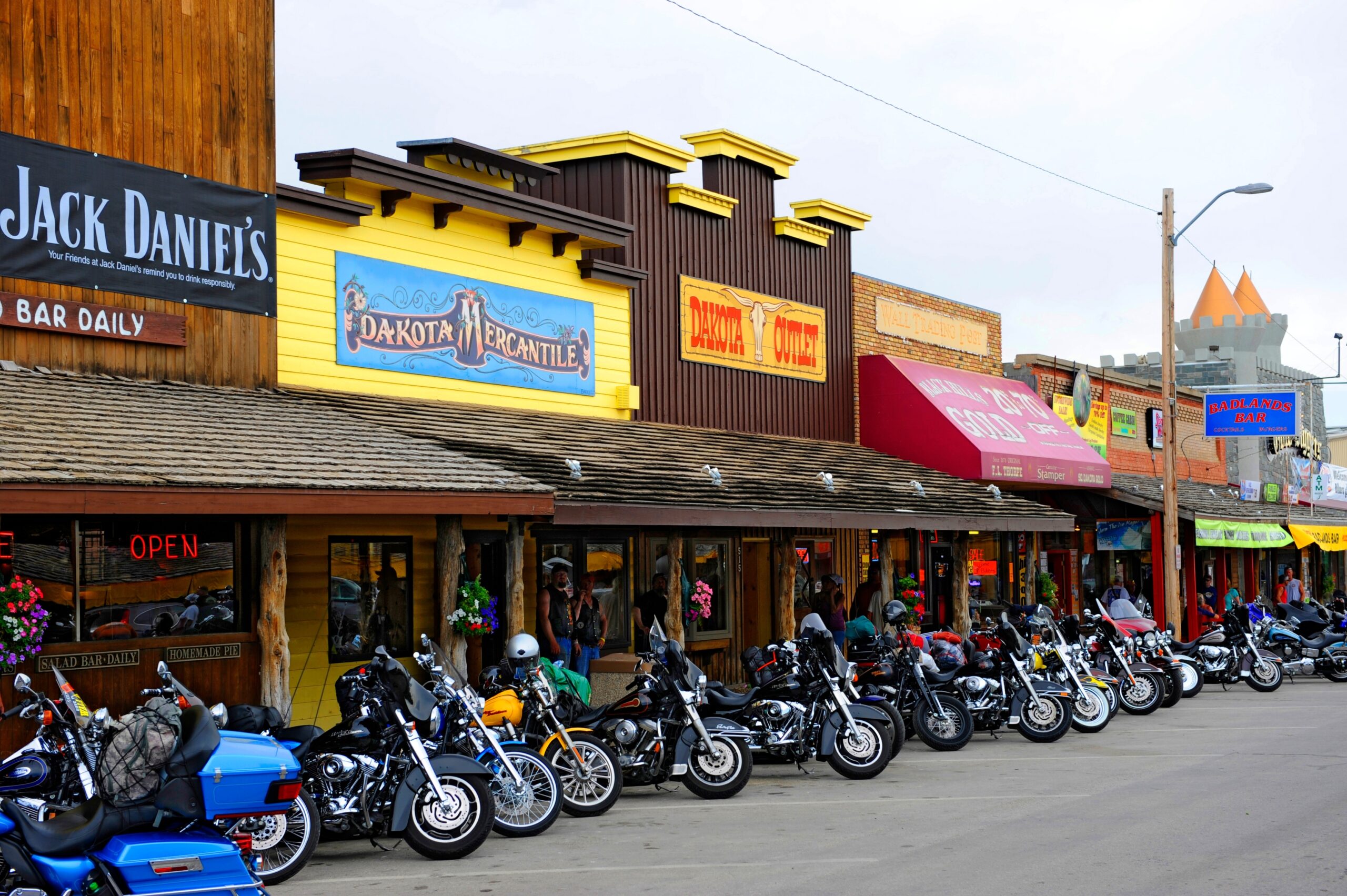
What started as a struggling pharmacy in 1931 became a phenomenon when owners Ted and Dorothy Hustead offered free ice water to thirsty travelers. Today, this 76,000-square-foot complex serves over 20,000 visitors daily during peak season, offering everything from donuts to Western art.
The signs advertising Wall Drug appear on highways worldwide, making it possibly the most over-marketed small-town attraction in existence. Yet somehow, it works — the place delivers on its promise of old-fashioned hospitality and roadside fun.
The free ice water still flows, proving that sometimes the simplest ideas have the longest shelf life.
The Blue Whale of Catoosa, Oklahoma
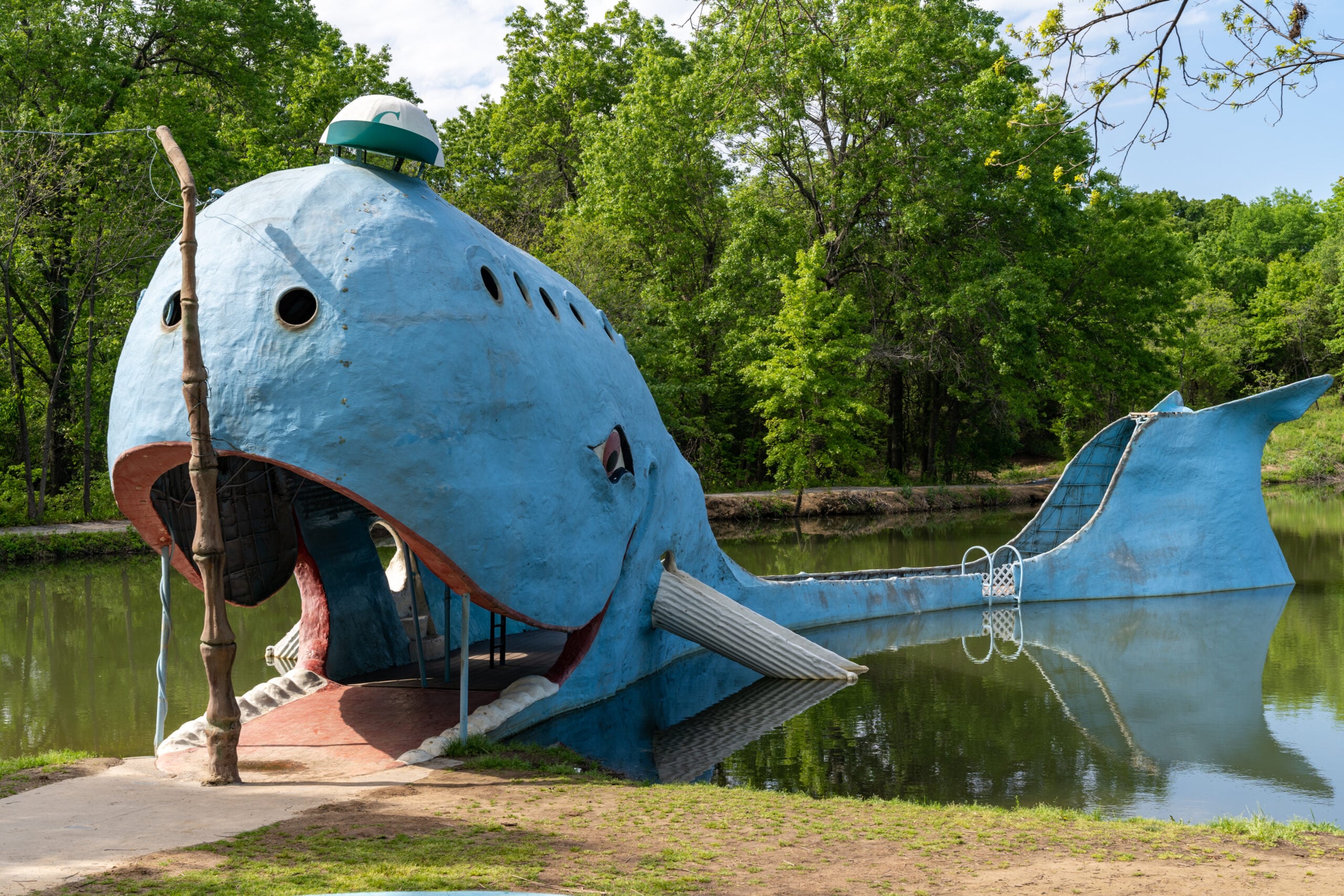
Built in the early 1970s by Hugh Davis as an anniversary gift for his wife Zelta (a whale collector), this smiling blue whale sits beside a pond on historic Route 66. The 80-foot-long structure quickly became a swimming hole and picnic area for locals before falling into disrepair in the 1980s.
Restored by volunteers in the 2000s, it’s now one of Route 66’s most photographed stops. The whale’s cheerful expression and bright blue paint job make it impossible to pass without pulling over.
It represents the personal passion projects that became public treasures, embodying the spirit of Route 66’s golden era when mom-and-pop attractions ruled the road.
Salvation Mountain, Niland, California
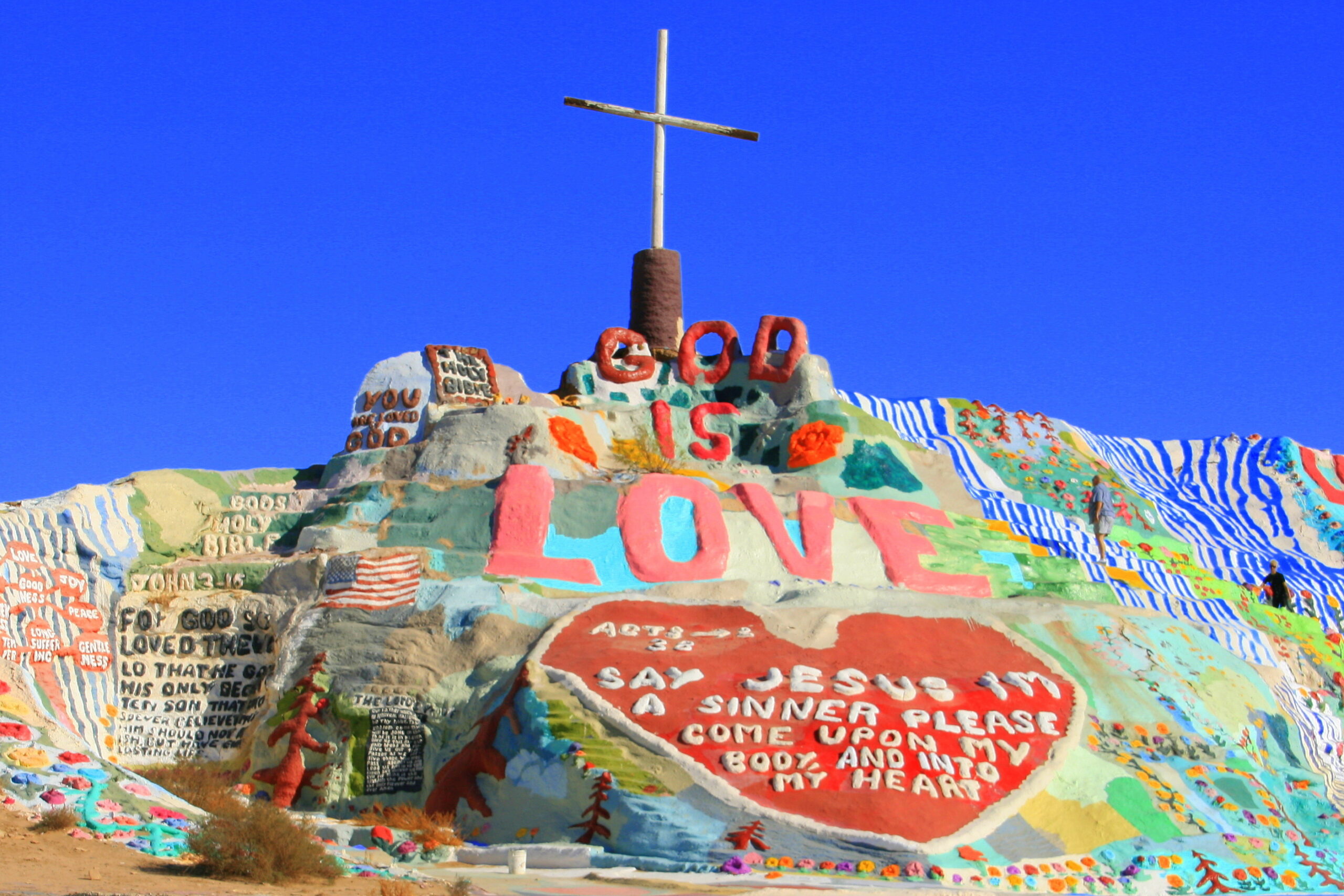
Leonard Knight spent 28 years transforming a desert hillside into a three-story tribute to love and faith, using adobe clay and thousands of gallons of donated paint. The result is a kaleidoscopic mountain covered in biblical verses, flowers, and the repeated phrase “God is Love.”
While deeply religious in inspiration, the site welcomes visitors of all backgrounds who appreciate outsider art and singular vision. It’s a reminder that some of America’s most compelling attractions weren’t built by corporations but by individuals with something to say.
The vibrant colors against the stark California desert create photo opportunities that seem almost impossible, and the sheer scale of Knight’s hand-built creation leaves most visitors awestruck.
Dinosaur Park, Rapid City, South Dakota
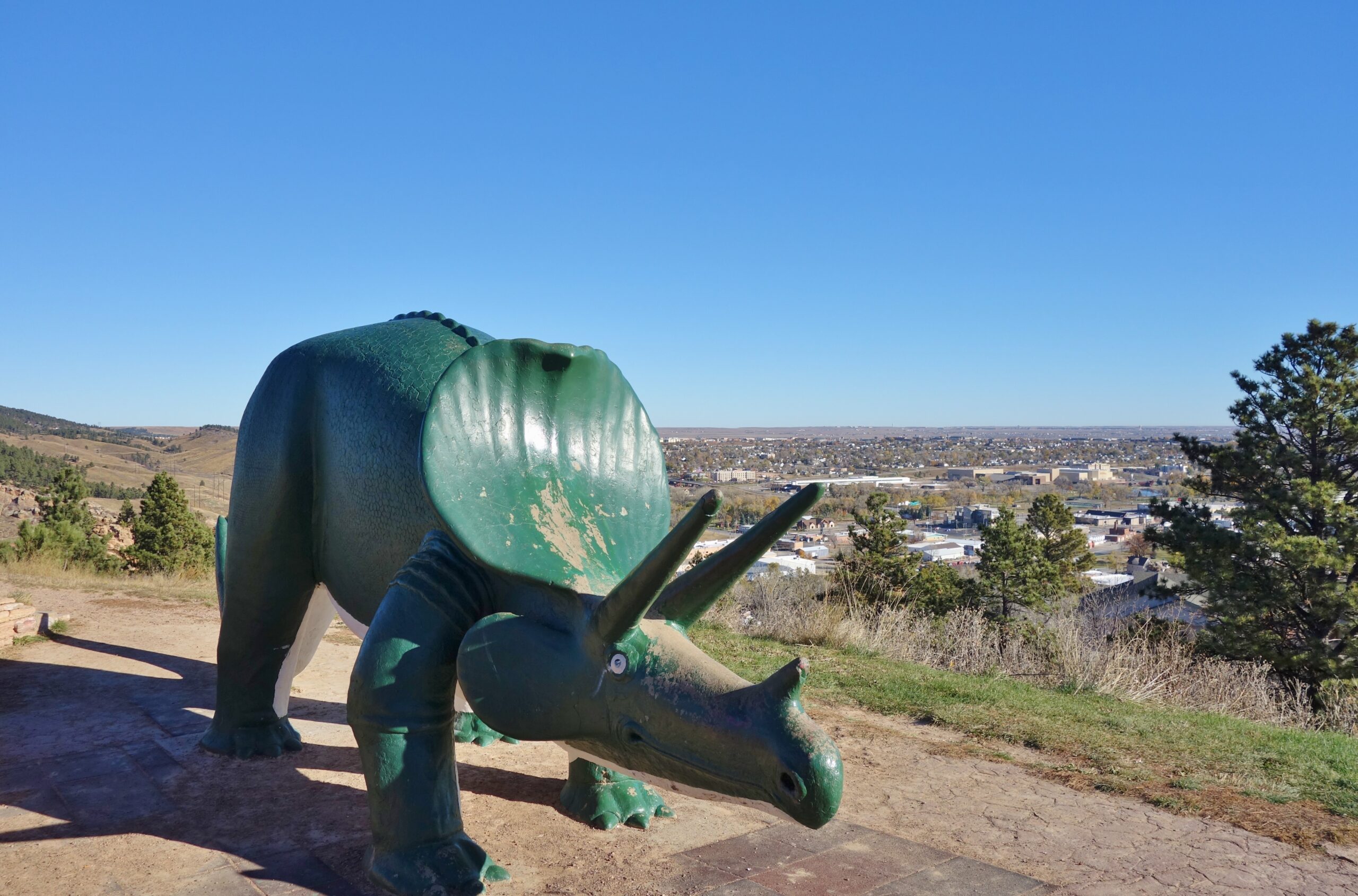
Seven concrete dinosaurs have been overlooking Rapid City from a hilltop since 1936, predating the dinosaur craze by decades. Built during the Depression as a Works Progress Administration project, these prehistoric sculptures were designed to draw tourists heading to Mount Rushmore.
The retrofuturistic quality of these dinosaurs — built when paleontology was still figuring things out — gives them a charming, slightly wrong appearance. They’re free to visit, open year-round, and offer panoramic views of the Black Hills.
For car enthusiasts making the Rushmore pilgrimage, it’s a quick detour that adds context to the era when Americans first started road-tripping en masse.
Giant Artichoke, Castroville, California
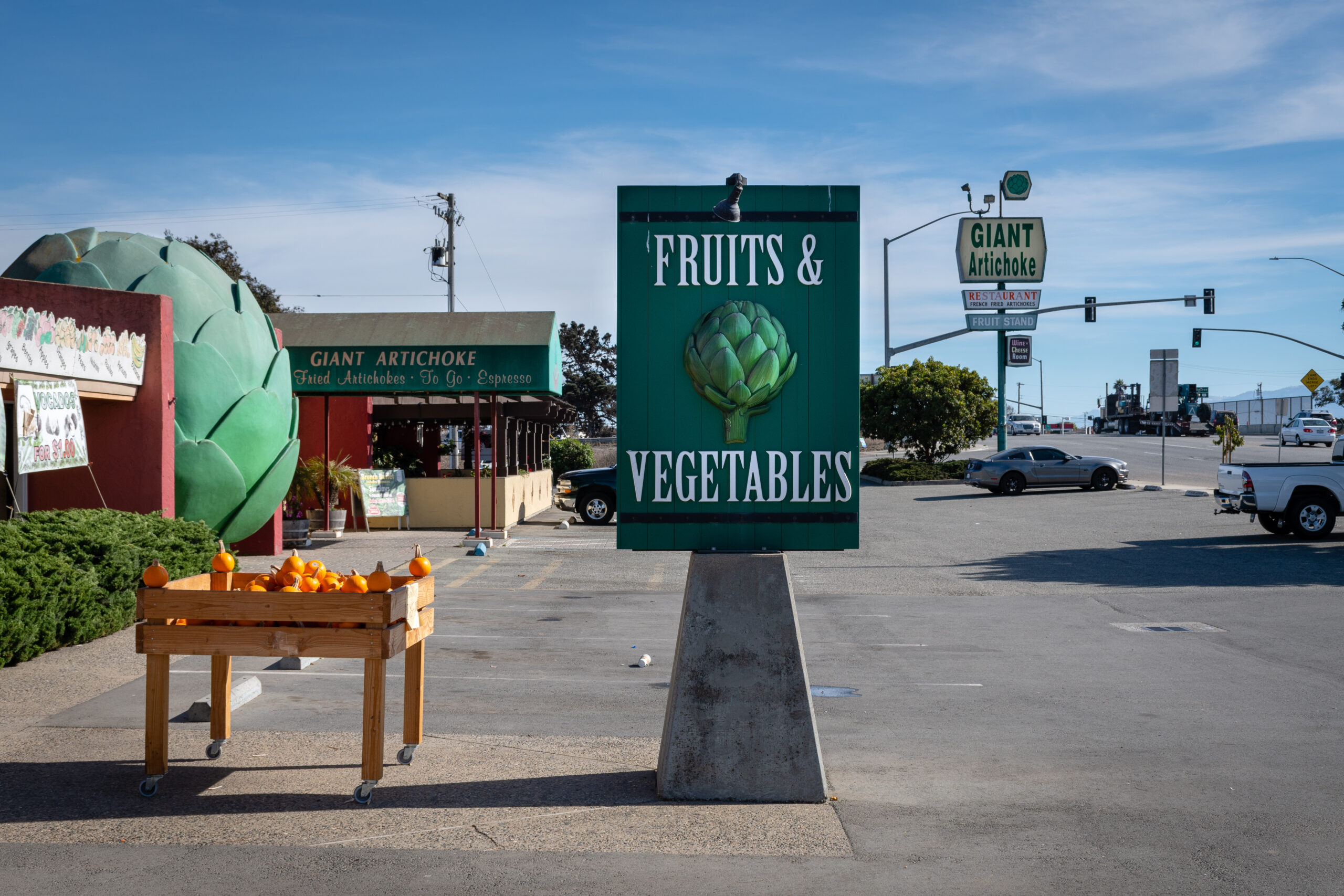
Standing proudly in the self-proclaimed “Artichoke Center of the World,” this roadside produce stand is crowned by a massive concrete artichoke. Castroville has been celebrating its thorny crop since the 1920s, and this attraction serves both as advertisement and town mascot.
Inside, you can get fried artichokes, artichoke soup, artichoke bread, and pretty much anything else you can do with the vegetable. It’s wonderfully single-minded in its devotion to one agricultural product.
For travelers on Highway 1 between San Francisco and Los Angeles, it’s a tasty reminder that some of the best pit stops combine regional pride with genuinely good food.
Corn Palace, Mitchell, South Dakota
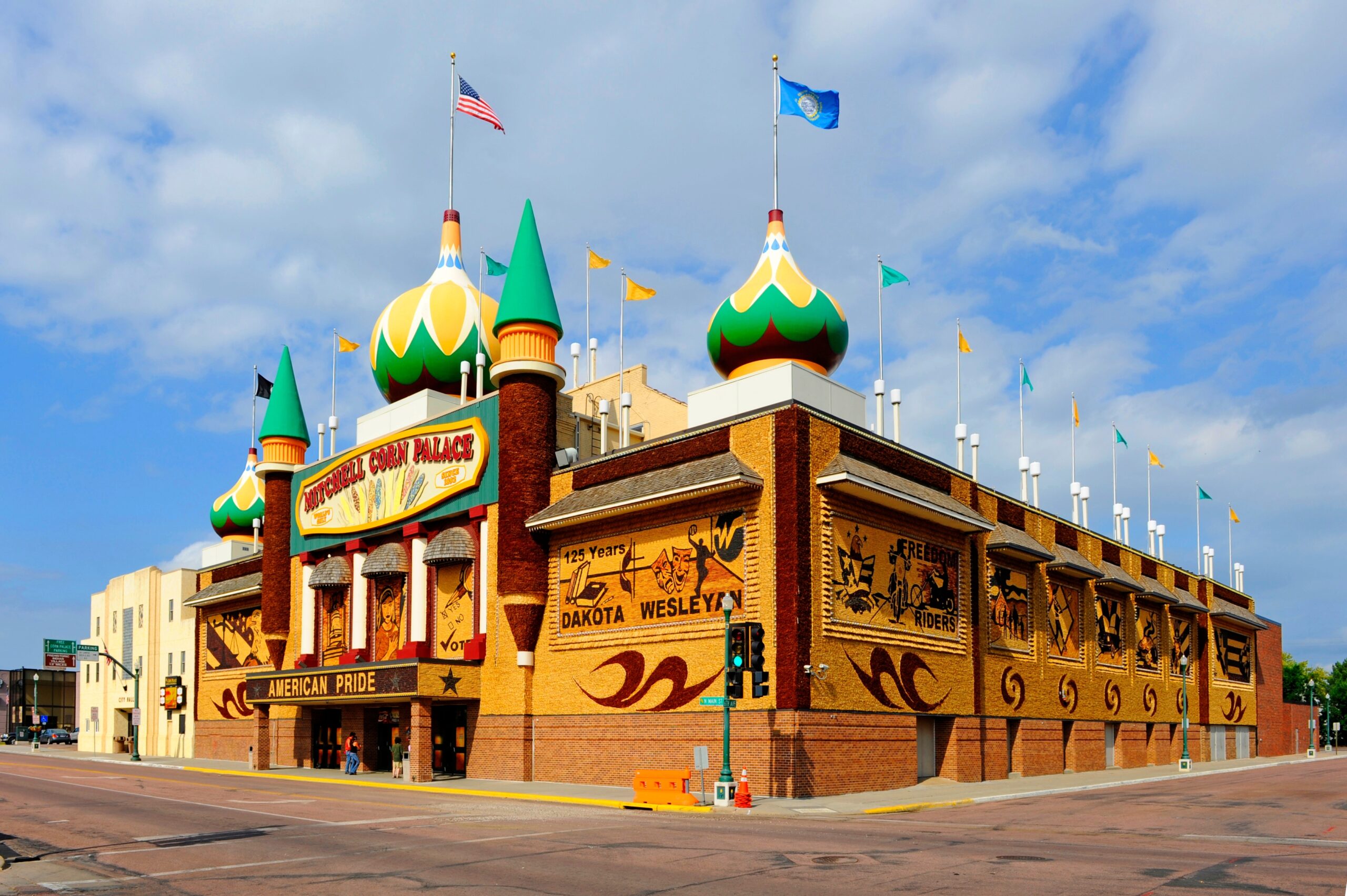
Since 1892, the Corn Palace tradition has seen this Moorish Revival building redecorated almost every year with thousands of bushels of corn and other grains The exterior murals change annually with different themes, making repeat visits worthwhile for the truly dedicated.
Inside, you’ll find a basketball arena (yes, really), tourist shops, and more corn-based artistry than you thought possible. It’s simultaneously weird, impressive, and deeply Midwestern in its earnest celebration of agricultural abundance.
The Corn Palace represents small-town America’s ability to turn local resources into destinations, proving you don’t need mountains or oceans to attract visitors — just creativity and commitment to the bit.
Conclusion

These roadside attractions remind us that America’s highways are more than asphalt arteries connecting destinations — they’re museums of creativity, humor, and human ambition. Each one represents someone’s dream to make travelers slow down, smile, and remember their journey. In an age of GPS efficiency and straight-line routes, these places offer permission to embrace the detour and celebrate the wonderfully weird.
They’re proof that the best road trips aren’t measured in miles per hour but in stories per tank of gas. So next time you see a hand-painted sign promising the world’s largest something-or-other, take the exit — your odometer won’t remember the extra miles, but you will