
Chevrolet is making one of its boldest visual changes in years, even if many fans may not notice it at first glance. The iconic gold bowtie badge that has represented the brand for generations is being phased aside in favor of a new monochromatic version.
The redesigned logo first appeared in a teaser for the upcoming 2027 Chevrolet Sonic RS, set to debut in Brazil next month. While the update may seem subtle, it signals a larger shift in how Chevrolet wants to present itself in a rapidly changing automotive market.
Brand logos have become a surprisingly hot battleground in recent years. Ford refreshed its Blue Oval, BMW modernized its roundel, and Mazda slimmed down its winged badge. Chevrolet now joins that trend, choosing a cleaner and more minimal look for its next era.
The move also comes at a time when automakers are trying to make badges work better with modern lighting systems, slimmer front ends, and increasingly digital design language. In other words, this is not just about style. It is also about practicality.
Chevrolet Says the Change Matches Modern Car Design
According to Chevrolet executives in South America, this is now the sixth generation of the bowtie logo. The company says the redesign reflects how vehicles themselves are changing.
As front grilles become smaller, headlights narrower, and manufacturing techniques more advanced, badges must adapt to fit those surfaces. The new bowtie is slightly wider and flatter than before, giving it a more streamlined appearance.
It may not sound dramatic, but tiny design changes can have a major impact when applied across millions of vehicles. A badge that looks sharper, cleaner, and easier to integrate can help freshen an entire lineup.
Why Gold Is Giving Way to Monochrome
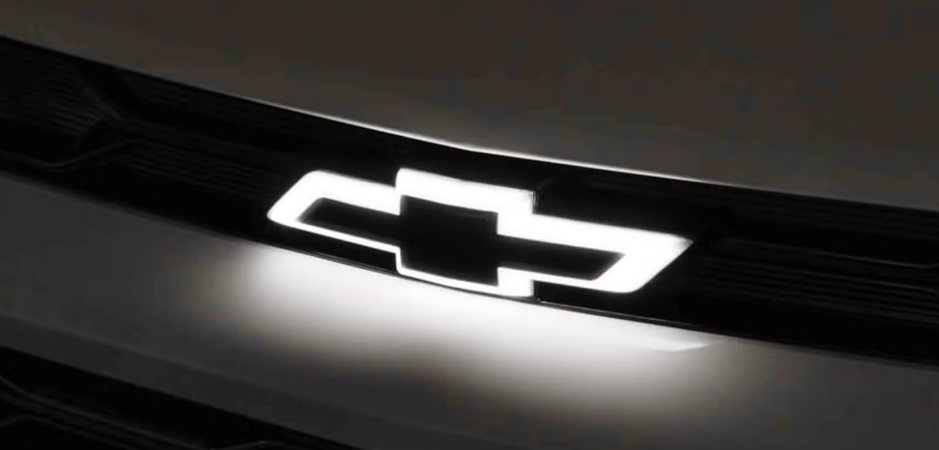
The most obvious change is the disappearance of Chevrolet’s trademark gold center. Instead, the new badge uses a single-tone finish.
That shift helps the logo blend better with different paint colors and trim packages. It also allows Chevrolet to follow an industry trend toward illuminated front logos, which are becoming common on new vehicles.
At night, a glowing badge can improve brand recognition and create a futuristic look. During the day, the monochrome finish offers a cleaner, more premium vibe.
Some traditionalists may miss the gold bowtie, but many modern buyers prefer understated styling over flashy chrome and bright colors.
The 2027 Sonic RS Starts the Rollout
The first production model to wear the updated badge will be the 2027 Sonic RS crossover in Brazil. Chevrolet plans to place the new logo on the grille, tailgate, wheel center caps, and steering wheel.
North America is not expected to receive the Sonic RS, but that does not mean the logo will stay overseas for long.
Industry watchers expect the badge to appear on future Chevrolet products beginning with the 2027 model year, including trucks, SUVs, and possible electric vehicles. Models like the Silverado could be among the first in the United States.
What About Camaro and Corvette?
Performance fans may be especially curious about what happens next.
A future Camaro revival could easily adopt the new look, particularly if Chevrolet wants to modernize the muscle car’s identity. Corvette is a more complicated story.
Like the Ford Mustang using its pony emblem, Corvette has long leaned on its crossed-flags branding rather than a standard Chevrolet badge. That likely means Corvette will continue doing its own thing, though the bowtie may still appear in subtle places.
What Drivers Can Learn From This Change
This redesign is a reminder that the auto industry evolves in small ways before big ones become obvious.
Logos, lighting, and front-end styling often hint at broader future trends. When a company updates something as recognizable as its badge, it usually means larger design changes are coming behind it.
For Chevrolet, the new bowtie is not just a badge swap. It is a sign the brand wants to look ready for the next generation of trucks, crossovers, EVs, and whatever comes next.