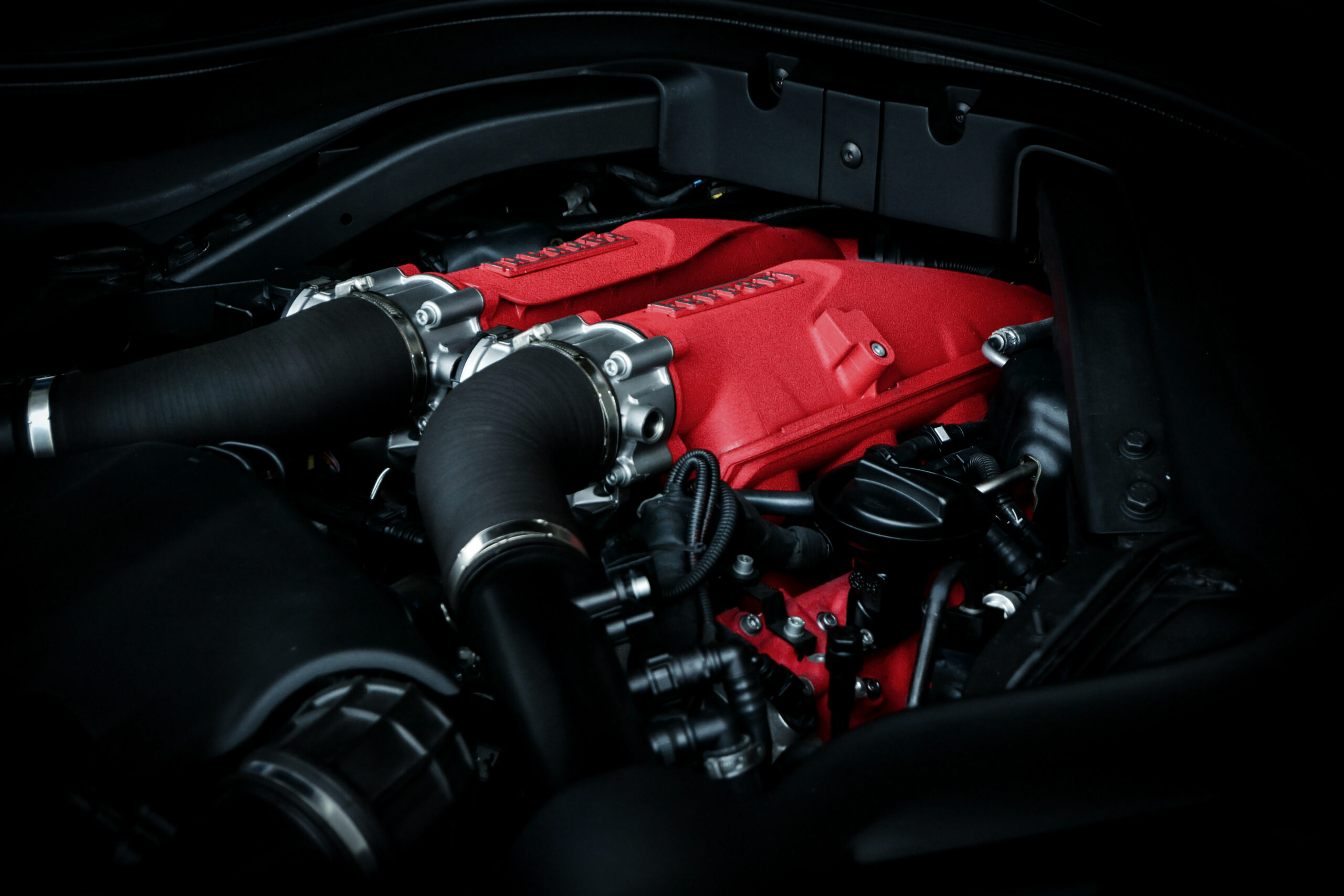
Ferrari engines represent some of the finest automotive engineering ever created, but you don’t necessarily need a prancing horse badge to experience their magic. Through various partnerships and collaborations over the decades, several non-Ferrari vehicles have benefited from genuine Maranello powertrains.
These cars offer enthusiasts a chance to experience Ferrari’s engineering excellence in unexpected packages, often at more accessible price points than their Italian supercar counterparts.
What Makes Ferrari Engines Special
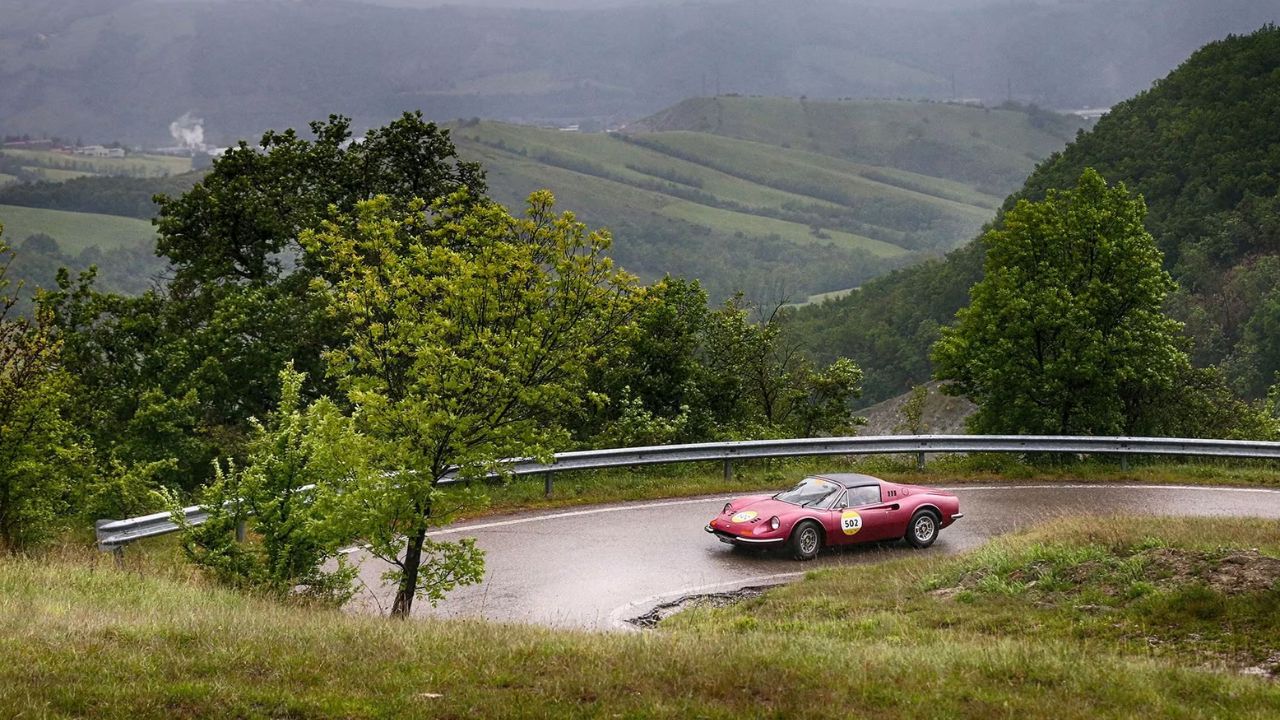
Ferrari’s engines aren’t just about raw power: they’re masterclasses in engineering philosophy. The company has consistently prioritized high-revving naturally aspirated designs that deliver an intoxicating combination of sound, responsiveness, and linear power delivery.
Ferrari engines are famously over-engineered, with attention paid to every component from the crankshaft to the exhaust manifold, resulting in powertrains that feel alive and eager to perform. The distinctive howl of a Ferrari V8 or V12 at full song remains one of the automotive world’s most thrilling experiences.
This commitment to engineering excellence and emotional engagement is what separates Ferrari engines from mere transportation devices and elevates them to mechanical art.
Fiat Dino (Coupé and Spider)
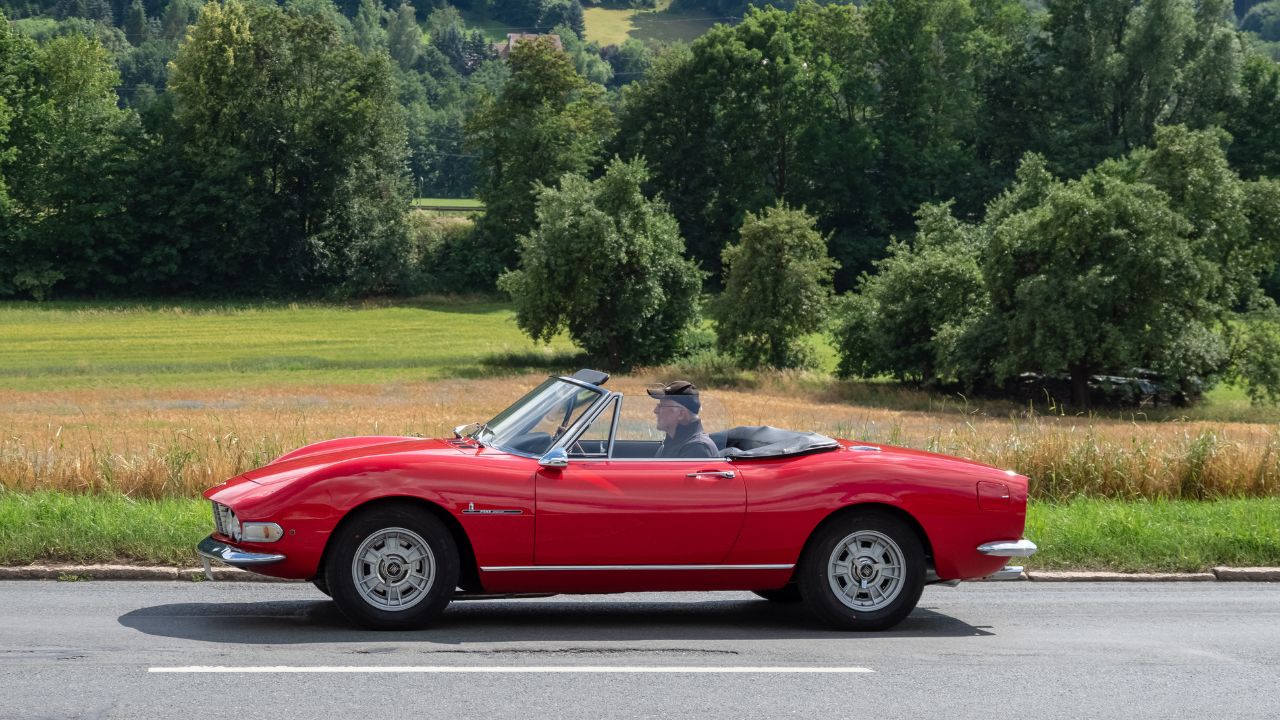
The Fiat Dino stands as a textbook example of how racing regulations can create something special for the street. Ferrari needed to produce at least 500 examples of the V6 within a short time for Formula 2 homologation, while Fiat wanted something exciting to elevate its brand image.
The solution was elegant: install Ferrari’s V6 in a Fiat and call it the Dino. The result was far more than just a regulatory workaround, delivering authentic Ferrari character wrapped in Italian style at a fraction of the supercar price.
This collaboration proved so successful that it continued well beyond its original motorsport purpose, with a second series launching in 1969.
Maserati GranTurismo and GranCabrio (Select Years)
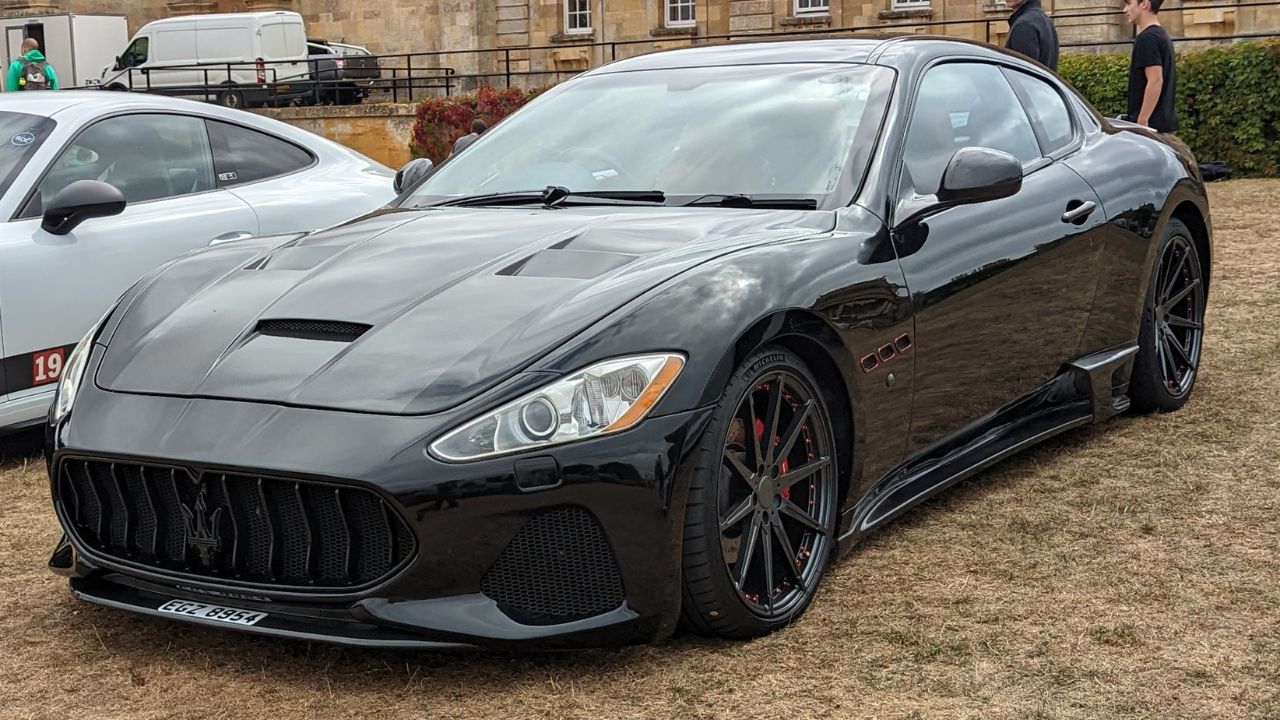
For drivers who appreciate Ferrari power but prioritize grand touring comfort over track-day intensity, first-generation Maserati GranTurismo and GranCabrio models offer an ideal compromise. These elegant cruisers feature Ferrari-derived V8 engines tuned specifically for effortless highway cruising and confident acceleration.
The chassis and suspension are calibrated for long-distance comfort rather than lap times, creating a sophisticated package that excels at devouring miles in style. While used examples have become surprisingly affordable, potential buyers should remember that inexpensive purchase prices don’t necessarily translate to budget-friendly maintenance on Italian exotics.
Lancia Stratos HF

The Lancia Stratos HF represents an incredible convergence of automotive legends. It combines Ferrari’s homologation V6 engine with bodywork designed by Marcello Gandini, the creative mind behind the iconic Lamborghini Countach.
Ferrari initially hesitated to support the project, worried it might steal attention from their own Dino 246. Despite those concerns, the collaboration produced one of rally racing’s most celebrated machines.
Lightweight, mid-engined, and impossibly compact — even smaller than a Mazda Miata, but not as cute — the Stratos packed exotic performance into a characterful package without any supercar pretension.
Maserati Quattroporte (Select Years)
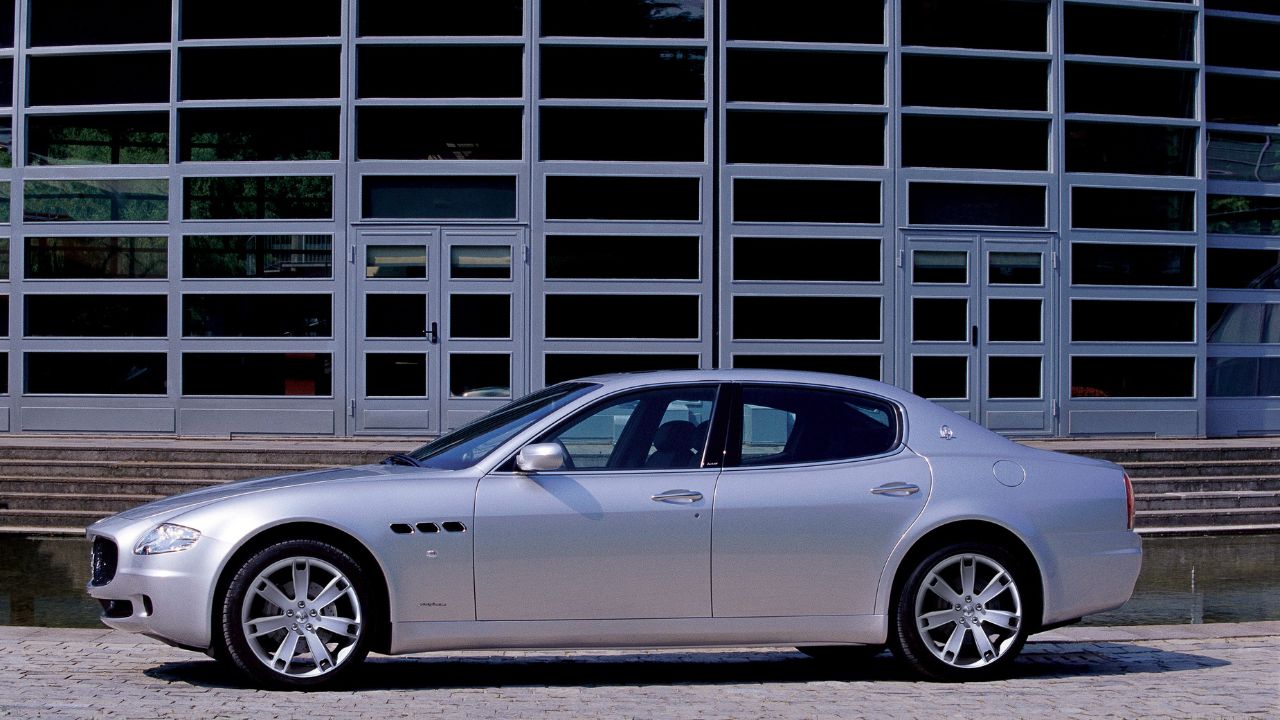
The Quattroporte might look like a luxury sedan, but certain model years pack genuine Ferrari engineering under the hood. Some versions feature Ferrari-built naturally aspirated V8 engines from the F136 family, with displacement increased to 4.7 liters for even more presence.
This combination created something between a sleeper and a super sedan, offering impressive power and surprising agility wrapped in executive-class comfort. Drivers appreciated the engine’s soundtrack and performance, though casual observers might mistake it for just another luxury sedan.
Alfa Romeo 8C

The Alfa Romeo 8C was designed as a limited-production flagship to reestablish Alfa Romeo’s sporting credentials using the best components available within the Fiat empire. At its heart sat a Ferrari/Maserati-derived 4.7-liter F136 V8, related to Ferrari’s V8 family but distinct from the 4.5-liter engine used in the 458 Speciale.
Contemporary reviews consistently noted that while the car had its quirks — cramped interior, challenging ergonomics — the spectacular engine and stunning design more than compensated for any shortcomings. This combination of Ferrari power and Italian passion helped kick off Alfa Romeo’s modern renaissance.
For enthusiasts seeking Ferrari performance without the prancing horse, the 8C delivered an experience that felt genuinely special.
Lancia Thema 8.32

The Lancia Thema 8.32 perfectly embodies the “sleeper” philosophy: understated exterior hiding serious performance underneath. This mid-1980s front-wheel-drive executive sedan appeared completely ordinary, with leather, wood trim, and conservative styling.
Under the hood, however, sat a detuned 2.9-liter, 32-valve V8 derived from the Ferrari 308, capable of accelerating from zero to 60 mph in under seven seconds. While German manufacturers had already embraced the idea of powerful sedans, Italian automakers proved they could play the same game.
The front-wheel-drive architecture presented some handling challenges when combining steering input with throttle application, but the unique character made it memorable nonetheless.
ASA 1000 GT
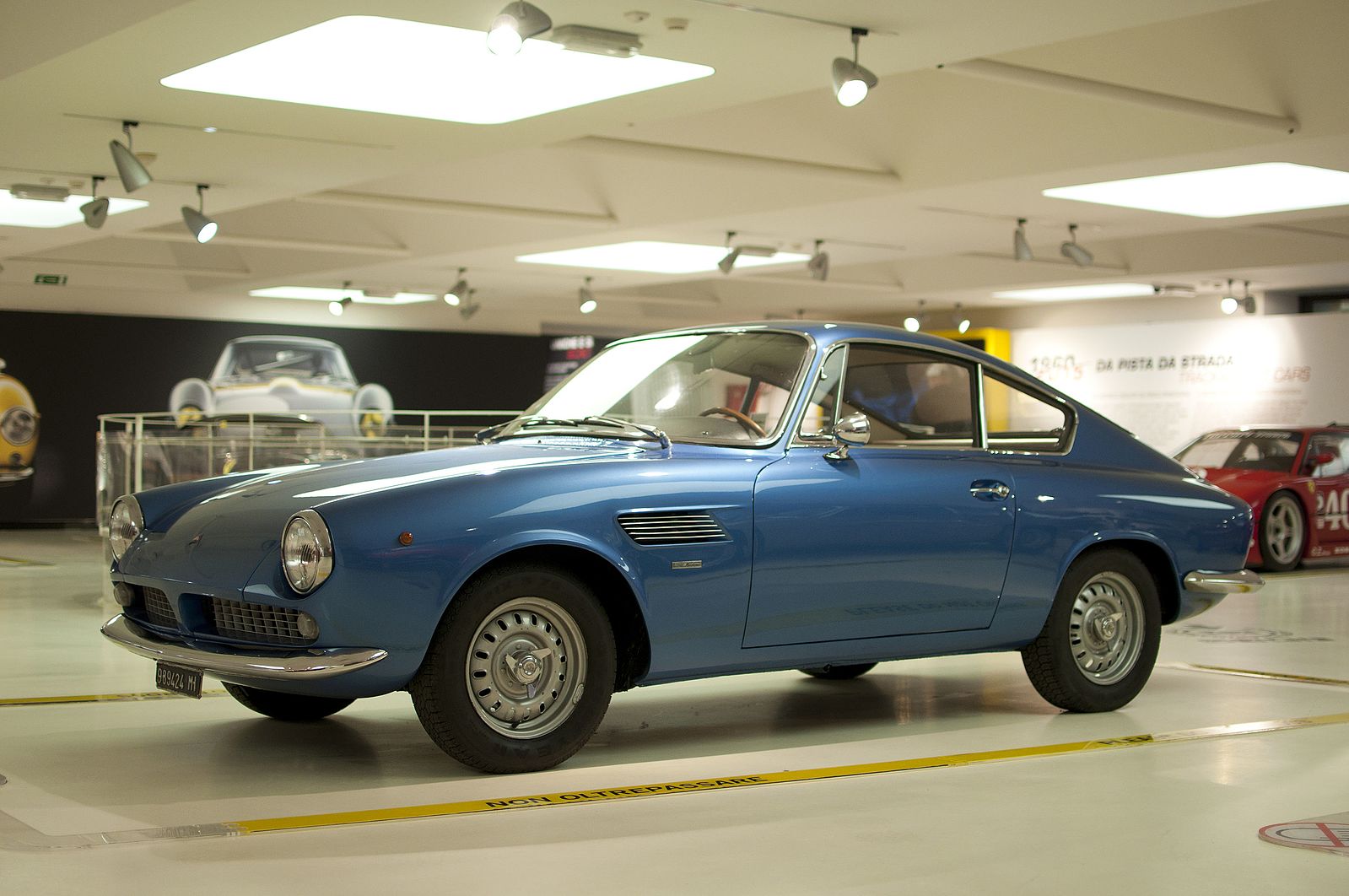
The ASA 1000 GT tells one of automotive history’s more unusual stories. This tiny Italian micro-GT from the early 1960s featured styling by Giugiaro for Bertone and an engine derived from Ferrari’s V12 architecture.
Rather than creating a miniature V12, Ferrari’s engineers used the design principles of the Colombo V12 to create a four-cylinder engine. Production figures are debated, but it’s commonly estimated that fewer than 100 coupés were produced, but this compact car carried genuine Ferrari engineering DNA. It remains a cult favorite among collectors who appreciate its audacious attempt to distill Ferrari’s essence into something more approachable.
In today’s world of increasingly powerful and complex supercars, this charming four-cylinder reminds us that Ferrari magic doesn’t always require massive displacement.
Conclusion

These collaborations demonstrate that Ferrari’s engineering excellence has reached beyond Maranello’s factory gates more often than many enthusiasts realize. From rally champions to luxury sedans, Ferrari powertrains have enhanced diverse vehicles throughout automotive history.
While owning a proper Ferrari remains the ultimate dream for many, these alternatives offer genuine thrills and authentic heritage.
Whether you’re drawn to the raw rally-bred character of the Stratos or the refined grand touring nature of certain Maseratis, experiencing Ferrari engineering doesn’t always require a prancing horse on the hood. Although nothing can beat the Ferrari’s beauty in some drivers’ eyes.