There’s something undeniably appealing about dropping the top and feeling the wind in your hair. Convertibles represent freedom, style, and a connection to the road that’s hard to match.
Buuuut let’s be honest, not every car benefits from losing its roof. Some vehicles are so fundamentally designed around their solid structure, their performance credentials, or their practical mission that sawing off the top creates more problems than it solves.
Whether it’s compromised handling, added weight, or just an aesthetic that doesn’t quite work, these questionable convertibles prove that sometimes the best design decision is knowing when to leave well enough alone.
Nissan Murano CrossCabriolet (2011-2014)
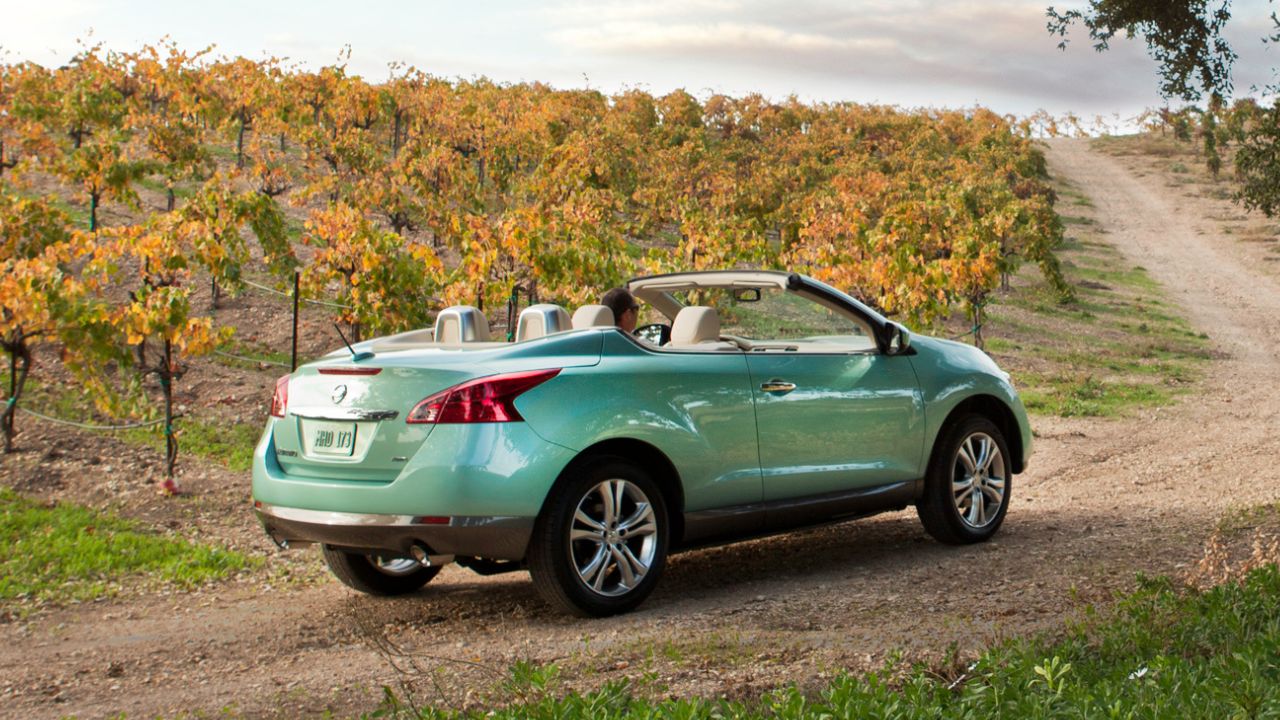
Yes, we’re starting with the obvious one, but hear me out before you roll your eyes.
The Murano CrossCabriolet wasn’t just questionable, it was genuinely perplexing from an engineering standpoint. Nissan took a perfectly competent midsize crossover and removed structural rigidity while adding about 200–300 pounds (depending on trim/drivetrain), creating a vehicle that handled worse, cost far more, for example, one comparison shows $28,530 for a Murano versus $46,390 for the CrossCabriolet (about $18K more), and seated four instead of five. The proportions simply didn’t work; that long, sloping rear deck looked awkward without a proper trunk opening.
Sure, some older enthusiasts appreciate the uniqueness factor now, but this wasn’t bold innovation, it was a $46,000 solution to a problem nobody had.
The regular Murano sold just fine and actually made sense for families who needed space and visibility.
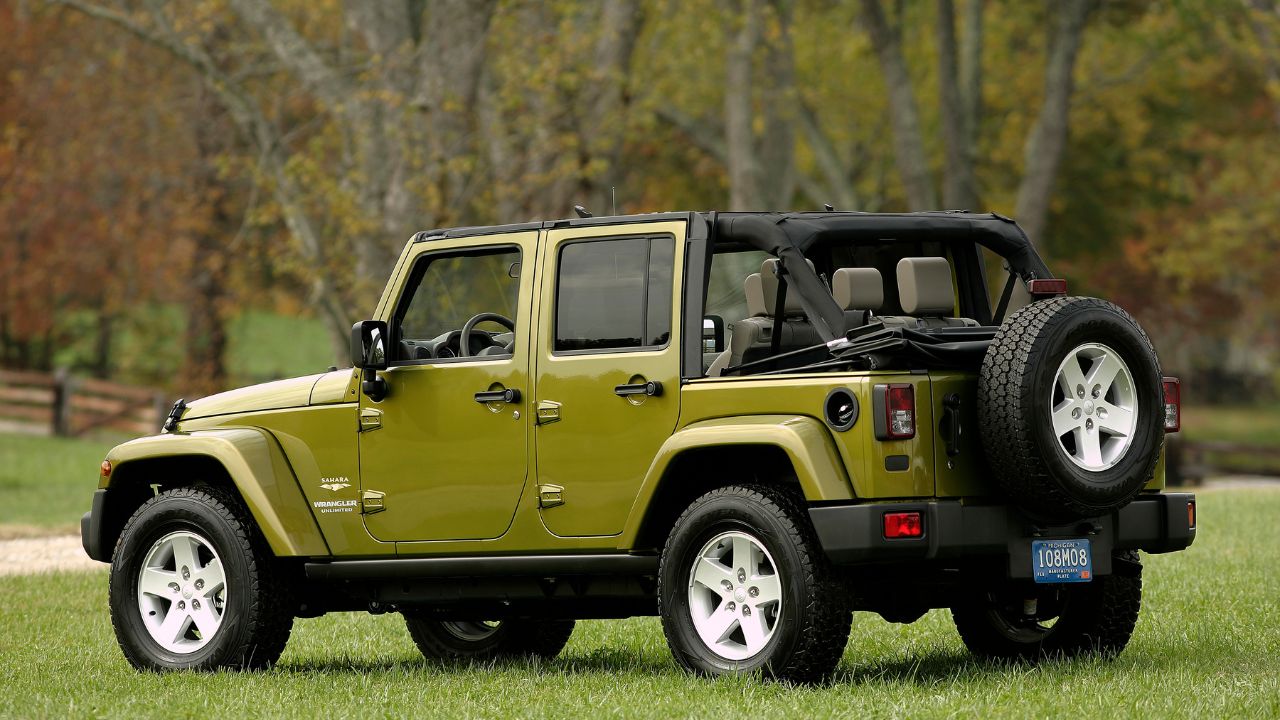
Jeep Wrangler Unlimited Convertible (4-Door Soft Top)
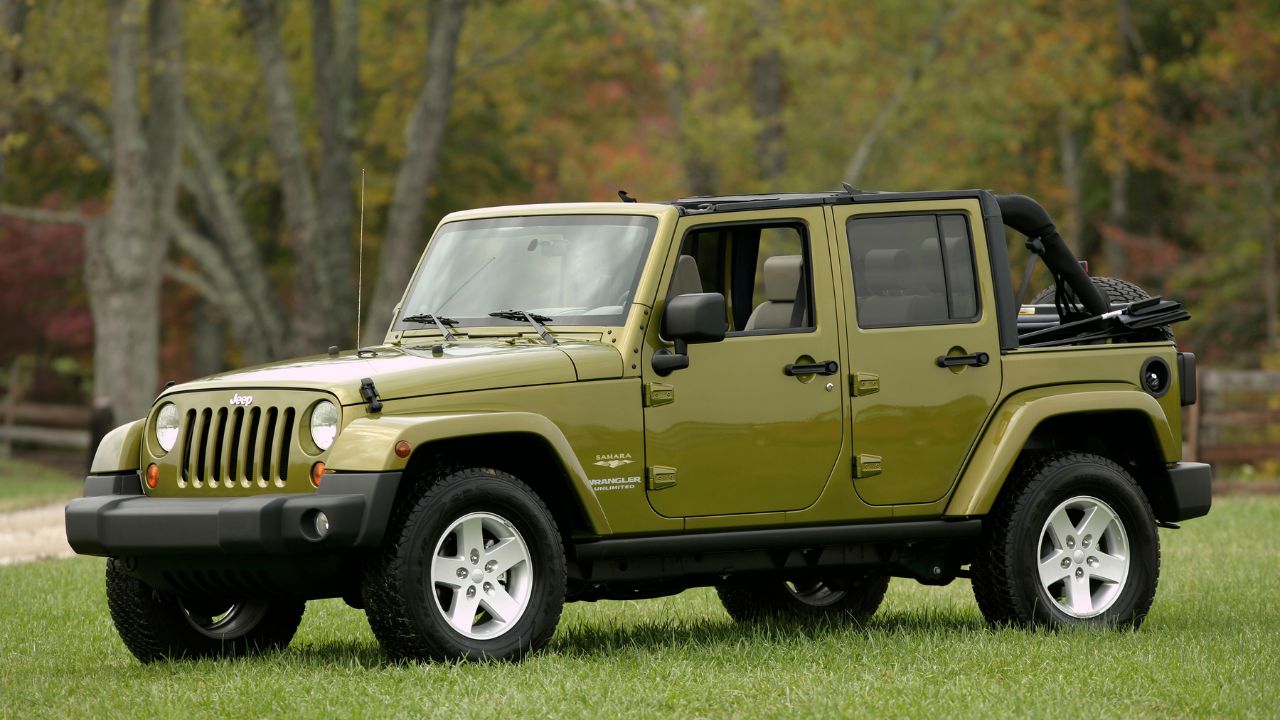
Now wait, before the Jeep faithful come after me, I’m specifically talking about using the four-door as a daily driver with the top perpetually down. The two-door Wrangler? Classic. Perfect. No notes.
But the Unlimited’s longer wheelbase and added doors create real structural challenges when you remove the roof panels. You’re dealing with significantly more flex in the chassis, which impacts handling and long-term durability. Those rear passengers also get an aerodynamic beating that borders on unpleasant at highway speeds. The Wrangler Unlimited is an outstanding vehicle with its hardtop on, offering genuine capability with modern comfort.
It’s designed to have the option of open-air driving, sure, but treating it like a traditional convertible for everyday use means ignoring the compromises that the longer wheelbase and body create.
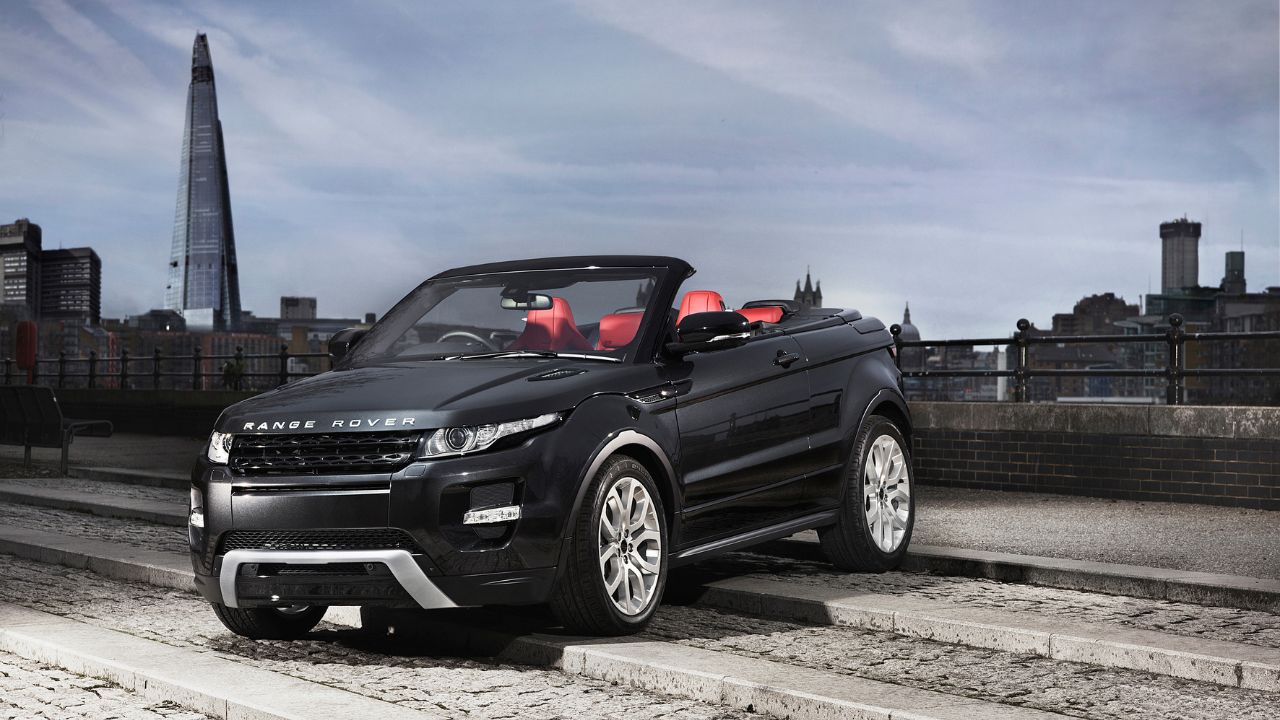
Range Rover Evoque Convertible (2017–2018 model years; revealed Nov 2015)
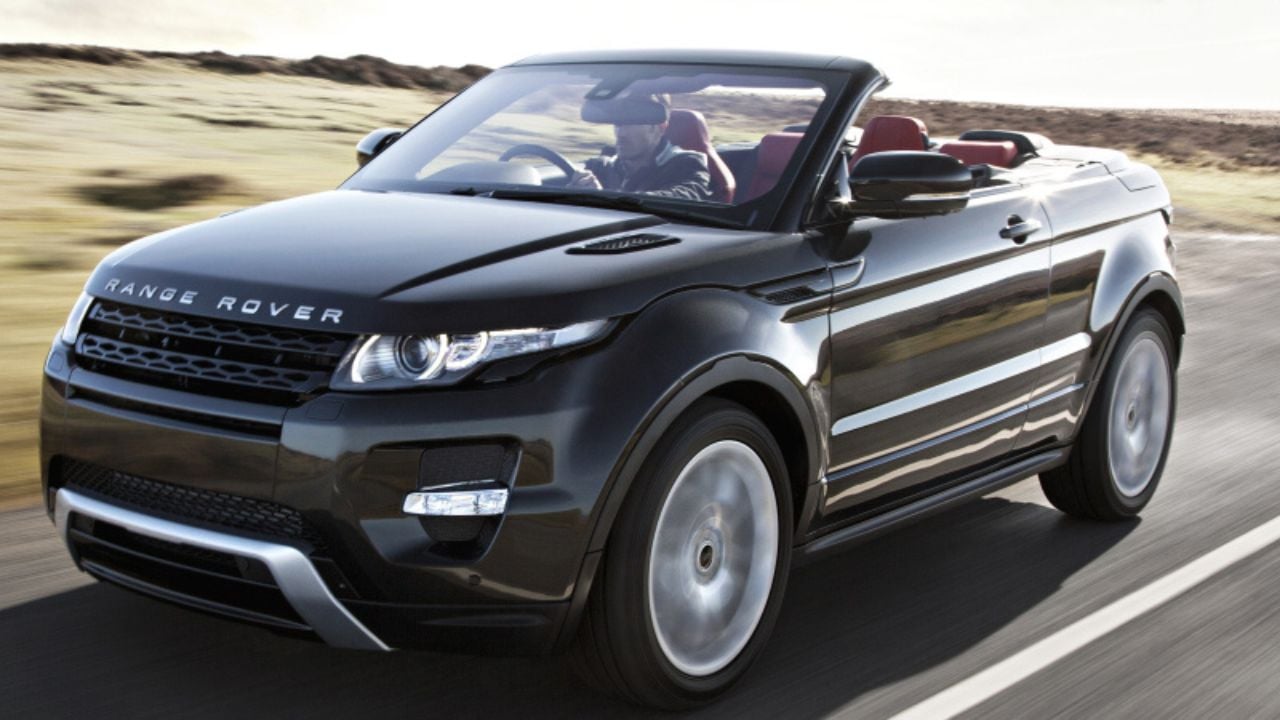
Land Rover tried something genuinely different here, and I respect the ambition, but physics wasn’t on their side.
The Evoque Convertible carried a major weight increase; Car and Driver measured 4,525 lb, saying that was 408 lb more than a standard Evoque they previously tested over the regular model, which devastated the power-to-weight ratio and made the turbocharged four-cylinder feel genuinely sluggish. More concerning was what happened to the brand’s famous capability: Land Rover said it kept serious off-road specs, including 500 mm (19.7 in) wading depth and approach/breakover/departure angles of 19° / 18.69° / 31°.
You’re essentially paying $10,000 extra for a vehicle that’s worse at being a Range Rover. The styling divided opinion too, with that high beltline creating odd proportions once the roof disappeared.
The standard Evoque’s design language worked because of its coupe-like roofline; remove that, and you’re left with something that doesn’t quite know what it wants to be.
Volkswagen New Beetle Cabriolet (2003–2010) and Volkswagen Beetle Convertible (2013–2019)
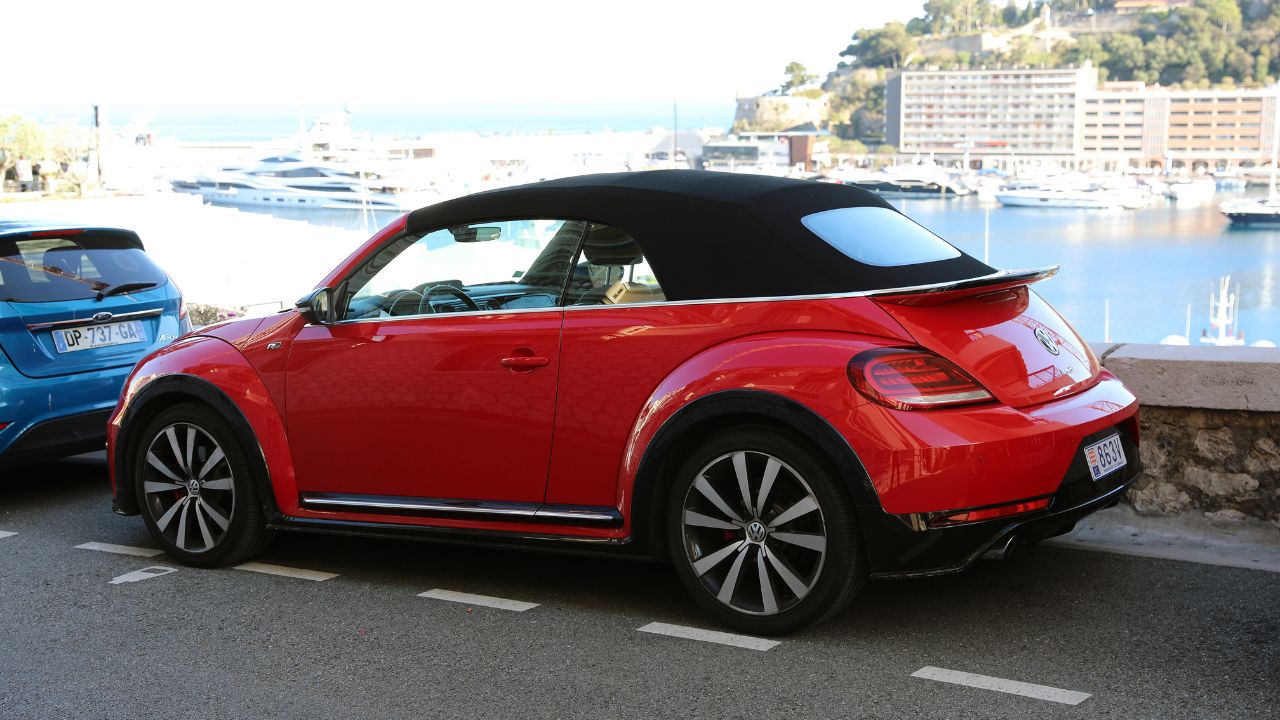
The original Beetle convertible was charming and made sense in its era. The modern reinterpretation, however, struggled with fundamental issues that the hardtop masked reasonably well.
VW added substantial reinforcement to compensate for the missing roof, pushing curb weight to roughly 3,206 lb in 2.5L form, with 170 hp. The driving dynamics suffered noticeably, with increased body flex making the handling feel vague compared to the surprisingly taut hardtop. Real-world owners also reported more wind noise and water leaks than competitors.
The modern Beetle hardtop had its fans as an affordable, distinctive daily driver with decent build quality. The Beetle Convertible started at $24,995, versus a Beetle hatchback starting at $19,790 (about $5,200 more), delivered worse fuel economy, offered less trunk space, and didn’t drive as well, classic convertible compromises applied to a car that didn’t have the performance or luxury positioning to justify them.
Chrysler PT Cruiser Convertible (2005-2008)

Chrysler’s retro-styled PT Cruiser found genuine sales success as an affordable, quirky alternative to boring compact cars. The convertible version, though, fundamentally misunderstood what made the original work.
The PT Cruiser’s appeal centered on maximizing interior space through tall greenhouse design and upright seating, chop the roof off, and you’ve eliminated the primary selling point. The power-folding soft top added complexity and weight and left about 7.4 cu ft of cargo capacity.
Structurally, the chassis reinforcements brought curb weight to about 3,302 lb, making the 2.4-liter four-cylinder feel genuinely underpowered. That retro styling also translated awkwardly to convertible form, with the high beltline creating odd proportions.
The hardtop PT Cruiser offered practical transportation with personality; the convertible sacrificed the practical part while keeping the premium price.
Toyota Celica Convertible (1994-1999, 6th Generation)
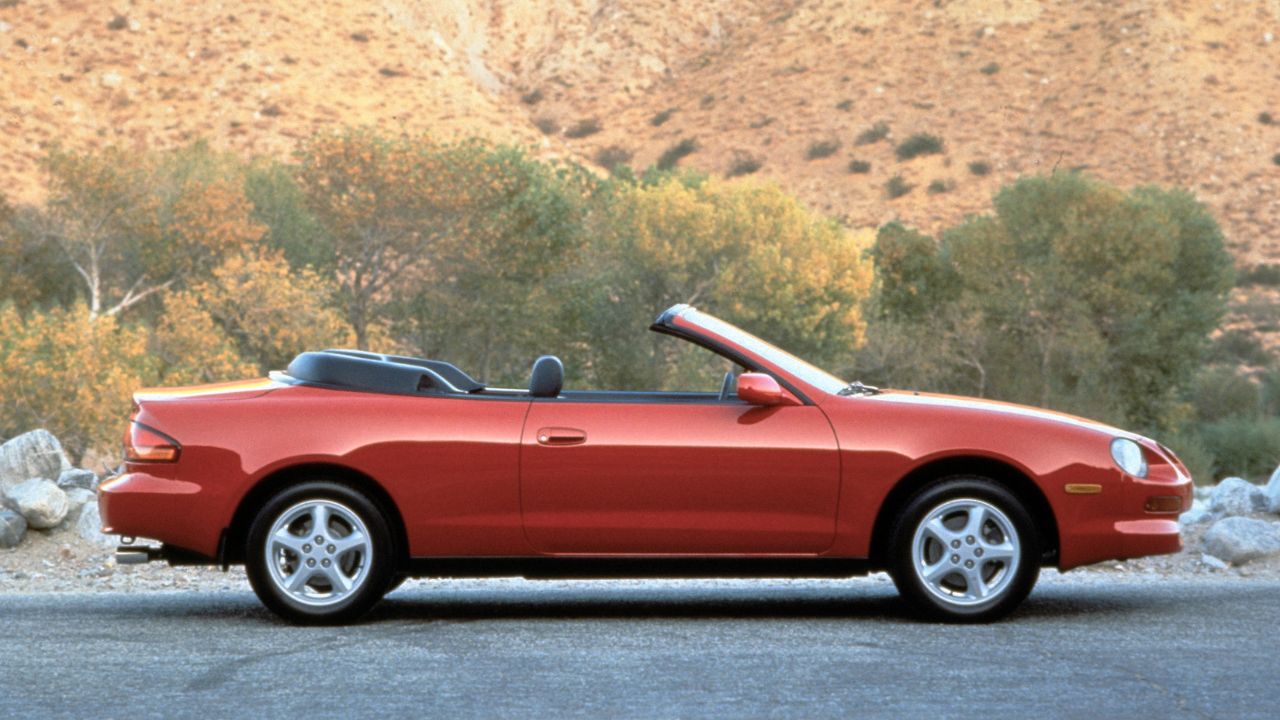
Toyota engineered the sixth-generation Celica as a lightweight, affordable sports coupe with sharp handling dynamics. Then came the convertible conversion, not by Toyota, but through ASC, which added 200 pounds of bracing and completely altered the car’s character.
That added weight wasn’t just a number; it fundamentally changed how the Celica drove, making the suspension tuning feel compromised and reducing the eager, tossable nature that made the coupe engaging. The structural rigidity issues created cowl shake over rough pavement that wasn’t present in the hardtop. What frustrated enthusiasts most was that Toyota already made the excellent MR2 Spyder for open-air sports car fans.
The Celica coupe carved out its own identity as a front-drive handler; the convertible version diluted that without offering a compelling alternative vision.
Chevrolet SSR (2003-2006)

Here’s a controversial take: the SSR wasn’t a bad vehicle because it was poorly made, it was actually well-executed. The problem was the entire concept of a retro-styled convertible pickup truck didn’t align with what either convertible buyers or truck buyers actually wanted.
At 4,700 pounds, it was too heavy to be a nimble roadster. The tiny 48.7-inch (~4.1 ft) bed made it impractical as a real truck. It cost $41,995, pricing it against genuine sports cars and luxury vehicles that simply performed better. The power-retractable hardtop was genuinely impressive engineering, but added complexity and weight while reducing bed utility.
Chevy built something technically interesting that solved a problem nobody had, if you wanted a fun convertible, the Corvette existed; if you wanted a capable truck, the Silverado was right there. The SSR’s styling has aged into kitsch appeal, which is fine, but the fundamental concept remained flawed.
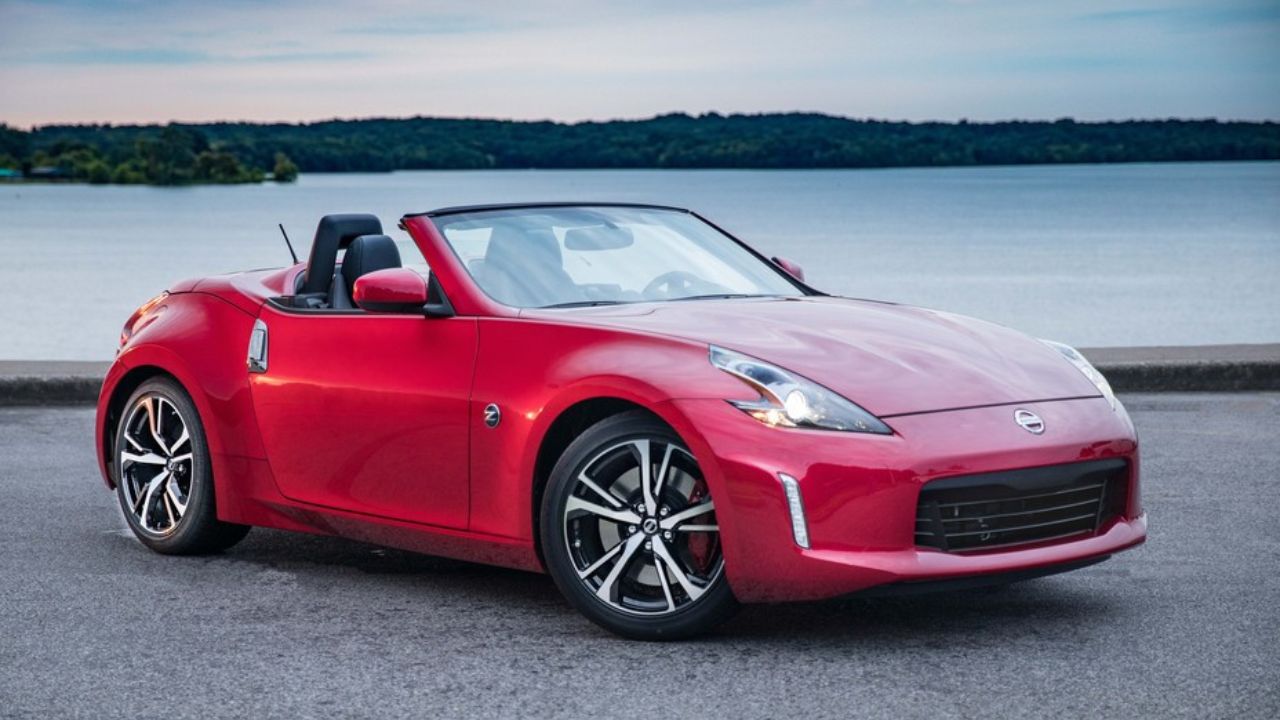
Nissan 370Z Roadster (2010-2020)
This might raise some eyebrows, but stay with me.
The 370Z coupe represented fantastic value as a purist’s sports car: sharp handling, excellent steering feel, and that glorious VQ engine note. The Roadster is roughly 150–225 lb heavier (e.g., coupe about 3,314 lb vs Roadster commonly ~3,479–3,541 lb, depending on trim/spec), mostly over the rear axle, which disrupted the carefully tuned weight distribution that made the coupe so engaging.
That weight penalty might not sound dramatic, but in a car where balance is everything, it was enough to dull the responses and create understeer where the coupe felt neutral. The soft top also meant increased wind noise and less structural rigidity, translating to more cowl shake on rough roads. If you wanted an affordable Japanese convertible sports car, Mazda’s MX-5 existed at a lower price point with better dynamics.
The 370Z coupe carved out space as the value-priced sports car for people who wanted more power and presence than a Miata, going roofless made it worse at its primary mission.
Infiniti Q60 Convertible (2014-2015, Previous Generation)

Infiniti’s G37/Q60 Convertible suffered from an identity crisis that the excellent coupe avoided.
The power-retractable hardtop was heavy and complex, adding roughly 450 lb compared to the coupe (Convertible listed at 4,083 lb; coupe commonly listed around 3,633 lb). That weight gain, combined with the reinforcement needed for structural rigidity, pushed the Q60 Convertible past 4,000 pounds, making it heavier than many midsize sedans while having less power than competitors like the BMW 335i Convertible.
The driving dynamics took a noticeable hit; that sharp turn-in and balanced feel of the coupe gave way to something more ponderous and less connected. Trunk space nearly disappeared with the top down. The coupe version offered genuine sports car engagement with luxury refinement at a competitive price point.
The convertible asked buyers to accept significant performance compromises while paying $10,000 more, in a segment where BMW and Mercedes-Benz offered more polished alternatives.
Conclusion
The convertible remains one of automotive design’s greatest pleasures… When applied to the right platform.
The cars on this list aren’t failures because they had bad intentions; they struggled because the fundamental concept didn’t align with engineering reality or buyer needs. Some were genuinely well-built vehicles that simply didn’t benefit from losing their roofs. Others represented ambitious attempts to create new market segments that didn’t actually exist. The best automotive designs show restraint, understanding that not every idea should make it to production just because it’s technically possible.
For every Miata or 911 Cabriolet that proves convertibles can enhance the driving experience, there are cautionary tales reminding us that sometimes the roof is there for good reason.