Every automaker has that one car that changed everything. These aren’t necessarily the best-selling models or the most famous ones, but rather the vehicles that established a brand’s identity and set the template for decades of future designs.
From defining what luxury means to pioneering new segments entirely, these cars became the DNA that their manufacturers still draw from today.
BMW 2002 (1966-1977)

The BMW 2002 essentially created the sports sedan category and taught BMW what it meant to build the “ultimate driving machine.” Before the 2002 arrived, BMW had already laid the groundwork with its Neue Klasse sedans, but the 2002 distilled that formula into a smaller, more performance-focused package that permanently defined BMW’s sporting sedan identity.
The 2002’s perfect balance of practicality and performance became the blueprint for every 3 Series that followed, establishing BMW’s reputation for cars that could handle daily commutes and weekend canyon runs with equal aplomb.
Jeep Wrangler YJ (1987-1995)

While the original Willys MB won World War II, the YJ Wrangler saved Jeep as a civilian brand by proving that rugged authenticity could coexist with modern reliability. This was the first Wrangler generation to significantly modernize the CJ formula for civilian buyers, evolving the classic Jeep design into a more comfortable and reliable consumer vehicle, featuring rectangular headlights that initially horrified purists but helped establish a design language that balanced heritage with contemporary needs.
Every Jeep since has tried to capture the YJ’s magic formula of looking tough enough for the trail while being civilized enough for suburbia.
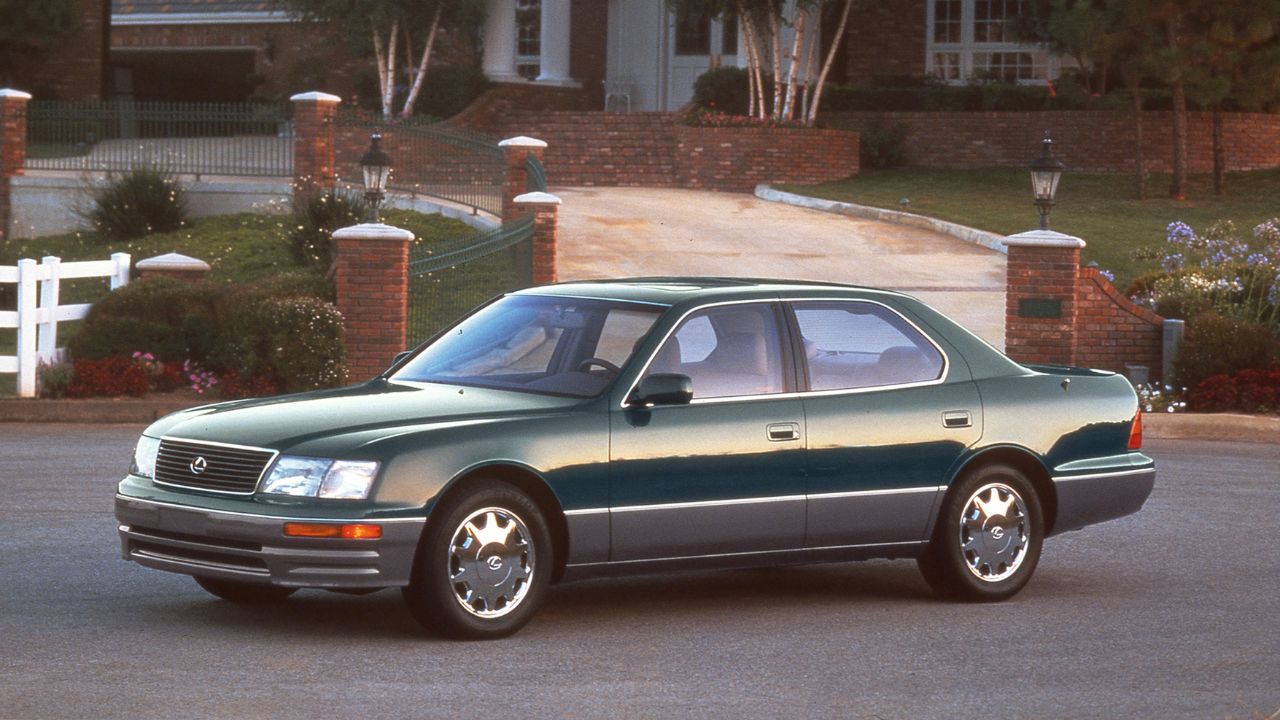
Lexus LS 400 (1990–1994; 1995–2000)

The first-generation LS didn’t just announce Lexus’s arrival in the luxury market — it completely rewrote the rules about what a premium sedan should be. Toyota spent six years and over a billion dollars creating a car that was quieter, more reliable, and better built than anything from Germany, while costing significantly less.
The LS established Lexus’s obsession with refinement and attention to detail that continues to define the brand, proving that luxury didn’t have to come with constant trips to the service department.
Ford Mustang (1965-1973)

The original Mustang created the pony car segment, yes, but it also taught Ford that emotional appeal could be just as important as practicality. Built on the humble Falcon platform but styled to look like a European sports car, the Mustang proved that Americans would pay extra for style and the promise of performance, even in an affordable package.
This philosophy of making mainstream cars feel special through design and marketing became Ford’s playbook for everything from the Explorer to the modern F-150.
Porsche 911 (1963-Present)

The 911 established that Porsche would never compromise its engineering principles, no matter how impractical they might seem. With its rear-mounted, air-cooled engine that defied conventional wisdom, the 911 created a unique driving character that became Porsche’s signature.
The continuous evolution over more than six decades without losing its essential identity showed Porsche how to honor its heritage while embracing new technology — a balance the company still maintains across its entire lineup.
Volvo 240 (1974-1993)

The boxy, practical 240 series crystallized Volvo’s brand identity around safety, durability, and understated Scandinavian design. While other manufacturers chased style trends, Volvo stuck with the 240’s honest, functional aesthetic for nearly two decades, proving that substance could triumph over flash.
The car’s legendary reliability and pioneering safety features like crumple zones and reinforced passenger compartments established the brand values that Volvo still trades on today.
Honda Civic (1972-1979)

The first-generation Civic taught Honda that small could be mighty and that efficiency didn’t have to mean cheap. Launched just before the 1973 oil crisis, this tiny hatchback proved that Japanese engineering could create cars that were both fuel-efficient and genuinely fun to drive.
The Civic’s combination of reliability, practicality, and surprising refinement in a compact package became Honda’s formula for success, influencing everything from the Accord to the CR-V.
Mercedes-Benz S-Class W116 (1972-1980)

The W116 S-Class established Mercedes-Benz as the standard-bearer for luxury and innovation by being the first car officially called “S-Class” and introducing technologies that seemed like science fiction. Features like anti-lock brakes and advanced crumple zones weren’t just luxury amenities: they were previews of the future that would eventually trickle down to economy cars.
This model set the template for Mercedes as the brand that invents tomorrow’s automotive technology today.
Subaru Legacy (1989-1994)

The original Legacy proved that Subaru’s quirky all-wheel-drive technology could appeal to mainstream buyers, not just rural utility customers. By packaging their signature boxer engine and symmetrical AWD system in a conventional-looking sedan and wagon, Subaru discovered they could offer something unique without seeming weird. Well, not as weird as usual.
The Legacy’s success with outdoorsy professionals established the brand identity that Subaru still cultivates today — practical, capable vehicles for people who actually use them.
The Blueprint Lives On

These nine cars didn’t just succeed in their own eras — they created the genetic code that their manufacturers still reference today. Whether it’s BMW’s pursuit of driving dynamics, Volvo’s safety obsession, or Porsche’s refusal to compromise its engineering philosophy, the lessons learned from these pivotal models continue to shape new cars rolling off production lines.
In an industry constantly chasing the next big thing, sometimes the biggest influence comes from understanding what made you special in the first place.