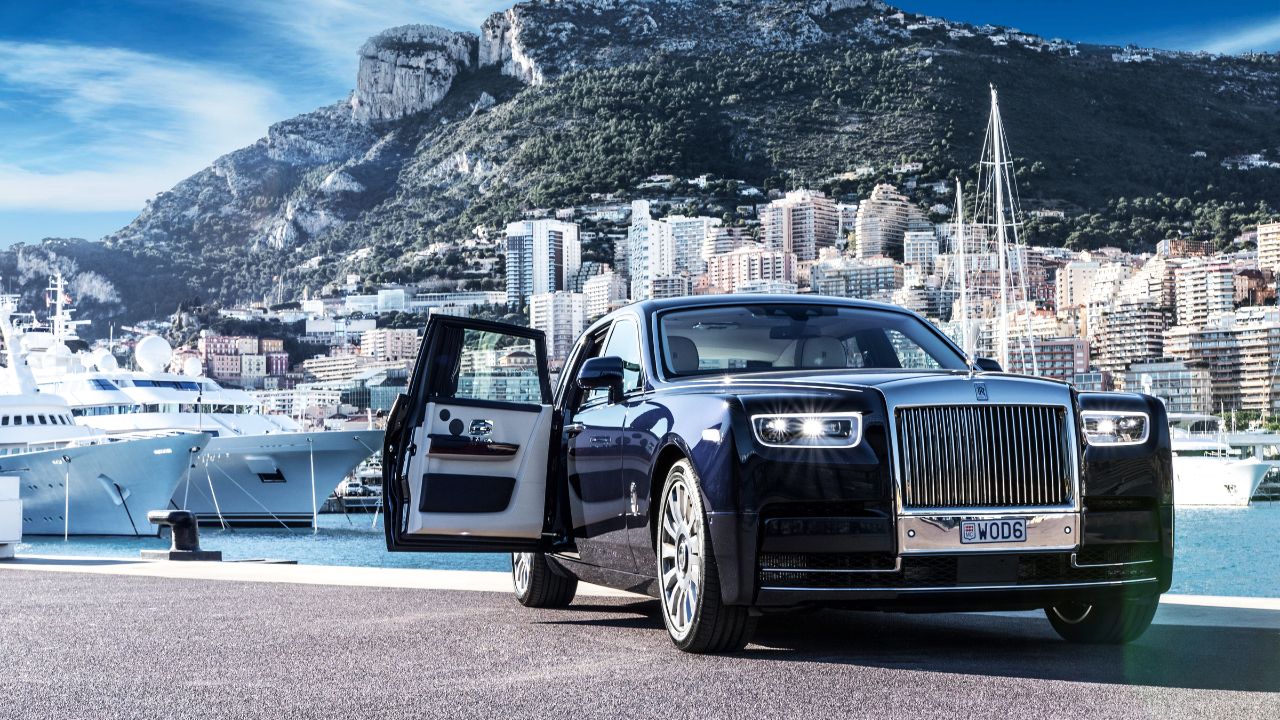
There’s something special about the way a door opens, especially coach doors, commonly referred to as suicide doors. They’re not practical by any means, but who cares? These doors swing open from the rear, inviting passengers to step into something more than just a vehicle. The motion feels cinematic, like you’re entering a movie scene where you’re the star and the other passengers are your adoring fans. The design encourages elegance in a way that regular doors rarely express.
Doors like this have appeared on cars with presence and personality throughout automotive history. They add symmetry to long-bodied sedans and drama to coupes with a low stance. When they open, they instantly transform any vehicle. They become luxurious, mysterious, dramatic… Each vehicle that carries them gains an extra moment of pause and attention, and a way to tell everyone else to step aside.
The Curtains Open, the Dramatics Begin
With so many vehicles with suicide doors, how did we narrow it down? Easy, we selected the models that made people say “oh, wow” when they opened. We didn’t want any suicide doors simply used for novelty or gimmicks. These doors had to be dramatic and add presence to the car, but also have a purpose.
So what exactly is a coach, or suicide, door, simply put, they are car doors that are hinged at the rear rather than the front. It must be said that the name actually comes from the safety concerns the public has often had about doors that function this way. If a rear-hinged door opened while the vehicle was in motion, passengers would often go flying into traffic. Seatbelts reduce risk, but rear-hinged doors are still considered riskier if they open while moving because airflow can force them farther open. While suicide doors are still often seen as a bit impractical, they can add an unmatched aura when used right.
These are the cars we wanted to feature.
Lincoln Continental (2019 Coach Door Edition)
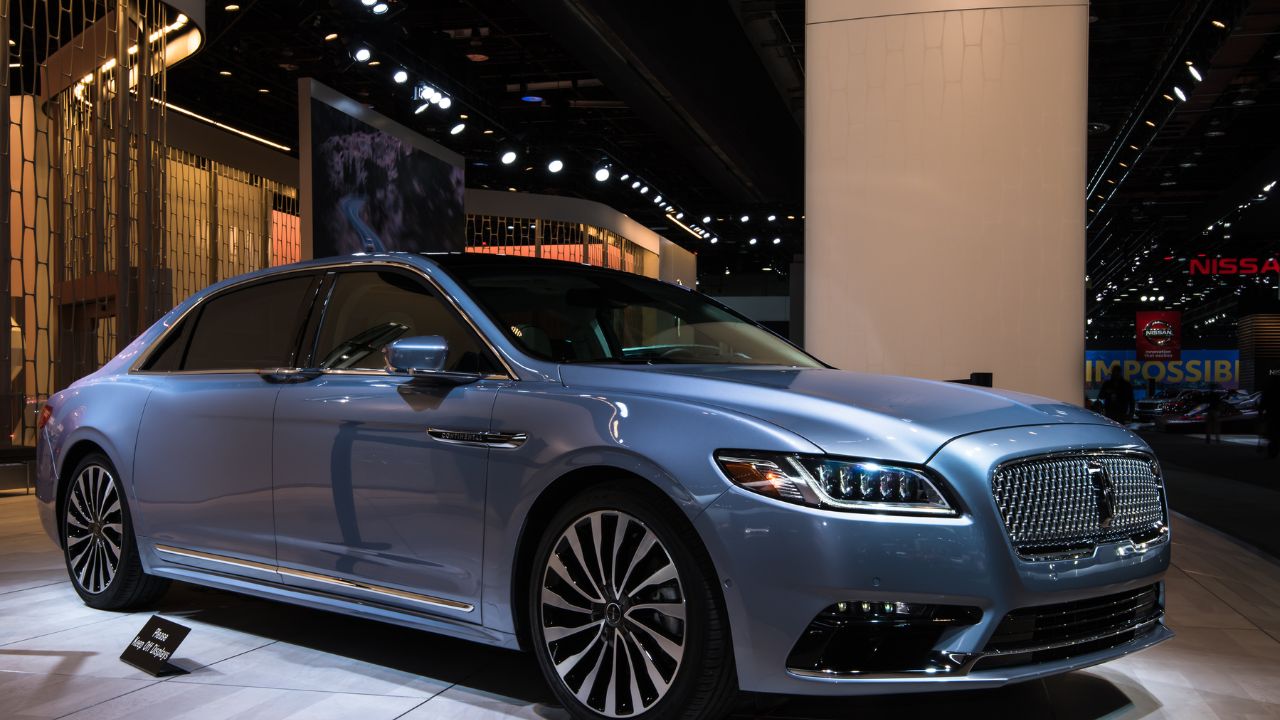
Imagine a car designed for a Bond villain with a timeshare in Connecticut. The 2019 Lincoln Continental Coach Door Edition was more than a throwback; it was a resurrection. Based on the final-gen Conti, it brought suicide doors back with serious drama and Lincoln built 80 for 2019, then followed with 150 more for 2020.
Lincoln took its most stoic sedan and gave it swagger, those long doors swing out like they’re unveiling a red carpet. You step in and feel like you should be signing a peace treaty or getting indicted for insider trading. It’s a car that doesn’t just make you look like a boss, it makes you feel like your driver should be on salary.
The Coach Door Edition cars were modified by Cabot Coach Builders in Haverhill, Massachusetts (including the wheelbase stretch and coach-door conversion). Pricing was about $110,000 for 2019, and the 2020 Coach Door Edition started at $115,470 (before destination/fees).
Rolls-Royce Phantom

Owning a Phantom is like being a walking inheritance. These cars had to be commissioned. And the suicide doors? Electrically powered and smoother than your dad’s jazz vinyl collection. The Phantom’s doors open like you’re about to walk into a private jet, not a car. Inside, it’s wood, wool, and whisper-quiet majesty. The silence is so pure, you can hear the weight of your family’s expectations.
Pull up, tap the button to close your rear-hinged masterpiece, and watch the rest of the parking lot melt into irrelevance. If someone asks how much it costs, just say, “Less than a yacht, more than your dignity.”
Mazda RX-8
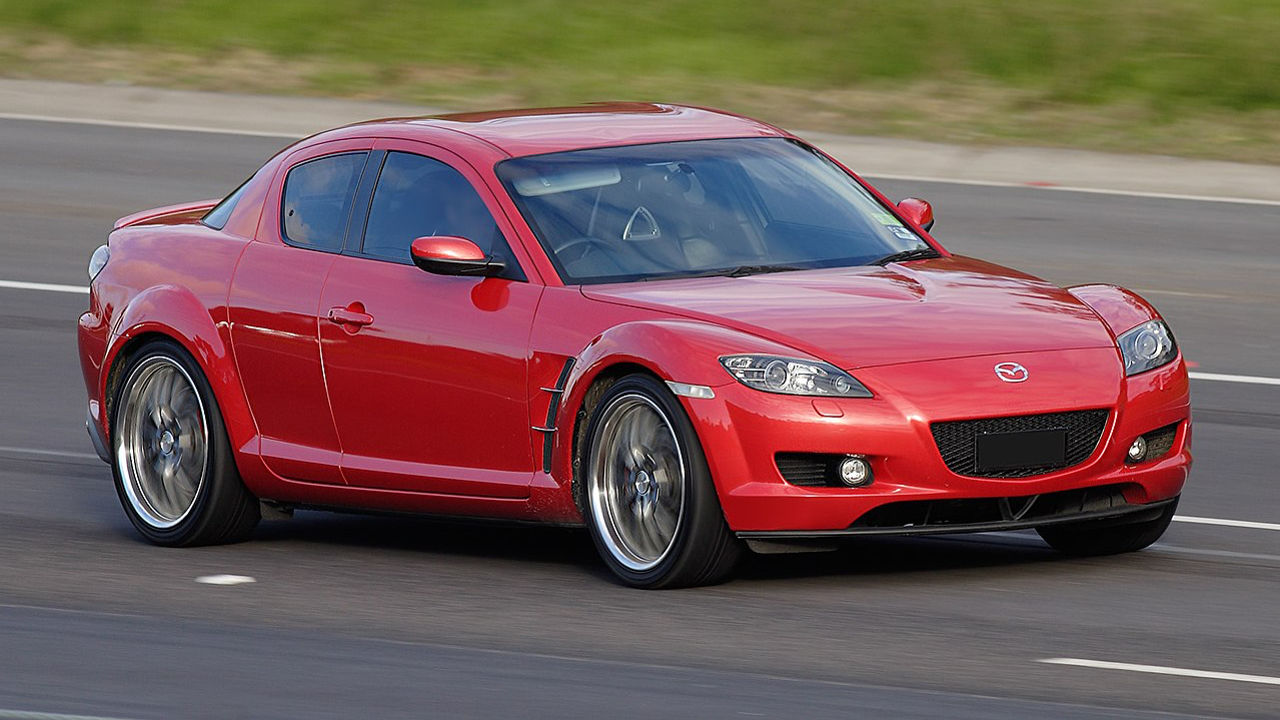
This one’s for the weirdos, and we mean that with love. I’m a weirdo, too. With a perfect 50:50 weight distribution and a redline at 9,000 rpm, the RX-8 might be best known for its high-revving rotary engine and the smell of burning oil. But it also packed a set of rear-hinged half doors that made you look twice. It’s a proper four-door coupe in a world full of coupe-like crossovers.
Sure, the engine floods if you even think about shutting it off cold, but those little suicide doors? A genuinely cool engineering solution. And they give you a chance to explain Wankel rotary theory to your passengers for the 87th time this month (they love that.)
Rolls-Royce Ghost

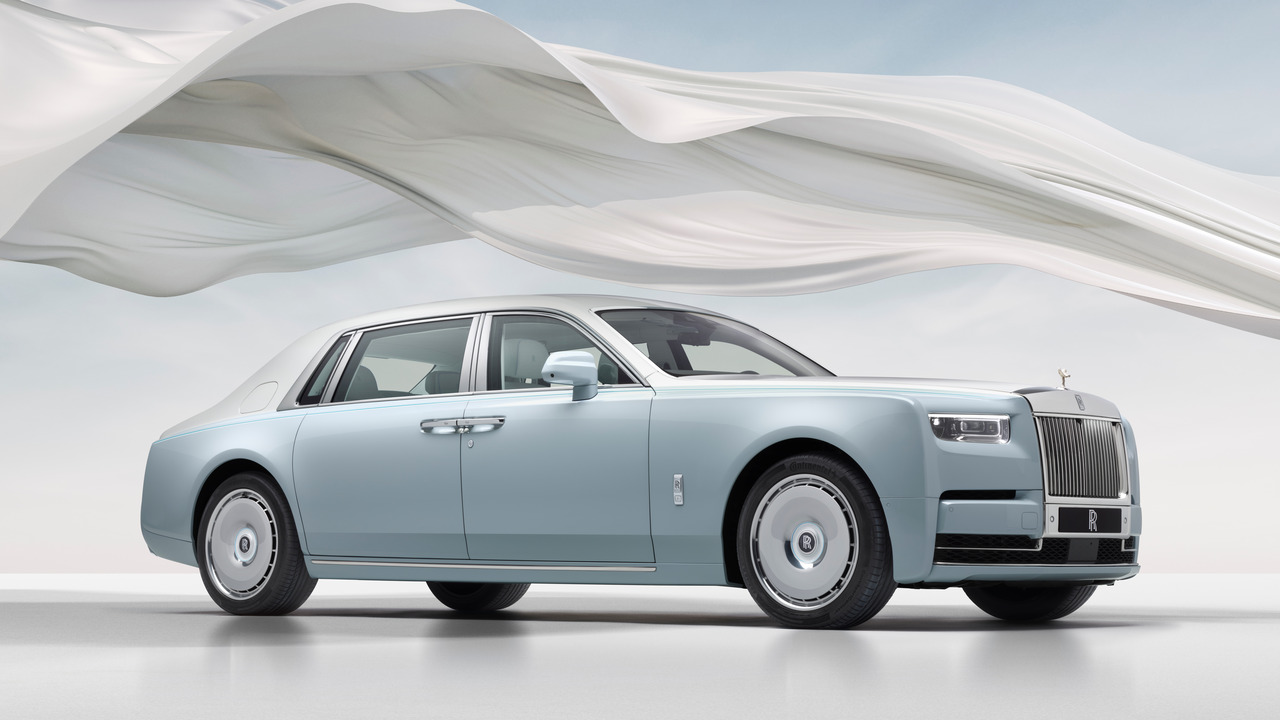
The wide opening creates space for dignified entry. Inside, one finds hand-stitched leather and a carefully arranged cabin. Each button and surface responds with delicacy. The sound of the door closing feels like the end of a soft conversation. Passengers rest in sculpted seating with room to relax, a space where you can forget that you have a job and a mortgage.
The Ghost provides a sense of travel that goes beyond motion. It encourages calm thought and stillness. The vehicle moves like a grand idea. The doors perform like a theater in slow motion. The Ghost is a car that makes you feel important, even if you’re just going to the grocery store to buy a carton of milk. Stepping out of a Ghost’s suicide doors feels like a dramatic reveal.
Ghost’s power-assisted coach doors (“Effortless Doors”) can be placed in motion with minimal effort and closed via a button. Because lifting your own door is apparently too pedestrian.
BMW i3

BMW’s eco-weirdo city car arrived with futuristic ideas and suicide-style clamshell rear doors that made it feel more concept car than grocery-getter. The BMW i3 presents its form with confidence and practicality. The rear suicide-style coach doors open toward the back, providing access that feels seamless and generous. The pillarless layout supports a minimal yet welcoming interior. The design supports clarity and ease. The doors open with purpose and allow comfortable seating access. The vehicle shape supports maneuverability in cities.
Sure, the i3 looks like a sneaker from the future, but the interior is a masterclass in sustainable cool: eucalyptus wood, recycled fabrics, and more renewable materials than a Whole Foods shelf. Now you can feel like you’re saving the planet while also being a pretentious snob. Dreams really do come true!
Toyota FJ Cruiser

Rugged, boxy, and ready to boulder-hop, Toyota’s FJ Cruiser came with rear-hinged half doors because normal doors couldn’t handle its wilderness energy. The doors unlock after the front doors, revealing a wide cabin space. This format benefits outdoor gear, pets, and passengers, and also makes it a pain to get in and out of the back seat. The body sits high and strong, ready for all terrains. The doors feel sturdy and deliberate in their movement. They open wide and secure with a solid click. The rear seats become easier to access than expected. The layout supports loading and unloading without fuss. The experience supports activity and exploration. The doors carry an element of surprise in function. They serve a purpose that stays useful across adventures.
These doors are less about elegance and more about hauling gear, dogs, or muddy passengers without missing a beat. Yes, they’re annoying in tight parking lots. But once you’re out on the trail, they’re as practical as duct tape and jerky.
Inspired by the original FJ40 Land Cruiser, the FJ’s suicide doors are a nod to old-school utility in a very modern wrapper. Apocalypse, here we come!
Honda Element

The Element is the car equivalent of your friend who always volunteers for moving day. It’s boxy, humble, and blessed with suicide clamshells that make loading a kayak, crate, or Great Dane a breeze. The Honda Element opens its rear-hinged clamshell doors with utility in mind. Both doors swing open to reveal a spacious and flexible cabin. The flat floor supports loading everything from bikes to bags, and also makes it easy to hose out the interior after a particularly messy weekend. The rear seats fold flat, flip up, or can be yeeted entirely. It’s basically a Swiss Army car.
Open both doors, and it’s like the side of the car vanished. That’s by design, there’s no B-pillar, which makes the Element weirdly perfect for everything from road trips to surf runs to low-budget van life. The rear doors complete the wide, open effect. The door motion provides direct access from every angle. The Element brings friendliness and simplicity. It offers a shape that accepts activity with ease. The suicide doors encourage interaction with the vehicle.
Rolls-Royce Cullinan

Rolls-Royce sure loves its suicide doors! With the Cullinan, the luxury carmaker brings its signature suicide doors into the world of SUVs. They open with strength and elegance, allowing your wealthy offspring to spill out of the back like royalty heading to prep school. The rear doors welcome passengers with power-assisted motion.
The interior reflects quiet luxury with bespoke finishes. Rear passengers enjoy elevated seating and calm visibility. The doors provide smooth entry at curb height. The materials support both touch and visual comfort. The layout creates a sense of quiet containment. Each detail reflects consistent design values. The Cullinan opens and closes with presence, the doors acting like bookends to a peaceful journey, and a way to keep the riff-raff out.
The Cullinan is for people who want Range Rover practicality with yacht-level elegance. The doors power open and shut with such grace, even the valet hesitates to touch them.
Lincoln Continental (1961-1969)

The 1960s Lincoln Continental remains one of the most iconic cars with suicide doors, credited with making rear-hinged doors iconic. The long rear-hinged doors swing open in coordination with the front. The rear-hinged rear doors are the icon here; the sedans have a B-pillar, while the convertible is the pillarless version. The chrome trim frames every surface with detail. The interior holds vintage cues with strong materials. Each opening of the doors becomes part of the show.
The experience recalls a time of deliberate luxury. This is the suicide-door legend. JFK rode in one. Frank Sinatra smoked in one. And today, nothing makes a cooler statement at a car show than pulling up in a ‘60s Conti and swinging those slab-sided doors wide.
Rolls-Royce Wraith

The Wraith is what happens when a Phantom decides it wants to lift weights and wear a smoking jacket. It’s a coupe with suicide doors the size of barn gates and a twin-turbo V12 under the hood. Its large suicide doors swing outward to present the cabin like a suite. The car holds power and quiet elegance at once. Inside, the atmosphere supports deep comfort, especially since the door thickness adds sound insulation and visual authority.
Each drive in the Wraith carries calm intensity. The doors introduce a sense of moment. The Wraith turns movement into presence. Park at an angle, open one door slowly, and just sit there for a moment as people take in the leather interior. That’s presence. That’s Wraith energy.
Lincoln Zephyr
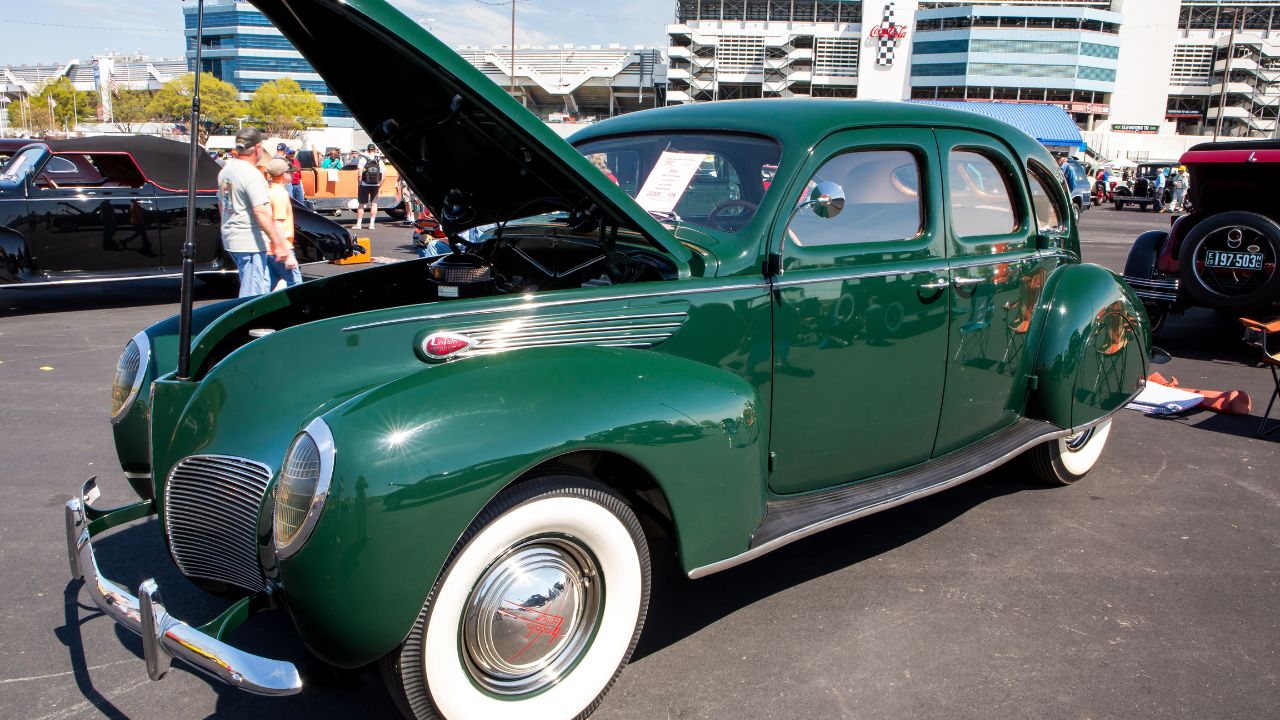
The Zephyr is a time capsule. On Lincoln-Zephyr sedans, the rear doors were rear-hinged, adding extra drama to the Zephyr’s streamlined Art Deco shape. Think of it as America’s answer to Art Deco mobility. The styling follows long, clean lines from hood to tail, and the seats offer softness and subtle support. The interior draws influence from architecture and fashion.
The doors swing open with vintage charm. Every drive feels like a moment in motion, and the doors add ceremony to every stop. The Zephyr influenced car design throughout the late ’30s and ’40s and made Lincoln relevant again, proving its glorious looks and suicide doors were not to be forgotten.
Lancia Appia
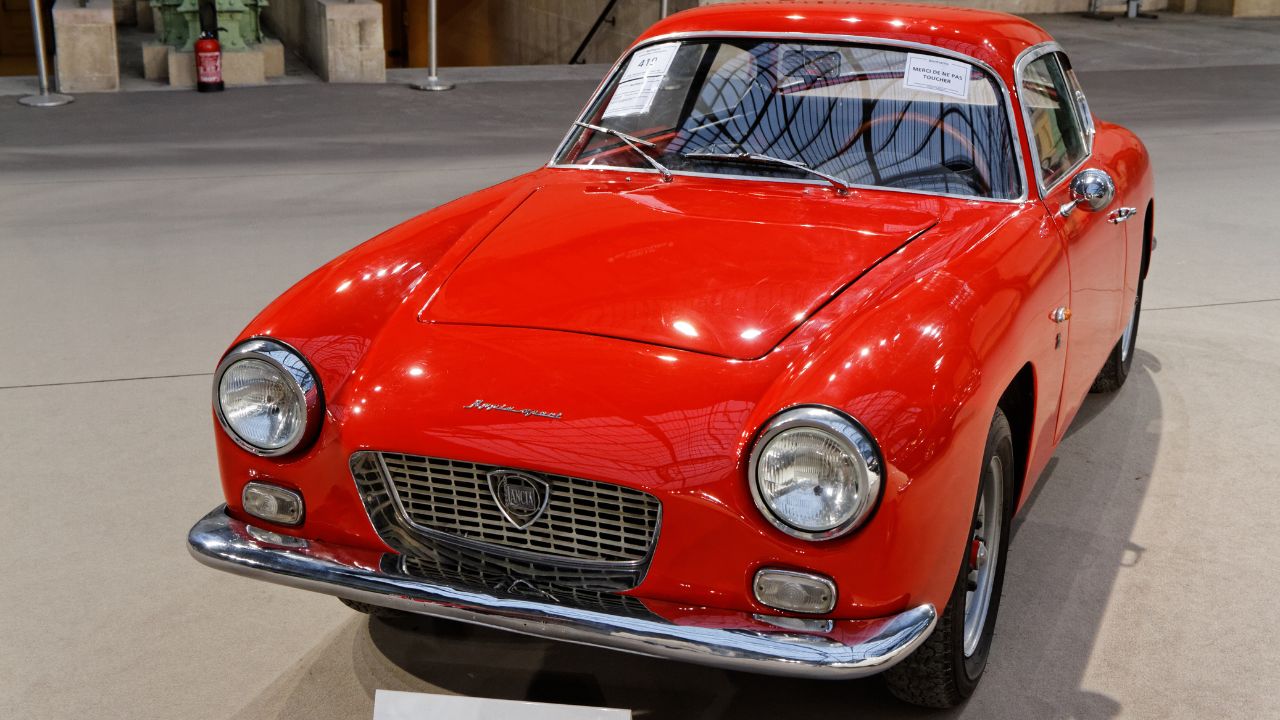
Italy’s take on suicide doors came with style baked in. The Appia’s doors open like a Milanese boutique, tasteful, poised, and ready to sell you a bespoke suit. On the Lancia Appia Berlina (saloon), the rear doors were rear-hinged and the design eliminated the B-pillar for unobstructed entry.
The Appia expresses its grace with quiet gestures. The drive remains smooth and composed, like it’s on a cloud made of olive oil and espresso. The doors maintain symmetry in design and function. The tiny V4 engine meant it was as mechanically curious as it was visually charming.
The Appia continues to feel refined decades later.
Step Inside, Take a Seat

There’s a reason that celebrities show up to events by stepping out of suicide doors, why rappers brag about their car having these doors in their lyrics, and why we stop and stare at car shows. Suicide doors create a lasting impression. They open in a way that feels ceremonial, offering a view into the design choices behind each vehicle. It’s intentional. It’s an experience.
These 12 vehicles carry that memory forward with every entrance and exit. The feeling stays long after the engine stops. Each car brings the door into focus as a design element that holds time, space, and style in perfect alignment. Just remember to put on your seatbelt!