
Next time you’re stuck in traffic, take a moment to really listen to the symphony of honks around you. You might not realize it, but those familiar beeps and blares are actually quite unique to where you live.
Car horns aren’t just random noise makers: they’re shaped by culture, regulations, and even local musical traditions in ways that might surprise you.
Europe’s Melodic Approach
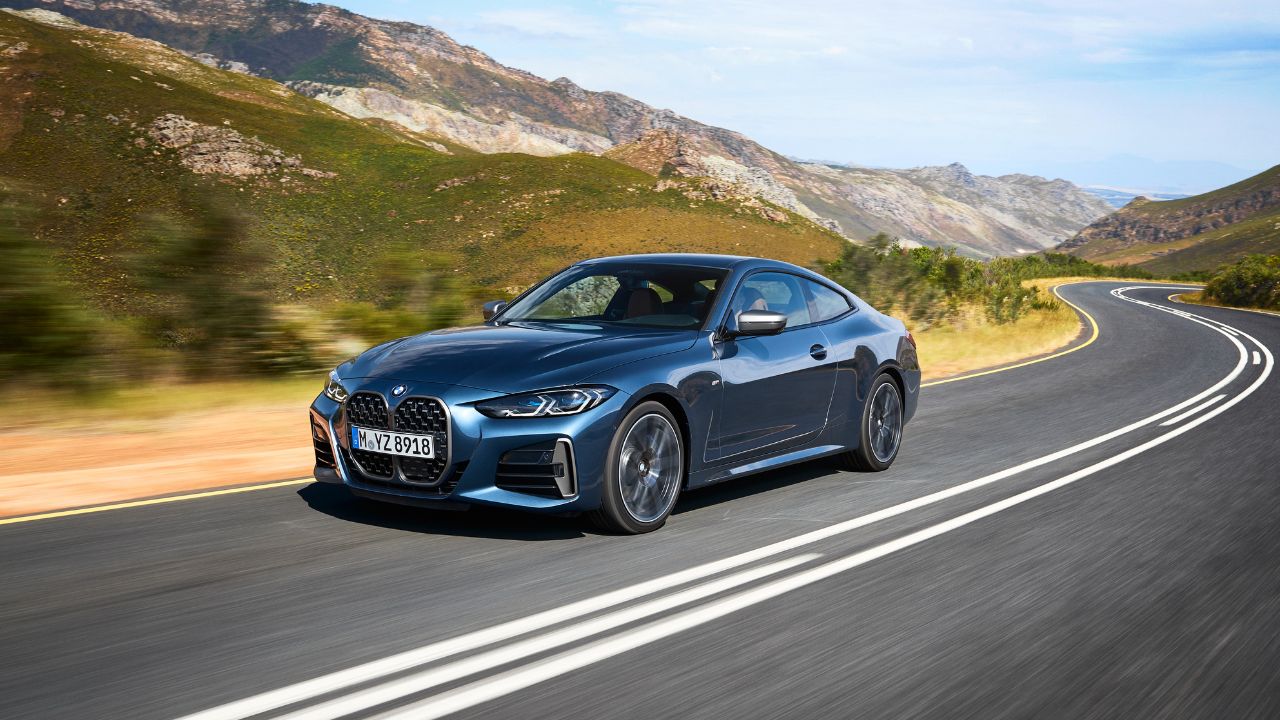
European car horns often sound more refined, not because the law demands musicality, but because many manufacturers use dual-tone horn setups that produce a fuller, less piercing sound. Regulations across Europe, governed by UNECE standards, focus on audibility, consistency, and maximum sound levels rather than pitch or character, leaving automakers room to shape the final tone.
As a result, the horn in a BMW or Mercedes can feel more composed than aggressive, even though it serves the same safety purpose as anywhere else. Culturally, European drivers also tend to reserve the horn for genuine warnings rather than emotional outbursts, which reinforces the perception of restraint.
Japan’s Politeness Problem

Japanese drivers tend to use their horns less often, but the horns themselves follow standards similar to other UNECE-style markets and less confrontational, which creates an interesting cultural dilemma. In a society where being direct or loud is considered rude, many Japanese drivers actually avoid using their horns altogether.
When they do honk, it’s often a quick, apologetic-sounding beep that somehow manages to convey both urgency and regret. From driving a Toyota Corolla, I can tell you that first hand.
India’s Honking Culture

If you’ve ever been to India, you know that honking isn’t just communication: it’s practically a language. Indian horns are designed to be heard over the constant din of traffic, with many trucks sporting aftermarket multi-tone/air-horn setups, even though authorities have repeatedly tried to restrict pressure and multi-tone/musical horns.
The phrase “Horn OK Please” painted on the back of vehicles isn’t just decoration; it’s traditionally meant as a signal to honk when overtaking, especially on older highways as a way of announcing your presence.
Latin America’s Musical Influence

Many Latin American countries have embraced musical car horns that can play snippets of popular songs or traditional melodies. They’re typically aftermarket modifications (novelty/music horns), not factory options that reflect the region’s deep connection to music in daily life.
You might hear everything from mariachi tunes to reggaeton beats echoing through the streets.
Middle Eastern Variations

In many Middle Eastern countries, car horns serve as both warning devices and social tools. The horns tend to be louder and more varied in tone, with you’ll sometimes see aftermarket auxiliary horns (especially on larger vehicles), and horn use can serve both warning and social signaling.”
(Keep it cultural, remove the “factory multiple horn modes” implication—there isn’t good evidence for that).
A quick beep might mean “excuse me,” while a longer blast could indicate serious frustration with traffic flow.
China’s Regulation Response

In many Chinese cities, aggressive noise-control policies have dramatically reshaped how and when drivers use their horns, with strict enforcement and designated no-honking zones aimed at reducing urban noise pollution. While vehicles themselves are equipped with standard horns similar to those used globally, frequent penalties have made drivers far more reluctant to use them except in genuine emergencies.
The result is traffic that can feel surprisingly quiet for its density, where restraint is enforced not by culture alone, but by regulation.
Australia’s Practical Approach

Australian car horns tend to be straightforward and functional, reflecting the country’s no-nonsense attitude.
However, there’s an interesting twist – Australian vehicles use ADR-compliant horns like other global markets; what differs more is how people use them—typically sparingly and for safety, acknowledging that communication needs change between crowded urban areas and open highways.
North America’s Standardization

American and Canadian car horns are among the most standardized globally, thanks to Horn rules in North America are largely handled through vehicle codes and general safety requirements (for example, requiring a horn audible from a minimum distance and prohibiting unnecessarily loud/harsh use), not federally mandated pitch ranges.
This has created the familiar, somewhat harsh “honk” that most North Americans recognize, though luxury vehicles often feature more sophisticated dual-tone systems.
The Sound of Where You’re From

These differences in car horns reveal something fascinating about how local culture shapes even the most mundane aspects of our daily lives. Whether it’s Japan’s polite beeps or India’s musical celebrations, the way we honk says as much about who we are as the cars we drive.
Next time you hear a horn, you’re not just hearing a warning – you’re hearing a little piece of cultural identity, one beep at a time.