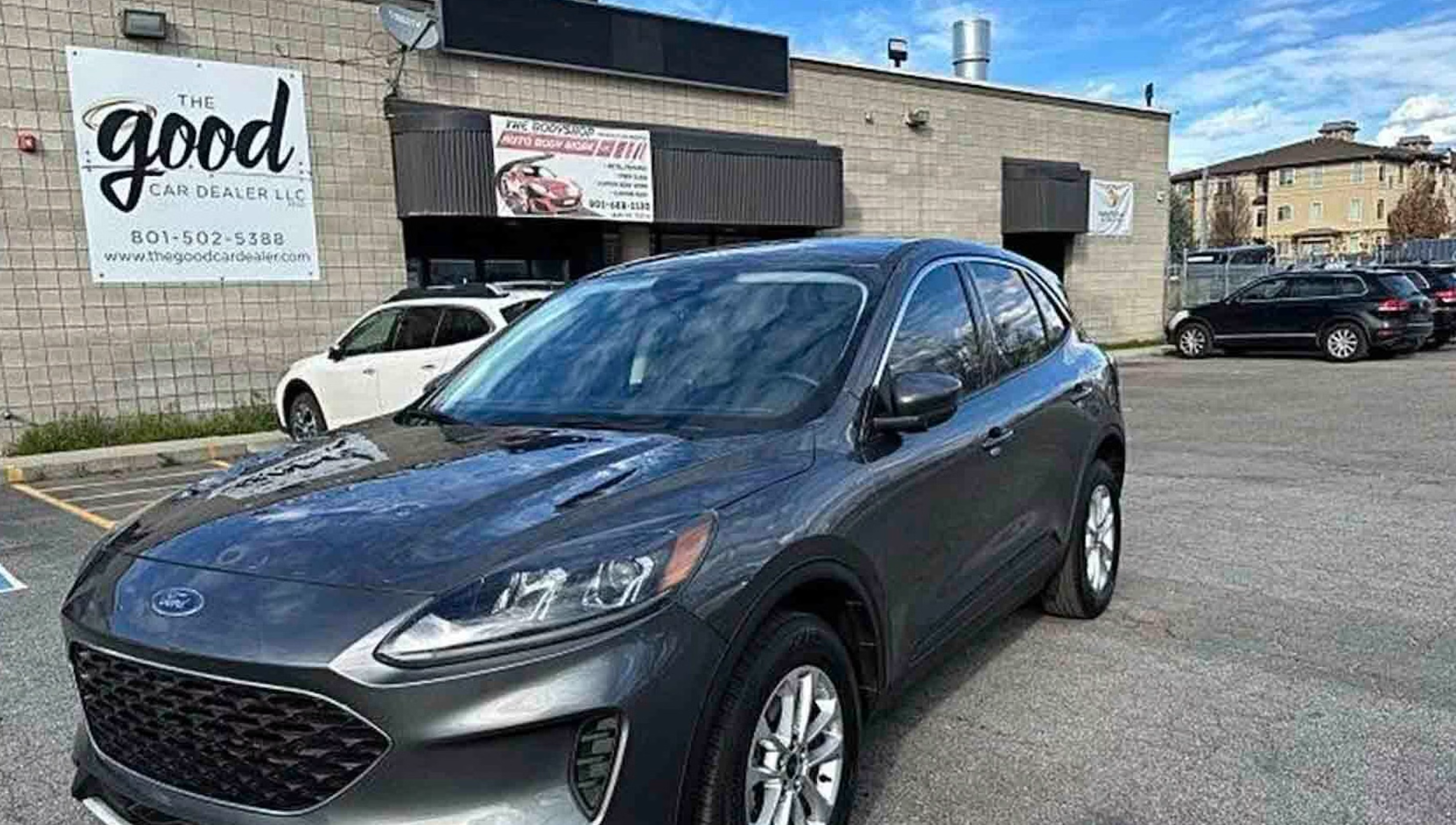
A Utah used car dealer is learning the hard way that paperwork fraud is still fraud, regardless of how many layers of forged notary stamps you pile on top of it. Scott Keith Pryor, owner of The Good Car Dealer in Salt Lake City, now faces 15 Wyoming felony counts tied to an alleged scheme that investigators say involved fabricated title documents, impersonated notaries, and at least one vehicle owner who had the notable problem of being dead before the storm that supposedly damaged her car even occurred. A Laramie County judge found probable cause on June 4 to support an arrest warrant, which had not yet been served as of Friday afternoon.
The charges each carry a maximum penalty of two years in prison and a $5,000 fine, for a potential total exposure that would give most people pause. What investigators uncovered, detailed in an 11-page criminal affidavit, reads less like sophisticated financial fraud and more like a scheme that unraveled the moment anyone at the county clerk’s office looked twice. And that is precisely what happened: employees at the Laramie County Clerk’s Office noticed more than a dozen duplicate title applications that struck them as deeply suspicious, triggering a full investigation by Wyoming Department of Transportation senior investigator Shane Fox.
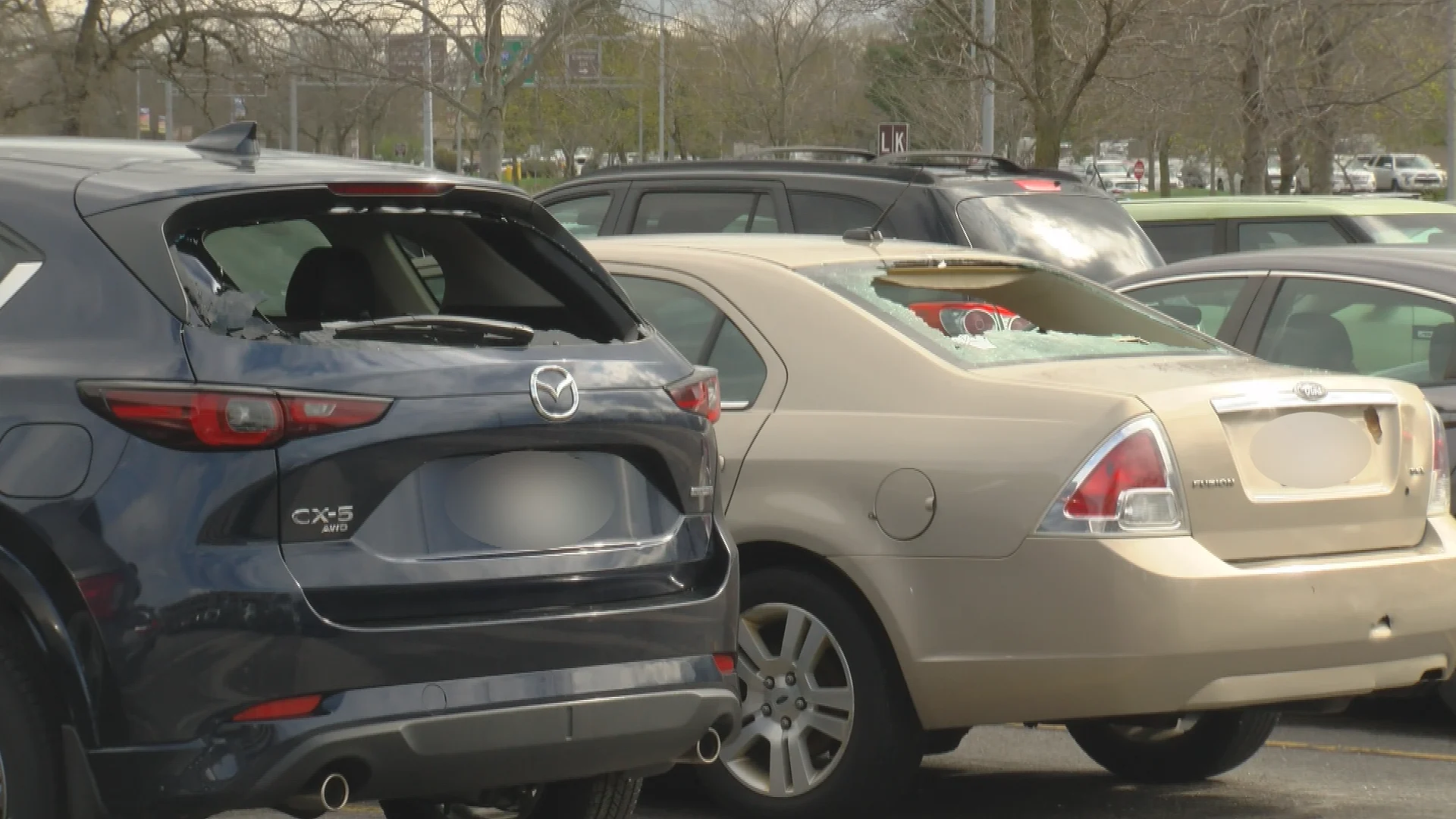
The vehicles at the center of the case all tie back to a major hailstorm that hit Cheyenne in August 2025, causing widespread damage across southeast Wyoming. Insurance companies took possession of the affected vehicles following claims, and many of those cars were subsequently auctioned through Copart in Colorado. Several were designated as parts-only units, a classification that typically comes with a bill of sale rather than a traditional title, and a correspondingly lower resale value. According to investigators, that gap between parts-only pricing and clean-title pricing appears to be exactly what Pryor was allegedly trying to exploit.
Fox’s affidavit indicates that Pryor purchased at least 15 Wyoming vehicles through Copart during the relevant period, but also notes that over the previous 12 months, Pryor acquired 292 vehicles worth nearly $2 million through the same auction platform. The scale of the purchasing activity is part of what gives this case its broader significance, well beyond a routine title paperwork dispute.
How Salvage Cars Get Laundered Back Into the Market
Understanding why clean titles matter so much requires a quick look at how the salvage and auction pipeline actually works. When a vehicle sustains damage severe enough to trigger an insurance payout, the insurer takes ownership and typically sells it through auction channels like Copart or IAA. Depending on the damage and state regulations, the vehicle may carry a salvage title, a rebuilt title, or in cases where it is deemed fit only for parts, no traditional title at all.
Parts-only vehicles are supposed to stay out of the retail market as drivable units. They are intended for dismantlers and parts suppliers, not for resale to consumers who expect a functioning, insurable, financeable car. A clean, unbranded title changes the entire picture for a vehicle’s resale value, and that difference can run into the thousands of dollars per unit. For a dealer moving dozens of vehicles at a time, the incentive to find a shortcut is obvious, even if the shortcuts in this case were spectacularly sloppy.
Forged Signatures, Fake Notary Stamps, and a Woman Who Died Before the Storm
The mechanics of the alleged scheme involved submitting duplicate title applications to Laramie County, claiming the original titles had been lost. To support those applications, the paperwork required signatures from vehicle owners and notarization. According to the affidavit, investigators found that neither of those requirements was met legitimately in a long string of cases.
Notaries whose stamps appeared on the documents told Fox they had never signed the paperwork and the stamps were not theirs. Vehicle owners, including a U.S. Air Force service member stationed at F.E. Warren Air Force Base in Cheyenne, told investigators they had never authorized any duplicate title applications. And then there is the case that probably stood out most during the investigation: a duplicate title application bearing the signature of a Wyoming woman who had died on July 12, 2025, nearly three weeks before the August 1 hailstorm that supposedly damaged the vehicle in question. Her signature was dated March 5, 2026. Fox noted in the affidavit that it would have been impossible for her to have signed it.
Image above is from a different incident, but shows the damage done by hail storms.
A Facebook Company Called Tennessee Titles
When investigators pressed Pryor on the source of the fraudulent documents, he reportedly explained that he had found a company called Tennessee Titles through Facebook and paid roughly $150 per title application to people he knew only as “Rashard” and “Miss Catherine,” with all communication conducted through Facebook Messenger. He also stated that the computer used for those conversations had since been replaced and the records were no longer available. He could not produce documentation confirming the company’s legitimacy or evidence of payment.
It is worth noting that title washing through third-party services, legitimate or otherwise, is not a new phenomenon in the used car industry. What is unusual here is the alleged brazenness of the execution: multiple dead signatories, notaries who deny any involvement, and a paper trail that collapsed almost immediately under professional scrutiny. Cheyenne auto dealer Dallas Tyrrell, who has been dealing with the aftermath of the 2025 hailstorm alongside other southeast Wyoming dealers, told investigators that reputable dealers examine title history carefully before putting a vehicle on the lot, and that consumers regularly come to them after falling victim to exactly this kind of scheme.
Why This Matters to Anyone Buying a Used Car
Title fraud is one of those offenses that sounds like a bureaucratic technicality until you are the person who bought the car. A vehicle carrying a fraudulently obtained clean title may be uninsurable once the issue is discovered, ineligible for financing, and in some states, subject to seizure. The buyer is left holding a car that cannot legally be registered, driven, or sold at full value, while the dealer who sold it has long since moved on.
Fox concluded in his affidavit that the alleged scheme allowed salvage and parts-only vehicles to re-enter the retail market with Wyoming titles, enabling their sale to Utah buyers at a significant markup. The investigation is ongoing, and the arrest warrant for Pryor remained unserved as of Friday. For anyone shopping for used vehicles, particularly hail-damaged or recently repaired units, Tyrrell’s advice is straightforward: verify the title history, use a licensed and reputable dealer, and treat any story about a lost original title with healthy skepticism.