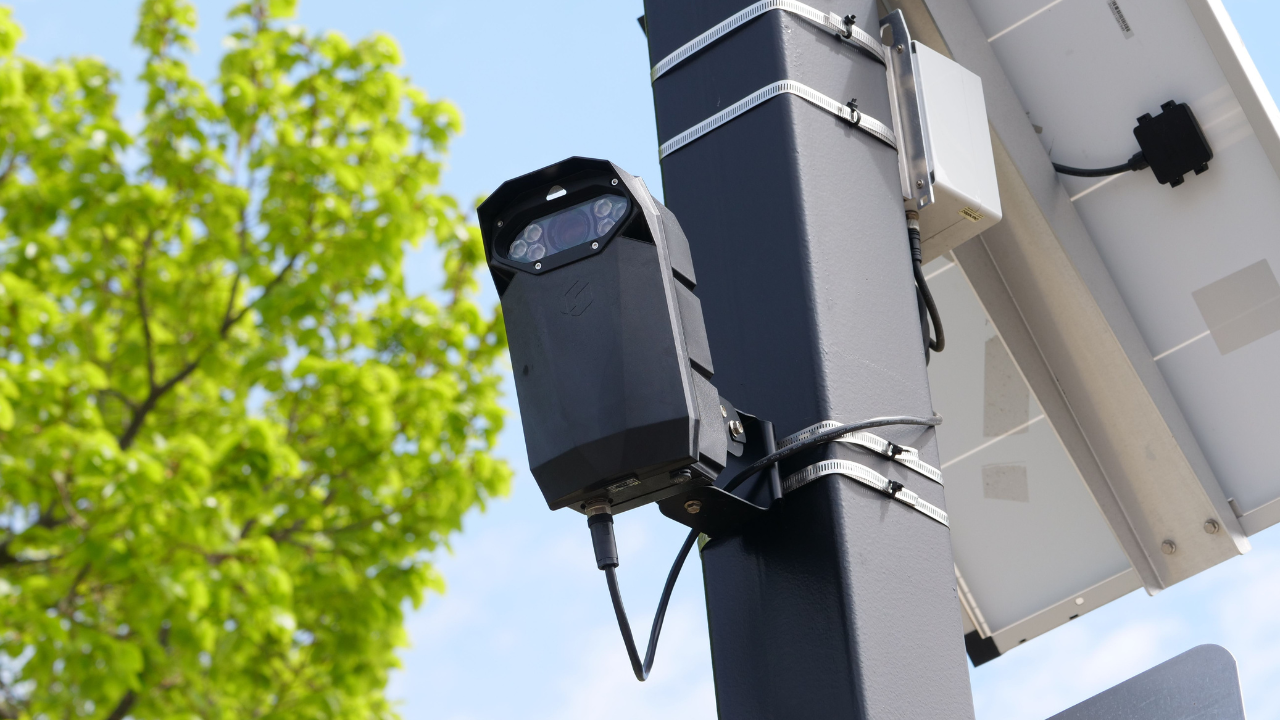
The board of the Chico Unified School District in California approved a $1.9 million contract for AI-powered security cameras without realizing what it was authorizing. Now, members say they got it wrong. The cameras, made by the surveillance company Verkada, have facial recognition, license plate identification, and text-based search. They’ve already been installed in 691 locations across the district, The Press Democrat reported, republishing coverage from the Chico Enterprise-Record. One board member took responsibility, for the group, saying board had “screwed this up.”
The board authorized the contract at a December 17, 2025 meeting as part of a consent calendar, the collection of routine items boards typically pass in a single vote without discussion. Members voted unanimously to approve the calendar. There was no discussion of the camera contract during the meeting.
According to public records, the contract listed on the consent calendar spelled out the purchase costs and the number of cameras. However, it didn’t include the user agreement terms describing the cameras’ capabilities, such as facial recognition and vehicle identification. Board members said they didn’t know they were approving that kind of technology.
The installation has drawn organized objections since it came to light. A letter signed by 14 Chico High School teachers urged the board in January to reconsider. It argued that parents, teachers, staff, students, and the community weren’t consulted before a proposal that introduces permanent biometric surveillance. The cameras store footage for 30 days, according to Verkada.
What the Consent Calendar Is and How It Failed Here
A consent calendar allows a public board to approve routine, non-controversial items like minutes, purchase orders, and personnel actions, saving time by handling everything at once. Typically, items on the calendar aren’t discussed unless a board member pulls one for separate consideration. That explains why the $1.9 million camera contract passed without debate.
Because the contract’s summary listed only the cost and camera count, not the AI capabilities buried in the user agreement terms, no board member had reason to pull it. That means this major surveillance decision was made with a vote meant for routine business. District communications director Erica Smith said new regulations for consent calendar items will be discussed to avoid a similar situation in the future.
Why AI Surveillance in Schools Is Being Contested
There’s a broader national debate over AI-powered surveillance in public schools, particularly facial recognition. Those who support it see the cameras as a security investment in making schools safer and Verkada markets its systems for that purpose. Critics say that the continuous biometric surveillance of children raises privacy concerns.
Facial recognition in schools has already prompted pushback elsewhere. Studies have shown that the systems can misidentify people, with higher error rates for some groups. Also, questions about how student biometric data is stored and secured pop up just as often, with several states moving to restrict the technology in schools. This situation, though it leans into a case of plausible deniability, highlights all of these potential issues all at once.