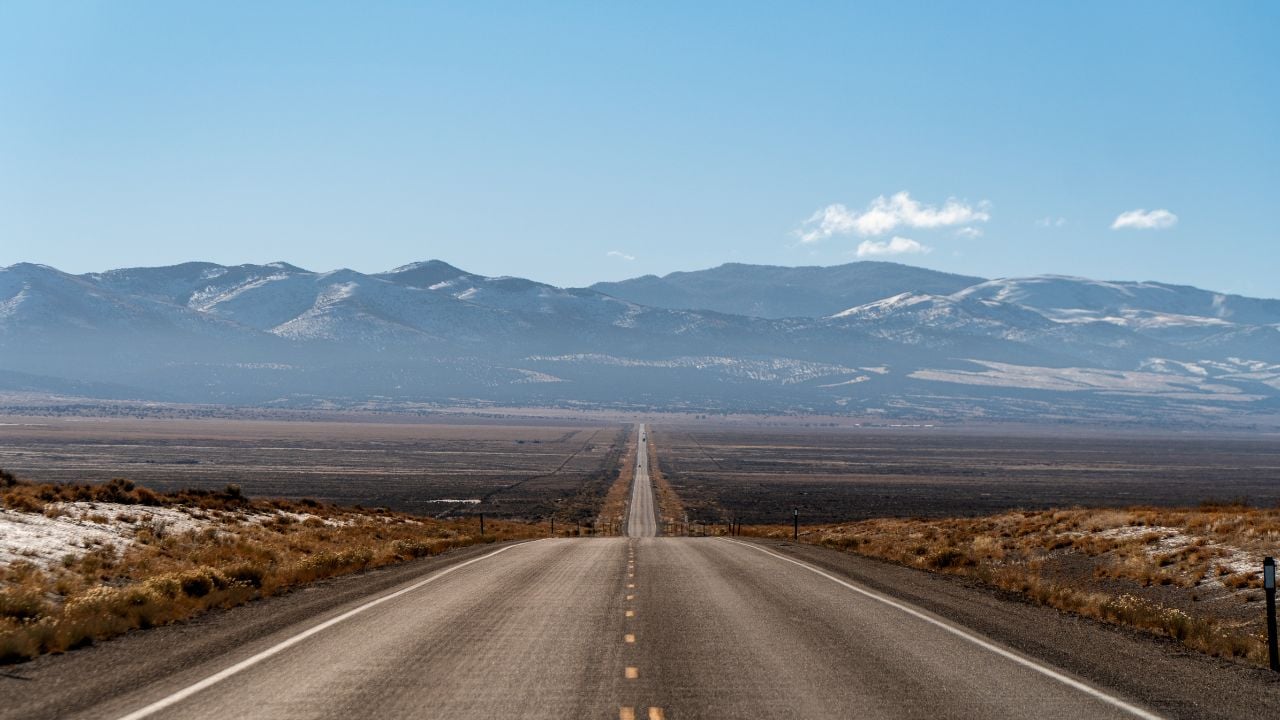
A great road trip does not need a luxury budget. With a little planning, you can trade expensive flights for scenic drives, pack a cooler instead of paying resort prices, and still come home with stories that feel worth retelling. The trick is choosing routes where the best parts are cheap or free: overlooks, easy hikes, waterfront walks, public lands, and small-town stops that do not require a full day of paid tickets.
This list focuses on trips that still work when money is tight. The best ones keep driving days manageable, give you access to scenery without constant fees, and let you build the fun around the landscape instead of a long list of reservations. Book one solid place to sleep, keep the daytime plan flexible, and spend where it actually improves the trip. A playlist, a packed lunch, and a little patience still go a long way.
Blue Ridge Parkway Loop, North Carolina and Virginia

The Blue Ridge Parkway is packed with overlooks, picnic areas, short trails, and mountain views that cost nothing beyond the fuel needed to reach them. Base yourself near Asheville or another Parkway town, then build easy half-day drives around the open sections closest to you. A sunrise run with fog hanging in the valleys can feel like an expensive getaway even when the day’s main expenses are coffee, gas, and whatever you packed in the cooler.
The budget advantage here comes down to timing and flexibility. Campgrounds and simple cabins can cost far less than peak-season hotels, especially midweek, and many picnic areas make it easy to keep meal costs down. The one thing you do need to check before you go is the road status. Some Blue Ridge Parkway sections still face closures, weather impacts, or recovery work, so the smartest version of this trip is the one built around the stretch that is actually open.
Utah’s Mighty Five Sampler, Based in One Cheap Hub
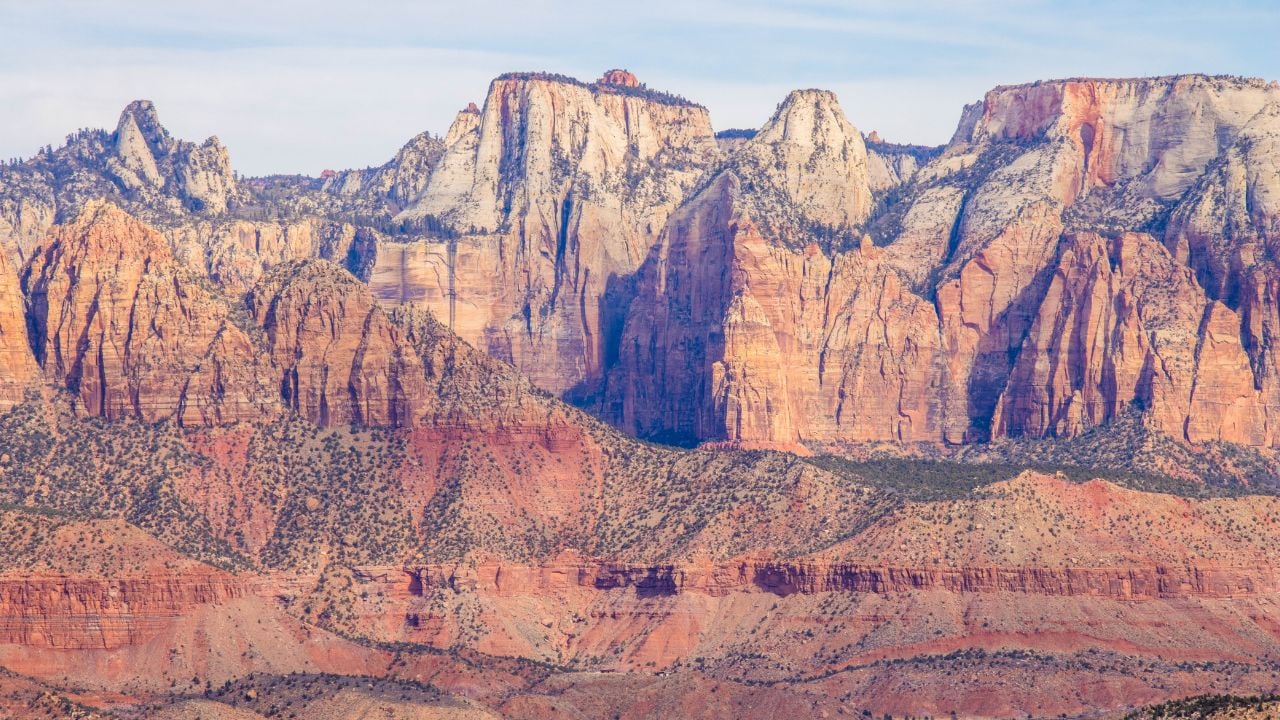
Southern Utah gets expensive fast if you try to conquer all five parks in one triumphant sweep. A better budget move is to choose one affordable base, then use it to sample two parks and a couple of nearby scenic areas without pretending the trip has to be a full checklist marathon. Utah tourism promotes the state’s five national parks as The Mighty 5, but you do not need the full badge to get the red-rock payoff.
Cost control here is mostly about basics. Bring a cooler, refill water constantly, and do your longer walks early before the desert heat starts burning time and energy. Staying a little outside the most famous entrances can also help keep lodging more reasonable. Even if you skip the five-park bragging rights, you still get cliffs, canyons, dark skies, and those absurdly photogenic desert colors. A tighter plan usually feels calmer and cheaper.
Lake Michigan Shoreline Drive, Chicago to Door County
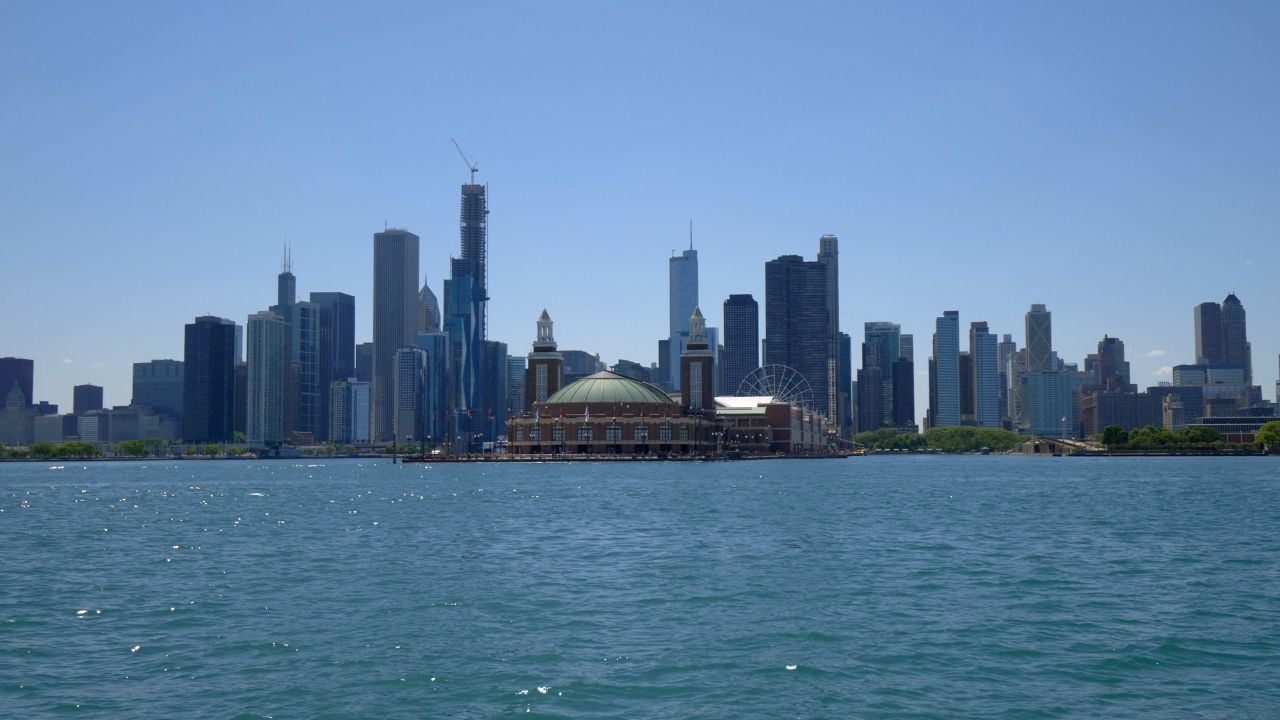
This one works because the scenery does a lot of the work for you. Start with Chicago’s Lakefront Trail, then head north toward Wisconsin, where the pace slows and the shoreline starts doing the heavy lifting. By the time you reach Door County, the mix of water views, beaches, bluffs, and lighthouses makes the trip feel far more expensive than it really is.
You can keep costs low by letting the simple things be the trip. Split lodging with friends, cook a few meals, and save restaurant money for one fish fry or one good cherry dessert instead of trying to make every stop a splurge. Door County’s shoreline is the main attraction anyway, and sunset by the water still costs nothing. That is what makes this route such a good value: the nicest part is built in.
New Mexico Triangle, Santa Fe, Taos, and Albuquerque

New Mexico is one of those places where the road trip starts feeling rewarding before you have even spent much money. Albuquerque, Santa Fe, and Taos give you a strong mix of city energy, mountain scenery, art, and high-desert atmosphere without demanding a luxury budget to enjoy them. New Mexico’s tourism office actively promotes road-trip itineraries through this part of the state, and it is easy to see why. The drives are scenic, the towns are distinct, and a lot of the appeal lives outdoors or in neighborhoods you can explore on foot.
That makes this a smart trip for travelers who want a lot of texture without constant spending. Scenic roads through mesas, valleys, and mountain edges create easy photo stops, while plazas, markets, and casual local spots can fill a day without wrecking the budget. Spend on one standout meal, keep the rest simple, and let the cool nights and huge skies do the rest of the work.
Coastal Maine on a Budget, Portland to the Acadia Region
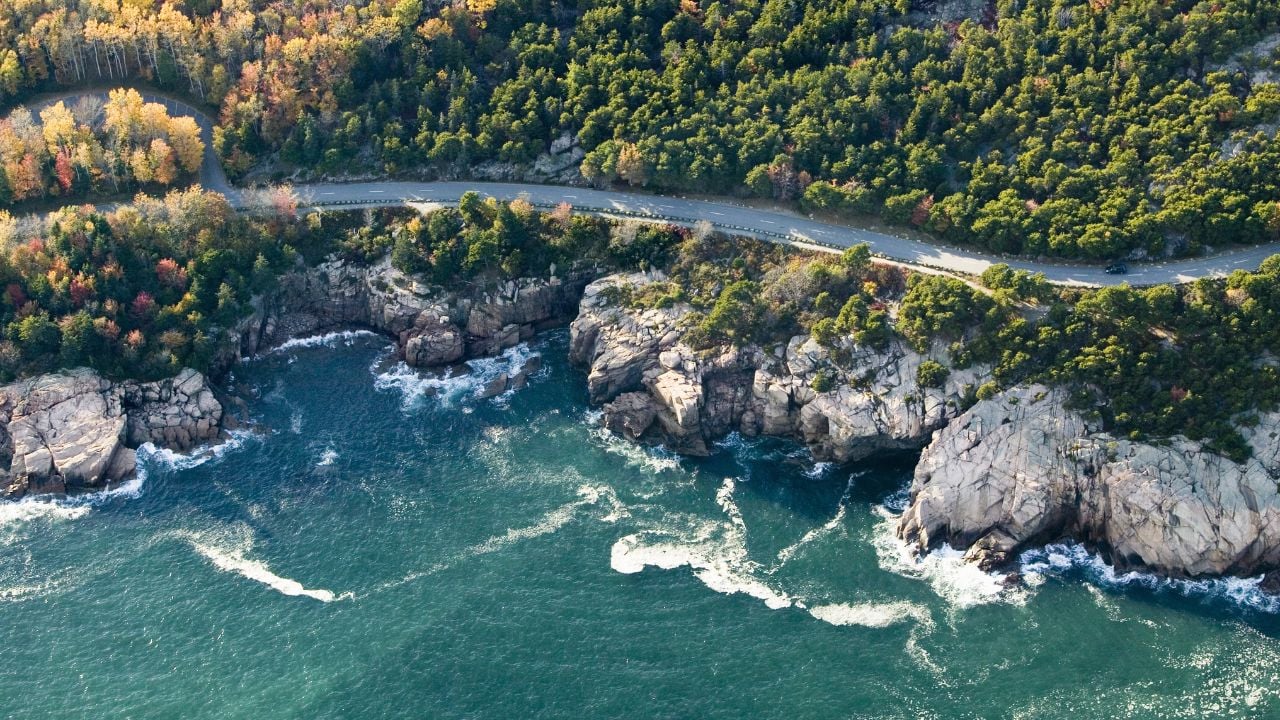
Maine can get expensive in peak season, but the budget version is still very doable if you are strategic about where you sleep and what you pay for. Use Portland as your food stop, then head up the coast for beaches, harbors, lighthouse views, and long stretches where the drive itself is half the fun. The broader Acadia region gives you plenty of atmosphere even if you do not spend every hour inside the park gates.
The cost-saving move is to treat Acadia as one piece of the trip rather than the whole thing. Acadia charges entrance fees, and Cadillac Summit Road also requires vehicle reservations during part of the season, so it pays to plan ahead and leave room for free coastal stops outside the busiest areas. Stay a little farther out, pack lunches, and make lobster a once-per-trip splurge instead of a daily reflex. You still get the salt air, granite coast, and that classic Maine feeling.
Pacific Northwest Waterfall Run, Oregon’s Columbia River Gorge
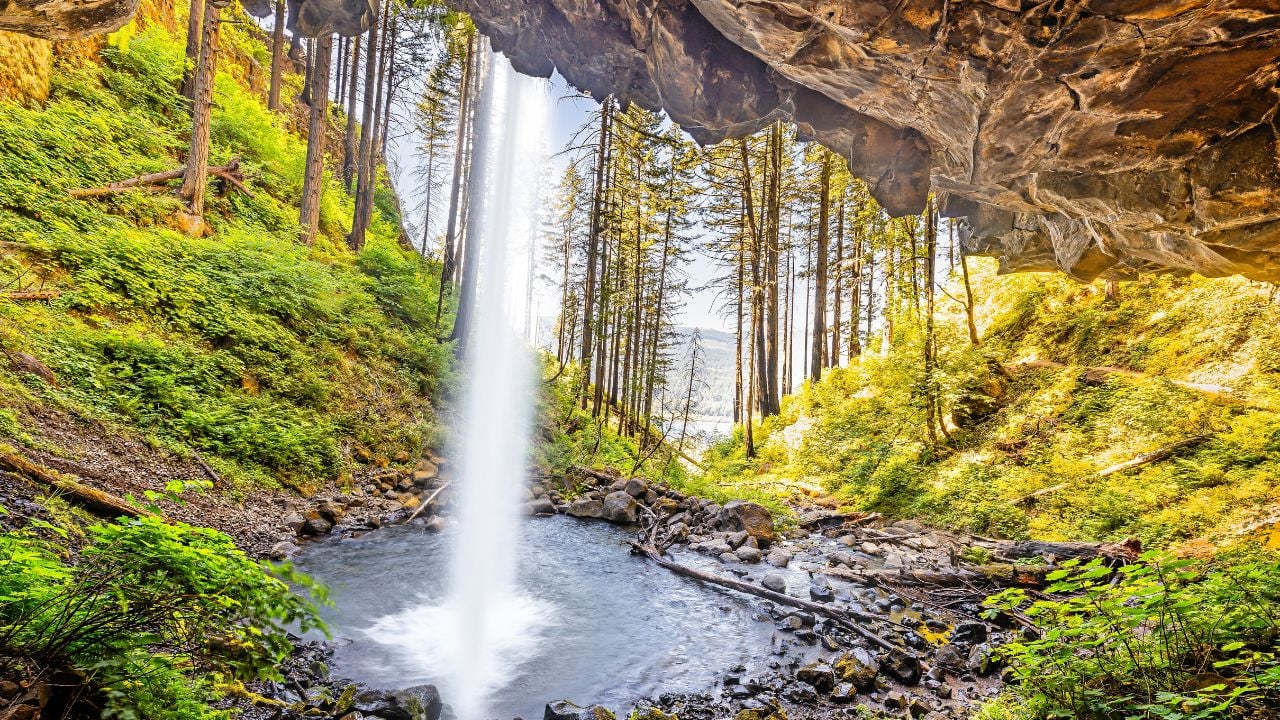
The Columbia River Gorge is ideal for a budget trip because it packs huge scenery into a compact area. Multnomah Falls is the famous stop, but it is far from the only one, and that is what makes the region work so well when money is tight. You can build a day around short hikes, river views, and quick waterfall stops without paying for a long list of attractions. Hood River gives the route an easy small-town anchor with casual food and a laid-back break from the trailheads.
To keep costs low, go early and keep the plan simple. Parking and timing matter more than money here. Seasonal timed-use permits can apply in the Multnomah Falls area, and 2026 permits are required from May 22 through September 7, so the cheapest trip is the one that is also organized. Bring snacks, refill your water, and treat one café stop as the reward. The scenery does the rest.
Texas Hill Country Weekend, Austin to Fredericksburg

Texas Hill Country is a strong budget road trip because the rhythm is naturally low-pressure. Start in Austin for parks, music, and casual food, then head toward Fredericksburg for smaller-town charm and a slower pace. In spring, wildflowers can make the whole drive look richer than the budget behind it, and even outside that season the region’s rolling roads and open views make it easy to enjoy the trip without buying your way through it.
The smartest version of this weekend is built around flexible stops rather than constant ticketed attractions. Swim spots, scenic drives, town squares, and simple roadside pauses can fill a surprising amount of time. Split the lodging, cook breakfast if you can, and save part of the budget for one live-music night or one especially good dinner. That way the trip still feels memorable without quietly becoming expensive.