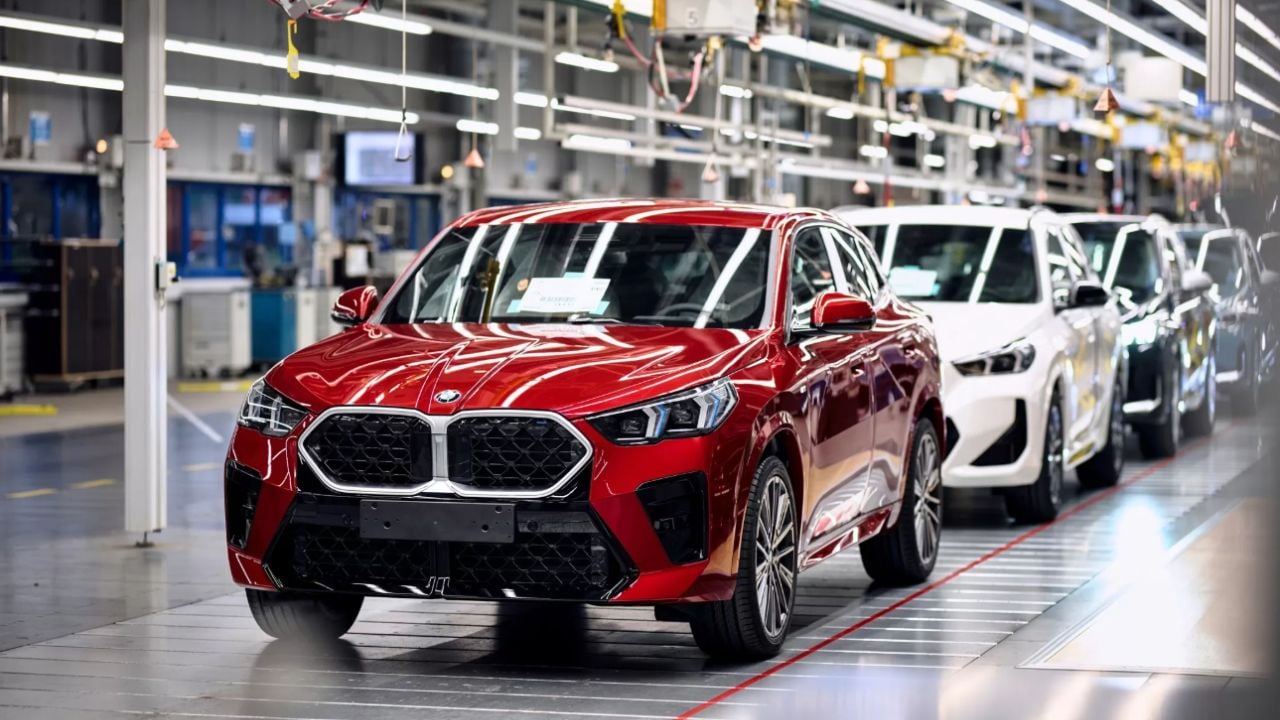
Most people would probably assume that BMW’s largest factory in Europe is the historic plant in Munich. In reality, BMW says its Regensburg site was its highest-volume vehicle plant in Europe in 2025, with 356,901 vehicles built. According to the company’s latest press release, the Regensburg plant now leads all European BMW factories by production volume, even though it builds only compact crossovers.
The Regensburg site is responsible for the BMW X1 and BMW X2, including their fully electric counterparts, the iX1 and iX2. Despite this relatively narrow model range, the factory has grown into the most productive BMW plant on the continent.
BMW’s German Manufacturing Footprint
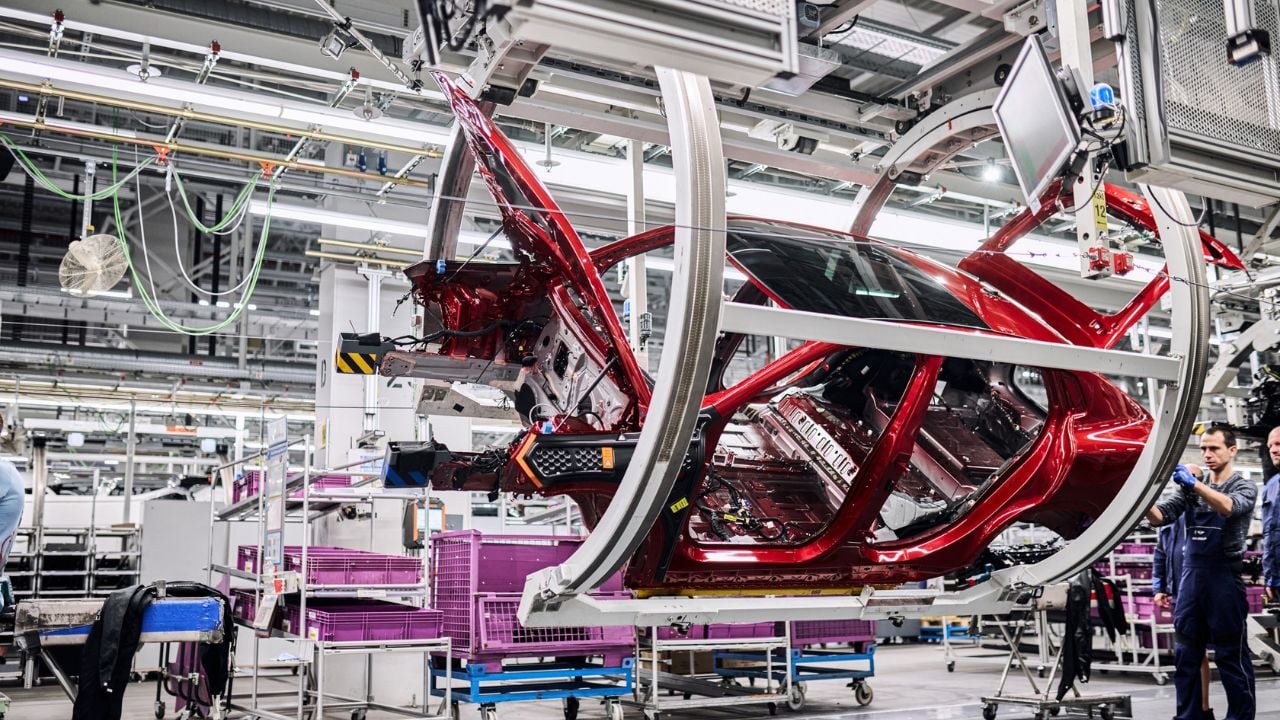
BMW has four vehicle plants in Germany, located in Regensburg, Munich, Dingolfing, and Leipzig. The company also operates additional German sites focused on components and other manufacturing, and the Berlin plant is the lead site for BMW Motorrad production.
Taken together, BMW’s German plants produced more than one million vehicles last year. Detailed BMW Group production figures for 2025 will be released with the Integrated BMW Group Report in March 2026. The current announcement, however, focuses specifically on Regensburg, which is celebrating 40 years since the start of production.
From Modest Beginnings To Nine Million Cars

BMW says the first vehicle rolled off the line in October 1986, and it notes the official start of production ceremony on November 17, 1986. Construction of the plant began in 1984, and it was originally designed to build around 400 vehicles per day with a workforce of approximately 3,500 employees.
Today, the scale is dramatically different. BMW says the plant builds more than 1,400 vehicles per workday and that its core staff at the Regensburg and Wackersdorf locations totals around 9,000 people, including approximately 380 apprentices. Production runs across three shifts. The factory passed the milestone of one million vehicles built in 1995, and BMW says the nine millionth vehicle is scheduled to be produced there in 2026.
A Highly Automated, AI-Driven Facility
Digitalization at Regensburg began in 1987, when BMW says the paint shop was commissioned and the first networked computers in assembly were introduced. Today, BMW highlights specific AI uses such as automated surface processing in the paint shop and quality checks during assembly, plus a cloud-based traffic control system for parts supply. The site also uses many driverless, automated, or autonomous transport systems for internal logistics, and since early 2025, new vehicles have been able to drive autonomously from the assembly line to the loading area.
How Regensburg Compares Globally
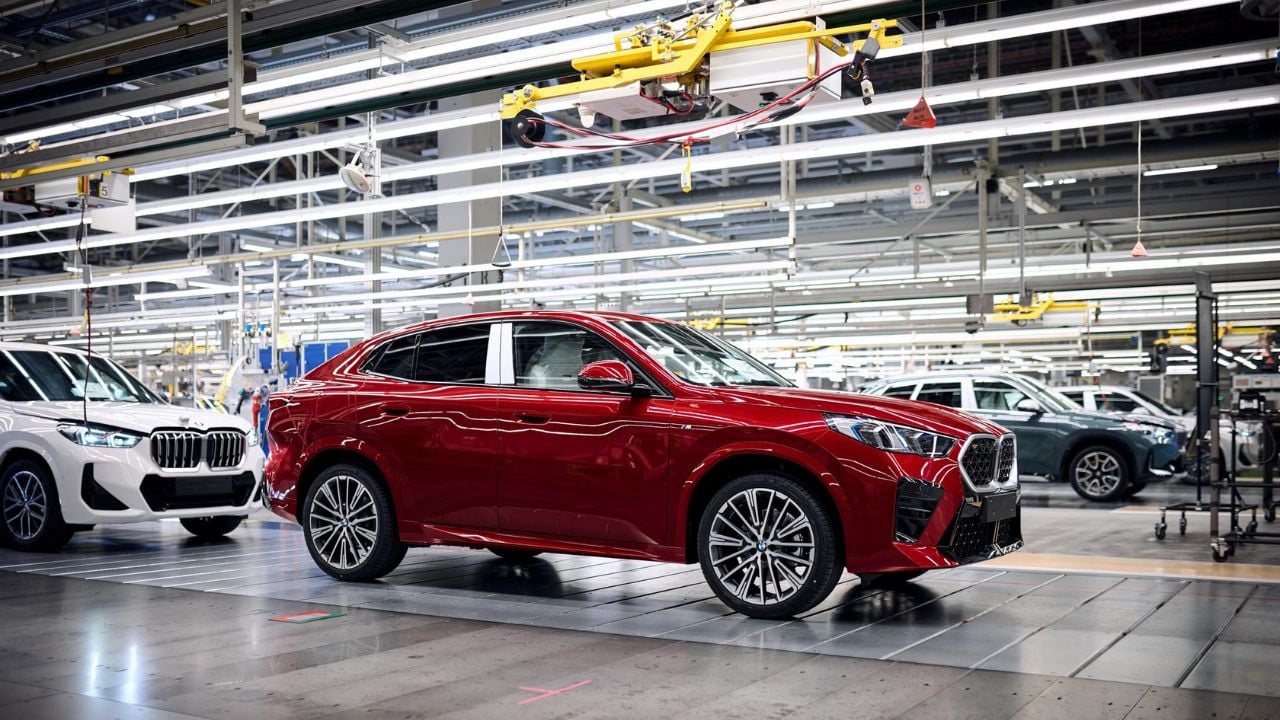
While Regensburg is BMW’s highest-volume vehicle plant in Europe, BMW describes its Spartanburg, South Carolina, facility as the largest single BMW Group plant worldwide. The site has an annual production capacity of up to 450,000 vehicles and employs more than 11,000 people. It assembled 396,117 vehicles in 2024, and BMW has not yet published the plant’s 2025 production total in its public materials.
In China, BMW’s joint venture BMW Brilliance Automotive operates a Shenyang production base that includes Plant Dadong, Plant Tiexi, and the Lydia site for vehicle production, with a total annual capacity of about 830,000 units. Because that figure covers a multi-site production base rather than a single factory, it is best described as a combined capacity number, not a direct one-to-one comparison with a single plant like Spartanburg.
Sales Context For The BMW Group
To put production in perspective, BMW Group Automobiles, which includes BMW, Mini, and Rolls-Royce, recorded global sales of 2,463,715 vehicles in 2025, an increase of 0.5%. The BMW brand itself, however, finished the year slightly down, with sales declining by 1.4% to 2,169,761 vehicles.
Even so, the record performance at Regensburg highlights how important compact crossovers and electrified variants have become for BMW’s manufacturing strategy in Europe.
This article originally appeared on Autorepublika.com and has been republished with permission by Guessing Headlights. AI-assisted translation was used, followed by human editing and review.