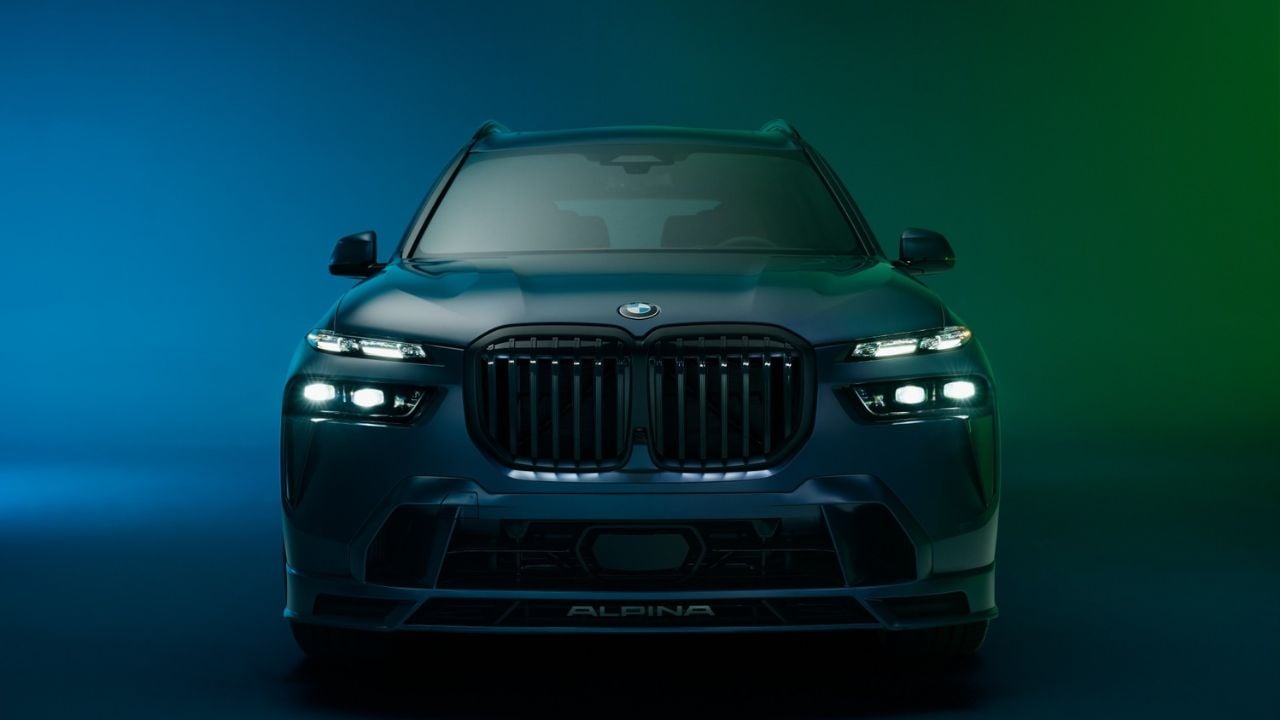
A few months after launching BMW ALPINA as a standalone brand under the BMW Group umbrella on January 1, 2026, BMW has unveiled the 2026 ALPINA XB7 MANUFAKTUR, a special end-of-production send-off for the XB7 and a symbolic bridge between the independent Alpina era and BMW ALPINA’s future under BMW Group. Only 120 units of this special SUV will be assembled at BMW Plant Spartanburg in South Carolina, and they will be finished in two exclusive hues never before offered on the XB7.
What makes the announcement especially notable is that the limited-production SUV is strictly a North American affair, as it will only be sold in the United States and Canada.
A Special Send-off for a Special Car
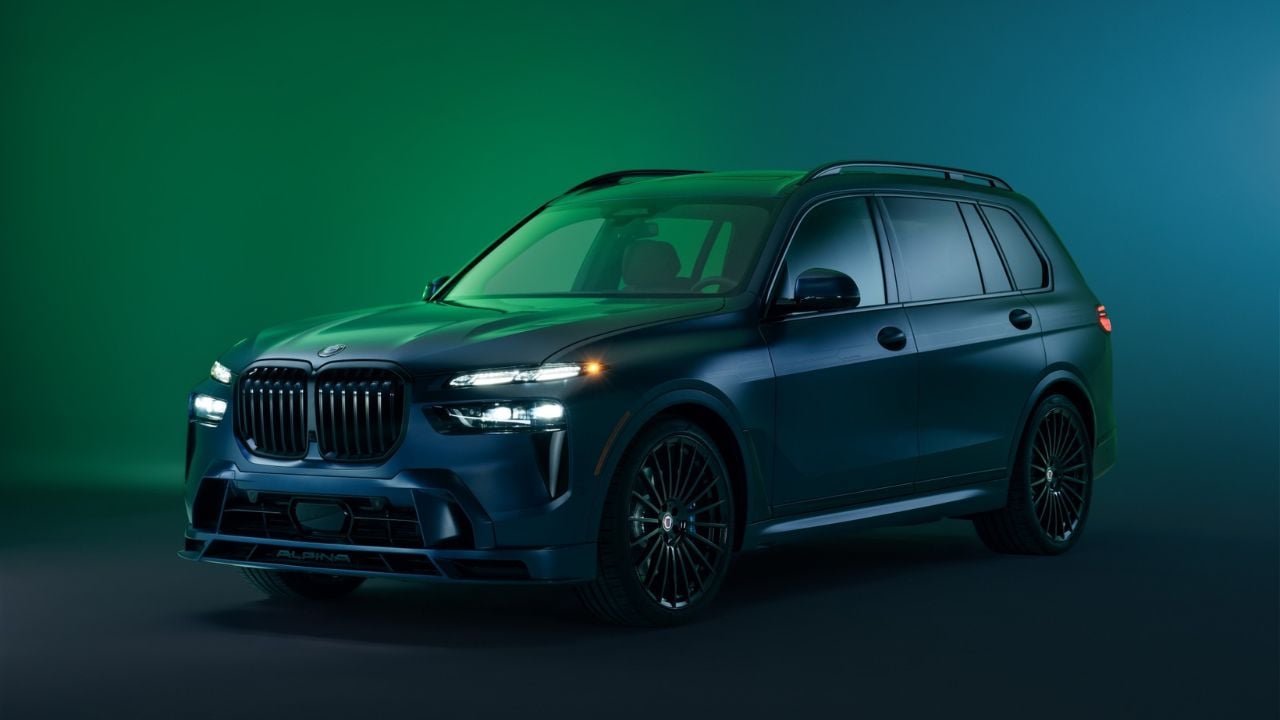
The XB7 has been a key part of Alpina’s lineup since 2020, and the MANUFAKTUR is set to give it a proper send-off by offering new luxury details, limited availability, and exclusive features that set it apart from standard XB7 models. The XB7 became the first Alpina model built outside of the company’s facilities in Buchloe, Germany, when the first unit rolled out of BMW’s Plant Spartanburg facility in South Carolina about six years ago, making this North American-exclusive send-off a fitting full-circle moment. BMW says that 12 of the 120 units are earmarked for Canada.
The 2026 XB7 MANUFAKTUR showcases the kind of bespoke detailing BMW says will define the new BMW ALPINA era. It comes fully loaded, and the only big decision buyers will have to make is the exterior finish. BMW is only offering two exclusive options: Frozen ALPINA Blue and Frozen ALPINA Green, with the classic Alpina Deco-Set appliqué running the length of the SUV. These finishes are rooted in Alpina color heritage but have never been offered before on the XB7, which further separates the new MANUFAKTUR model from the standard XB7s.
Regardless of the hue selected by the customer, various exterior design elements are finished in Shadowline high-gloss black to provide contrast, including the grille, window surrounds, front ALPINA badge, rear tailpipe finishers, and the standard 23-inch ALPINA CLASSIC forged 20-spoke wheels. Beyond the special paint job, each example sports a unique “XB7 MANUFAKTUR” badge on the tailgate and laser-etched “MANUFAKTUR” wordmarks on the B-pillars, subtly distinguishing it from other models.
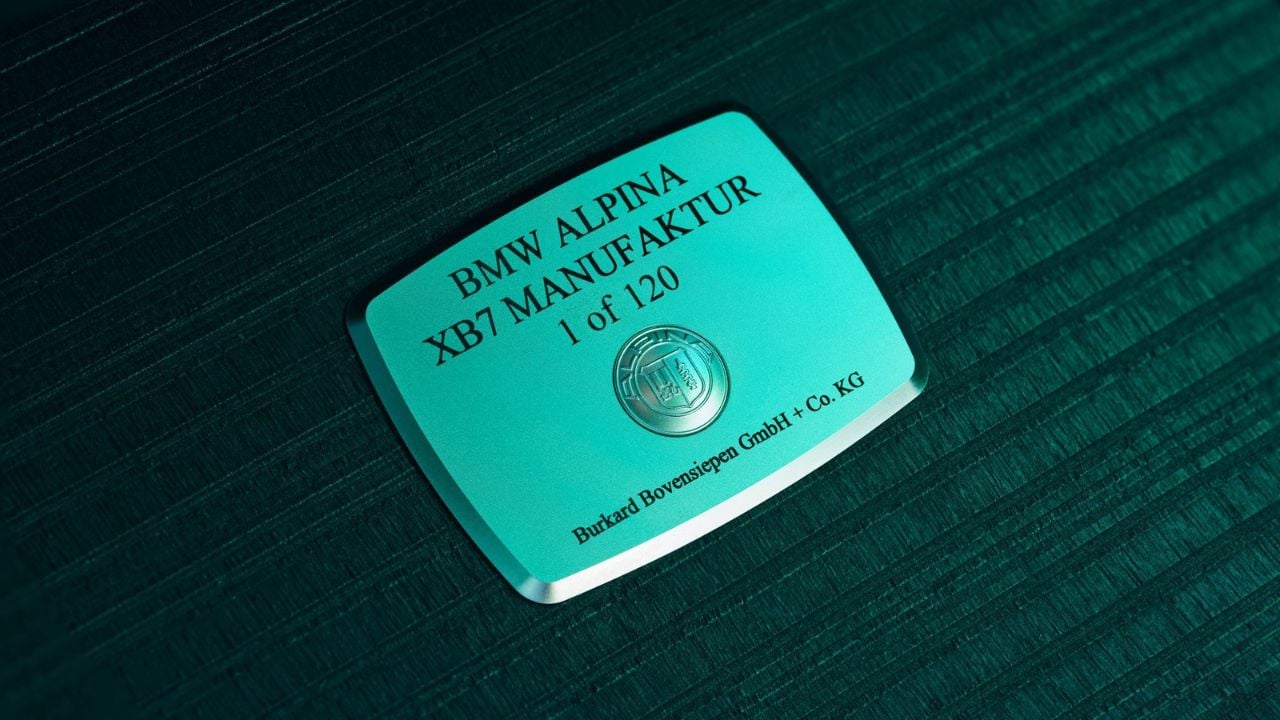
The interior is just as special, as each send-off XB7 MANUFAKTUR will be upholstered in Tartufo Full Merino Leather with the heritage Alpina script embroidered on the front seat headrests in green and blue. Each vehicle will have second-row captain’s chairs, ALPINA Walnut Nature Black trim, black floor mats with silver ALPINA emblem pins, and a trunk mat embroidered with MANUFAKTUR. BMW has also provided two handmade Alpina weekender bags crafted in brown Lavalina leather. A silver “1 of 120” plaque adorns the center console, underscoring the model’s limited-run status.
Big on Performance (And Price)
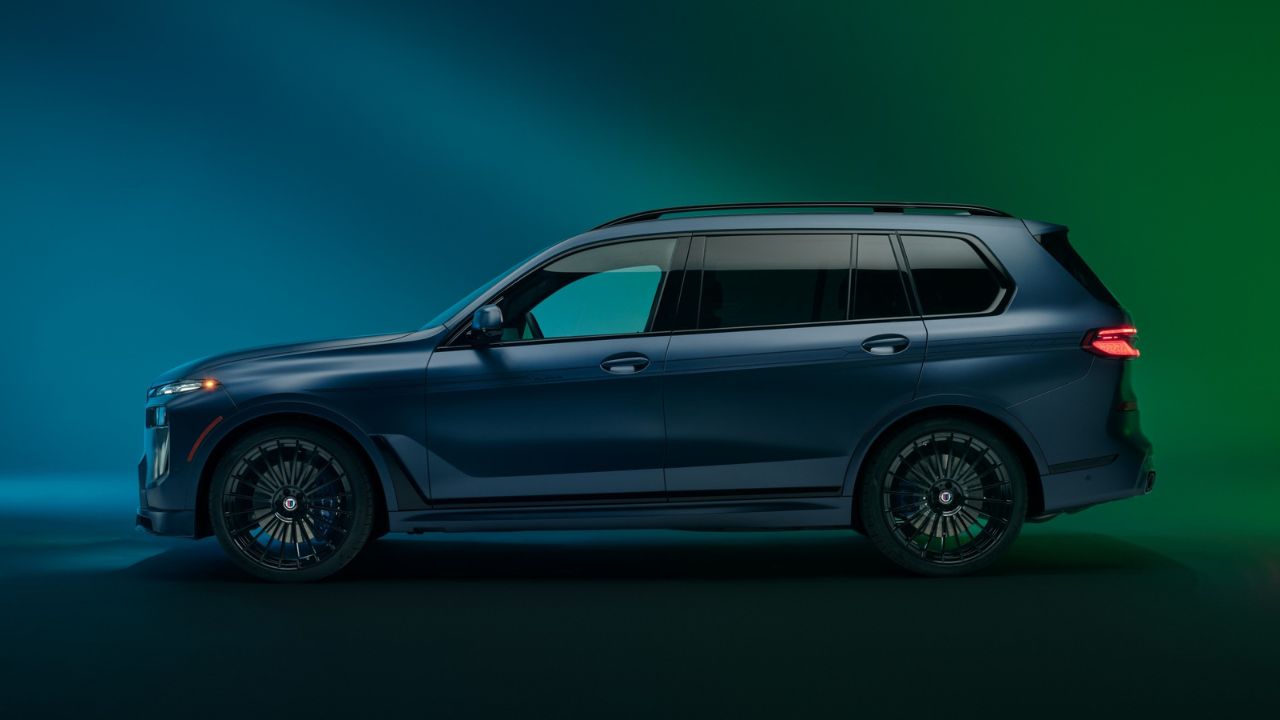
Under the skin, the XB7 MANUFAKTUR remains largely unchanged. Like the standard XB7, the MANUFAKTUR is powered by the familiar BMW S68-based 4.4-liter bi-turbo V8, tuned by Alpina to produce 631 hp and 590 lb-ft of torque. Power is sent to all four wheels through an 8-speed ALPINA Switch-Tronic automatic transmission and xDrive all-wheel drive, allowing for a 0-60 mph time of 3.9 seconds, according to BMW. The standard Alpina-tuned 2-axle air suspension system offers 3.2 inches of ride-height adjustability, letting drivers raise the vehicle for improved ground clearance or lower it for a reduced center of gravity and sharper driving dynamics.
Pricing starts at $180,000 plus $1,550 for destination and handling. That puts the MANUFAKTUR roughly $24,000 above the standard ALPINA XB7’s $156,000 starting price, reflecting its limited production run, exclusive finishes, and fully loaded specification. Assembly commences in September 2026 in South Carolina, with deliveries expected by the end of 2026.
The 2026 ALPINA XB7 MANUFAKTUR Marks the End of an Era
The XB7 MANUFAKTUR is the first newly revealed BMW ALPINA production model of the brand’s BMW Group era, but rather than being a clean-sheet design for that new chapter, it serves as a bridge between the old and new Alpina. It reflects Alpina’s traditional blend of luxury and high-speed touring while remaining largely based on the current XB7 generation, which was developed following Alpina’s traditional process. In engineering terms, it appears to be one of the last links to Alpina’s pre-BMW-era development philosophy.