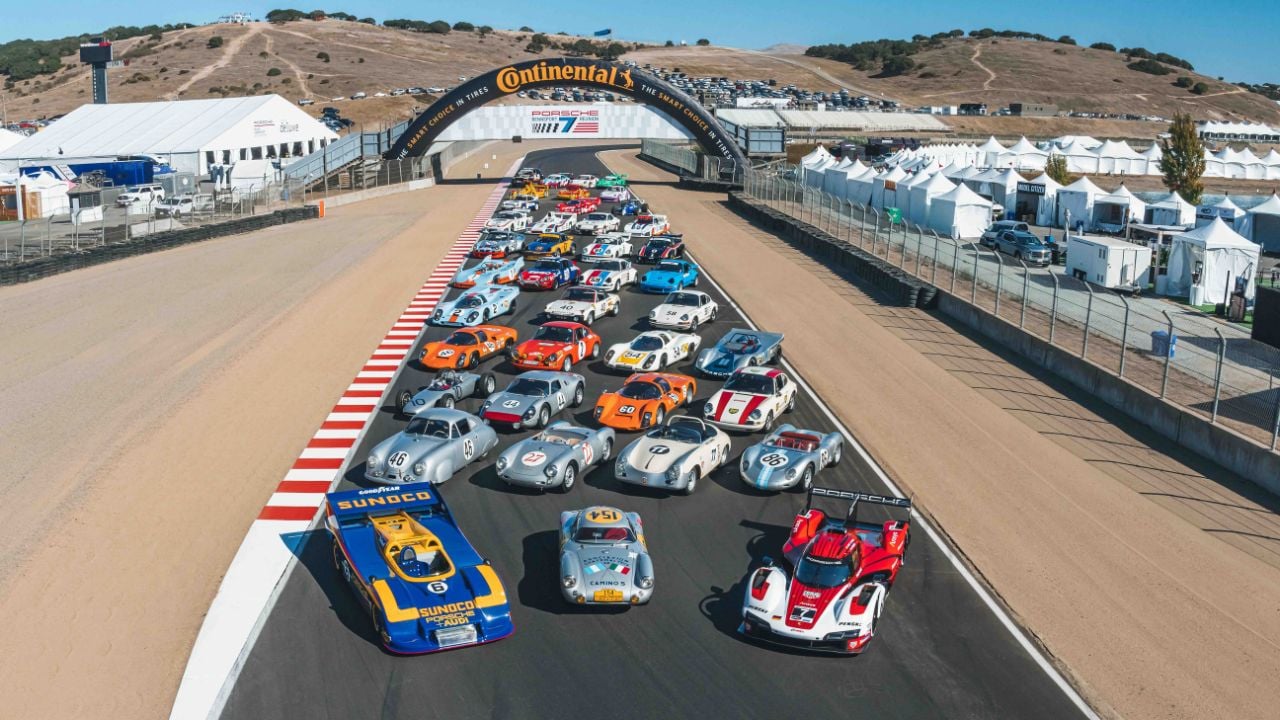
Let’s be honest: racing in America isn’t just about going fast in circles (though we do that exceptionally well). It’s about finding the perfect blend of engineering brilliance, driver skill, and just enough danger to make your insurance agent nervous. These tracks have witnessed more drama than a soap opera, more heartbreak than a country song, and more money spent on tires than your kid’s college fund.
From banked ovals where drafting is an art form to road courses that’ll humble a Formula 1 driver faster than you can say “apex,” these venues represent the backbone of American motorsport. Some have been breaking hearts and bank accounts for decades, while others are still young enough to have decent Wi-Fi in the paddock.
For the Love of Racing
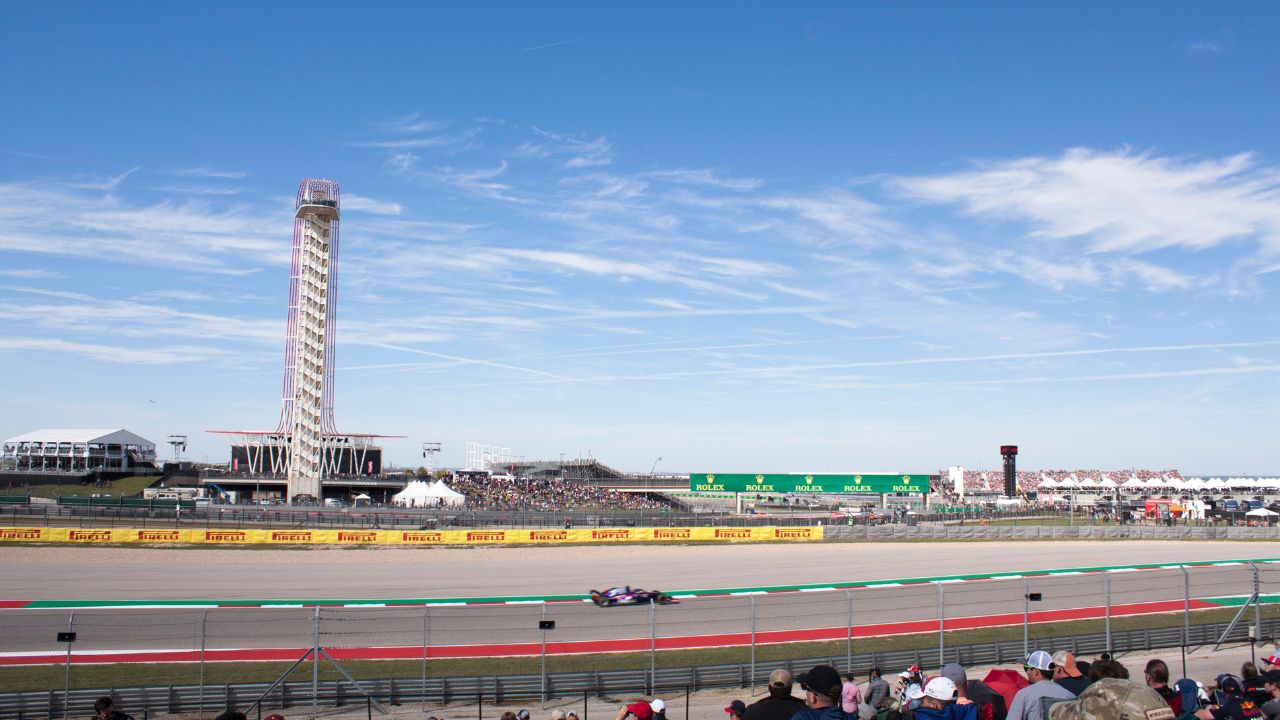
The selection of these tracks came from a blend of heritage, challenge, and cultural impact. History played a central role, as venues with decades of legendary moments carry a significance that newer circuits are still building.
Layout complexity was also important, with each course offering unique elements such as high banking, sharp elevation changes, or signature corners that demand skill. Variety mattered, so both high-speed ovals and intricate road courses are included. Each location also delivers an experience beyond the race itself, with scenery, atmosphere, and memorable events shaping its reputation.
Consideration went to moments that entered the public imagination, from breathtaking finishes to unforgettable driver performances. Together, these elements create a list that celebrates the heart and soul of American racing, whether you’re watching or racing.
Daytona International Speedway
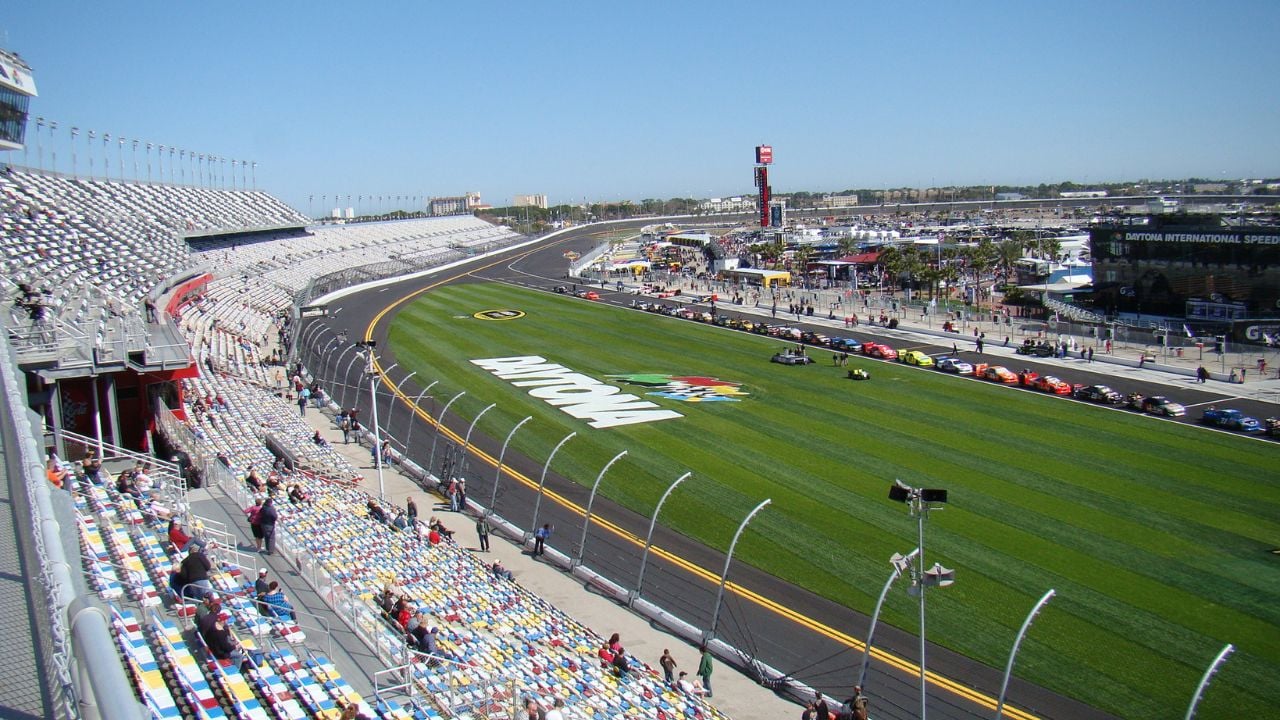
Location: Daytona Beach, Florida
Length: 2.5 miles
Banking: 31 degrees in turns 1 & 2, 18 degrees in the tri-oval
Opened: 1959
Welcome to the house that Big Bill France built, where dreams go 200 mph and wallets go to die. Daytona’s 31-degree banking is so steep you could probably ski down it (don’t try this at home). The tri-oval configuration creates three distinct racing grooves, which is fancy talk for “three different ways to wreck spectacularly.”
This is where Dale Earnhardt finally got his monkey off his back in 1998, winning the Daytona 500 on his 20th try. The man could win anywhere else, but Daytona had him figured out like a Rubik’s Cube. Richard Petty owns seven Daytona 500 victories here, which is roughly seven more than most of us will ever win at anything meaningful.
The track surface is smooth as butter, which is great for speeds exceeding 200 mph but terrible for drivers who prefer their racing with a side of character-building bumps. The infield hosts more RVs during Speedweeks than some small towns have permanent residents, and the party in the camping areas makes Mardi Gras look like a church picnic.
Fun fact: The track was built on what used to be an airport, which explains why it’s so flat and why landing here still feels like a miracle for many drivers.
Circuit of the Americas
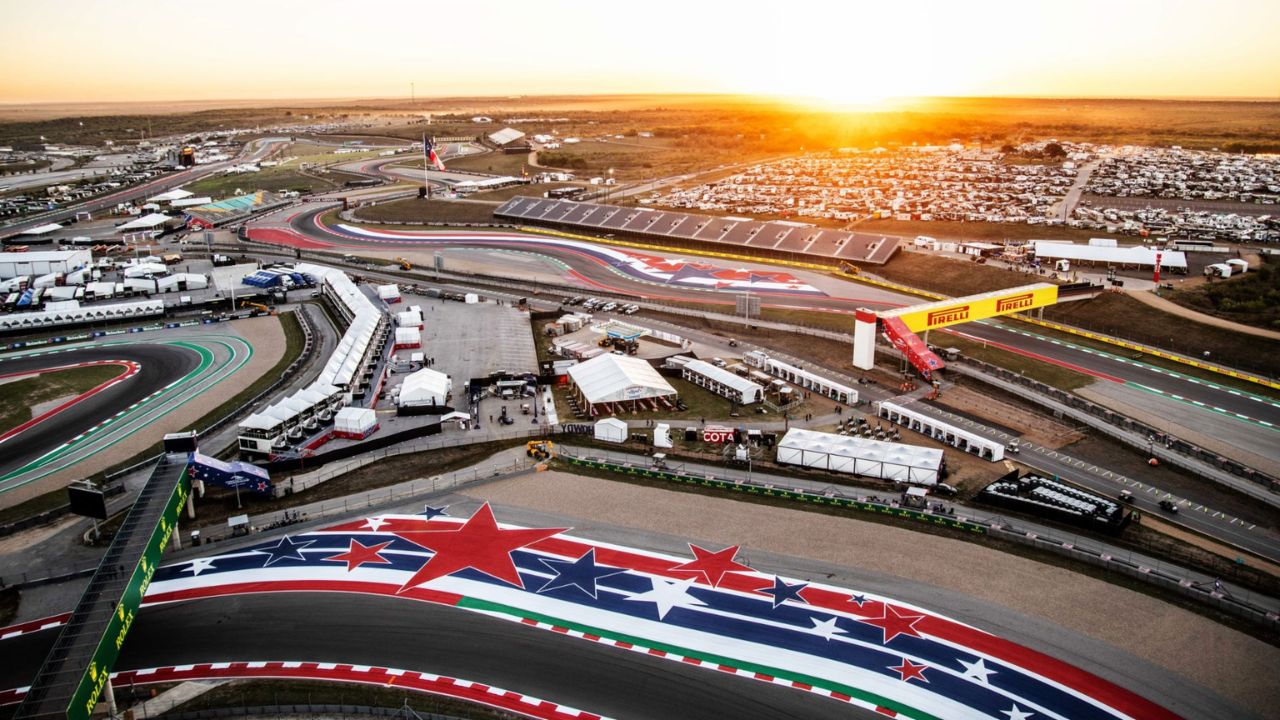
Location: Austin, Texas
Length: 3.427 miles
Turns: 20
Opened: 2012
COTA is the new kid on the block that showed up wearing designer jeans and immediately started schooling the older tracks on how to run a proper facility. Built specifically to lure Formula 1 back to America, it succeeded so well that even the Europeans grudgingly admitted we might know what we’re doing.
Turn 1 climbs 133 feet upward at a 9% grade, which sounds manageable until you’re approaching it at 180 mph and suddenly questioning your life choices. The track borrows corners from legendary circuits worldwide: turns 3-6 are inspired by Silverstone’s Maggotts and Becketts complex, because apparently stealing good ideas is perfectly legal in racing.
Lewis Hamilton has won here six times, Max Verstappen has claimed three victories, and the rest of the grid has learned that Texas-sized confidence doesn’t automatically translate to Texas-sized success. The Circuit hosts everything from F1 to MotoGP to track days where regular folks can discover just how slow their “fast” cars really are.
The observation tower stands 251 feet tall, offering views so spectacular that even people who think racing is just “cars going around in circles” have to admit it’s pretty impressive. Plus, it’s in Austin, so the barbecue is excellent and the music scene ensures you’ll have something to do after the racing ends.
Sebring International Raceway
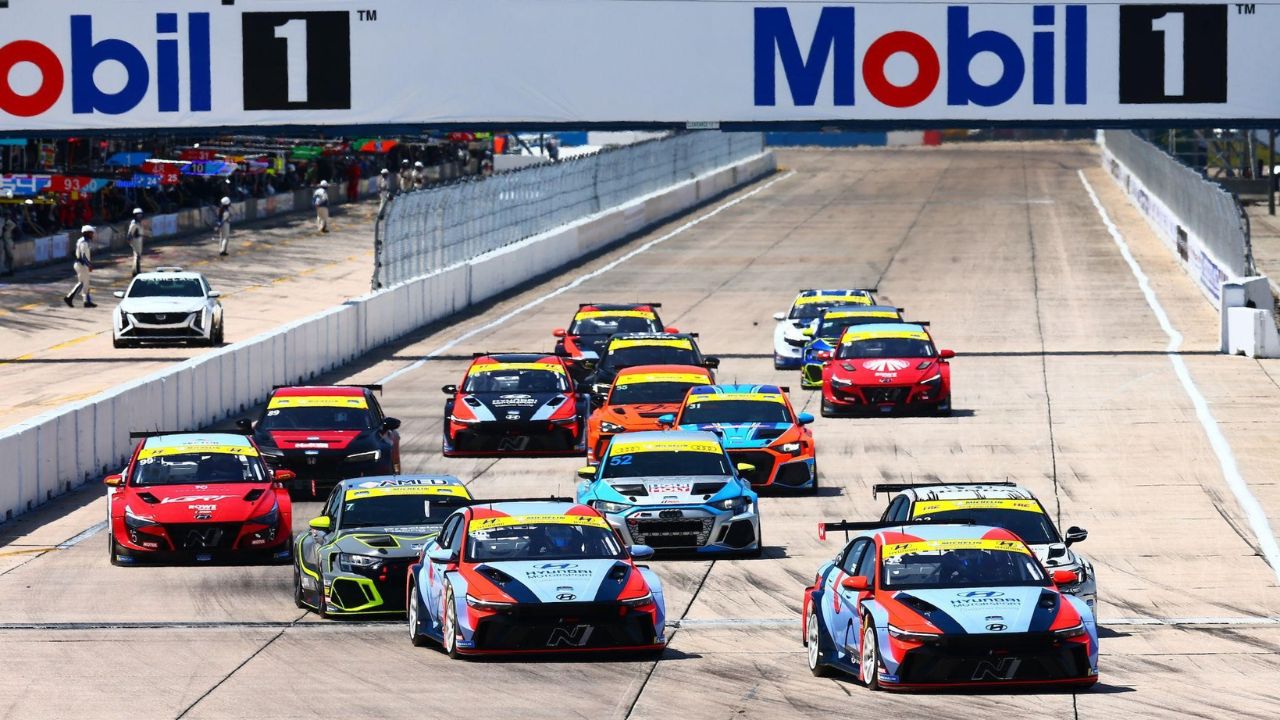
Location: Sebring, Florida
Length: 3.74 miles
Turns: 17
Opened: 1950
Built on a former World War II airfield, Sebring feels like racing through a war zone; which, given the condition of the concrete sections, might not be entirely inaccurate. The track surface changes from smooth asphalt to chunky concrete with all the grace of a teenager’s mood swings, creating a challenge that separates the wheat from the chaff faster than a combine harvester.
The 12 Hours of Sebring is endurance racing’s most masochistic event, where cars and drivers spend half a day getting beaten senseless by a track that shows all the mercy of a loan shark. Tom Kristensen won here twice during his Le Mans-dominating career, proving that even legends need to suffer for their art.
Turn 17, known as the “Hairpin,” is tighter than your budget after buying racing tires, and the concrete sections through the middle of the track will rattle your teeth loose. The facility looks like it hasn’t seen a renovation budget since the Reagan administration, but that’s part of its charm: if your definition of charm includes questionable bathroom facilities and concession stands that serve food of dubious origin.
Racing here at night under the lights creates an atmosphere so authentic that Hollywood couldn’t fake it. The track surface temperature drops, grip levels change, and suddenly, that setup that worked perfectly in practice feels about as useful as a screen door on a submarine.
Indianapolis Motor Speedway

Location: Indianapolis, Indiana
Length: 2.5 miles
Banking: 9 degrees in turns, 0 degrees on straights
Opened: 1909
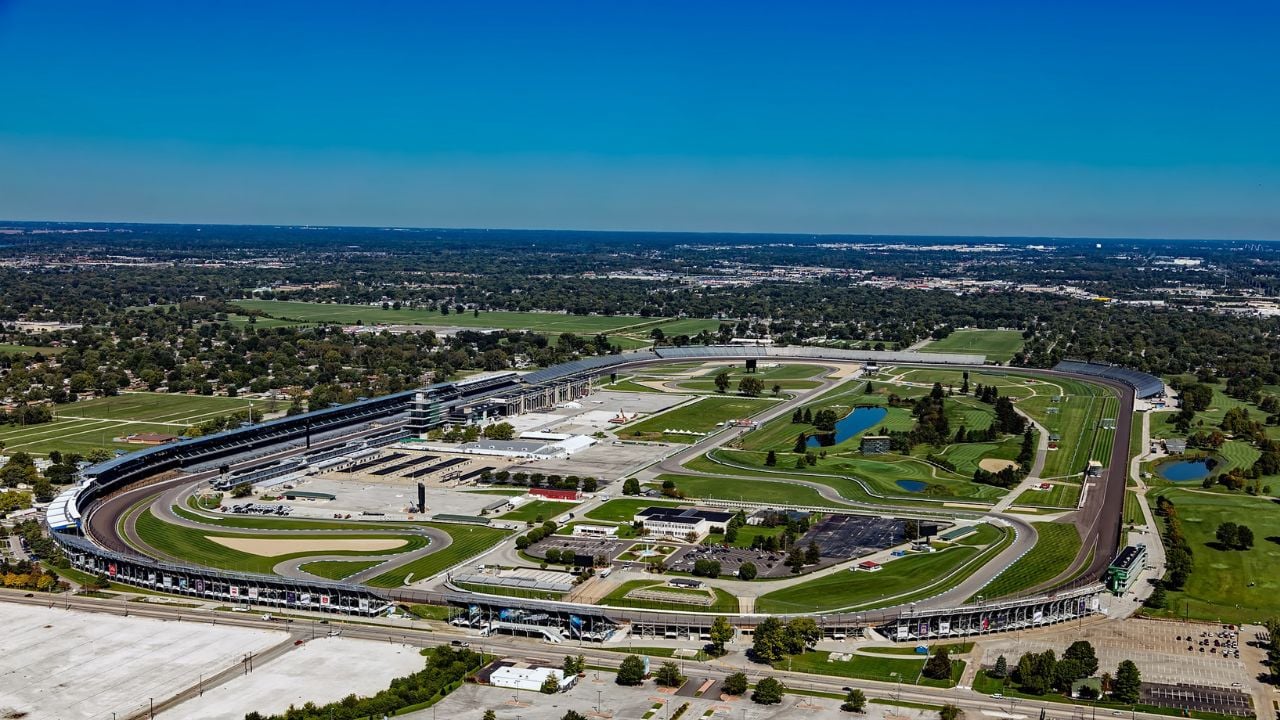
The Brickyard is racing’s cathedral, where legends are made and lesser mortals are humbled by physics and their own limitations. At 2.5 miles of rectangular perfection, it looks simple enough on paper; just four turns and four straights. In reality, it’s about as forgiving as a tax audit.
The track’s 9-degree banking is relatively mild compared to Daytona or Talladega, but don’t let that fool you into thinking it’s easy. Speeds regularly exceed 230 mph here, which is fast enough to make your life insurance agent reach for the bourbon. The famous “Yard of Bricks” at the start/finish line is all that remains of the original brick surface: the rest was paved over because apparently, 3.2 million bricks were a bit much even for Indiana.
A.J. Foyt won here four times, proving that talent and stubbornness are an unbeatable combination. Mario Andretti, Dan Wheldon, and Dario Franchitti each claimed victory multiple times, while countless others learned that Indianapolis doesn’t care about your resume: it only cares about your ability to go fast while turning left.
The Indianapolis 500 remains the most prestigious single race in American motorsport, where winning gets you a bottle of milk, a wreath, and enough prize money to buy a really nice house. The pageantry includes “Back Home Again in Indiana,” sung with enough emotion to make grown men weep, and 300,000+ fans creating an atmosphere that has to be experienced to be believed.
Road America
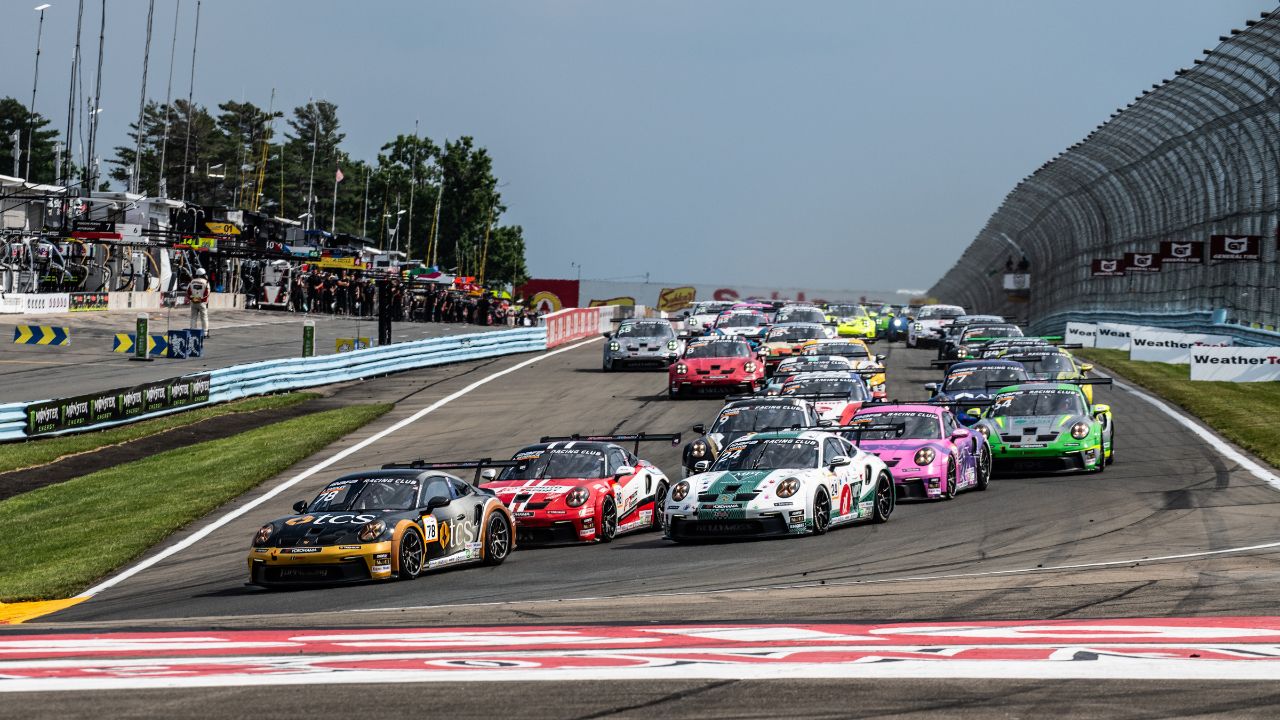
Location: Elkhart Lake, Wisconsin
Length: 4.048 miles
Turns: 14
Opened: 1955
Road America is what happens when you give someone 640 acres of gorgeous Wisconsin countryside and ask them to design the perfect road course. At just over four miles, it’s long enough to separate the fast drivers from the merely quick, with elevation changes that’ll make your stomach drop and straights long enough to hit truly frightening speeds.
The Carousel (Turn 5) is a 180-degree decreasing radius turn that looks innocent from the grandstands but eats rookies for lunch. Canada Corner (Turn 12) earned its name because it’s fast enough to launch unwary drivers into the next province — or at least into the tire barriers with enough force to rearrange their dental work.
Paul Tracy and Scott Pruett battled here like gladiators, trading paint and insults with equal enthusiasm. The track’s 4-mile length allows for strategic variety that shorter circuits simply can’t match: you can win with raw speed, superior strategy, or by simply outlasting everyone else’s brakes and tires.
The facility sits in Wisconsin’s beautiful Kettle Moraine region, where the hills provide natural grandstands and the beer flows as freely as common sense at a political rally. Summer race weekends feel like the world’s greatest automotive festival, complete with camping, camaraderie, and enough bratwurst to feed a small army.
Watkins Glen International
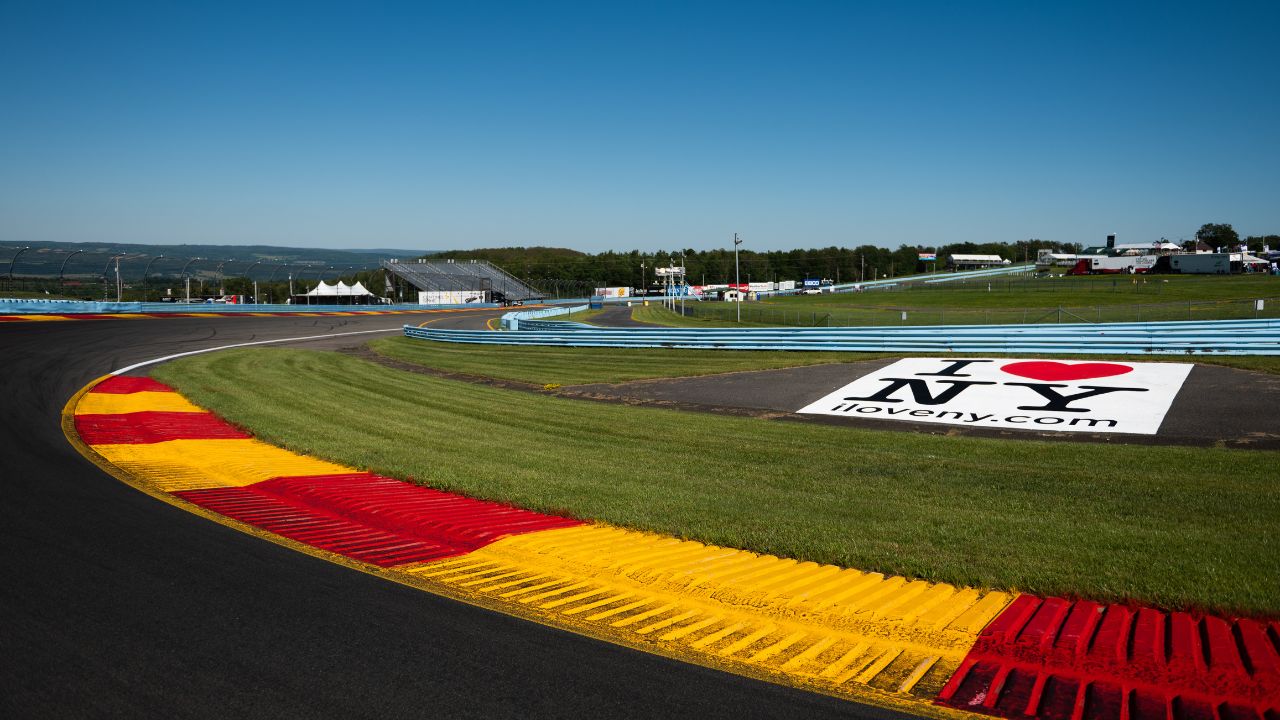
Location: Watkins Glen, New York
Length: 3.4 miles
Turns: 11
Opened: 1956
The Glen is where Formula 1 used to visit America back when the series still cared about things like tradition and variety. Built in the gorgeous Finger Lakes region of upstate New York, it’s surrounded by scenery so beautiful it almost distracts you from the fact that you’re approaching the Esses at speeds that would terrify a fighter pilot.
The Esses (Turns 2-5) are a high-speed left-right-left combination that demands commitment levels typically reserved for marriage proposals. Get it wrong, and you’ll discover that the barriers are exactly where the engineers said they’d be. The Boot section, added in 1971, extends the track length and adds complexity that can turn a comfortable lead into a distant memory faster than you can say “blown engine.”
James Hunt and Niki Lauda battled here during F1’s golden era, when drivers had mustaches, cigarette sponsorships, and survival instincts that would be considered quaint by today’s standards. NASCAR still visits annually, where drivers who are used to oval tracks discover that road racing requires skills they didn’t know they lacked.
The facility hosts everything from vintage racing (where money can’t buy speed but it sure can buy a lot of expensive ways to go slowly) to modern sports car racing. Fall events are particularly spectacular when the surrounding hills explode in autumn colors that make even the most jaded racing fan pause to appreciate nature’s show.
Laguna Seca Raceway

Location: Salinas, California
Length: 2.238 miles
Turns: 11
Opened: 1957
Laguna Seca is compact, technical, and home to the most famous corner in American motorsport: the Corkscrew. This downhill left-right combination drops 59 feet in elevation over just 450 feet of track length, creating a corner so dramatic that even people who hate racing have to admit it’s pretty cool.
The Corkscrew is where Alex Zanardi made his legendary pass on Bryan Herta in 1996, a move so audacious that physics teachers still use it to explain why momentum and gravity make poor dance partners. The corner is also where countless drivers have discovered that what goes up must come down, usually harder and faster than anticipated.
MotoGP visits annually, where riders approach corners at lean angles that would make a chiropractor wealthy and speeds that make sensible people question their sanity. The ocean breeze keeps things cool, which is helpful when your heart rate is spiking from watching someone knee-down through Turn 2 at 100+ mph.
The track’s compact layout means spectators can see most of the action from a single vantage point, though the hillside seating requires legs stronger than your commitment to fitness resolutions. Located in Monterey County’s wine region, it’s surrounded by scenery so gorgeous that even losing feels a bit more tolerable.
Mid-Ohio Sports Car Course
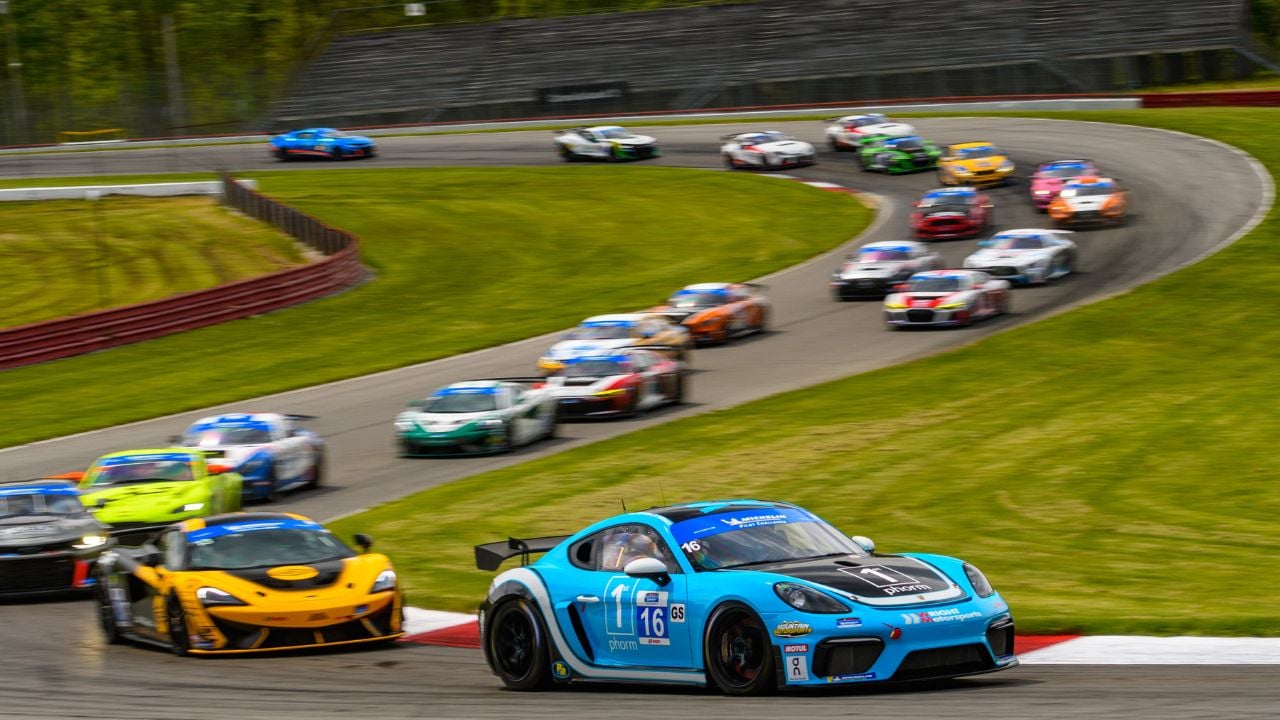
Location: Lexington, Ohio
Length: 2.4 miles
Turns: 13
Opened: 1962
Mid-Ohio is the thinking driver’s racetrack, where horsepower takes a backseat to handling and strategy matters more than deep pockets. The 2.4-mile layout flows through Ohio’s rolling countryside like a ribbon of asphalt designed by someone who understood that racing should be about more than just going fast.
The Keyhole (Turn 4) is a tight hairpin that’s tighter than a new pair of racing shoes, followed by the Carousel (Turn 5), which sweeps uphill with enough banking to keep things interesting but not enough to make things easy. The back section includes elevation changes and blind crests that keep drivers honest and spectators on the edge of their seats.
Bobby Rahal and Al Unser Jr. mastered this place during their IndyCar careers, proving that talent and track knowledge could overcome raw speed. The IndyCar Series still visits annually, where drivers discover that Mid-Ohio rewards patience, precision, and the ability to think three corners ahead.
The facility sits on 280 acres of Ohio countryside, where the grass is always green, the sight lines are excellent, and the parking is actually reasonable. It’s the kind of place where racing feels intimate rather than corporate, and where you might actually run into drivers in the paddock without needing special credentials or a trust fund.
Barber Motorsports Park
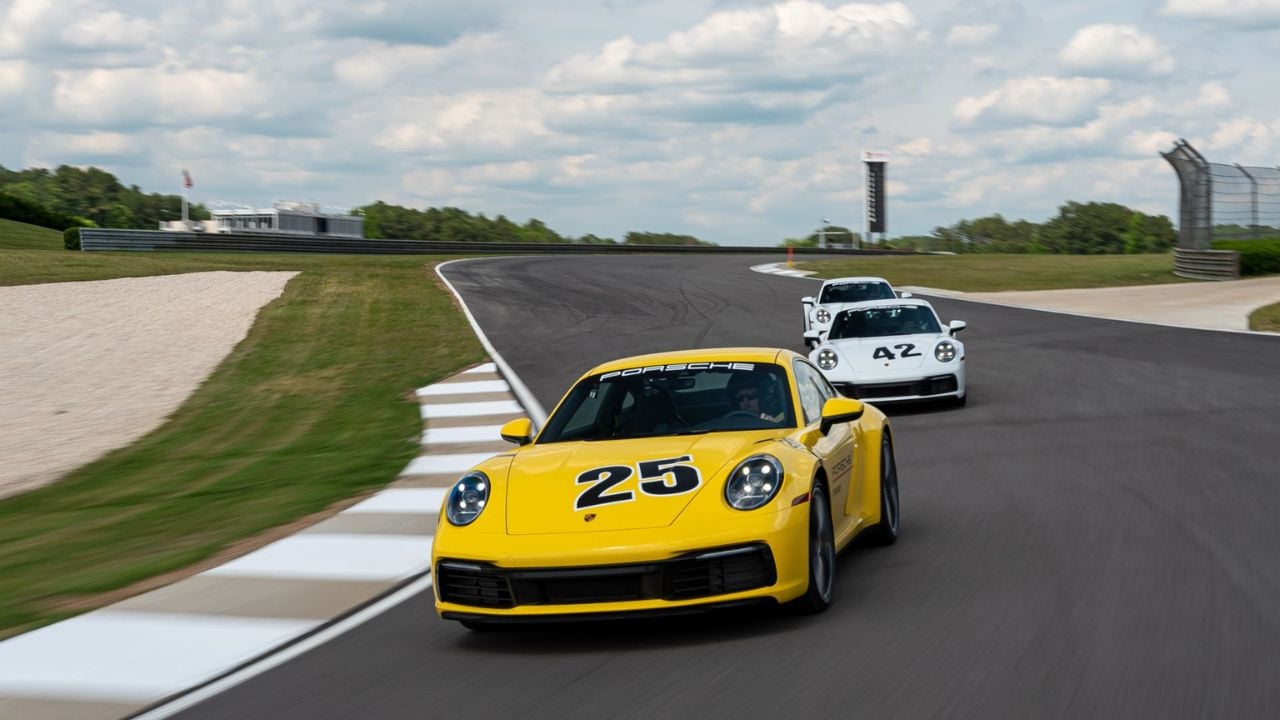
Location: Leeds, Alabama
Length: 2.38 miles
Turns: 17
Opened: 2003
George Barber built his Alabama track with the attention to detail typically reserved for Swiss watches or German engineering. The 2.38-mile circuit features 17 turns, elevation changes, and landscaping so immaculate that it makes Augusta National look slightly scruffy.
The track surface is smoother than a politician’s promise and grippier than your grandmother’s guilt trips. Multiple elevation changes keep drivers busy, while the tight, technical layout rewards precision over pure speed. It’s the kind of place where a perfectly set-up car with a skilled driver can embarrass much more powerful machinery.
IndyCar races here produce wheel-to-wheel battles that would make NASCAR proud, with multiple racing lines and passing opportunities that keep things interesting from green flag to checkered. Josef Newgarden has claimed multiple victories here, proving that local knowledge and talent can overcome almost any disadvantage.
The facility doubles as a motorsports museum, featuring an extensive collection of vintage motorcycles and race cars that’ll make any gearhead weak in the knees. The grounds feature more art installations than most cities, creating an atmosphere that’s part racetrack, part sculpture garden, and entirely unique in American motorsport.
Sonoma Raceway
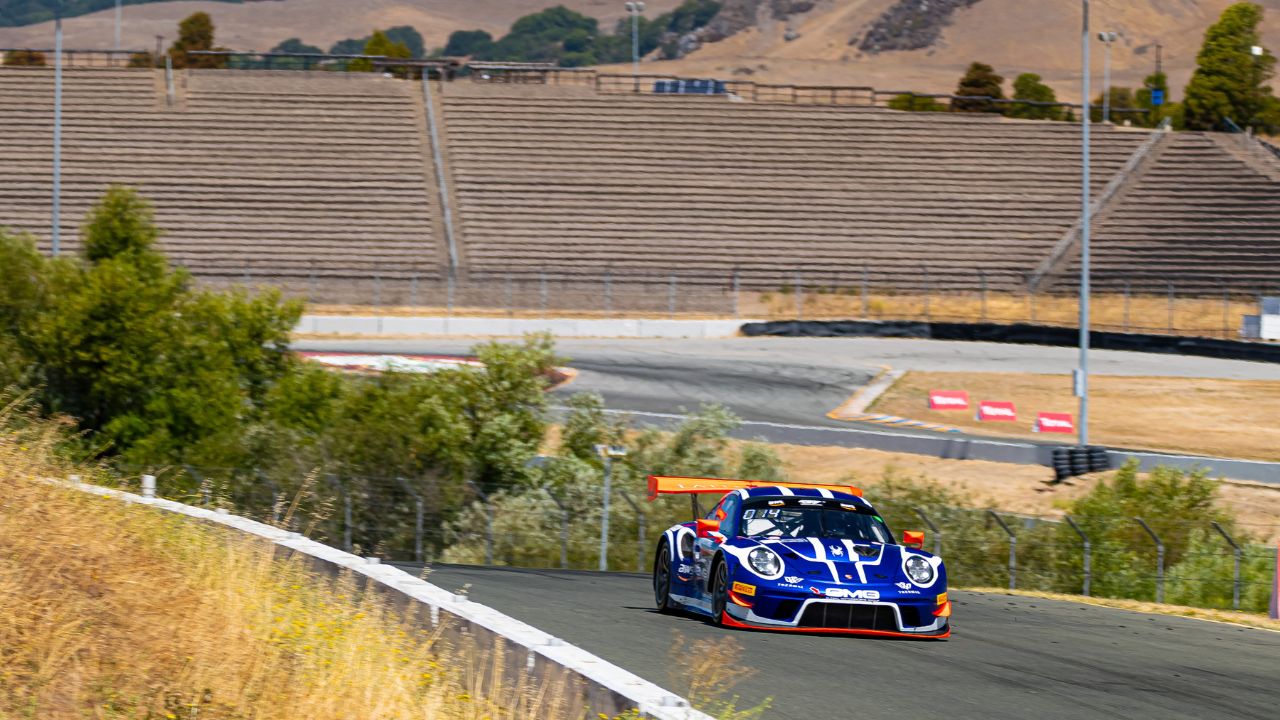
Location: Sonoma, California
Length: 2.52 miles
Turns: 12
Opened: 1968
Nestled in California’s wine country, Sonoma Raceway proves that good racing and good wine can coexist peacefully — though probably not simultaneously. The 2.52-mile road course climbs and dives through Sonoma County’s hills with elevation changes that’ll test your brakes, your suspension, and your commitment to this whole racing thing.
Turn 2 is a blind uphill right-hander that separates the confident from the sensible, while the Carousel (Turn 7) sweeps downhill with enough banking to keep things interesting but enough camber changes to keep you honest. The track surface provides good grip when it’s cool, but becomes as slippery as a politician’s promises when summer temperatures soar.
NASCAR’s annual visit produces some of the series’ most strategic racing, where fuel mileage, tire strategy, and track position matter more than raw horsepower. Tony Stewart and Kurt Busch’s heated exchange in 2016 reminded everyone that road racing can produce just as much drama as any superspeedway showdown.
The surrounding wine country offers enough distractions to make even the most dedicated racing fan consider extending their visit. The panoramic views from the hillside seating stretch across valleys filled with vineyards, creating a backdrop so gorgeous that even mechanical failures feel slightly more tolerable.
Where Speed Meets Legacy
These tracks represent more than just ribbons of asphalt: they’re the stages where American motorsport’s greatest dramas have unfolded. From the high banks of Daytona to the technical challenges of Mid-Ohio, each venue offers its own unique test of man and machine.
Whether you’re a weekend warrior discovering just how slow your “fast” car really is, or a seasoned racer chasing that perfect lap time, these tracks will humble you, educate you, and occasionally reward you with moments of pure automotive bliss. They’ve witnessed more comebacks than a 1980s rock band, more heartbreak than a country music festival, and more money spent on racing than several small countries’ GDP.
Visit them all, race on as many as your insurance company will allow, and remember: the slower you go, the less it hurts when physics reminds you who’s really in charge.