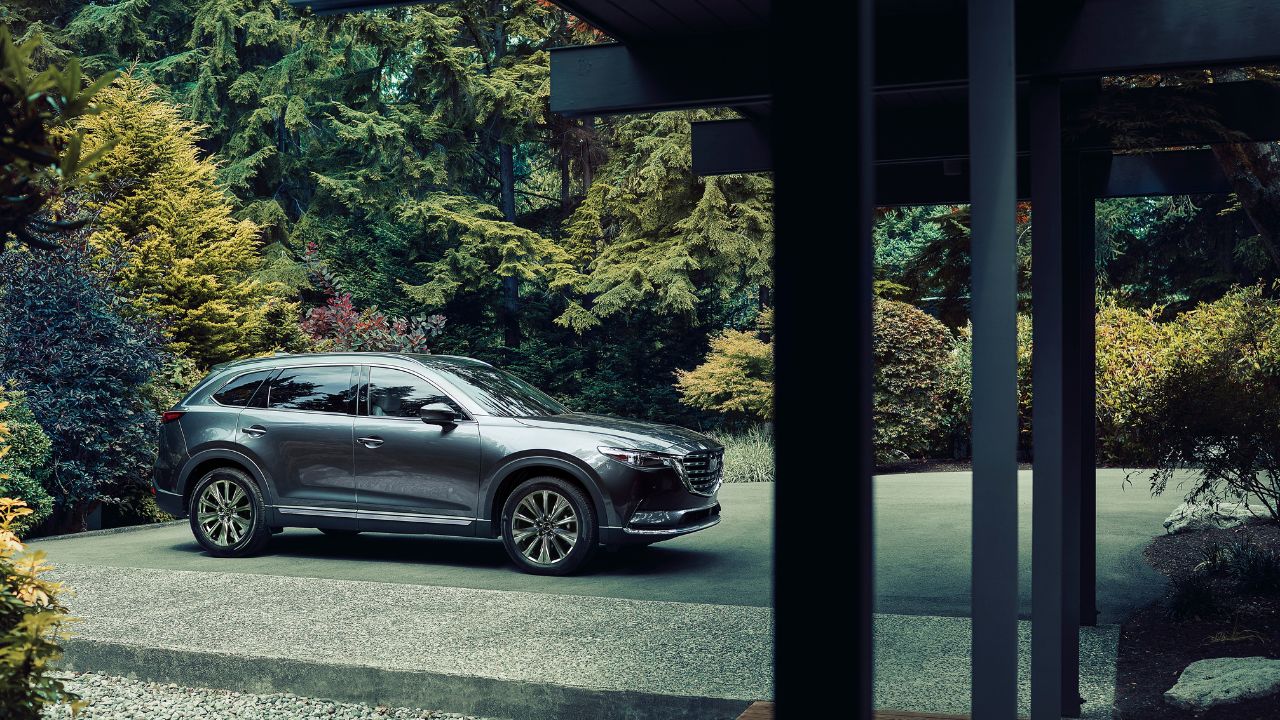
When you think Mazda, you probably think “zoom-zoom” and that signature driving feel that makes even a trip to the grocery store feel like a back-road adventure. Mazda traces its corporate roots to 1920, when Toyo Cork Kogyo Co., Ltd. was founded in Hiroshima, and it later evolved into an automaker known for a driver-focused approach. While they might not move the volume of Toyota or Honda, they’ve built a loyal following around cars that simply make you smile behind the wheel.
From rotary-powered oddities that became legends to crossovers that prove practical doesn’t mean boring, Mazda’s greatest hits tell the story of a brand that’s always marched to its own beat. We’re diving into the models that have defined Mazda in America, the vehicles that kept the lights on and the assembly lines running.
These aren’t just sales numbers, they’re the cars that convinced millions of Americans that driving could still be fun, even in a sensible compact sedan or family-friendly SUV.
Mazda CX-5

If there’s a modern-day MVP in Mazda’s lineup, it’s the CX-5, hands down. This compact crossover has been Mazda’s sales champion since its introduction in 2012, and in the U.S. it has often sold in the 150,000 range in recent years, with a high of 163,940 in 2021
It was the first vehicle to feature Mazda’s full SkyActiv technology suite, bringing improved fuel economy and that trademark “Jinba Ittai” driving connection to the SUV segment. The CX-5 hits that sweet spot of being just roomy enough for a small family while still feeling nimble and fun to drive, something most competitors in this segment have long forgotten how to do. With its upscale interior that punches above its price point and handling that makes you wonder why more crossovers can’t be this enjoyable, the CX-5 has become the backbone of Mazda’s business.
It’s proof that you don’t have to sacrifice driving dynamics to sell a practical family hauler, and American buyers have rewarded that philosophy with their wallets for over a decade.
Mazda3
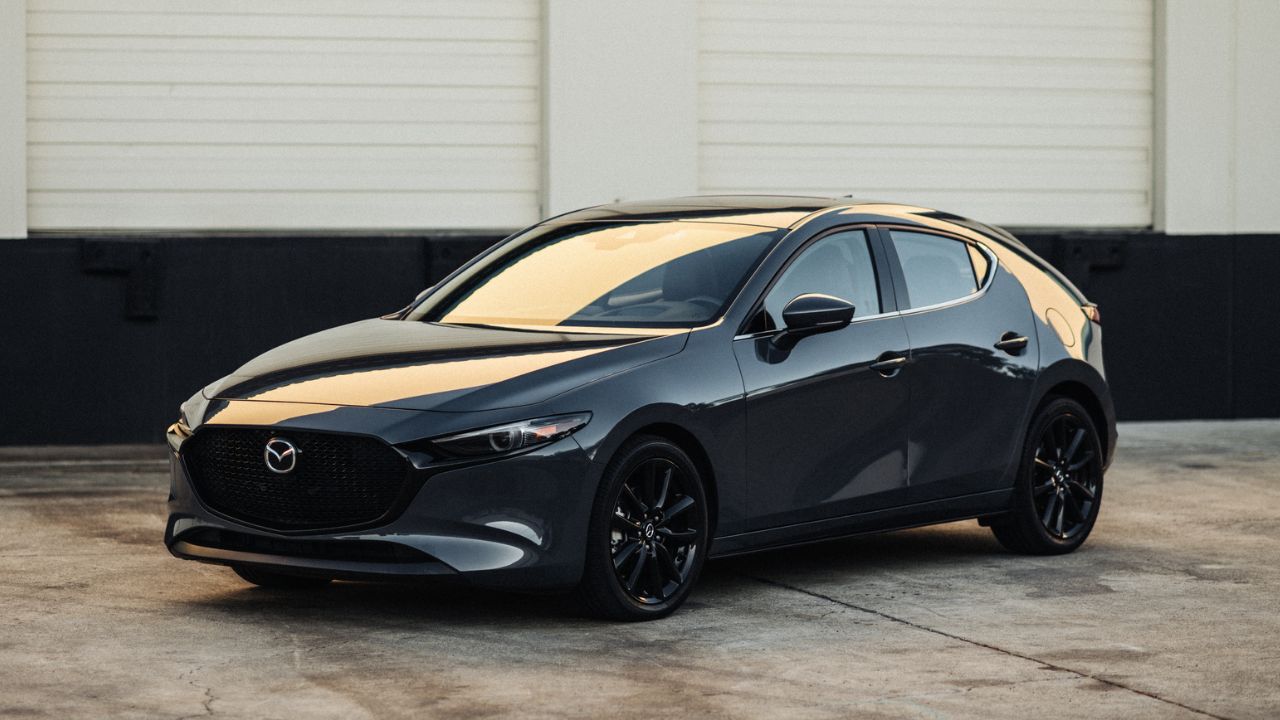
The Mazda3 has been the brand’s compact car warrior since replacing the Protegé in 2003, and it’s racked up serious sales over its two-decade run. While annual numbers have ranged widely depending on the year and America’s on-again, off-again relationship with sedans, the Mazda3 has remained a standout in a segment dominated by the Honda Civic and Toyota Corolla.
What makes the Mazda3 special is that it refuses to be boring, even the base model feels like it was engineered by people who actually enjoy driving. The current generation especially showcases Mazda’s “Kodo” design philosophy with an interior that rivals luxury brands and exterior styling that turns heads in mall parking lots. Available as both a sedan and a sportier hatchback, the Mazda3 has won over enthusiasts and practical buyers alike with its combination of fuel efficiency, reliability, and genuine driving enjoyment.
It’s the car that proved compact doesn’t mean compromised, and it continues to be one of Mazda’s most important nameplates in North America.
Mazda MX-5 Miata

Here’s the thing about the Miata: it’s the world’s best-selling two-seater sports car, with cumulative global MX-5 production now at over 1.2 million since 1989. In the US, where the roadster found its spiritual home, MX-5 sales have risen and fallen with broader convertible demand over the decades.
The Miata’s success story is one of the automotive world’s feel-good tales, a Japanese company studying classic British roadsters, fixing all their electrical and reliability issues, and creating an affordable sports car that just makes you happy. Recent years have seen a resurgence too, with 2023 posting 8,973 sales, up 45.4% from the year before. The formula has remained beautifully simple: light weight, rear-wheel drive, perfect 50/50 balance, and a convertible top.
Driving joy doesn’t require 500 horsepower or a six-figure price tag, just good engineering and a commitment to the essentials.
Mazda CX-30

The CX-30 is the new kid that came in and immediately made itself at home, slotting between the defunct CX-3 and the CX-5 when it debuted for the 2020 model year. U.S. sales have grown quickly, rising from 38,064 in 2020 to 77,075 in 2023 and 96,515 in 2024.
Think of it as the Goldilocks of Mazda’s crossover lineup, not too big, not too small, but just right for couples, small families, or anyone who finds the CX-5 a bit much but wants more than a subcompact. The CX-30 shares its excellent bones with the Mazda3, which means it drives far better than it has any right to at this price point. Mazda gave it a premium interior that feels more luxury than mainstream, and the available turbocharged engine option adds a proper punch of power for those who want their practical crossover with a side of sport.
It’s become a crucial player in Mazda’s modern lineup, appealing to younger buyers who want style and substance without breaking the bank.
Mazda CX-9
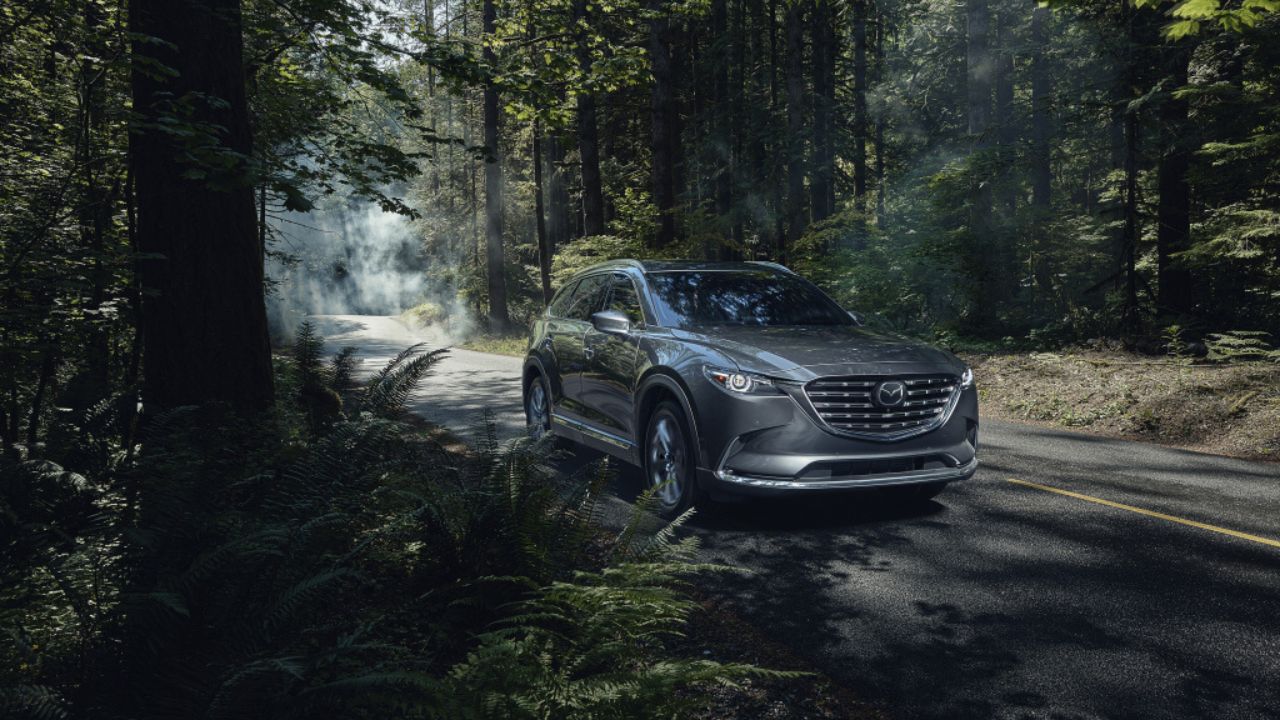
Before Mazda got into the three-row SUV game with the newer CX-90, the CX-9 was holding down the fort as the brand’s family hauler flagship. Since its introduction in 2007, the CX-9 sold steadily if not spectacularly, often in the mid-20,000s to mid-30,000s annually in the U.S., with a recent high of 34,580 in 2022.
The second-generation model that arrived in 2016 really elevated the game, bringing a surprisingly upscale cabin, excellent driving dynamics for a three-row SUV, and Mazda’s turbocharged four-cylinder that proved you didn’t need a V6 to move a big SUV competently. What’s always set the CX-9 apart is that it feels like it was designed by people who actually enjoy driving, even when hauling a full load of kids and gear. The steering has actual feedback, the chassis remains composed through corners, and the interior feels genuinely premium.
It never matched the sales numbers of the Honda Pilot or Toyota Highlander, but it earned a devoted following among buyers who wanted a family SUV that didn’t completely sacrifice the joy of driving.
Mazda RX-7

The RX-7 isn’t just a best-seller, it’s a legend, a poster car, and the vehicle that put Mazda’s rotary engine technology on the map. Over its production run from 1978 to 2002 (ending in 1995 in the US), Mazda built 811,634 RX-7s globally, with the vast majority of first-generation sales happening right here in America.
Estimates put U.S. first-generation RX-7 sales between 332,850 and 367,878, incredible numbers for a sports car. The RX-7 gave Americans an affordable alternative to expensive European sports cars, with its unique rotary engine providing smooth power delivery and that distinctive rotary wail. The second-generation brought turbocharging and pop-up headlights that defined ’80s cool, while the third-gen FD became an icon with its twin-turbo rotary and curves that still look contemporary today. Sales dropped significantly for the final generation due to its higher price and stricter emissions regulations, but its impact on car culture has been permanent.
The RX-7 proved Mazda could build world-class performance cars, and it remains one of the most collectible Japanese sports cars ever made.
Mazda CX-50

Mazda’s outdoor-oriented crossover might be the newest entry on this list, but it’s already making waves since it arrived for the 2023 model year. The CX-50 has ramped up quickly in the U.S., with 44,595 sold in 2023 and 81,441 sold in 2024.
It shares its platform with the CX-30 but stretches things out for more cargo space and adds a more rugged aesthetic with standard all-wheel drive and increased ground clearance. Built at Mazda Toyota Manufacturing in Huntsville, Alabama, the CX-50 represents a fresh take on the compact crossover formula, leaning into adventure-ready capability without going full off-road wannabe. The interior tech is top-notch, including wireless Apple CarPlay and Android Auto, and the available turbocharged engine brings legitimate performance to the segment. It’s positioned as the more adventurous alternative to the CX-5, appealing to buyers who want their crossover to feel a bit more ready for weekend adventures.
The early sales success suggests Mazda read the market correctly, there’s definitely demand for a crossover that splits the difference between urban commuter and trail-ready explorer.
Mazda B-Series Pickup

Long before Mazda decided trucks weren’t their thing in America, the B-Series was a legitimate player in the compact pickup market. From its U.S. debut in 1972 through its final year in 2009, Mazda pickup sales reached almost 120,000 in 1984.
The early models, including the wild rotary-powered REPU sold from 1974 to 1977, established Mazda as a serious truck maker, with total North American production commonly estimated at just over 15,000 units. The B2000 of the 1980s was particularly successful, building a reputation for durability and value in the compact pickup segment. Things got complicated when Mazda started badge-engineering Ford Rangers in 1994, and by 2008 U.S. sales had fallen to 1,319 units as buyers understandably preferred the more established Ford brand. Still, the B-Series holds an important place in Mazda’s history as proof that the company could compete in any segment when it brought its A-game.
Today, these trucks are increasingly collectible, particularly the rotary models, and they remind us of an era when compact pickups were everywhere.
Mazda 626
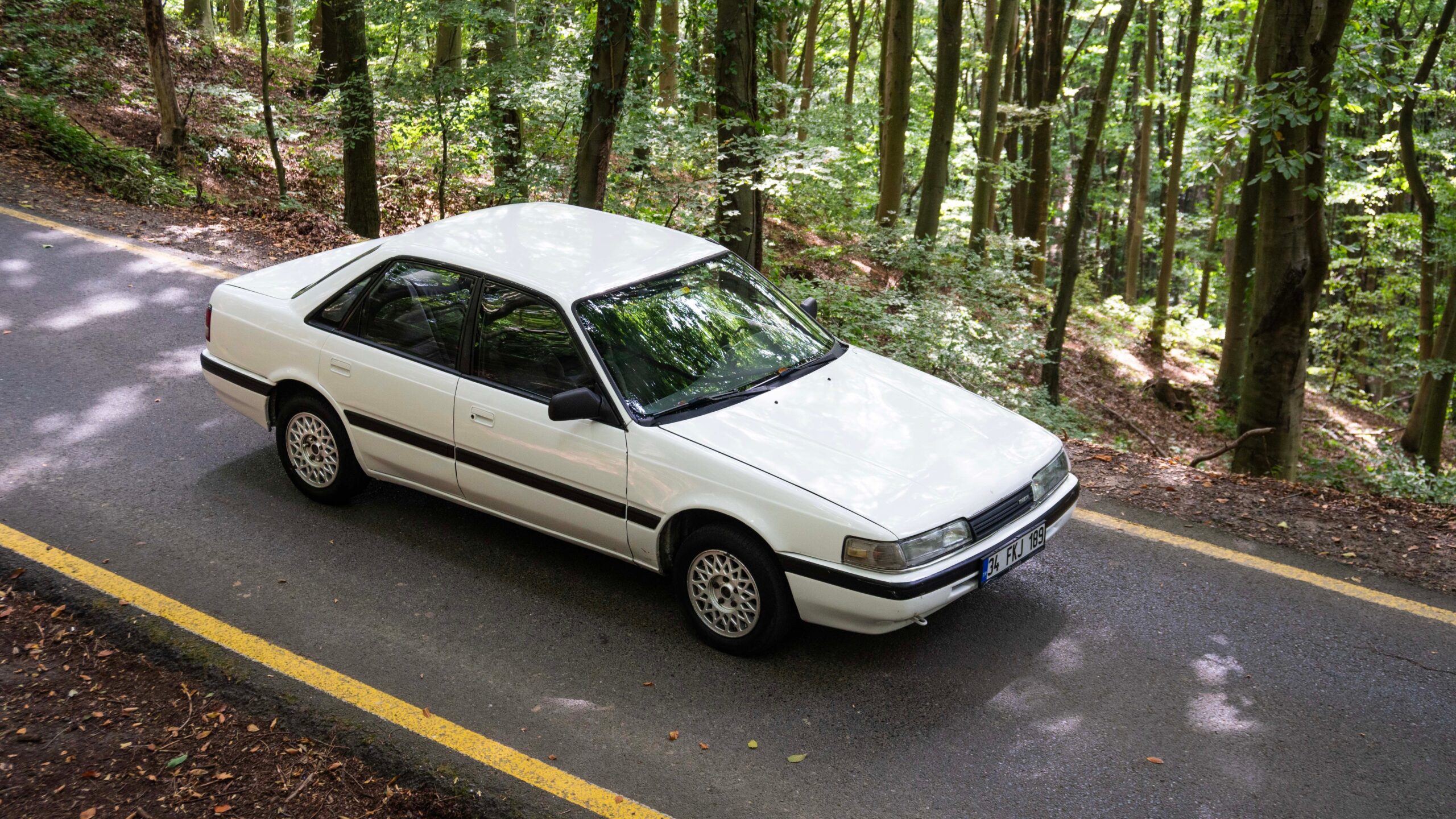
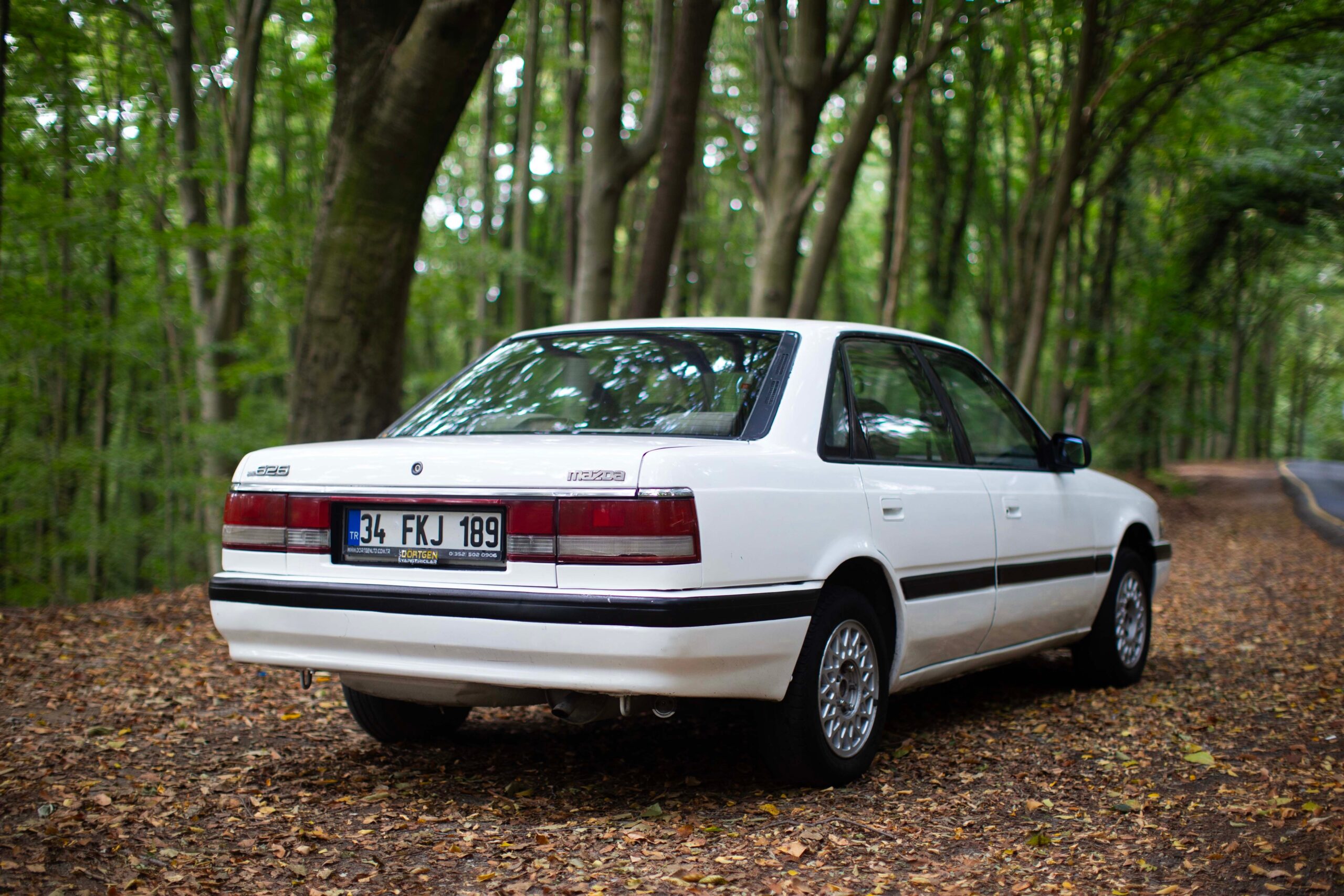
The 626 was Mazda’s bread-and-butter midsize sedan for over three decades, sold from 1979 to 2002 before being replaced by the Mazda6. Globally, the 626 and its Ford Telstar twin accounted for 4,345,279 units sold worldwide.
Through the ’80s and ’90s, the 626 was Mazda’s answer to the Honda Accord and Toyota Camry, offering reliable transportation with a touch more driving engagement than its mainstream competitors. The third-generation model earned Import Car of the Year honors from Motor Trend in 1983, helping establish Mazda’s reputation for building quality family cars. While it never matched the sales dominance of the Accord or Camry, the 626 consistently moved tens of thousands of units annually and kept Mazda competitive in a crucial segment. The turbocharged 626 GT of the late ’80s even brought some performance credibility to the lineup.
By the early 2000s, the 626 was showing its age, but its replacement, the Mazda6, proved the company had learned all the right lessons from three decades of building midsize sedans.
Mazda 6
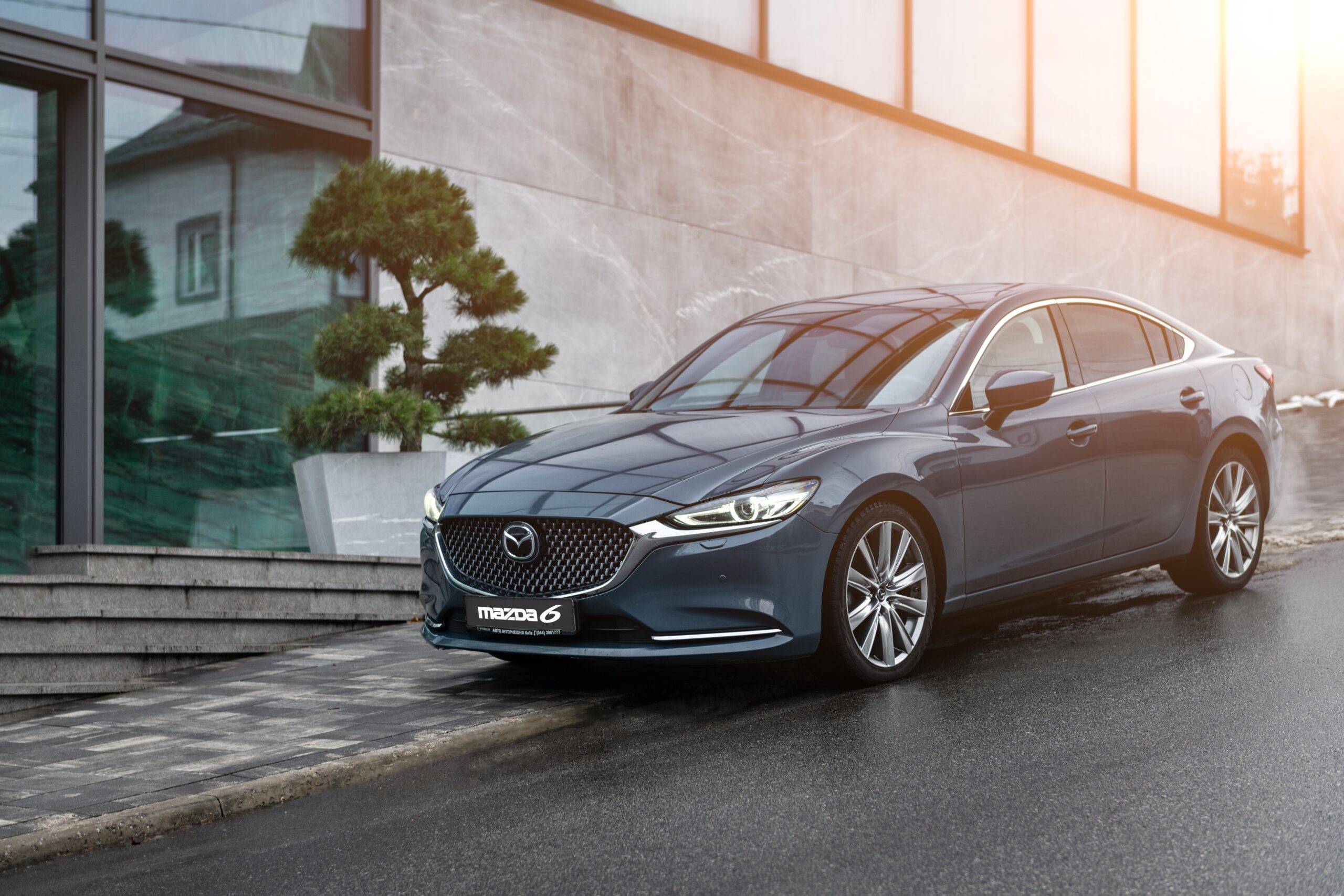
When Mazda replaced the 626 with the Mazda6 (Atenza) in 2002, it brought fresh style and sharper driving manners to the midsize segment. In the U.S., Mazda6 sales peaked at 71,447 in 2005, then trended downward over time to 18,504 in 2021 before Mazda discontinued the Mazda6 for the 2022 model year in the U.S.
It’s always been the underdog in a segment dominated by the Accord, Camry, and Altima, but it won over buyers who wanted something more engaging to drive. The Mazdaspeed6 variant from 2006-2007 brought turbocharged all-wheel-drive performance to the segment, earning a cult following.
Mazda CX-90

The CX-90 is Mazda’s newest three-row SUV play, arriving for 2023 as a more premium alternative to the CX-9 it eventually replaced. Despite being brand new, it posted respectable numbers, with 30,821 units sold in the U.S. in 2023.
This represents Mazda’s push upmarket, with a starting price and feature set that positions it more as a premium SUV than a mainstream family hauler. The CX-90 is available with either a powerful turbocharged inline-six or a plug-in hybrid powertrain, giving buyers options the old CX-9 never offered. The interior is legitimately luxurious, with materials and build quality that rival actual luxury brands at a lower price point. It’s still early days for the CX-90, but the initial reception suggests there’s a market for a three-row SUV that drives like a Mazda while offering near-luxury amenities.
The inline-six engine in particular has earned praise for its smooth power delivery and distinctly premium character, something increasingly rare in an industry dominated by four-cylinder and hybrid powertrains.
Mazda CX-5 Hybrid
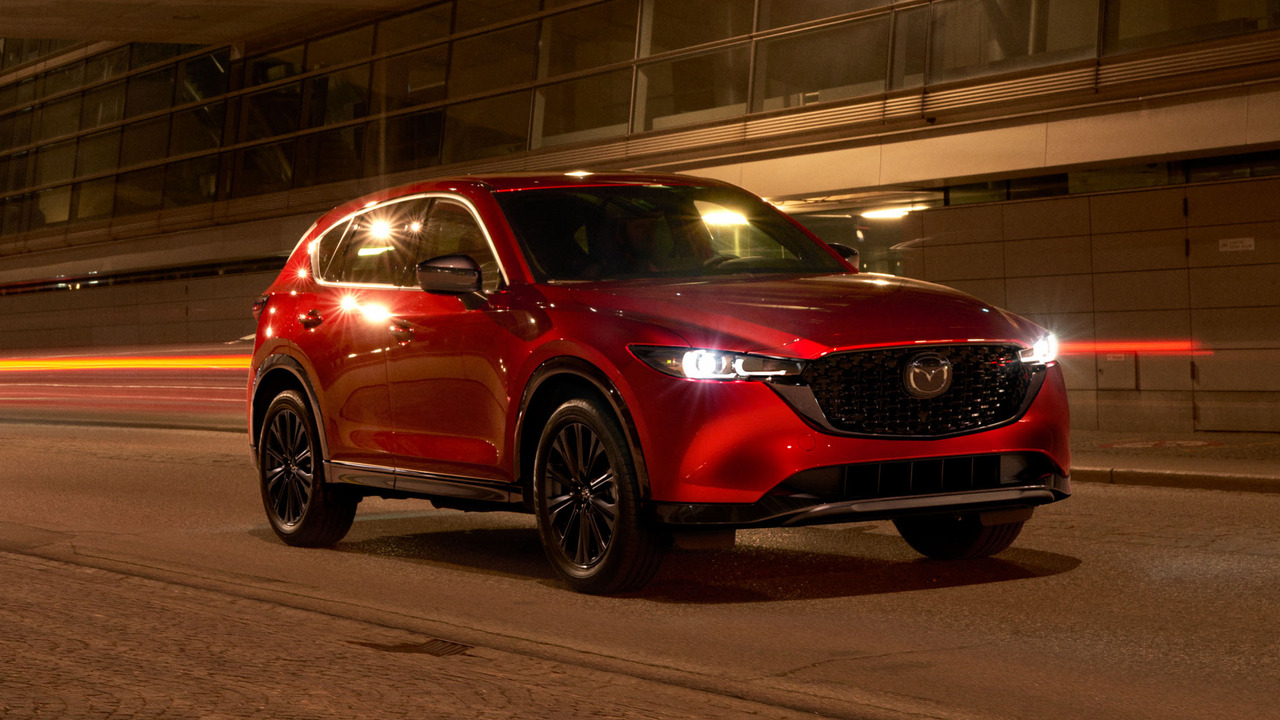
Mazda’s latest entry into the electrified crossover game in the U.S. is the CX-50 Hybrid, which Mazda launched as it expanded its hybrid lineup in 2024. Mazda Toyota Manufacturing in Huntsville, Alabama, began assembling the CX-50 Hybrid in November.
Mazda has also indicated a hybrid version of the next-generation CX-5 is planned for 2027, but the current 2026 CX-5 is not positioned as a hybrid model in Mazda’s U.S. lineup.
Time will tell how hybrid models perform long-term for Mazda, but the company is clearly betting that hybrid technology and driving enjoyment can coexist.
Conclusion
Looking at Mazda’s best-selling models over the decades reveals a brand that’s stayed remarkably true to its core values even as market trends have shifted. From rotary-powered sports cars to practical crossovers, there’s a common thread of engineering excellence and a commitment to making even everyday transportation feel special.
The company has never been the biggest Japanese automaker in America, but they’ve carved out a devoted following by refusing to build appliances on wheels. Today’s lineup, dominated by the excellent CX-5 and supported by the engaging Mazda3 and growing family of crossovers, shows a brand that’s found its footing in the modern market while maintaining the zoom-zoom spirit that made it special in the first place.
Whether you’re talking about a million-mile Miata or a well-used CX-5 daily driver, Mazda’s greatest hits have one thing in common: they make their owners smile, and in an automotive landscape increasingly dominated by transportation pods, that’s worth celebrating!