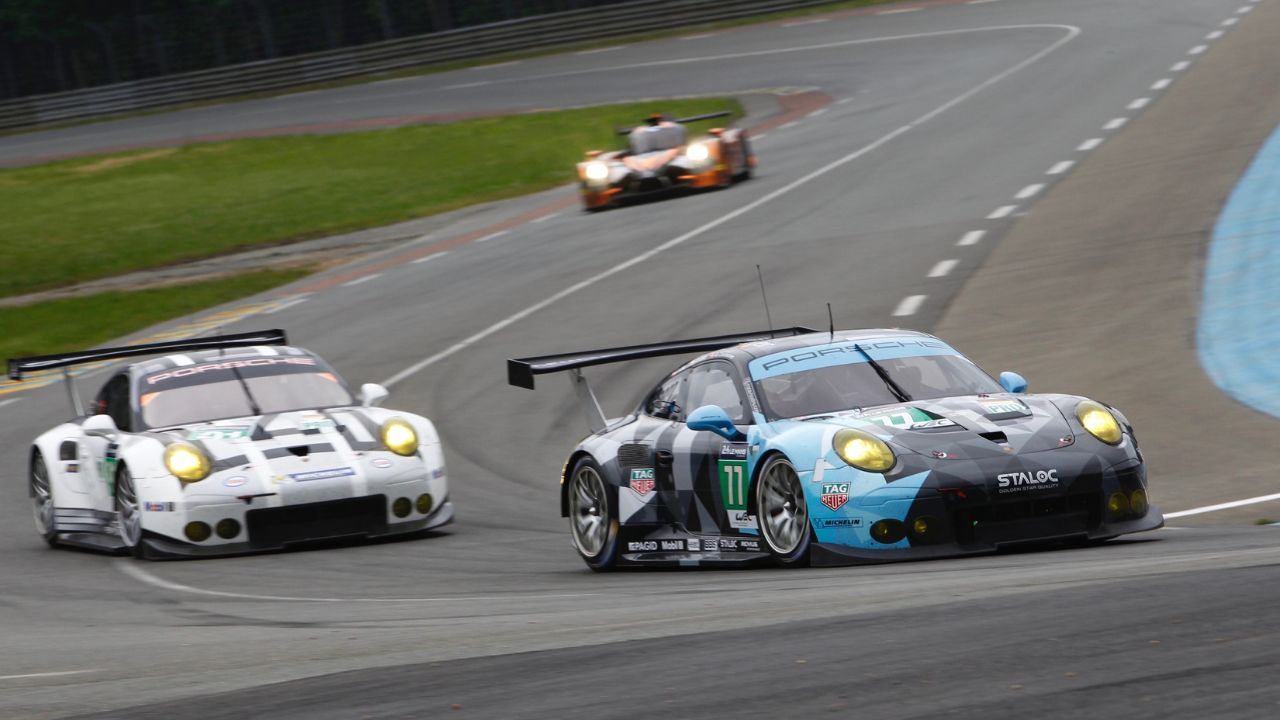
Every car enthusiast has felt that pull toward roads where history and adrenaline live side by side, where every stretch carries whispers of triumph, endurance, and raw courage, and the thrill never fades when wheels roll across these storied routes. Imagine driving your own car along the exact path (minus some of the lines) that racing greats have taken, hitting nearly 200 miles per hour to chase victory. Maybe we wouldn’t quite reach those same speeds, but we would definitely feel the intensity, passion, and adrenaline from years of racing history below our tires.
Journeys across these courses offer a taste of motorsport magic and a link to the legends who shaped the past. The feeling of being part of that heritage makes the drive unforgettable. Some routes climb into mountains, others wind through forests and villages, and each carries a rhythm that blends beauty with challenge. These roads have shaped stories of speed, grit, and glory, and they remain open for anyone ready to take the wheel and embark on the journey. And now you can race on them yourself. Just remember: your insurance company doesn’t care about your automotive dreams, so maybe leave the heroics to the professionals.
Monaco Grand Prix Circuit, Monte Carlo

The Stats That Matter: 2.074 miles of pure torture disguised as glamour. 19 corners that’ll humble your ego faster than your teenager borrowing the car.
Here’s the thing about Monaco: it’s like trying to thread a needle while riding a mechanical bull, except the needle costs $50 million and the bull is a 200mph Formula 1 car. Built around the streets of Monte Carlo in 1929, this circuit has been separating the wheat from the chaff for nearly a century.
The famous Casino Corner? That’s where your mortgage payment goes to die if you’re not careful. The Swimming Pool section will make you appreciate just how much runoff area modern tracks have (spoiler: Monaco has none). And don’t even get me started on the tunnel: it’s where engines sound like angry gods and where more than one driver has discovered that concrete walls don’t move, no matter how politely you ask.
You can actually drive this circuit when it’s not race weekend, though good luck explaining to your significant other why you need to “study racing lines” past the yacht harbor. Pro tip: The speed limit is very much enforced, and Monaco’s finest don’t care if you’re channeling your inner Ayrton Senna.
Pikes Peak Highway

The Challenge: 12.42 miles, 156 turns, and 4,720 feet of elevation gain that’ll leave both you and your engine gasping for air.
Pikes Peak is where cars go to find out if they’re really as tough as their spec sheets claim. Starting at 9,390 feet and climbing to 14,115 feet, this hill climb has been humbling drivers and machinery since 1916. The air up there is so thin; naturally aspirated engines lose about 30% of their power, which is nature’s way of saying, “Slow down, hotshot.”
The famous “Race to the Clouds” happens every summer, where drivers with more courage than sense attack the mountain at speeds that would make mountain goats nervous. Sébastien Loeb set the current record in 2013 with a time of 8:13.878 in a purpose-built Peugeot that probably cost more than your house.
The good news? You can drive to the summit any day the weather cooperates, though your turbocharged daily driver will be wheezing like a chain smoker by mile five. The bad news? If you’re afraid of heights, this road will cure that fear by replacing it with pure, primal terror.
Targa Florio Route, Sicily

The Legend: 45 miles of Sicilian countryside that once hosted the most beautiful race in the world.
The Targa Florio wasn’t just a race: it was automotive poetry written in tire smoke and translated through screaming exhausts. Running from 1906 to 1977, this event took drivers through village streets so narrow that local residents could literally reach out and touch the cars. Imagine modern F1 drivers trying to navigate through your neighborhood at 150mph while dodging laundry lines and startled chickens.
Porsche dominated the later years, with legends like Vic Elford and Nino Vaccarella becoming household names in Sicily. The race was eventually cancelled because, surprise, surprise, running 200 mph sports cars through populated villages raised some safety concerns. Who could have seen that coming?
Today, the roads are still there, winding through olive groves and medieval towns that look exactly like they did when Jackie Ickx was threading the needle at ludicrous speeds. Drive it now and you’ll understand why drivers call it the most demanding race in the world, and why your GPS will have a complete nervous breakdown trying to navigate these ancient streets.
Circuit de la Sarthe, Le Mans

The Endurance Test: 8.467 miles of French countryside that asks one simple question: “Can you do this for 24 hours straight without losing your mind?”
Le Mans is essentially a 24-hour meditation on the fragility of machinery and human sanity. Since 1923, this circuit has been the ultimate test of both speed and endurance, where drivers push themselves and their machines to the absolute limit for an entire day and night.
The famous Mulsanne Straight was once a 3.7-mile blast where Group C prototypes would hit 250mph before braking seemed like a good idea. These days, chicanes have somewhat tamed it, but it’s still long enough to contemplate life choices and wonder if you remembered to turn off the coffee pot at home.
Most of the circuit uses public roads that you can drive during the week, though the locals might give you strange looks if you start practicing your racing lines at the Dunlop chicane during rush hour. The Indianapolis corner is still there, along with Tertre Rouge and Arnage; corners that have seen more drama than a soap opera and more heartbreak than a country song.
Mount Panorama, Bathurst

The Mountain: 3.86 miles of Australian countryside that climbs 574 feet and drops your blood pressure to zero.
Bathurst is where touring car drivers go to separate their talent from their ego, usually at considerable speed and with maximum drama. The track climbs up Mount Panorama like a roller coaster designed by someone with a seriously twisted sense of humor.
The Conrod Straight is where V8 Supercars hit their top speeds, while corners like The Cutting and Forrest’s Elbow are where careers go to die spectacular, televised deaths. The Mountain has been hosting the Bathurst 1000 since 1963, and it remains one of the few circuits where local knowledge can beat raw speed.
Here’s the beautiful part: outside of race weekends, Mount Panorama is a public road. You can drive the same surface where Peter Brock became “King of the Mountain” and where modern V8 Supercars still battle it out every October. Just remember, it’s a 37 mph speed limit, and the local constabulary takes a dim view of impromptu qualifying sessions.
Mille Miglia Route, Italy

The Journey: 1,000 miles from Brescia to Rome and back, through some of the most beautiful countryside on Earth.
The Mille Miglia was a 1,000-mile love letter to Italy written in tire smoke and gasoline. From 1927 to 1957, this open-road race took competitors from Brescia to Rome and back through Italian villages, up mountain passes, and down narrow streets lined with enthusiastic spectators who apparently had no concept of personal safety.
This was where Stirling Moss and Denis Jenkinson set their legendary 1955 record using pace notes written on a toilet paper roll (seriously), averaging 97.96 mph over public roads. It was also where Ferrari, Alfa Romeo, and Mercedes-Benz went to prove their machinery in the most demanding conditions imaginable.
The race was eventually cancelled after several accidents, but the route lives on through the modern Mille Miglia Storica, where classic cars recreate the journey at slightly more sensible speeds. You can drive the route yourself, through Tuscany, Umbria, and some of the most scenic roads in Europe – just don’t expect to match Moss’s pace, especially with modern traffic and speed limits.
Roads That Carry Spirit Forward

These roads are living museums where you can still feel the ghosts of racing legends. Sure, you can’t recreate the glory days when safety equipment was optional and common sense was apparently in short supply, but you can experience the same corners, the same elevation changes, and the same views that made these places legendary.
Just remember: these roads earned their reputations the hard way, usually involving a lot of bent metal and bruised egos. Respect them, respect other drivers, and maybe leave the hero stuff to the professionals. Your insurance agent will thank you, and you’ll live to drive another day.
Besides, the real magic isn’t in trying to match lap records – it’s in understanding why these places became legendary in the first place. Drive them with respect, soak in the history, and appreciate that you’re experiencing automotive history firsthand.
And hey, if you can’t resist adding a little drama to your drive, at least ensure your Go-Pro is running. Future generations need to learn from your mistakes, too.