Remember when packing for a family road trip meant playing Tetris with coolers, lawn chairs, and enough snacks to feed a small army? Yeah, me too. And honestly, I still remember those trips fondly. But somewhere along the way, a few clever engineers decided that maybe vehicles could do more than haul our stuff around. They could actually help us enjoy it. They could become a part of it.
These aren’t your typical “best family cars” recommendations. We’re talking about vehicles that genuinely understood the assignment when it came to outdoor dining. Built-in coolers that actually work, seats that fold into something useful, and cargo areas that don’t require an engineering degree to organize. Let’s dive into the cars that turned picnicking from a logistical nightmare into something you might actually look forward to.
The search took us across brands, across vehicles types, and introduced us to features we didn’t even know about. The result is a list of rides that don’t want to sit back in a dirty parking lot while your family hangs out at a picnic table: these vehicles make memories happen.
Honda CR-V

The second-generation CR-V was like that friend who always comes prepared…maybe a little too prepared, but you’re grateful when you need them. Honda engineers, tired of watching families struggle with melting ice packs, tucked a genuine cooler box between the front seats. Not a glorified cup holder, mind you, but an actual 12-volt cooler that could keep your drinks properly chilled for hours.
With 103 horsepower from its 2.0-liter four-cylinder (not winning any drag races, but perfect for leisurely scenic routes), the CR-V delivered around 28 mpg highway. That efficiency meant more money for good cheese and less time searching for gas stations in the middle of nowhere.
The party trick? Those rear seats folded completely flat (and I mean pancake flat), creating a surface so level you could play ping-pong on it. Throw in Honda’s legendary reliability (these things run forever if you remember to change the oil), and you’ve got a picnic companion that won’t leave you stranded halfway to your favorite lake.
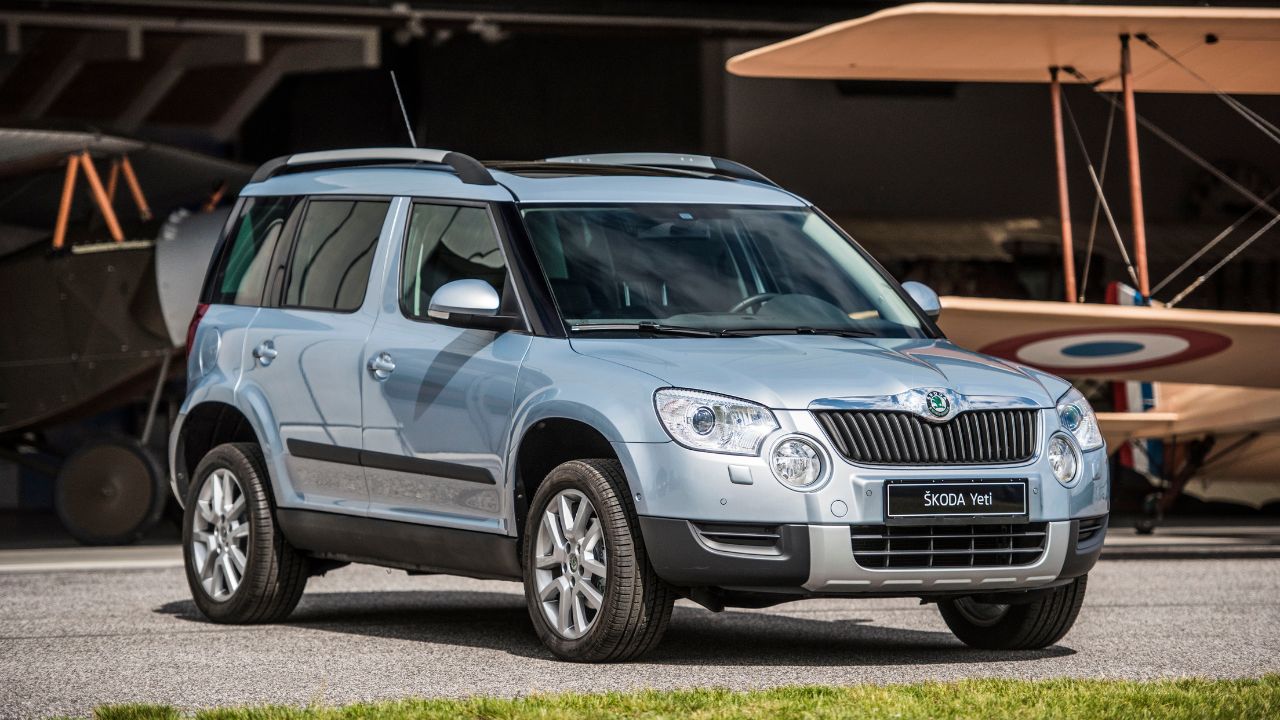
Skoda Yeti

If the CR-V was your responsible friend, the Yeti was your quirky cousin who somehow always had exactly what you needed. Skoda called it “Simply Clever,” which sounds like marketing speak until you actually used one of these things.
The Yeti came with a removable cooler box; not built-in, but designed to fit perfectly in the cargo area. Smart move, actually. When you’re not hauling potato salad, it becomes extra storage space. The rear seats could be completely removed and stored in the garage, turning the cabin into a mini cargo van. Try explaining that to a Victorian child and they might just pass out.
With engine options ranging from a peppy 1.2 TSI (105 hp) to a more substantial 2.0 TDI (170 hp diesel that could tow a small trailer), the Yeti balanced efficiency with enough grunt for mountain roads. The diesel versions regularly hit 40+ mpg, meaning you could drive to every scenic overlook in your state without breaking the bank.
The best part? Those VarioFlex seats could be configured in something like 30 different ways. Want to face the tailgate for lunch? Done. Need a table? Flip down the center console. Skoda essentially turned seating into adult LEGO blocks, and somehow it all made sense.
Nissan X-Trail

The first and second-generation X-Trail proved that Nissan engineers had clearly spent time thinking about real-world outdoor adventures. They stuck a cooler box right in the glove compartment; someone finally asked, “Why can’t the glove compartment actually be useful?”
Powered by either a 2.5-liter four-cylinder (165 hp) or a more robust 3.5-liter V6 (265 hp in later models), the X-Trail had enough power to reach those hidden gems off the beaten path. The CVT transmission wasn’t winning any smoothness awards, but it kept fuel economy reasonable at around 26 mpg combined.
Here’s where Nissan got extra clever: the rear cargo area featured a washable floor liner and tie-down points positioned like they were actually planned by people who haul stuff. Novel concept, right? The split tailgate meant the bottom half could serve as a bench while the top provided shade – essentially turning your car into a popup restaurant.
The variable seating system let you configure the interior for everything from gear hauling to impromptu dining rooms. Not as flexible as the Yeti, but practical enough that you didn’t need a manual to figure it out.
Toyota Land Cruiser

When you absolutely, positively need to haul your picnic gear to the ends of the earth, accept no substitutes. The 100 Series Land Cruiser approached outdoor dining with the same seriousness it brought to crossing deserts and climbing mountains.
The center console cooler wasn’t messing around – this thing could keep drinks cold for hours, even in Death Valley. With a 4.7-liter V8 pumping out 230-275 hp (depending on the year), the Land Cruiser had enough power to tow a food truck to your picnic site. Fuel economy? Well, 15 mpg was the price of admission to the “I can literally drive anywhere” club.
Three rows of seating meant you could haul the extended family, their gear, and probably the neighbor’s kids, too. When the third row folded down, you had enough cargo space to pack for a month-long safari. The split tailgate design created an instant serving station, and the built-in step made loading and unloading feel civilized instead of like a CrossFit workout.
This was picnicking for people who took their outdoor adventures seriously. Sure, it was overkill for a trip to the local park, but when you wanted to reach that perfect hidden meadow thirty miles down a dirt road, nothing else would do.
Range Rover

Leave it to Land Rover to approach picnicking like it was hosting a garden party at Downton Abbey. The L322 Range Rover featured cooled compartments that maintained wine-cellar temperatures, because apparently someone realized that warm champagne ruins even the most scenic overlook.
With either a 4.4-liter V8 (282-300 hp) or the magnificent 4.2-liter supercharged V8 (390 hp), the Range Rover had enough power to get you anywhere while making it feel effortless. The air suspension could be adjusted for different driving conditions, meaning you could float over rough roads like you were riding on clouds, then lower the vehicle for easy loading at your destination.
The split tailgate was practically furniture. The lower section served as a padded bench (because standing while eating is for peasants), while the upper section provided shade and wind protection. Inside, the climate control system could maintain different temperatures in multiple zones, ensuring everyone stayed comfortable regardless of outside conditions.
Yes, reliability could be questionable (especially the air suspension and electrical systems), and fuel economy hovered around 16 mpg if you were gentle. But when it worked, dining al fresco from a Range Rover felt like the pinnacle of civilized outdoor living.
Final Word on Picnic-Ready Cars

Living in your vehicle was taken literally with these models. These vehicles went beyond the usual “it has cup holders” approach and created genuine outdoor dining solutions.
A good cooler beats melting ice every time. Flat-folding seats turn cargo areas into proper staging grounds. Wide tailgates become outdoor dining rooms with views. These aren’t revolutionary concepts, but they’re surprisingly rare.
The best part? None of these vehicles screamed “look at me, I’m a picnic car!” They were just well-designed machines that happened to excel at outdoor leisure. The CR-V looked like every other compact SUV. The Yeti was charmingly odd but not cartoonish. The X-Trail appeared purposeful without being precious.
Maybe that’s the real lesson here. The best automotive solutions for outdoor dining don’t announce themselves with novelty features or gimmicky designs. They just work, quietly and reliably, making your outdoor adventures a little easier and a lot more enjoyable.
Because at the end of the day, a great picnic isn’t about the car – it’s about the memories you make when everything goes according to plan. These vehicles just happened to make “according to plan” a lot more likely.