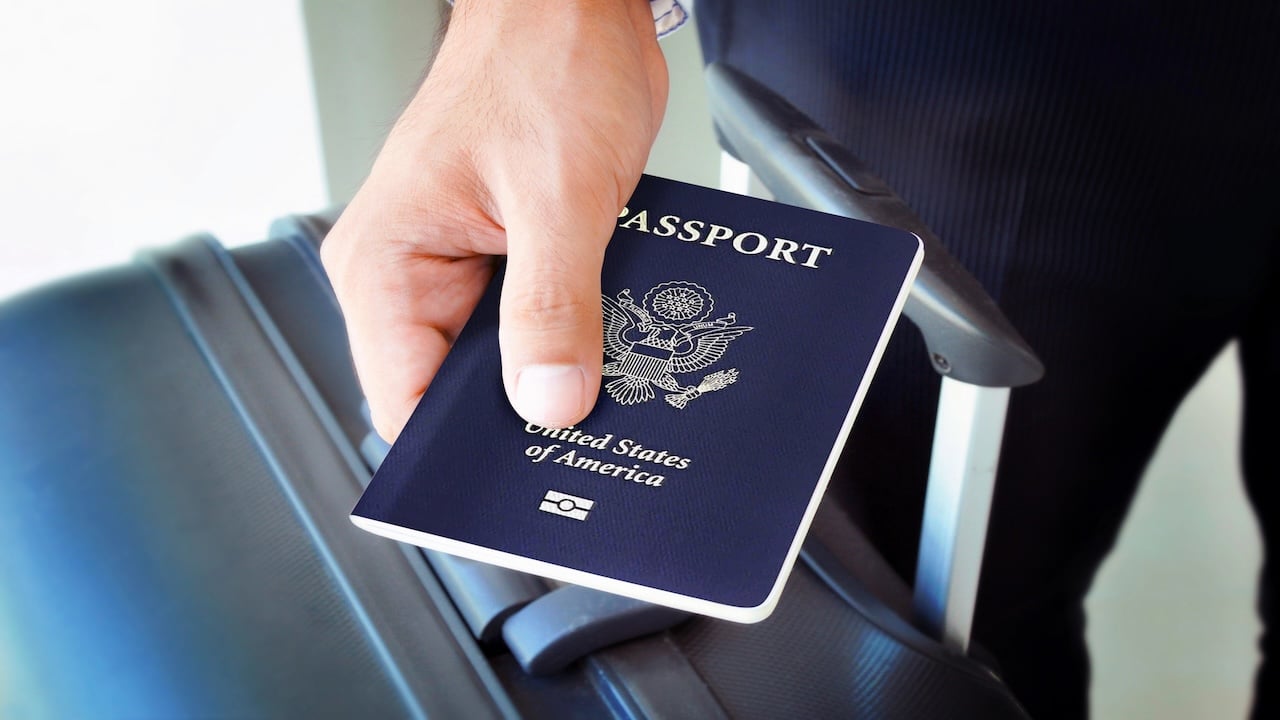
The latest Henley Passport Index rankings are out, revealing dramatic shifts in global travel freedom that reflect changing diplomatic relationships, visa reciprocity policies, and the evolving balance of international power. The 2025 rankings highlight Asia’s continued dominance at the top while exposing stark disparities for citizens of conflict-affected nations at the bottom, and mark a historic low for the United States passport.
The index, created by London-based global citizenship and residence advisory firm Henley & Partners, uses exclusive data from the International Air Transport Association (IATA) to rank 199 passports against 227 destinations based on visa-free access.
The World’s Most Powerful Passports

Asian nations continue their stronghold on the top positions, though the rankings show some movement among the elite tier:
- Singapore — With visa-free access to 193 destinations worldwide, Singapore maintains its position as holder of the world’s most powerful passport. The city-state’s strategic diplomacy and robust international relationships have cemented its citizens’ unparalleled global mobility.
- South Korea — South Korea climbed to second place with access to 190 destinations, reflecting the country’s growing diplomatic influence and expanding international partnerships.
- Japan — Japan holds third position with visa-free access to 189 countries, maintaining its status as one of Asia’s travel powerhouses despite slipping slightly from previous top rankings.
4-7. European Dominance — European nations command much of the top 10, with countries like Denmark, Finland, France, Germany, Ireland, Italy, and Spain tied in third place, while Austria, Belgium, Luxembourg, Netherlands, Norway, Portugal, and Sweden occupy fourth position.
- United Kingdom and UAE — The UK passport has dropped to its lowest-ever position at eighth place, a dramatic fall from its number-one ranking in 2015. The United Arab Emirates shares eighth place, representing one of the index’s biggest success stories after climbing 34 places over the past decade.
The top-tier passports reflect nations that prioritize diplomatic cooperation, maintain stable political environments, and foster strong international relationships, factors that translate directly into travel freedom for their citizens.
The World’s Weakest Passports
At the opposite end of the spectrum, citizens of conflict-affected nations face severe travel restrictions that reflect ongoing political instability, security concerns, and diplomatic isolation:
Last Place: Afghanistan — Afghanistan remains locked at the bottom of the rankings with visa-free access to just 24 destinations, actually losing access to two countries compared to the previous year. The Taliban’s return to power in 2021 has resulted in increased diplomatic isolation and severely restricted travel opportunities for Afghan citizens.
Second-to-Last: Syria — Syria’s passport provides visa-free entry to only 26 countries, a direct consequence of the ongoing civil war that began in 2011 and has caused massive displacement and heightened border restrictions globally.
Third-Weakest: Iraq — Iraqi passport holders can access just 29 destinations without a visa, reflecting the country’s ongoing struggles with political instability and security challenges.
Other Bottom-Tier Passports: Yemen and Pakistan (31 visa-free destinations), Somalia (33 destinations), Nepal (36 destinations), and North Korea and Bangladesh (38 destinations each) round out the bottom tier.
These nations face restrictions due to persistent conflict, terrorism, limited international recognition, political instability, and strained diplomatic relations. The consequences extend beyond travel inconvenience, citizens face delays in embassy processing, increased costs for visa services, and limited opportunities for education, medical treatment, and business development abroad.
To put the disparity in perspective: A Singaporean passport grants access to 169 more destinations visa-free compared to an Afghan passport. This dramatic gap illustrates how political circumstances can fundamentally limit citizens’ freedom of movement and opportunity.
Where the United States Ranks

Perhaps the most significant story in the 2025 rankings is the historic decline of the U.S. passport:
12th Place — For the first time in the 20-year history of the Henley Passport Index, the United States has fallen out of the top 10, dropping to 12th place (tied with Malaysia) with visa-free access to 180 destinations.
This represents a dramatic fall from grace. The U.S. passport held the number-one spot on the index in 2014, and as recently as 2024, it ranked seventh. Because Henley counts multiple countries with the same score as a single spot in its standings, there are actually 36 countries that outrank the US on the list.
What Caused the Decline?
Several factors contributed to America’s passport power erosion:
Visa Reciprocity Issues: Henley & Partners cited a lack of visa reciprocity as a primary reason for the decline, noting that American passport holders can currently access 180 destinations visa-free, but the U.S. itself allows only 46 other nationalities to enter without a visa.
Recent Policy Changes: The loss of visa-free entry to Brazil in April, exclusion from China’s expanding visa-free list, and new restrictions by Papua New Guinea and Myanmar all contributed to the fall. Most recently, Vietnam’s exclusion of the U.S. from its newly released visa-free list dealt a final blow.
Rising Costs: The cost of the Electronic System for Travel Authorization (ESTA) nearly doubled on September 30, 2025, from $21 to $40, making U.S. travel more expensive for visitors and potentially inviting retaliatory measures.
Trump Administration Policies: The report cites Trump’s suspension of visa issuance to travelers from 12 nations in Africa, the Middle East, and Southeast Asia, his imposing “heavy restrictions on an additional seven,” and the State Department’s review of records for more than 55 million U.S. visa holders for potential violations.
Expert Analysis:
Christian Kaelin, chairman of Henley & Partners and creator of the index, stated: “The declining strength of the US passport over the past decade is more than just a reshuffle in rankings, it signals a fundamental shift in global mobility and soft power dynamics. Nations that embrace openness and cooperation are surging ahead, while those resting on past privilege are being left behind.”
Annie Pforzheimer, Senior Associate at the Center for Strategic and International Studies in Washington, commented: “Even before a second Trump presidency, U.S. policy had turned inward. That isolationist mindset is now being reflected in America’s loss of passport power.”
American Response:
Henley’s report also found an “unprecedented” surge in Americans seeking alternative residences and citizenship options, noting that by the end of the third quarter of 2025, there had already been a 67% increase in applications from U.S. nationals compared to the total for 2024.
The Bigger Picture
The 2025 passport rankings tell a story about shifting global power dynamics and the principle of reciprocity in international relations. While Asia continues its ascent, China has climbed from 94th place in 2015 to 64th in 2025, adding 37 new destinations offering visa-free access, traditional Western powers are experiencing decline.
The rankings demonstrate that passport power isn’t static. It reflects diplomatic relationships, security perceptions, economic ties, and increasingly, the principle of reciprocity. Countries that restrict entry to others often find their own citizens facing similar barriers, a lesson the United States is learning as it falls down the rankings.
For travelers, passport rankings matter beyond bragging rights. They affect the ease of international business, educational opportunities, family visits, and leisure travel. Citizens of top-ranked countries enjoy seamless global mobility, while those at the bottom face constant obstacles, delays, and rejections.
Bottom Line
The 2025 passport rankings reveal a world where Asian nations dominate travel freedom, conflict-affected countries face severe restrictions, and the United States has fallen from its pedestal for the first time in two decades. Singapore’s citizens can visit 193 destinations without bureaucratic hassle, while Afghan passport holders can access only 24, a disparity that reflects broader global inequalities and power dynamics.
For the United States, the drop to 12th place serves as a wake-up call about the consequences of restrictive immigration policies and lack of visa reciprocity. As other nations expand cooperation and embrace openness, America’s “past privilege” no longer guarantees travel freedom. The message is clear: in an interconnected world, isolationist policies ultimately restrict your own citizens’ mobility.
The rankings will continue evolving as diplomatic relationships shift, but the fundamental principle remains, nations that facilitate travel for others see their own citizens benefit in return. Those that erect barriers shouldn’t be surprised when doors close to their passport holders in response.