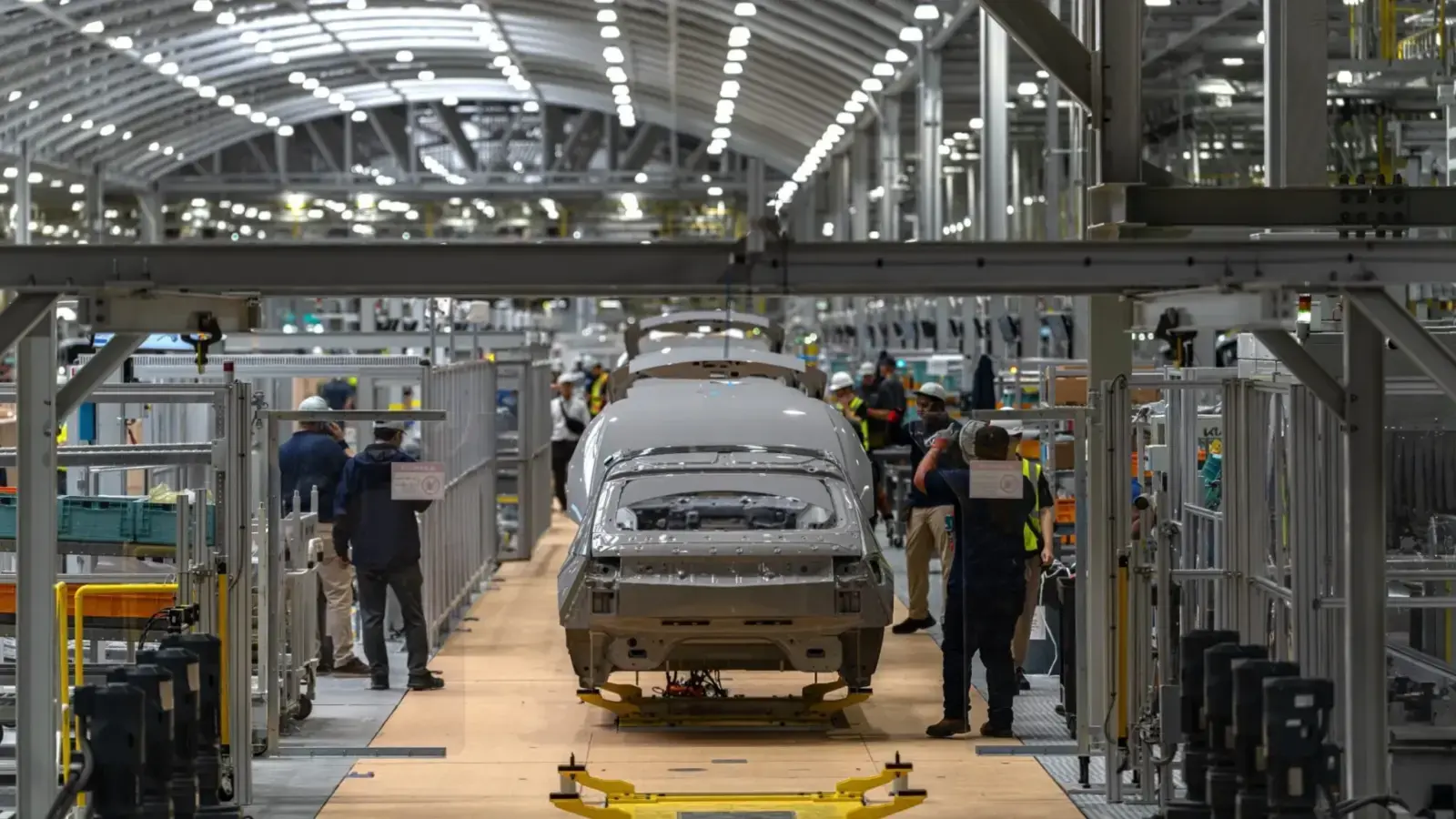
Hyundai’s already enormous Georgia Metaplant could be about to get considerably bigger. The automaker is considering raising annual production capacity to as many as 800,000 vehicles by 2028, a move that could turn the facility into the largest vehicle assembly plant in the United States.
The expansion has not yet been approved, but Hyundai CEO José Muñoz says the company is evaluating increasing capacity from the currently planned 500,000 vehicles to somewhere between 700,000 and 800,000 annually. If Hyundai follows through, the Georgia operation would surpass major factories operated by companies including Toyota and Tesla in terms of potential annual vehicle output.
There are several reasons Hyundai wants substantially more American production, although President Donald Trump’s tariffs are accelerating the decision. Imports from South Korea currently face a 15% tariff, making locally assembled vehicles increasingly attractive for a company whose U.S. sales have grown rapidly in recent years.
Hyundai was already building out its American manufacturing footprint before the latest tariffs arrived, so this is not a case of the policy creating the Georgia investment from scratch. Instead, Muñoz says tariffs are speeding up localization plans that were already well underway.
Hyundai Could Build 800,000 Cars A Year In Georgia
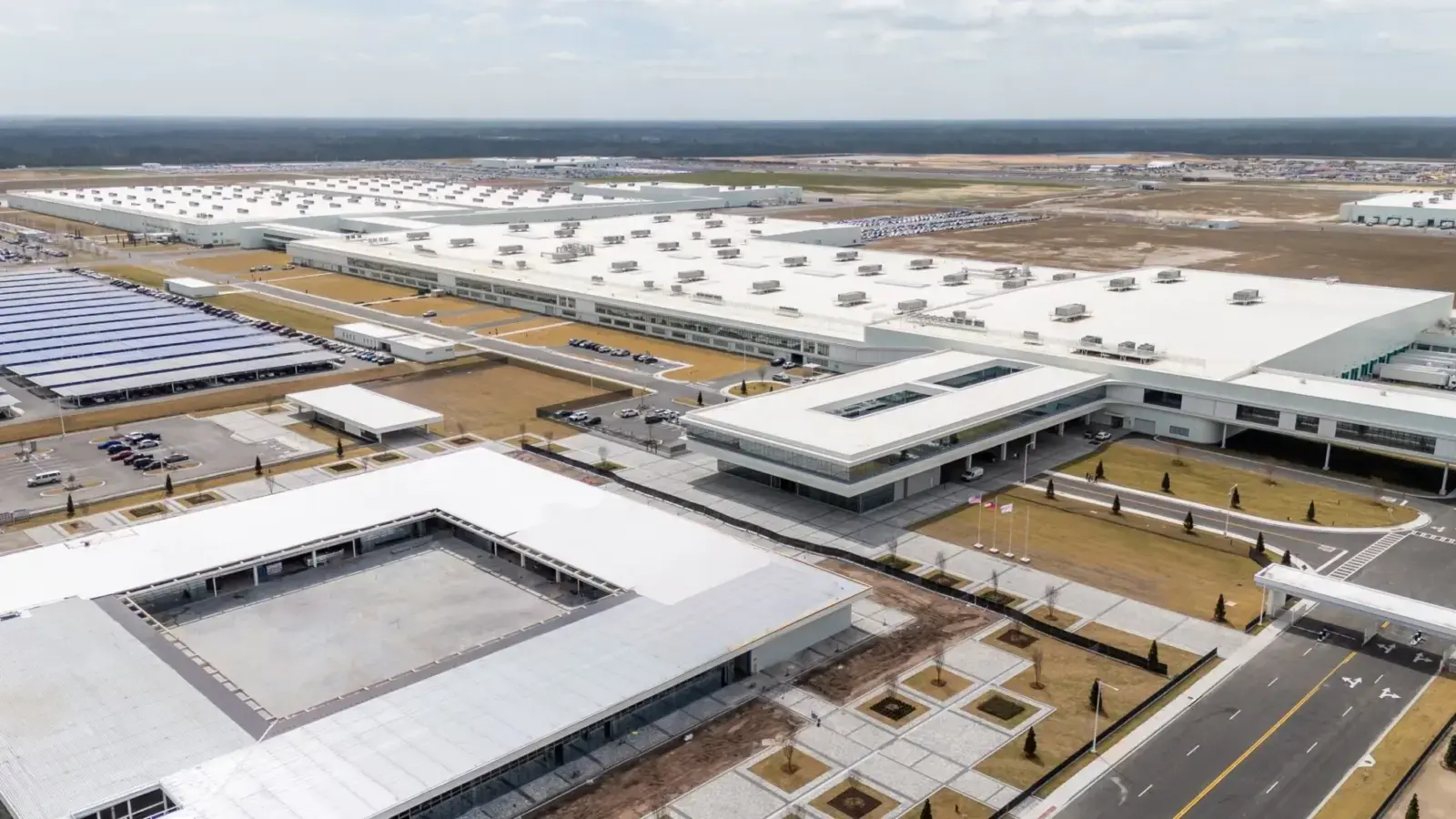
Hyundai initially announced the Georgia Metaplant in 2022, with the company subsequently expanding both the scale and ambition of the project. The facility represents roughly $7.6 billion in investment and currently produces the Hyundai Ioniq 5, Ioniq 9, and Kia Sportage Hybrid.
The existing plan calls for production capacity of around 500,000 vehicles per year. Speaking to CNBC, however, Muñoz said Hyundai is now considering pushing that figure to between 700,000 and 800,000 units by 2028.
Hyundai later emphasized that those larger figures remain under consideration rather than representing a finalized expansion. Even so, getting anywhere close to the upper end would turn the Metaplant into one of the most important automotive manufacturing sites in North America.
Trump’s Tariffs Are Accelerating Hyundai’s Plans
Hyundai’s strategy increasingly revolves around building the vehicles it sells in America inside America. The company wants at least 80% of its U.S.-market vehicles to be domestically produced by the end of the decade, up from approximately 40% in 2024.
That objective already required significantly more factory capacity, but tariffs have made localization more urgent. “Tariffs are helping accelerate our localization plan,” Muñoz told CNBC, adding that Hyundai had fortunately begun moving in this direction before the new trade measures were introduced.
South Korean vehicle imports currently face a 15% tariff, giving Hyundai another financial reason to reduce its reliance on imported vehicles. Expanding Georgia production could therefore help the automaker avoid some tariff exposure while shortening supply chains and building models closer to one of its biggest customer bases.
Hyundai Is Spending $26 Billion In America
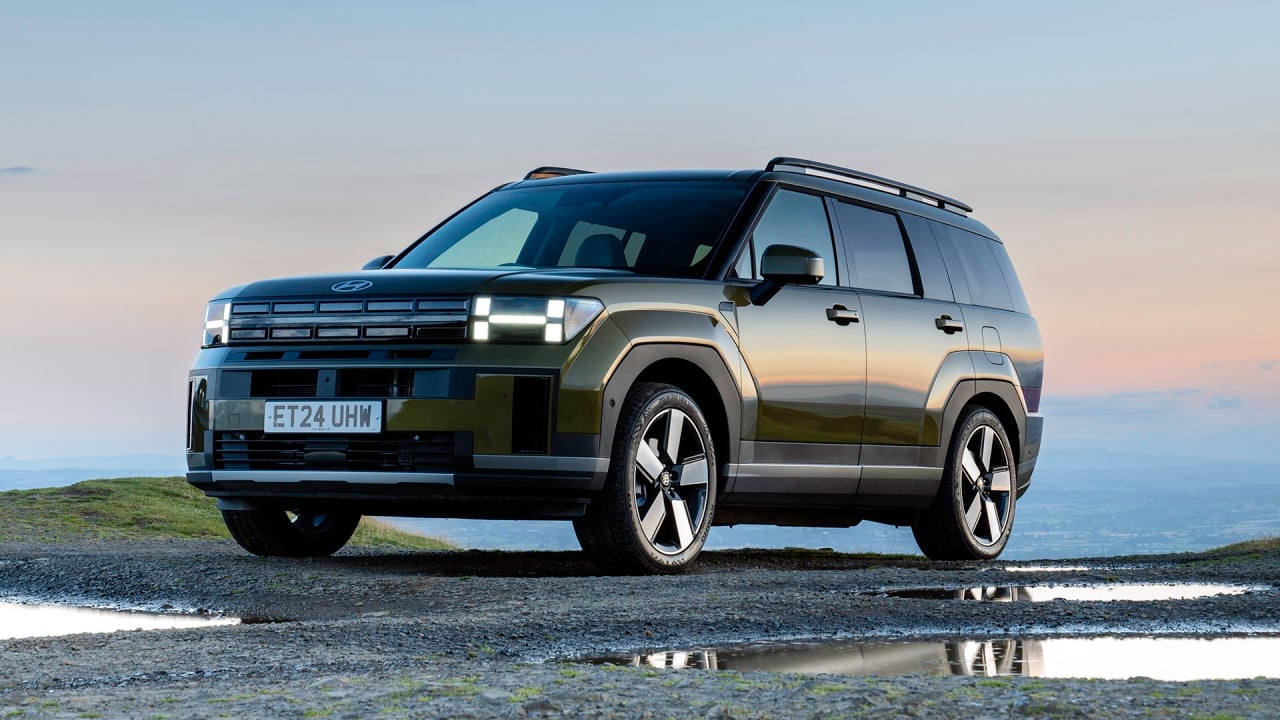
Any additional Georgia expansion would fall under Hyundai’s previously announced plan to invest $26 billion in the United States through 2028. That spending covers manufacturing, new products, and broader localization efforts as Hyundai, Kia, and Genesis continue expanding their American presence.
The Georgia Metaplant alone is expected to create thousands of jobs. The current 500,000-unit plan calls for more than 8,500 employees at the megasite, with another approximately 6,900 workers employed by nearby suppliers.
Hyundai’s sales performance gives the company plenty of incentive to keep investing. Combined U.S. sales across Hyundai Motor Group brands have increased by nearly 50% this decade, while market share climbed from 8.4% in 2020 to 11.2% last year, according to Mobility Global data cited by CNBC.
Trucks And SUVs Could Require Even More Capacity
The Georgia plant may not be the end of Hyundai’s American manufacturing push. Muñoz also confirmed that the company is evaluating additional U.S. investment for body-on-frame trucks and SUVs, although he stopped short of revealing where those vehicles could be built.
That is particularly interesting given Hyundai’s ambitions in rugged SUVs and pickups. A dedicated American-built body-on-frame truck would push the company deeper into segments dominated by vehicles such as the Toyota Tacoma, Ford Ranger, Jeep Wrangler, and Toyota 4Runner.
For now, the headline number is the possible 800,000-vehicle Georgia output. Hyundai has not committed to reaching it yet, but tariffs, booming U.S. sales, and an aggressive localization target are all pointing in the same direction.
If the expansion goes ahead, Hyundai’s relatively new Georgia factory could become America’s biggest vehicle assembly operation only a few years after opening. That would be a remarkable transformation for a company that was importing the majority of its U.S.-market vehicles only a few years ago.