
Rising sea levels are no longer a distant warning but a visible reality reshaping coastlines around the world. In many beach towns, erosion, flooding, and saltwater intrusion are already altering daily life, infrastructure, and local economies. Streets that once stayed dry now flood regularly, beaches shrink year by year, and homes face increasing risk from storms and tides. These changes are forcing communities to adapt, relocate, or reconsider their future entirely. What were once postcard-perfect seaside destinations are now on the front lines of climate change.
For residents and visitors alike, these towns tell an urgent story about vulnerability and resilience. Some are investing in sea walls, dune restoration, and elevated buildings, while others face difficult conversations about managed retreat. Tourism, fishing, and cultural heritage are all affected as coastlines slowly disappear. The following fifteen beach towns illustrate how rising sea levels are transforming beloved coastal places, serving as powerful reminders that the impacts of climate change are happening now, not someday in the future.
Miami Beach, Florida

Miami Beach is experiencing some of the most visible impacts of rising sea levels in the United States. Streets regularly flood during high tides, even without storms, a phenomenon known as sunny-day flooding. Saltwater intrusion damages roads, underground utilities, and building foundations. The city has invested heavily in pumps, raised streets, and sea walls, yet flooding continues to worsen. Luxury condos and historic Art Deco buildings are increasingly at risk. Miami Beach illustrates how even wealthy coastal towns are struggling to keep pace with rising seas.
Beyond infrastructure, daily life in Miami Beach is changing. Residents plan routines around tide schedules, and insurance costs continue to rise. Some longtime homeowners are selling, while new developments attempt to adapt through elevated designs. Beaches require constant replenishment as erosion accelerates. Tourism remains strong, but long-term sustainability is uncertain. Miami Beach stands as a global example of how climate change directly threatens coastal urban life.
Venice, Italy
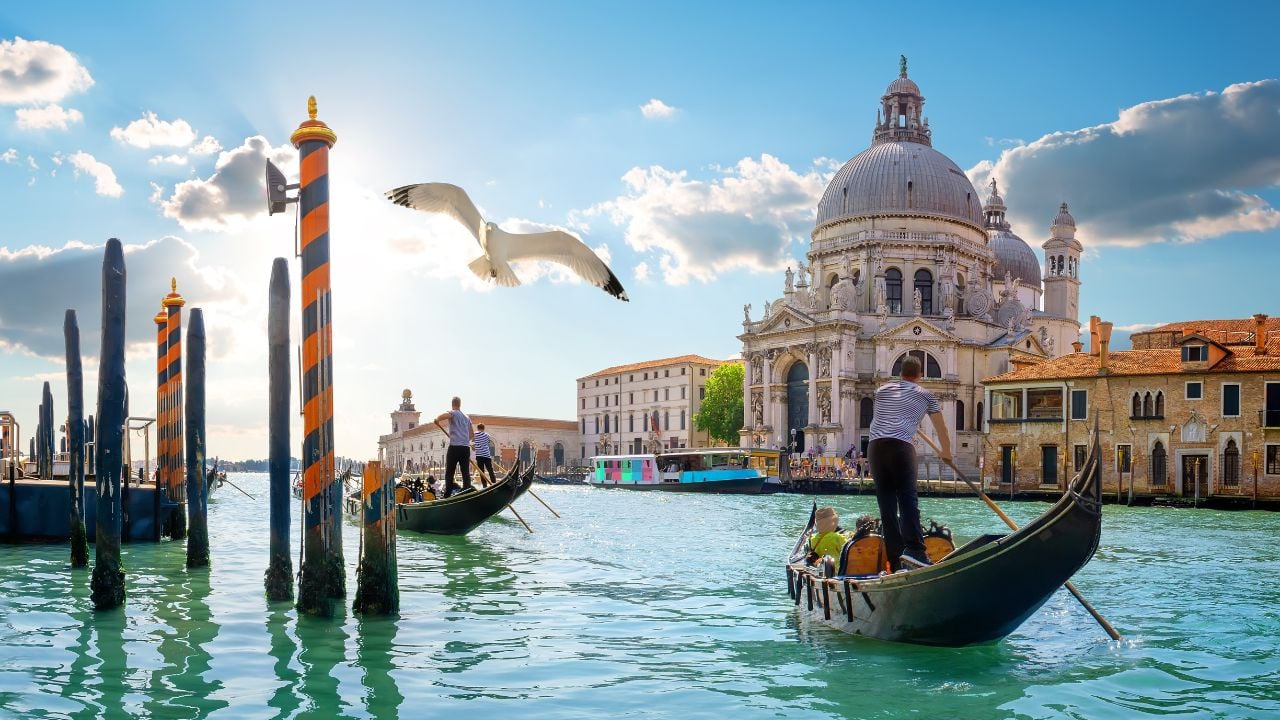
Venice has battled rising water for centuries, but climate change has intensified the challenge dramatically. Acqua alta flooding events are becoming more frequent and severe, submerging streets, shops, and historic landmarks. Sea level rise combines with land subsidence, worsening the problem. The MOSE barrier system was designed to protect the city, yet it remains controversial and costly. Venice’s fragile architecture and cultural heritage face constant exposure to saltwater damage.
Daily life in Venice is increasingly disrupted by flooding. Residents rely on raised walkways, waterproof barriers, and constant maintenance. Businesses suffer repeated losses during flood events. Tourism continues, but preservation costs are soaring. Younger residents are leaving, concerned about the city’s future. Venice represents the struggle between engineering solutions and the relentless force of rising seas threatening one of the world’s most iconic beach-adjacent cities.
Maldives – Malé
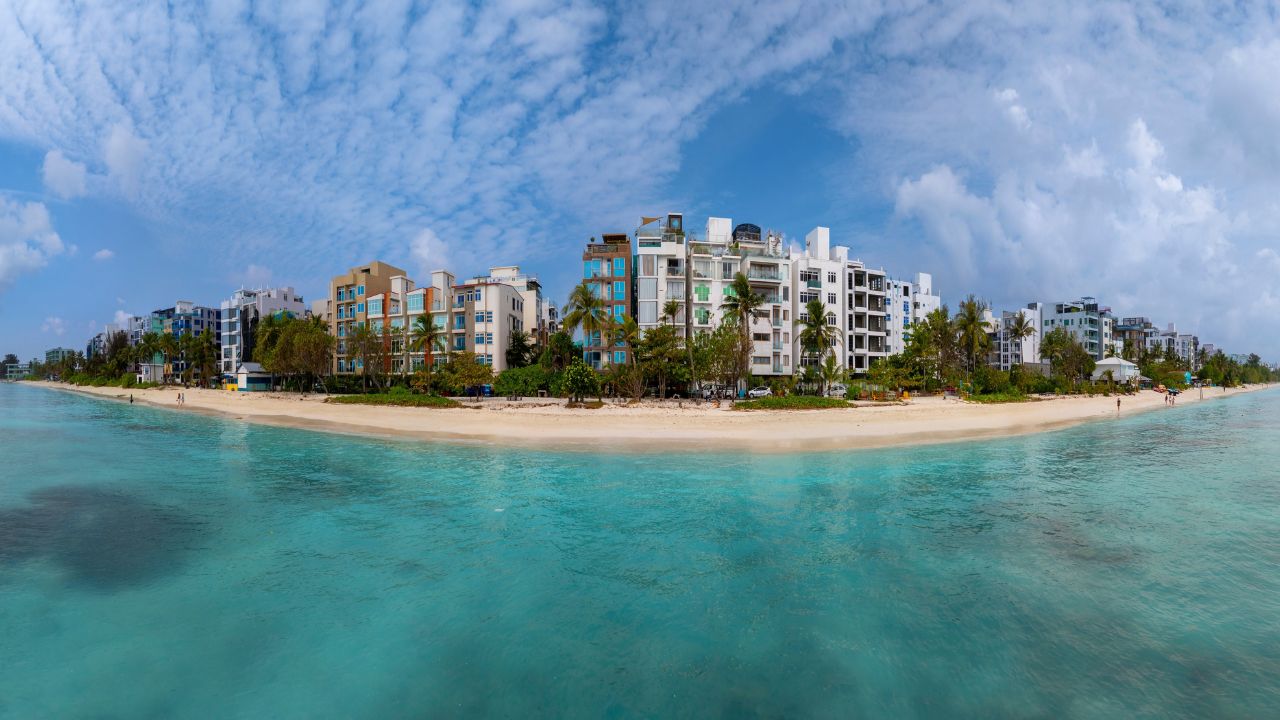
Malé, the capital of the Maldives, sits just a few feet above sea level, making it one of the most vulnerable cities on Earth. Rising oceans threaten homes, infrastructure, and freshwater supplies. Artificial sea walls protect parts of the city, but outer islands face severe erosion. Storm surges increasingly flood residential areas. The entire nation confronts the possibility of displacement within this century.
Life in Malé is shaped by constant adaptation. Construction increasingly focuses on elevated or artificial islands. Drinking water and food security are ongoing concerns. Tourism funds many defenses, yet local communities remain exposed. The Maldivian government has openly discussed relocation options abroad. Malé symbolizes an existential threat, where rising sea levels challenge not just a town, but national survival.
Margate, New Jersey, USA
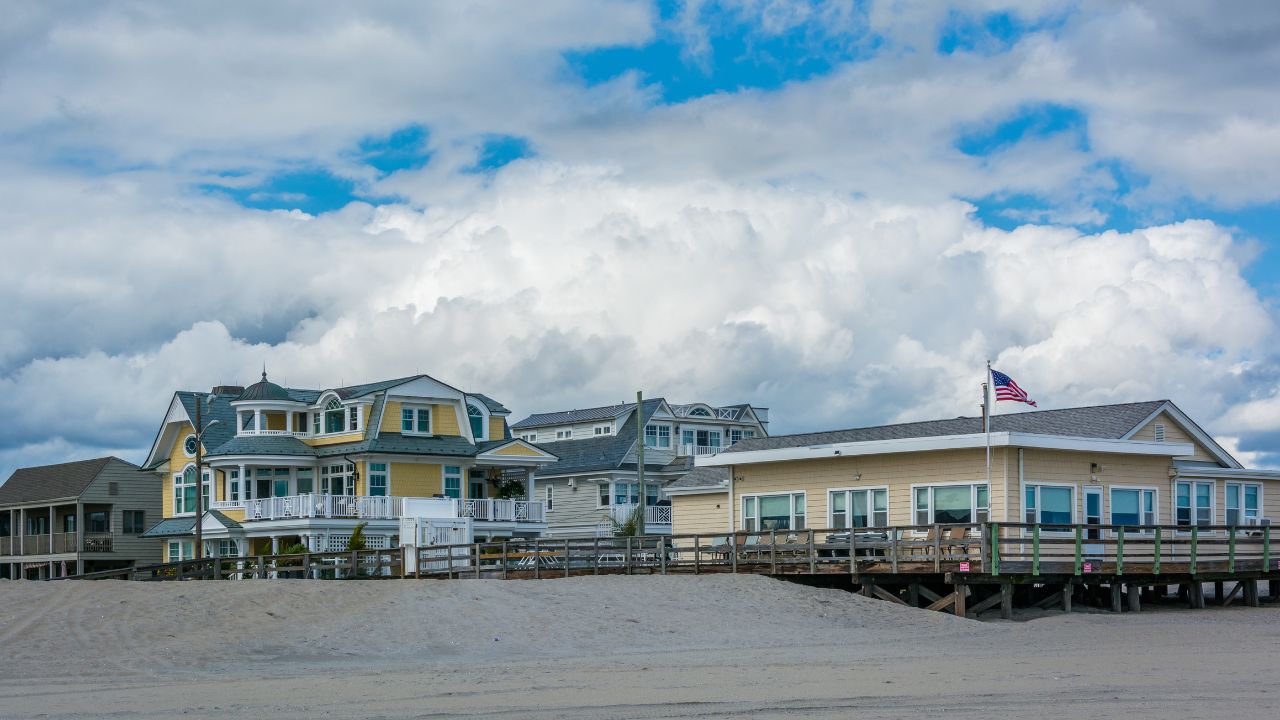
Margate is a small coastal community known for its beaches and tourist appeal. Rising sea levels and frequent storms threaten homes and local infrastructure along the shore. Beaches shrink each year, and streets and parking areas flood regularly. The town invests in seawalls, elevated streets, and long-term adaptation plans to protect its coastline. Residents are already considering adjustments, and property owners are assessing long-term safety. Margate illustrates how even smaller American coastal towns feel the pressure of climate change.
Daily life in Margate involves adapting to recurring floods. Events, seasonal jobs, and tourism are frequently affected. Homes are elevated, and public infrastructure is reinforced. Flooding impacts transportation and daily routines. At the same time, the community organizes long-term resilience and environmental protection efforts. Margate demonstrates how climate change alters small coastal towns, reshaping daily life, local economies, and long-term community planning.
Jakarta, Indonesia

Jakarta is sinking faster than almost any major coastal city, combining rising sea levels with rapid land subsidence. Large portions of the city flood regularly, affecting millions. Sea walls and massive coastal barriers are under construction, yet progress struggles to match the scale of the problem. Entire neighborhoods sit below sea level. Saltwater intrusion contaminates drinking water supplies.
Daily life in Jakarta involves constant adaptation to floods. Roads become canals, homes are raised, and communities rely on makeshift defenses. The government has announced plans to move the national capital. Coastal districts face worsening poverty and displacement. Jakarta demonstrates how rising seas intersect with urban growth, inequality, and infrastructure strain in dramatic and dangerous ways.
Norfolk, Virginia
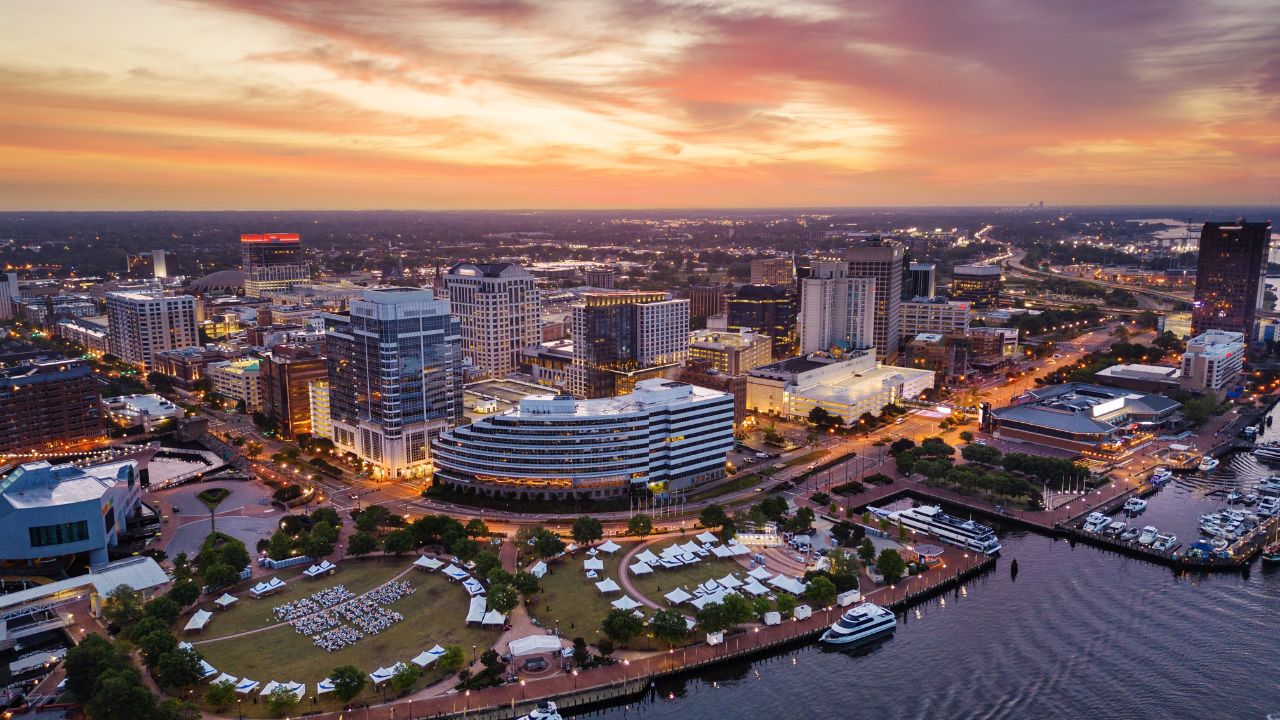
Norfolk is one of the fastest-sinking coastal cities on the United States East Coast, making it especially vulnerable to rising sea levels. High-tide flooding has become a regular occurrence, often inundating streets without any rainfall. The combination of sea level rise and land subsidence accelerates damage to roads, homes, and utilities. Norfolk’s role as a major naval hub adds national security concerns to the environmental threat. Aging infrastructure struggles to cope with frequent saltwater exposure. The city faces growing pressure to redesign entire neighborhoods for resilience.
For residents, flooding is now part of daily life rather than a rare emergency. Commutes are disrupted, property values fluctuate, and insurance costs continue to rise. The city invests in resilience planning, wetland restoration, and flood adaptation strategies. However, long-term solutions remain costly and uncertain. Some neighborhoods are already experiencing population decline. Norfolk highlights how rising seas threaten not only beach towns but strategically vital American cities.
Kiribati – South Tarawa
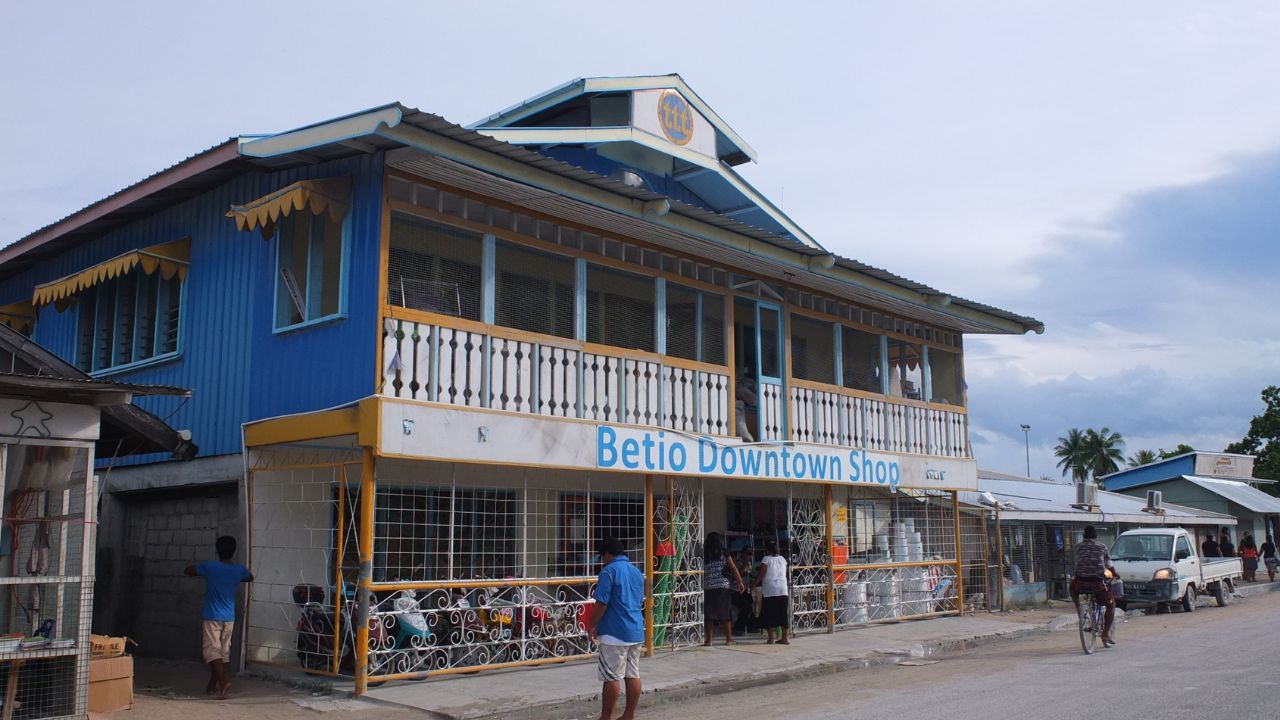
South Tarawa, the capital of Kiribati, is one of the most threatened urban areas in the Pacific. Narrow strips of land sit only feet above sea level, leaving little natural protection. Rising seas regularly flood homes, roads, and public buildings. Freshwater supplies are contaminated by saltwater intrusion. Overcrowding worsens the impact of each flood event. Climate change here is not theoretical, but immediate.
Daily life in South Tarawa requires constant adaptation. Families raise homes, move frequently, and rely on rainwater collection. Food security declines as soil salinity increases. The government has taken unprecedented steps, including purchasing land abroad for possible relocation. Cultural identity is deeply tied to land now disappearing. South Tarawa represents a frontline community facing the possibility of becoming stateless due to rising seas.
Galveston, Texas

Galveston’s low elevation makes it highly vulnerable to rising sea levels and intensified storm surges. The city has a long history of hurricanes, but climate change increases both frequency and impact. Beaches erode rapidly, requiring constant replenishment. Historic neighborhoods face flooding risks that worsen each year. The iconic seawall offers protection but is no longer sufficient alone. Infrastructure built decades ago strains under new conditions.
Residents face mounting financial pressure from repairs and insurance costs. Tourism remains essential, yet increasingly fragile. Long-term proposals include massive coastal barrier systems similar to those used in other vulnerable regions. Some homeowners choose to leave rather than rebuild repeatedly. Galveston illustrates how historic beach towns struggle to preserve identity while confronting an uncertain future shaped by rising seas.
Tangier Island, Virginia
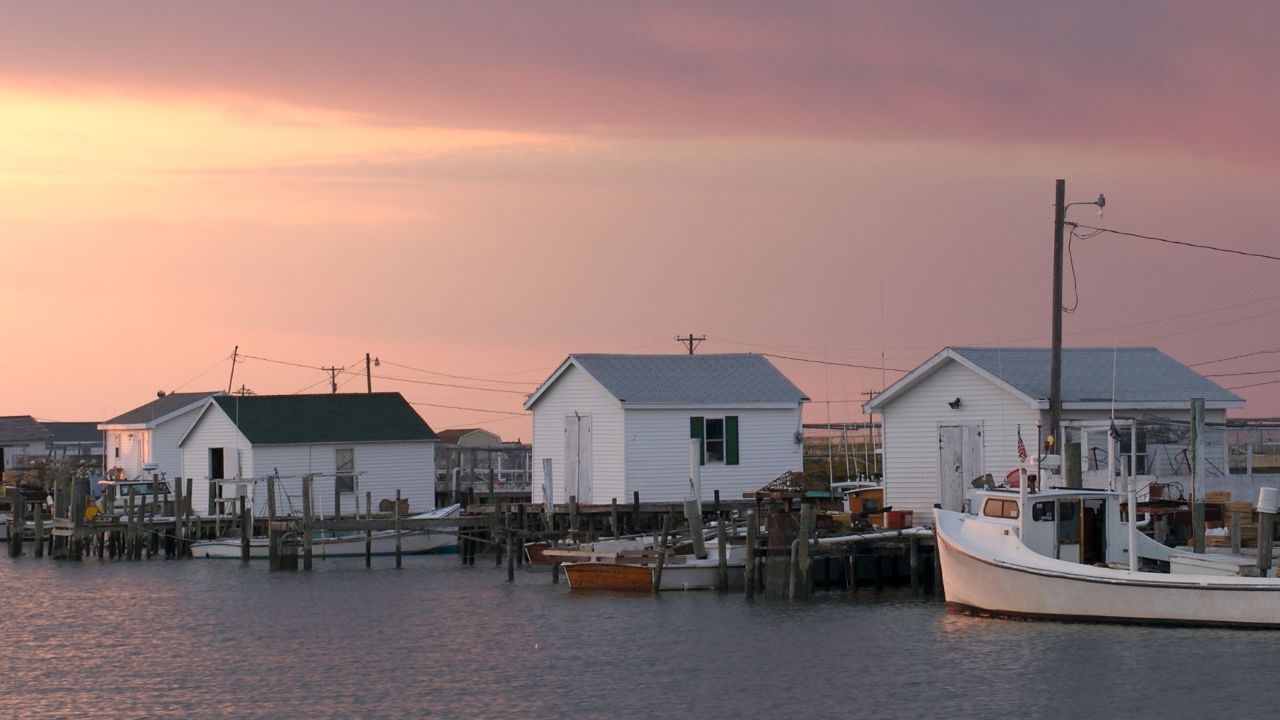
Tangier Island has become one of the most visible examples of land loss in the Chesapeake Bay. Rising sea levels and erosion have already consumed large portions of the island. Homes sit dangerously close to the shoreline. The fishing-based economy is shrinking as waters encroach. Without intervention, scientists predict the island could become uninhabitable within decades.
Life on Tangier Island involves constant adjustment and loss. Families relocate as land disappears beneath their feet. Cultural traditions tied to the island’s geography face extinction. Efforts to build protective barriers face funding and political challenges. Younger generations often leave permanently. Tangier Island demonstrates how rising seas erase not just property, but entire communities and histories.
Bangkok, Thailand

Bangkok’s coastal and river-adjacent districts face increasing flooding due to rising sea levels combined with rapid land subsidence. Heavy urban development and over-extraction of groundwater worsen the problem. Drainage systems often fail during storms, inundating neighborhoods. Critical infrastructure, including roads and commercial areas, experiences repeated damage.
Residents frequently face disruptions to daily life, including transportation, utilities, and property damage. The city government has initiated flood management projects, but population density limits effectiveness. Rising seas threaten both economic activity and residential stability, highlighting how megacities must confront complex climate challenges that intertwine environmental, social, and infrastructural vulnerabilities in densely populated areas.
Daily life in Bangkok is increasingly shaped by flood risks. Elevated homes, raised walkways, and temporary barriers are now common. Streets often remain impassable during heavy tides, forcing adjustments to commuting and business operations. Public health concerns grow as stagnant water increases disease risk. Insurance costs rise while informal settlements remain highly exposed.
Urban planners implement ambitious projects to mitigate flooding, yet challenges persist. The city illustrates how rising seas impose tangible, ongoing threats, compelling both residents and governments to develop long-term adaptive strategies while maintaining economic, cultural, and social functions in a highly populated coastal environment.
Alexandria, Egypt

Alexandria, located on the Mediterranean coast, experiences accelerated erosion and flooding due to rising sea levels. Both historic districts and modern neighborhoods face repeated water intrusion. Saltwater damages foundations, roads, and farmland, while protective seawalls and dikes provide only partial defense. The city relies on complex infrastructure upgrades, yet maintenance and modernization lag behind the pace of coastal change.
Cultural heritage sites, including ancient monuments and historic homes, are increasingly exposed. Residents face disruptions to transportation, utilities, and daily routines. Rising seas directly threaten livelihoods, property values, and urban stability, emphasizing the urgency of coordinated planning, sustainable interventions, and public awareness to safeguard one of Egypt’s most iconic coastal cities.
Daily life in Alexandria involves constant adaptation. Street flooding affects commuting and commercial activity. Elevated buildings, sandbags, and temporary barriers are widely used. Freshwater contamination from saltwater intrusion complicates daily needs. Residents face rising insurance premiums and property loss risk. Tourism, a vital economic sector, experiences instability during flood events.
Urban planning focuses on resilience strategies, yet rapid sea level rise outpaces implementation. Alexandria exemplifies how historical, economic, and social systems are all vulnerable to climate-induced sea level changes, forcing residents and authorities to balance preservation, modern living, and adaptation in a city with centuries of coastal significance.
Pismo Beach, Chile

Pismo Beach is a quiet coastal town in Chile facing rising seas and stronger ocean waves. The shoreline is shrinking, sand dunes are disappearing, and flooding affects boardwalks and nearby homes. Infrastructure, including roads and drainage systems, requires constant maintenance. The local community develops protection strategies, including elevated buildings and improved drainage systems. Tourism and fishing, key sources of income, are increasingly at risk. Pismo Beach shows how even remote, relatively calm coastal towns feel the effects of climate change and rising oceans.
Residents of Pismo Beach carefully monitor tides and adjust daily routines. Beaches and coastal structures need continual repair. Local fisheries and agriculture face challenges from flooding. The tourism sector plans long-term adaptations to secure income. Infrastructure, including streets and pedestrian paths, is regularly repaired. The town demonstrates how rising sea levels affect daily life, the economy, and local culture even in lesser-known coastal communities.
Lagos, Nigeria
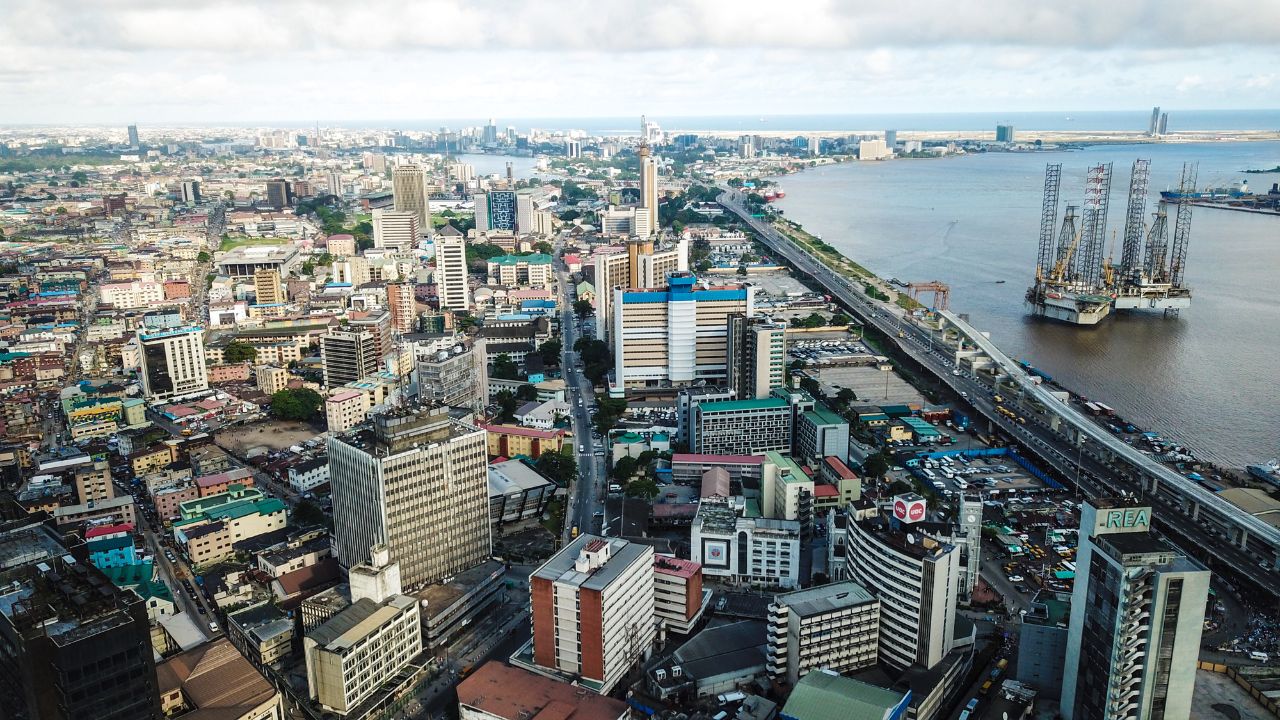
Lagos is highly vulnerable to rising sea levels, with coastal neighborhoods experiencing frequent flooding. Informal settlements, densely populated and poorly serviced, face the greatest risks. Storm surges, tidal flooding, and coastal erosion damage homes, roads, and infrastructure regularly. Rising seas exacerbate existing social inequalities, making wealth and access to services crucial for resilience.
The city invests in drainage, embankments, and flood prevention projects, yet rapid urbanization challenges implementation. Daily economic and social activities are disrupted, affecting millions. Lagos demonstrates how climate change interacts with rapid population growth, informal housing, and urban sprawl, creating complex vulnerabilities where environmental, economic, and social systems are deeply intertwined.
Life in Lagos requires constant adaptation to floods. Residents elevate homes, use makeshift barriers, and adjust travel plans frequently. Markets, schools, and workplaces are often affected, reducing productivity and income. Public health concerns increase due to stagnant water and inadequate sanitation. Government flood response plans are ongoing but insufficient for densely populated areas.
Communities develop local coping strategies while advocating for better infrastructure. Lagos exemplifies how megacities in developing nations must balance immediate human needs with long-term climate adaptation, as rising seas threaten everyday life, livelihoods, and urban stability across one of Africa’s largest coastal urban centers.
Venice Beach, California
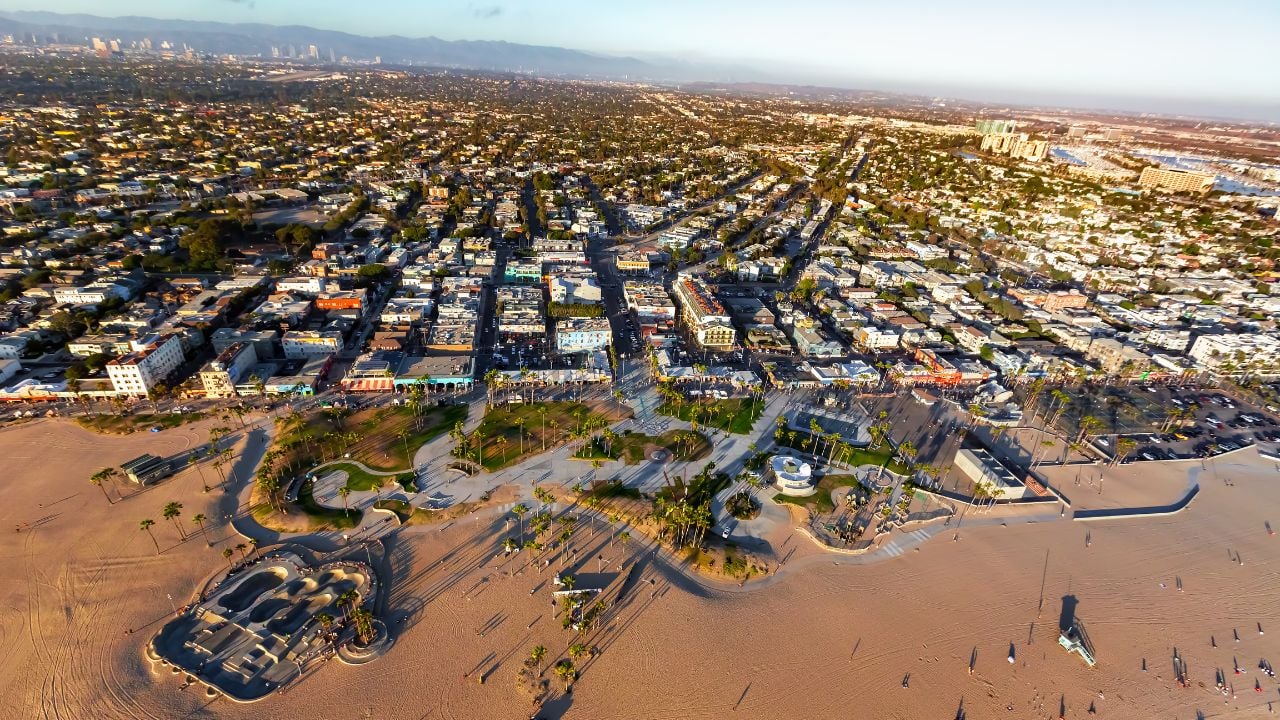
Venice Beach faces significant erosion and flooding as the Pacific Ocean rises. Boardwalks, beachfront homes, and infrastructure are increasingly exposed to high tides and storm surges. Beach nourishment projects are ongoing but provide only temporary relief. Rising sea levels threaten tourism, local businesses, and real estate values. Flooding and wave action damage roads, parking areas, and pedestrian spaces.
Coastal adaptation plans include dune restoration, seawalls, and elevated structures, yet the pace of change challenges sustainability. Venice Beach serves as a vivid example of how iconic American coastal towns are directly affected by climate change, combining environmental, social, and economic vulnerability along a heavily developed shoreline.
Residents and business owners contend with persistent threats from the ocean. Insurance costs rise, and property maintenance becomes a constant concern. Boardwalks and public spaces require repeated repair. Seasonal flooding disrupts tourism revenue and local activities. Long-term strategies include community planning, infrastructure investment, and managed retreat discussions.
Public awareness of climate risk is growing alongside activism. Venice Beach demonstrates how rising seas impose both practical and cultural challenges, forcing a well-known coastal community to reconcile daily life, economic interests, and environmental realities in a future increasingly shaped by climate change.