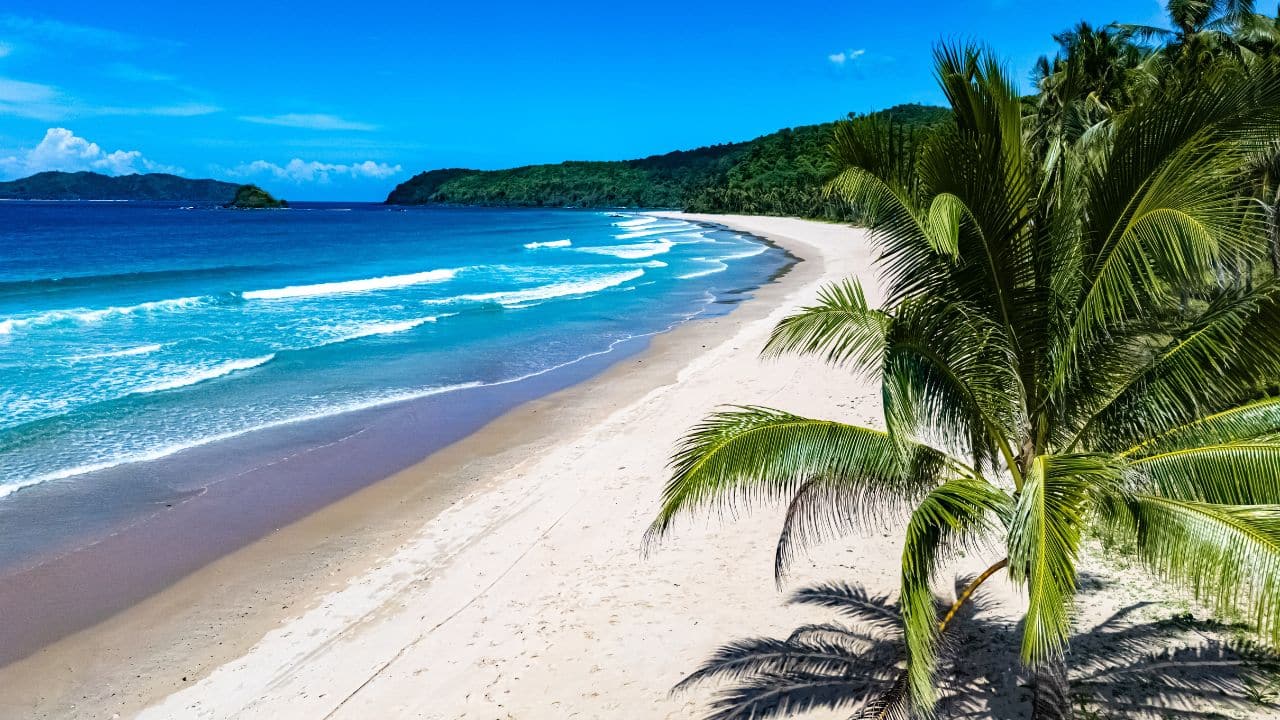
When travelers dream of white sand, turquoise lagoons, and postcard-perfect seascapes, the Maldives usually dominates the conversation. But across Asia lie dozens of beaches that offer the same crystal-clear water and luxury-meets-nature beauty, often with fewer crowds and at a fraction of the cost. From untouched Philippine islands to dramatic Thai coastlines and remote Indian Ocean gems, these destinations deliver Maldivian magic without requiring Maldivian budgets.
What sets these beaches apart isn’t just their scenery, but the sense of discovery that comes with visiting them. Many remain under-the-radar, protected by geography, limited infrastructure, or simply lack of international marketing. Their quiet shores often feel more intimate and immersive than the Maldives, and the surrounding cultures add layers of experience you simply won’t find in a private-island resort chain. This is beach travel with more dimension, food, history, nature, local traditions, and wild landscapes all woven together.
If you’re dreaming of overwater-bungalow vibes, translucent lagoons, or powder-soft sand but want something fresh, authentic, and more accessible, these 11 Asian beaches offer the perfect alternative. These aren’t backup plans, they’re full-fledged rivals.
El Nido, Palawan — Philippines
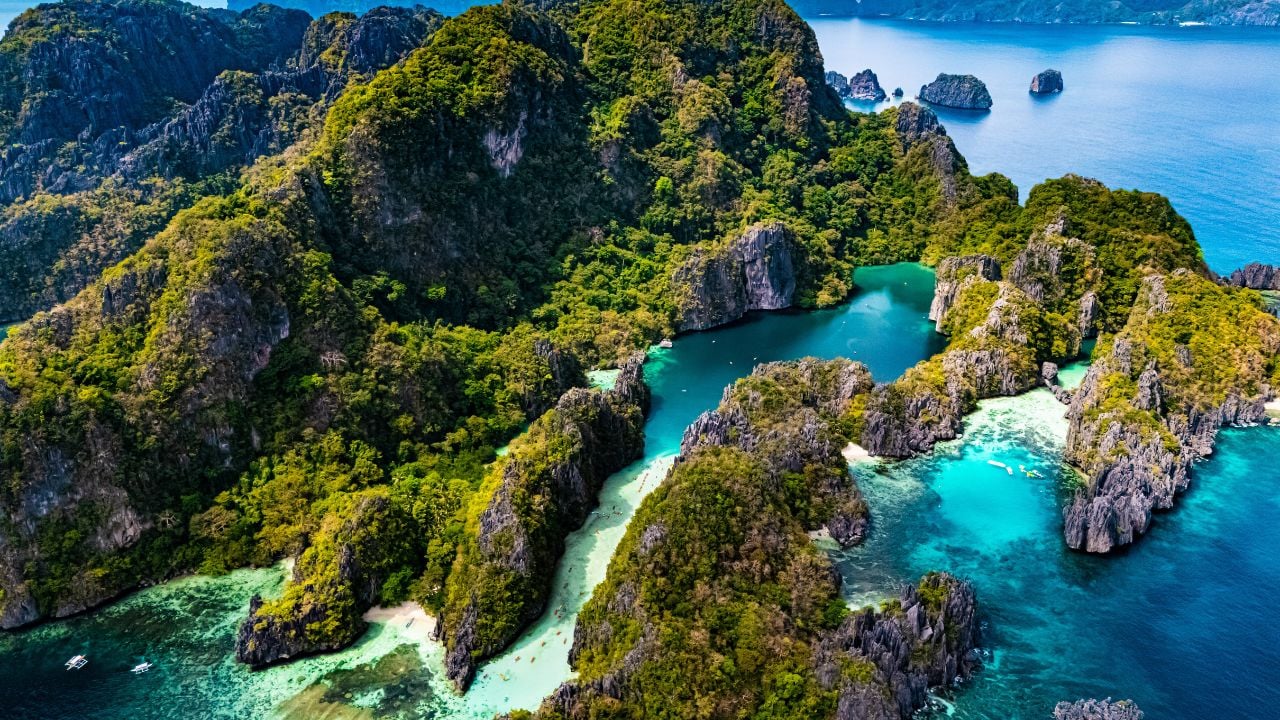
El Nido’s lagoons look almost unreal, with water so clear it mirrors the cliffs rising dramatically from the sea. The beaches here are some of the softest and whitest in Southeast Asia, easily matching the Maldives in clarity and color. What makes El Nido special is the combination of limestone karsts and turquoise oceans, a visual drama that the Maldives, for all its beauty, simply doesn’t have. Every cove feels tucked away and cinematic, and hopping between islands is part of the adventure.
Beyond the beaches, El Nido offers something the Maldives rarely does: raw, unfiltered nature accessible to everyone. Travelers can kayak into hidden caves, snorkel vibrant reefs just meters from shore, or simply lounge under coconut trees with mountain silhouettes behind them. Even the busiest beaches have pockets of calm, while the remote ones feel untouched and wild. It’s paradise, but with texture and depth.
And unlike the Maldives’ typically high-end exclusivity, El Nido caters to all budgets. Eco lodges, boutique resorts, and small guesthouses coexist, giving visitors far more freedom to shape their trip. The local food scene is lively, boat tours are affordable, and the overall vibe is adventurous yet peaceful, making it a perfect Maldivian alternative.
Koh Lipe — Thailand

Koh Lipe often gets called “the Maldives of Thailand,” and it’s easy to see why: the water here glows an impossible shade of turquoise, and the reefs are startlingly close to shore. The island remains walkable, charming, and intimate, giving visitors that small-island feel without isolation. Sunrise Beach, Sunset Beach, and Pattaya Beach each deliver their own version of barefoot bliss, and the sand resembles the Maldives’ iconic powdery texture.
What truly elevates Koh Lipe is its marine life. Located in Tarutao National Marine Park, the waters surrounding the island are some of Thailand’s healthiest. Massive schools of fish, vibrant coral gardens, and even passing turtles offer snorkeling and diving experiences that rival, and sometimes surpass, Maldivian reefs. Unlike the Maldives, you don’t need a boat or an expensive excursion; some of the best coral lies just steps into the sea.
Yet Koh Lipe avoids feeling commercialized. There are no towering resorts, no massive developments, just low-key beach bungalows and small boutique hotels that preserve the natural beauty. You can dine barefoot in the sand, walk the entire island in under an hour, and still enjoy modern comforts. It’s the rare place where simplicity, affordability, and stunning beauty all intersect.
Havelock Island (Swaraj Dweep) — India
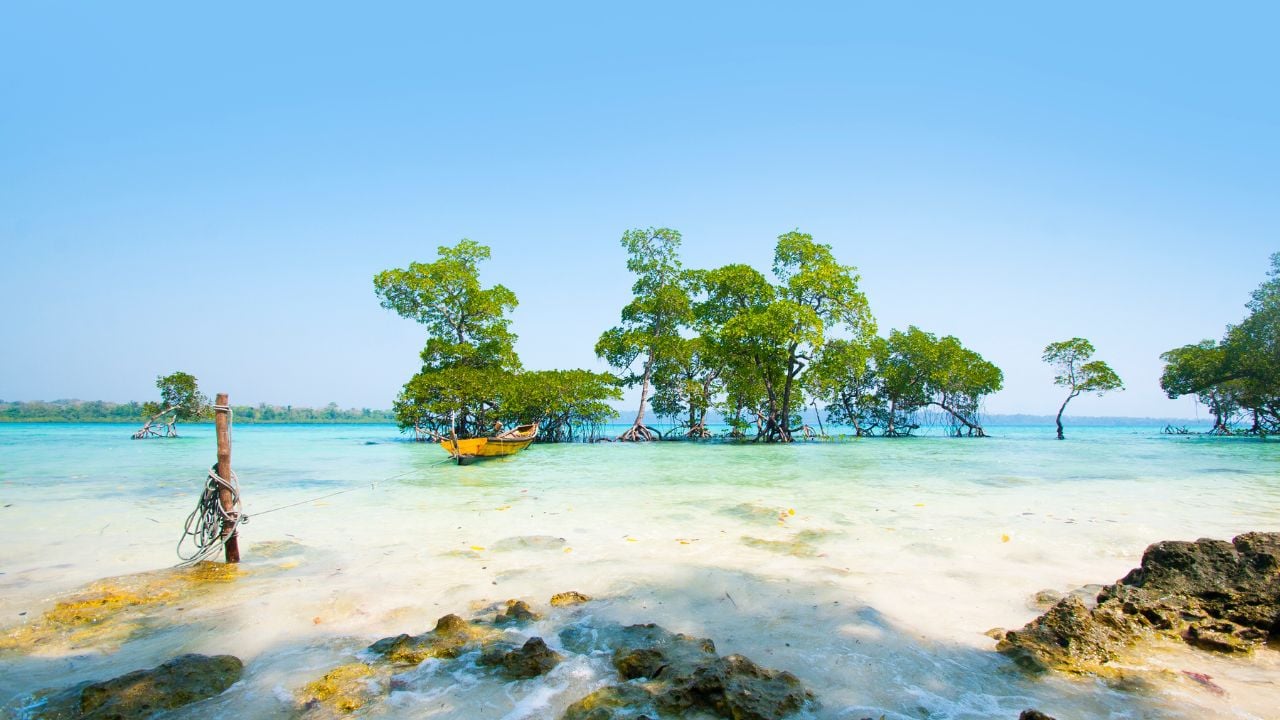
Havelock Island in the Andaman archipelago has beaches as pristine as any resort island in the Maldives, with the added mystique of being remote and lightly developed. Radhanagar Beach, repeatedly rated among the world’s best, offers unbelievably fine sand, gentle waves, and a lush jungle backdrop that heightens the sense of hidden paradise. It’s quieter and more natural than many Maldivian beaches, which tend to feel curated and resort-controlled.
Havelock’s underwater world is equally captivating. The reefs are richly diverse, hosting everything from bright reef fish to manta rays and sea turtles. Dive sites like Elephant Beach and Inglis Island offer visibility that frequently rivals the Maldives, but with far fewer divers competing for space. This makes underwater exploration feel more personal, almost like discovering a secret the world hasn’t caught onto yet.
Yet the island’s charm lies in its slow pace. Electricity, internet, and infrastructure exist but still feel secondary to nature. You can bike through palm-lined roads, enjoy seafood freshly caught hours earlier, and watch sunsets that paint the sky in surreal shades. Havelock is a Maldivian-level paradise wrapped in wilderness rather than luxury.
Derawan Islands — Indonesia
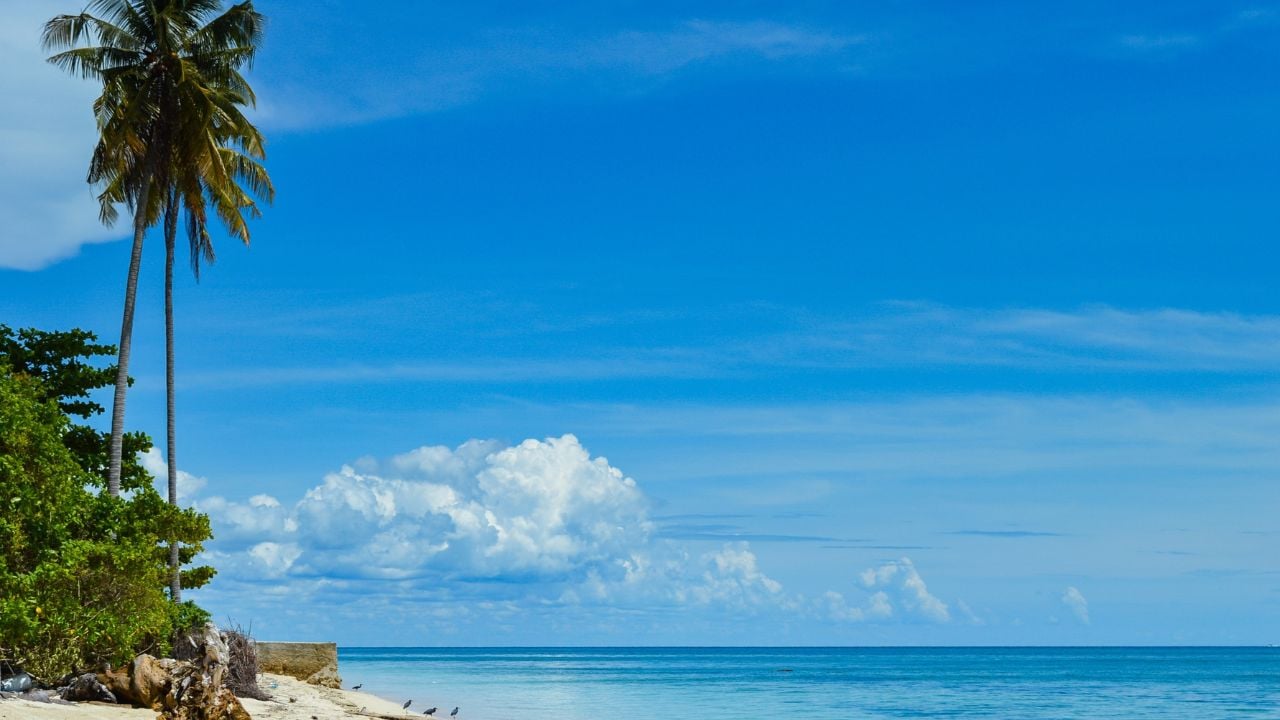
The Derawan Islands remain one of Southeast Asia’s best-kept secrets, offering crystal-clear turquoise waters that easily rival the Maldives’ iconic lagoons. Sangalaki, Kakaban, and Maratua each have their own personality, from stingless jellyfish lakes to secluded beaches lined with soft sand. Unlike the Maldives’ resort-dominated landscape, Derawan feels raw, authentic, and deeply connected to local island life.
Marine biodiversity here is astonishing. Travelers can swim with manta rays, spot whale sharks, and snorkel coral gardens that stretch endlessly beneath the surface. Kakaban’s saltwater lake, filled with harmless golden jellyfish, is one of the most unique natural attractions in the region, something the Maldives simply can’t offer. Every island feels like a separate adventure, yet all share that irresistible Maldivian clarity.
Despite their beauty, the Derawan Islands remain budget-friendly and under-touristed. Guesthouses and eco-lodges replace five-star overwater villas, but the experience feels richer in culture and character. Visitors interact with local communities, savor traditional Indonesian dishes, and explore shorelines untouched by crowds. It’s a paradise that feels both pristine and genuine.
Mantanani Islands — Malaysia
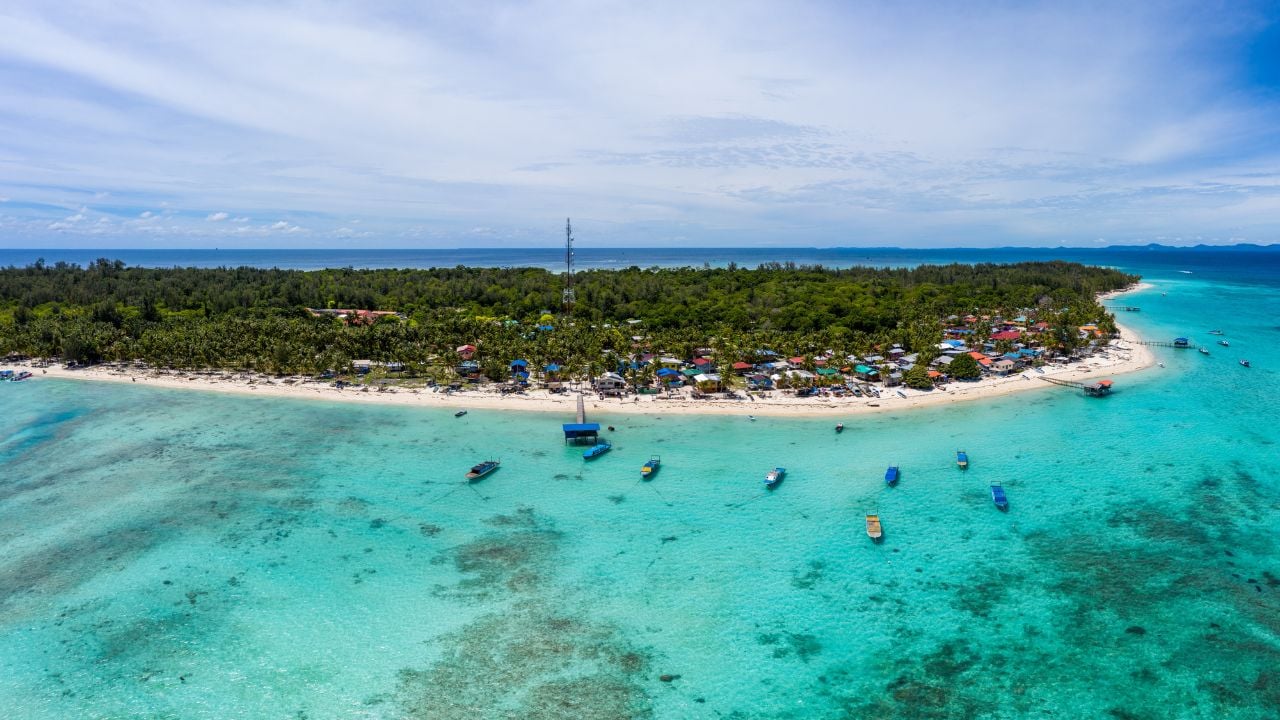
The Mantanani Islands boast water so blue it seems digitally enhanced. Located off the coast of Borneo, these islands offer powdery beaches and vibrant underwater life that provide the same postcard-perfect appeal as the Maldives, but in a completely different cultural and ecological environment. The islands remain relatively quiet, with just a few boutique stays and a strong emphasis on eco-friendly tourism.
Snorkeling and diving here are extraordinary thanks to excellent coral visibility and thriving marine species. Dugongs, rare sea mammals, are sometimes spotted in the waters, adding a magical, once-in-a-lifetime element to trips. The reefs teem with colorful fish, and even shallow snorkeling spots feel like entering a natural aquarium. For many travelers, the underwater world surpasses Maldivian expectations because it’s less commercial and more organically wild.
Life on the islands moves slowly and peacefully. Nights bring star-filled skies free of light pollution, while days revolve around kayaking, beach walks, and seafood meals freshly prepared by locals. The Mantanani experience blends natural beauty with cultural immersion, something the Maldives’ resort islands rarely provide.
Phu Quoc — Vietnam

Phu Quoc delivers a tropical escape complete with palm-fringed coastlines, silky sand, and water clarity on par with Maldivian beaches. Long Beach and Sao Beach are especially stunning, offering vast expanses where visitors can spread out and enjoy the sun without resort-style restrictions. The island’s growing popularity hasn’t diminished its natural charm, it still feels open, bright, and refreshingly spacious.
Beneath the surface, Phu Quoc surprises many travelers with its coral reefs and marine life. An Thoi Archipelago, just south of the main island, features some of Vietnam’s clearest water, making it ideal for snorkeling and diving. Colorful corals and vibrant fish provide a Maldivian-like experience that remains affordable and accessible. Boat tours are inexpensive, and private charters cost a fraction of what similar experiences would in the Maldives.
What sets Phu Quoc apart is the cultural layer that wraps around the beaches. Night markets buzz with local seafood, pepper farms welcome visitors, and fishing villages offer a glimpse into traditional Vietnamese island life. You get the beauty of the Maldives with the flavor, energy, and authenticity of Vietnam, a combination few destinations can match.
Siargao — Philippines

Siargao is best known as a surf destination, but its beaches are every bit as breathtaking as its waves. The coastline wraps around lush palm forests, with water so clear you can see your shadow on the seabed. Even beachfront stretches near popular surf spots retain a soft, idyllic charm that rivals Maldivian shorelines. Off the coast, you’ll find tiny islands with blindingly white sandbars floating in electric-blue water.
The offshore islands, Guyam, Daku, and Naked Island, are the real gems. Their bright white sand and shallow turquoise lagoons look straight out of a Maldives photo shoot, but the atmosphere is far more laid-back. Visitors hop between islands on wooden outrigger boats, creating a connection to local life that feels far more immersive than resort-to-resort transfers in the Maldives. The simplicity and natural vibrance make each island feel personal and untamed.
Siargao’s culture is another highlight. Yoga shalas, surf cafés, coconut farms, and fishing villages blend together to create a community-driven island vibe that’s hard to find anywhere else. There’s a rawness to Siargao, a sense of freedom and creativity, that elevates the beach experience beyond just beauty. It’s paradise with personality.
Redang Island — Malaysia
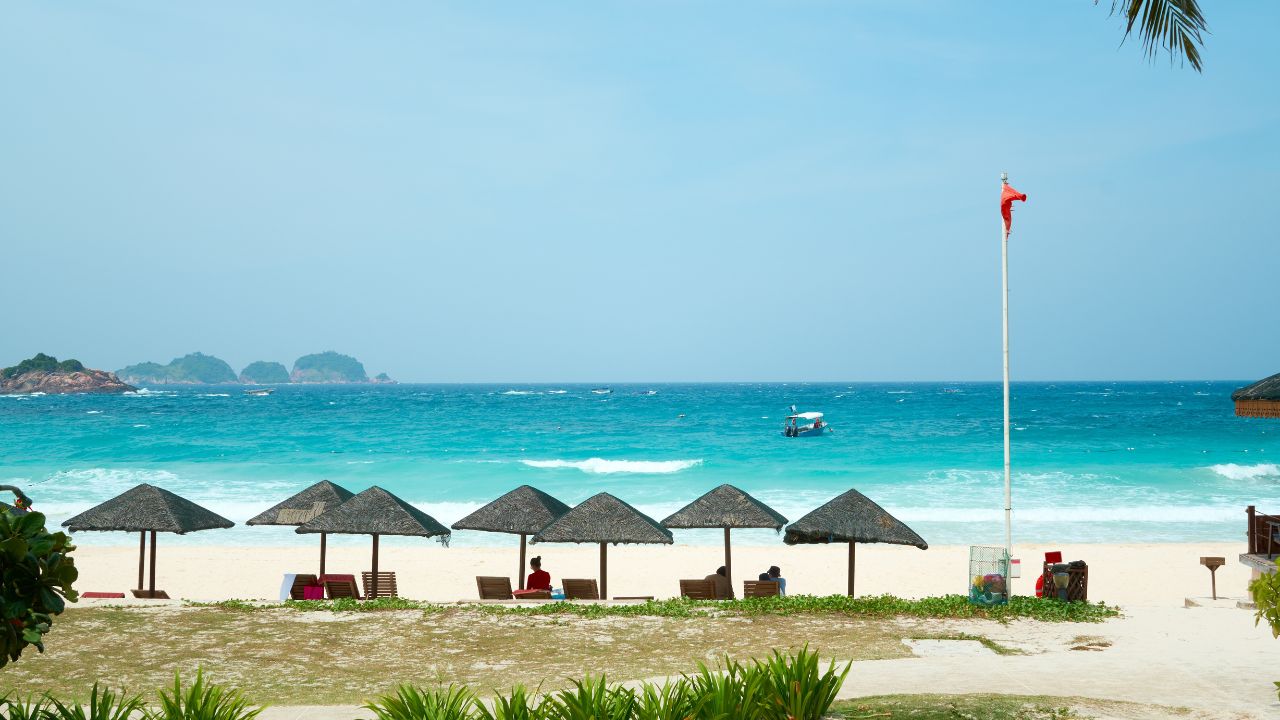
Redang Island is one of Malaysia’s clearest, brightest, and most beautifully preserved beach destinations. The sand here is remarkably white, and the water has that signature Maldivian glow, shifting between bright turquoise and deep crystalline blue. Long stretches of beach remain peaceful even in peak season, offering the pristine visuals travelers crave without the luxury-only restrictions of many Maldivian islands.
Underwater, Redang is home to some of the healthiest reefs in the region. Marine parks protect the rich biodiversity, ensuring colorful coral gardens flourish just meters offshore. Snorkeling here is effortless, you simply wade in, dip your mask, and the underwater world opens instantly. For travelers used to the Maldives’ resort-guided excursions, the ease and affordability of Redang feels refreshing.
Redang also manages to balance nature with comfort. Resorts blend into the coastline rather than dominate it, and evenings bring quiet walks, gentle music, and simple beachside dining. It’s a destination where families, couples, and solo travelers can all find space and beauty, without the exclusivity barrier.
Nusa Penida — Indonesia

Nusa Penida’s landscapes are dramatic, wild, and unforgettable. While the Maldives is known for soft, flat islands, Penida stuns with towering cliffs, hidden coves, and aquamarine coves framed by rugged rock formations. Kelingking Beach, with its famous T-rex-shaped cliffside, is one of the most iconic views in Southeast Asia, and its colors and clarity easily rival Maldivian shores.
Snorkeling around Nusa Penida is world-class, particularly at spots like Crystal Bay and Manta Point. Visitors can swim with manta rays in open waters, an experience far more raw and exciting than most controlled Maldivian snorkeling excursions. Despite growing popularity, the island maintains a sense of adventure thanks to its challenging roads and remote corners.
The beauty isn’t only visual, it’s emotional. Sunsets paint the sea gold, small temples overlook the cliffs, and the island’s traditional Balinese culture adds a soulful layer to the experience. Penida gives you Maldives-level beauty with Bali’s spiritual heartbeat.
Ngapali Beach — Myanmar
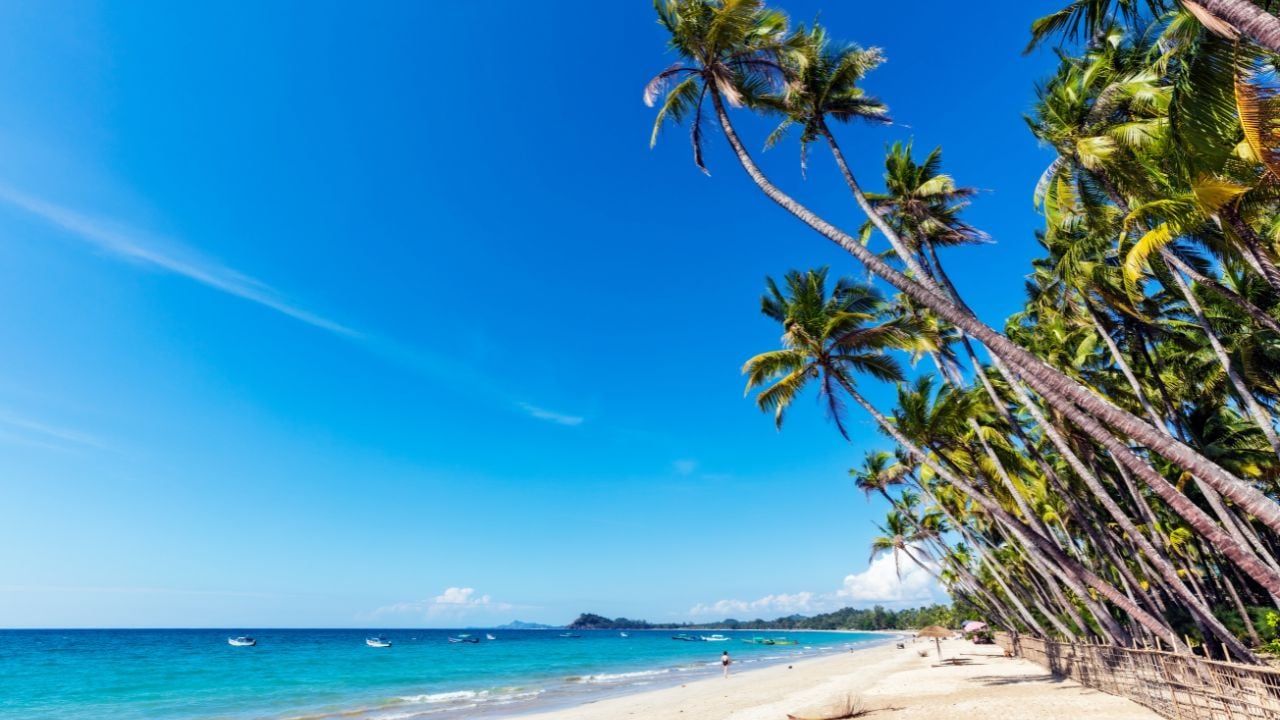
Ngapali Beach is one of Asia’s most underrated coastal gems. Its long, sweeping shoreline is lined with palm trees, quiet fishing boats, and sand so pale it shimmers under the sun. The water remains exceptionally clear year-round, rivaling Maldivian lagoons in both color and calmness. Yet unlike the Maldives, Ngapali feels lived-in and local, with a gentle authenticity that’s rare among high-end island destinations.
Marine life thrives in the pristine bay, and snorkeling conditions are excellent, especially near Pearl Island and other offshore islets. Because tourism remains modest, reefs have avoided overcrowding and environmental stress, leaving them vibrant and healthy. Visitors can explore underwater worlds without heavy fees or resort restrictions, making it a more organic and spontaneous experience than in many Maldivian resorts.
What truly makes Ngapali special is the peaceful atmosphere. There are no parties, no big developments, and no overwhelming crowds. Travelers can bike to villages, watch fishermen mend their nets, and enjoy sunset meals along the shore. It’s calm, serene, and breathtaking, a restorative alternative to the Maldives’ polished luxury.
Koh Rong Samloem — Cambodia

Koh Rong Samloem is a serene paradise that feels worlds away from modern life. Its beaches glow with bright white sand and pale turquoise water that rivals the Maldives’ most iconic atolls. Saracen Bay, the island’s signature stretch, is long, wide, and beautifully quiet, perfect for travelers who want Maldivian visuals without the storm of development that has hit many tropical islands.
The island’s reefs remain surprisingly healthy, especially around the southern and western coasts. Snorkeling here is gentle and rewarding, with colorful coral gardens sitting comfortably close to shore. At night, bioluminescent plankton sometimes light up the waves, creating natural “glow shows” far more accessible than the Maldives’ rare luminous beaches. It’s beauty layered with natural magic.
Koh Rong Samloem has no cars, minimal infrastructure, and a peaceful energy that encourages slow, mindful travel. Visitors stay in eco-huts, hammocks swing between trees, and days revolve around swimming, kayaking, and lounging in warm shallows. It’s a simpler, softer version of tropical luxury, one that gives you Maldives-worthy beauty wrapped in tranquility.