
Unless you’ve been living in Mars (or Jupiter), you’ve heard countless stories of pristine restorations that fetch six-figure sums at classic car auctions. You’ve also heard or probably got sick of hearing about barn finds that never see the road again.
But every so often, you come across something — a story — that perfectly captures why these vintage machines have gearheads, and even regular drivers, spellbound in the first place. This, my friend, is one of those stories.
A Bond Forged in 1971
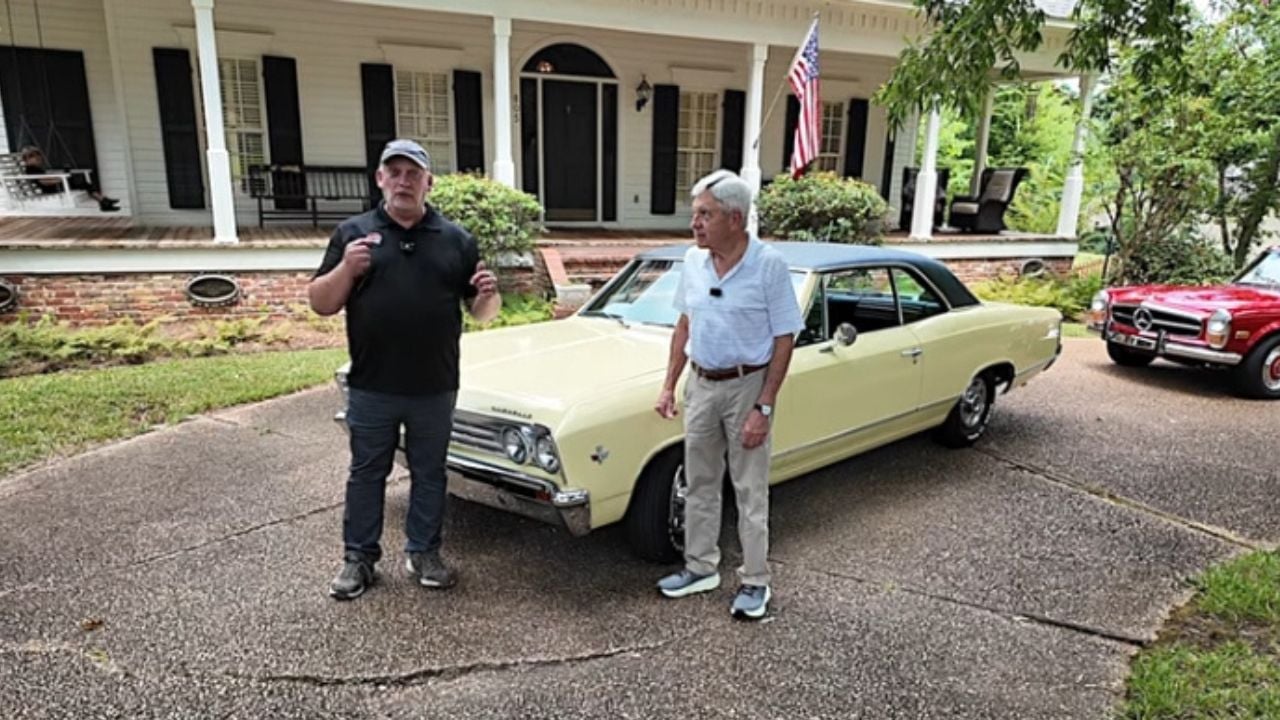
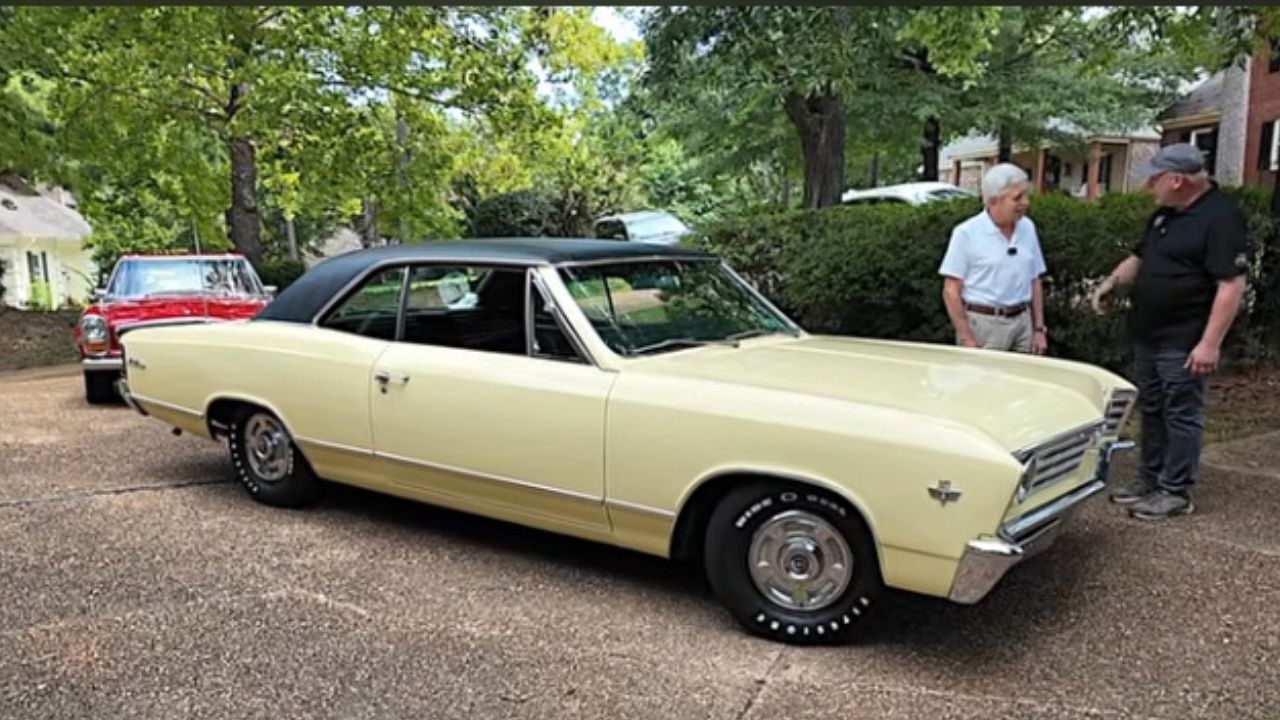
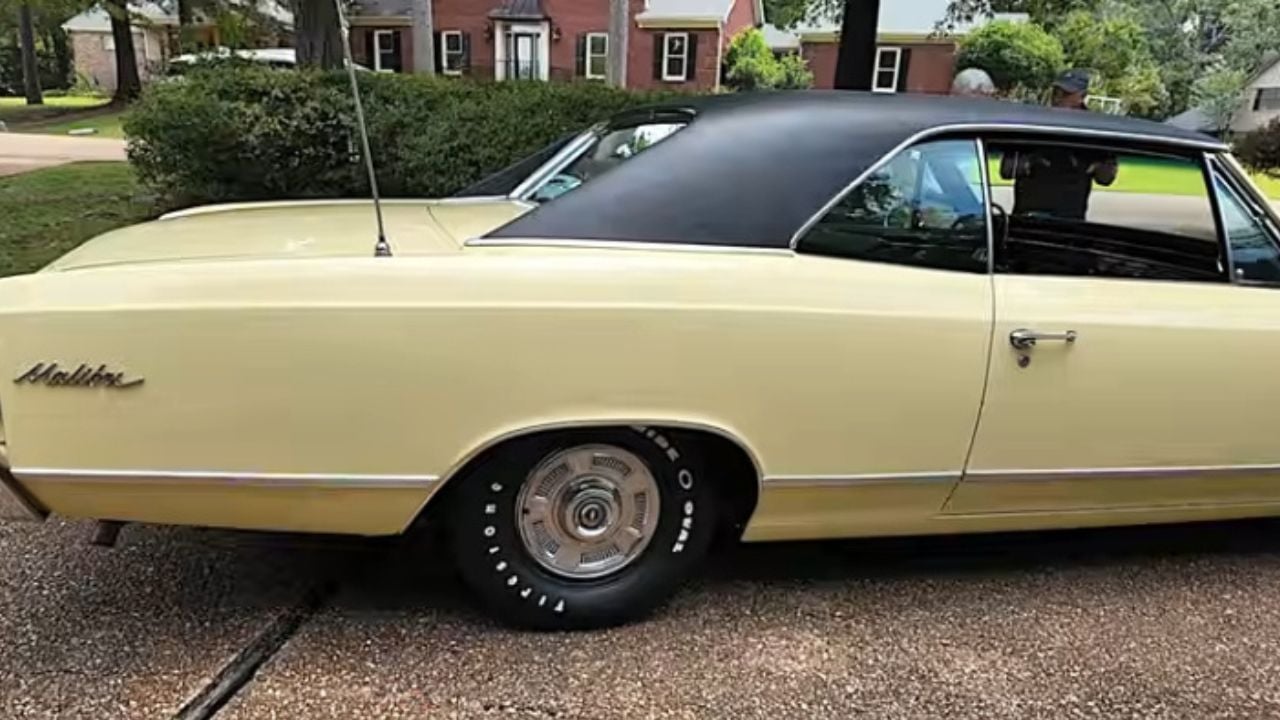
Ahem, in 1971, an 18-year-old young man named Jim did something most of his peers would never dare. Instead of splurging on a flashy new ride or leaving the world of cars to seasoned collectors, he plunked down $1,295 (around $10,300, adjusted for inflation today) for a 1967 Chevrolet Chevelle Malibu Sport Coupe.
Back then it was already a four-year-old car, but Chevy’s midsizers had built reputation for durability and style. That decision would turn into a lifelong bond with a machine that is now nearly six decades old.
The 1967 Malibu Jim bought wasn’t the top-end performance SS model with a big-block, but it was far from ordinary. It came fitted from the factory with a 327 cubic-inch V8 paired to a two-speed Powerglide automatic transmission.

That meant it offered enough muscle for spirited cruising without demanding the kind of upkeep a pure racer would require.
The Chevy was the best-selling member of the Chevelle family and embodied what many call the golden age of American automotive engineering.
The Roadside Repair That Defined a Lifelong Bond
No classic car story is without its challenges, and by the mid-1970s, Jim began to experience one of the most common ailments of old carbureted V8s.
On a mid-trip stretch of road, the Malibu started running rich and sputtering. For most drivers today, the instinct is to pull over, call a tow truck or reach for Google to search for the nearest shop. Jim did something completely different.
He pulled over and rolled up his sleeves.
Out on that roadside, with no garage or fancy tools, Jim removed the carburetor from the engine himself, took it apart, serviced it on the spot and reinstalled it. Once he had finished tightening the last bolt he climbed back into the driver’s seat and drove off like nothing had happened.
That moment of hands-on problem-solving has stayed with him ever since and, for many enthusiasts, encapsulates the spirit of owning and maintaining a classic car.
A Life on the Road

The thing is Jim didn’t just fix the carburetor and park the Malibu for company at car shows. In 1972, he transplanted the original engine in favor of a 350 cubic-inch block he salvaged from a wrecked donor car that only had around 5,000 miles on it.
Over the years, he freshened that engine with higher compression pistons, a new camshaft, updated main bearings and added a dual exhaust system. The result is a 300-horsepower small block that still revs and responds like a healthy classic should.
While many classic cars spend more time under covers than on the highway, Jim’s Malibu continued to live as it was always meant to. After a restoration in the late 1990s, it was not simply a showpiece but a driver.

Over more than two decades, he added another roughly 15,000 miles of use, a testament to the practicality of the car even after half a century. Today, its odometer sits just shy of 62,000 miles, with a very tick of that clock carrying a tale of careful stewardship and genuine enjoyment.
Why This Story?

Now, why are we telling the story, exactly? It isn’t just the mechanical history, and it isn’t the fact that the car’s body retains much of its original stainless trim. It isn’t because only one chrome piece, the rear bumper, has been replaced due to a minor accident.
It isn’t because every dent and every patina tell a story of years on the road and the decisions of a young enthusiast who believed that cars were meant to be driven and understood by their owners.
What’s really special about this Malibu is that sixty years after it first rolled off the assembly line, the 1967 Chevrolet Malibu remains on the road today.
Yes, Jim still drives it.
And yes, that lone act of roadside carburetor surgery stands as a defining moment in a life spent with a car that never forgot its roots or the hands that kept it alive.