
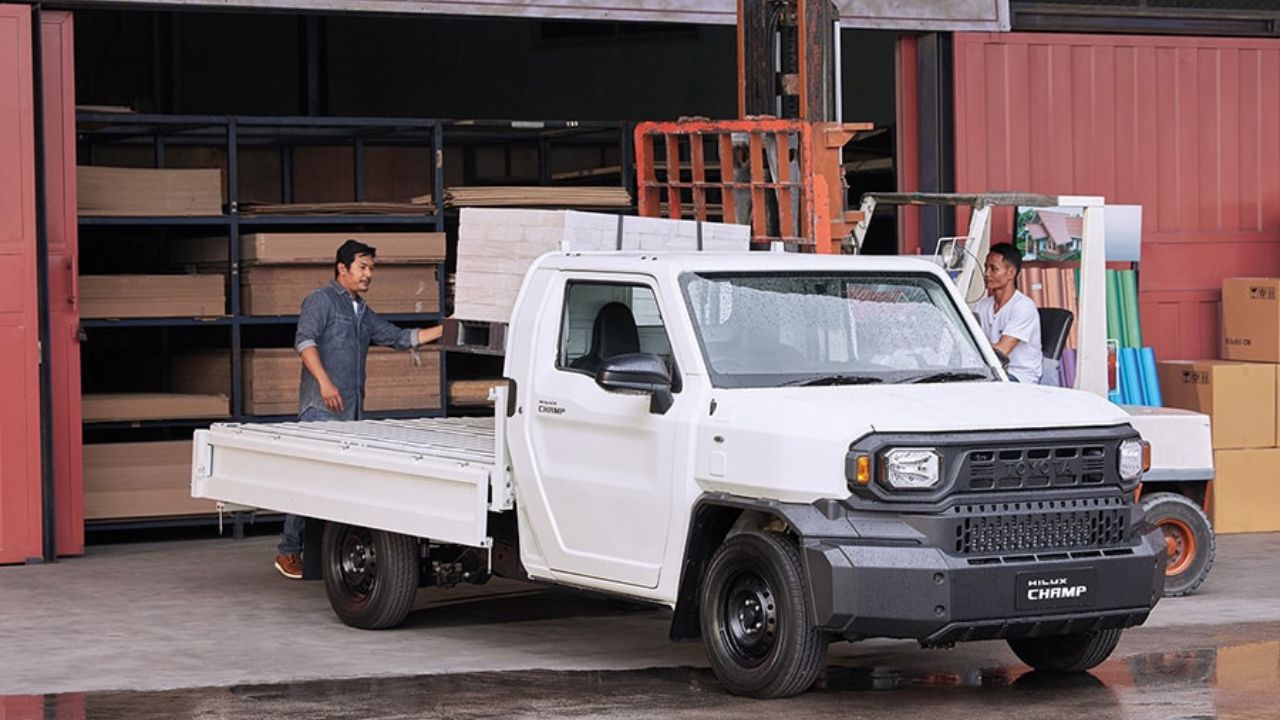
Toyota revealed a strangely barren little truck in 2023 that resembled a stripped-down farm tool more than a modern pickup. At first, many dismissed it. Then they heard the target starting price: around $10,000 — at least according to early reports about the IMV 0 concept.
The Toyota IMV 0, now sold in Thailand as the Hilux Champ, has fueled American daydreams about a bare-bones work truck at a fraction of today’s prices. But reality quickly sets in: even before the long-standing 25% “chicken tax” on imported pickups and the newer tariffs on foreign-built vehicles, the Hilux Champ would face steep U.S. hurdles.
Let’s take a closer look at whether a $10,000 truck is even feasible in America and what would need to change to make it happen.
Viral Fake News on X
An X post went viral, receiving over 4.4 million views, 3,800 retweets, and more than 64,000 likes, despite having an entirely fabricated headline. The fake article read: “Trump plans to exempt $10,000 Toyota truck from all tariffs and taxes.” This was followed by a false quote from President Donald Trump: “Young Americans need a truck!”
This is a headline America deserves pic.twitter.com/YeHUZySrWc
— Darth Powell (@VladTheInflator) April 13, 2025
But not just any truck — they apparently need the IMV 0 (now known as the Hilux Champ). While the screenshotted article was fake news, is the desire for the IMV 0 real?
What Is the Toyota IMV 0 Hilux Champ?

The IMV 0 was developed in Thailand, where pickup trucks account for a significant share of the automotive market. According to Road & Track, 145,435 Hiluxes were sold in Thailand in 2022. The IMV 0 is unlike any truck Thailand, or anywhere else, for that matter, has ever seen.
The Toyota IMV 0, short for Innovative International Multi-purpose Vehicle, was first revealed at Toyota Motor Thailand’s 60th-anniversary event in 2022 and later showcased at the Japan Mobility Show in 2023, a blend of innovation and skimpiness.
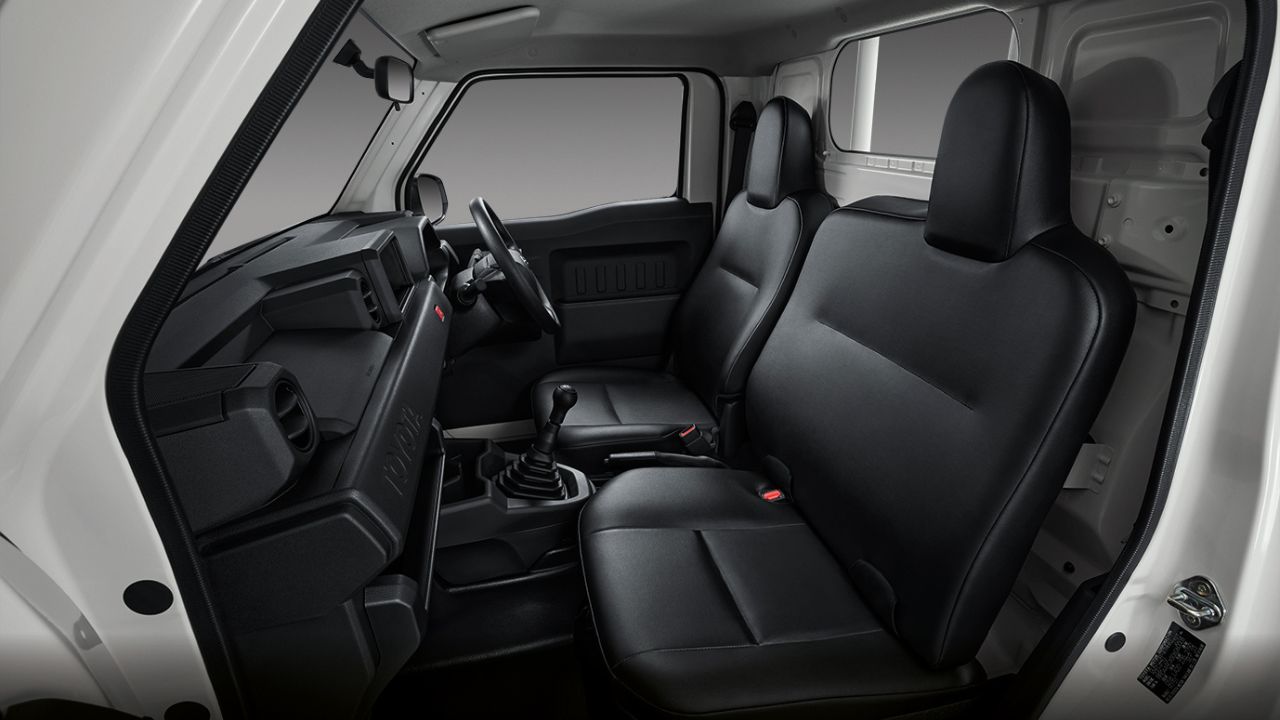
There was no radio, screens, or cabin luxuries. Door locks? No. However, there were modular units that could transform the back of the pickup into a coffee shop, a camping-ready RV, or a DJ booth. Toyota has talked about a target starting price of around $10,000 for the IMV 0, helped by its ultra-simple, modular design.
U.S. Regulatory Hurdles
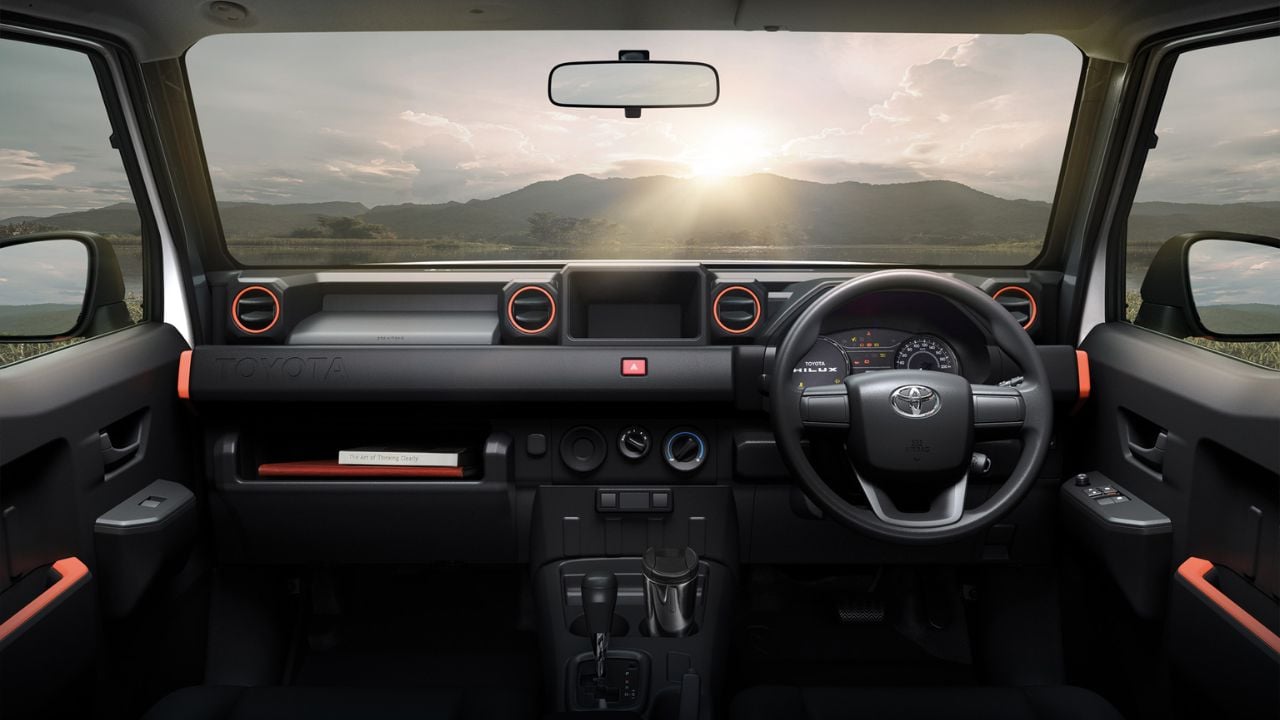
Currently, the IMV 0–based truck is on sale in markets like Thailand (as the Hilux Champ), Indonesia (as the Hilux Rangga), the Philippines (as the Tamaraw), and Peru (as the Hilux Stout), but not yet in the United States.
The biggest obstacles aren’t just tariffs — they’re federal safety and emissions rules. Under U.S. law, every new vehicle must include front airbags, anti-lock brakes with stability control, backup cameras, and, soon, automatic emergency braking. The Hilux Champ currently has only basic features like front airbags and ABS, but it lacks U.S.-required systems such as stability control, backup cameras, and AEB. It also hasn’t been crash-tested for U.S. standards.
Adding those features alone would add thousands to the cost, pushing the truck well beyond its $10K target even if Toyota made the modifications. Insurers also base premiums heavily on crash-test ratings and safety features.
A truck without modern protections would almost certainly face higher insurance costs, cutting into its appeal as a budget buy.
Market Forces Also Play a Role

It’s convenient to blame regulations alone for the lack of affordable trucks, but market forces matter just as much. Even when automakers have offered bare-bones vehicles in the U.S., consumers haven’t exactly lined up to buy them.
Take the Nissan Versa, which once held the title of “cheapest new car in America.” The base model came with hand-crank windows and minimal features, but those trims sold poorly; most buyers upgraded to better-equipped versions. The Chevrolet Spark and Mitsubishi Mirage also offered some of the lowest new-car prices in the country; yet, sales were weak, and both models are now discontinued. Even Ford’s entry-level Fiesta and Focus couldn’t sustain demand, leading Ford to exit the U.S. small-car market entirely by 2019.
None of these were trucks, so the comparison isn’t perfect. But the pattern is clear: many Americans say they want simple, stripped-down vehicles, yet in practice most buyers gravitate toward models with more comfort, features, and technology once they’re in the showroom. That’s one reason today’s roads are dominated by rolling fortresses, full-sized, feature-packed trucks and SUVs, rather than minimalist work rigs.
Why Americans Still Want It
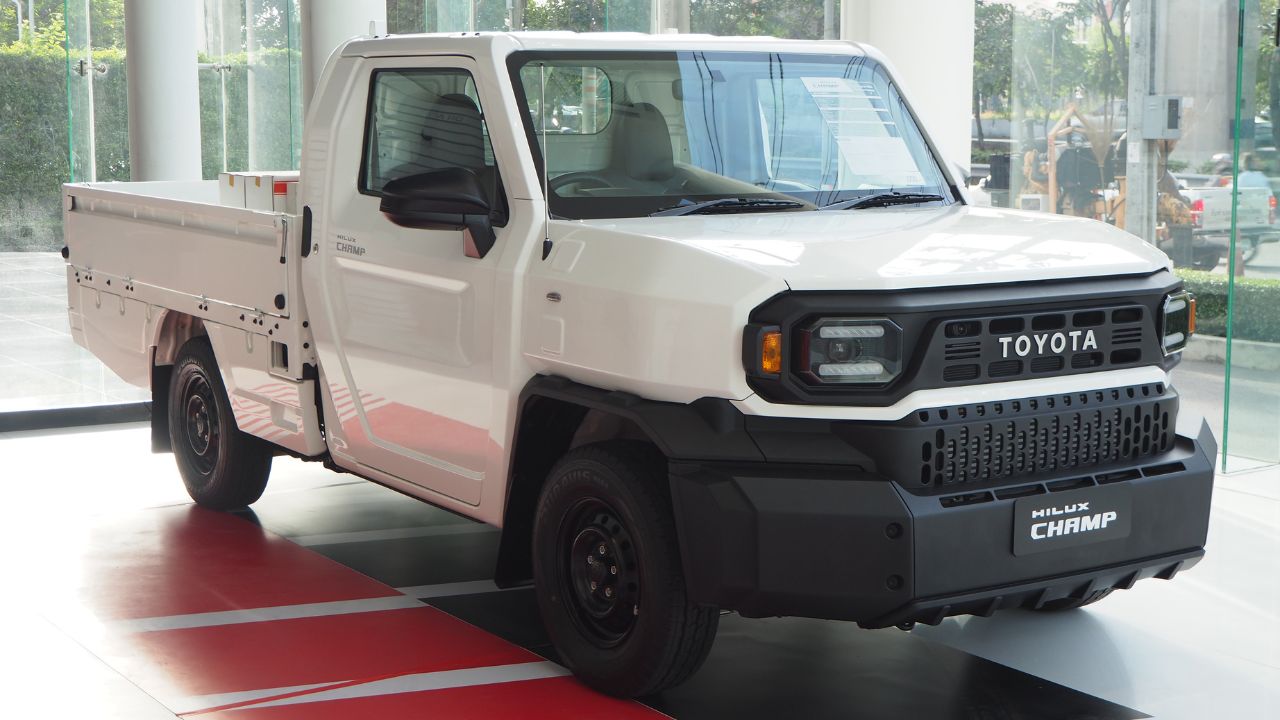
Despite the hurdles, American truck fans can’t stop talking about the IMV 0. For some, it’s nostalgia; it recalls the bare pickups of the 1970s, 1980s, and 1990s, such as the Toyota SR5, Ford Ranger, or Chevy S-10. Trucks that were cheap, small, easy to fix, and built to haul mulch, not massage your back.
Others point to today’s Ford Maverick, a runaway hit when it launched at about $20,000, before dealer markups and shortages pushed prices out of reach. “Good luck finding one at base price,” one commenter noted.
The IMV 0 feels like a throwback to a time when trucks were simple tools, not six-figure luxury status symbols.
American Enthusiasm and Debate
This hasn’t stopped some Americans from fighting for the IMV 0 to reach American soil. Said one X user: “This is really at the heart of declining American manufacturing, high prices, etc. We have ruled and regulated ourselves to death. We have allowed our prosperity to be frittered away by middlemen using government force to get their slice of pie.”
Basically, this translates to: “America, please remove your safety requirements and emissions standards so we can get the cheap truck.” Many Americans shared this sentiment, advocating for the scrapping of various regulations to facilitate more vehicle imports. However, others noted that the IMV 0 could struggle to sell in America due to its lack of airbags, LED lights, and radio capabilities.
To that, another IMV 0 supporter tweeted: “I think you might be surprised at how many Americans just want a basic, tough, reliable, and efficient little work truck. Maybe not a primary vehicle for all, but definitely a solid ancillary option. I think this and a Model 3 or Model Y long range would be a killer pair.”
Would the IMV 0 Fit in the U.S. Truck Market?
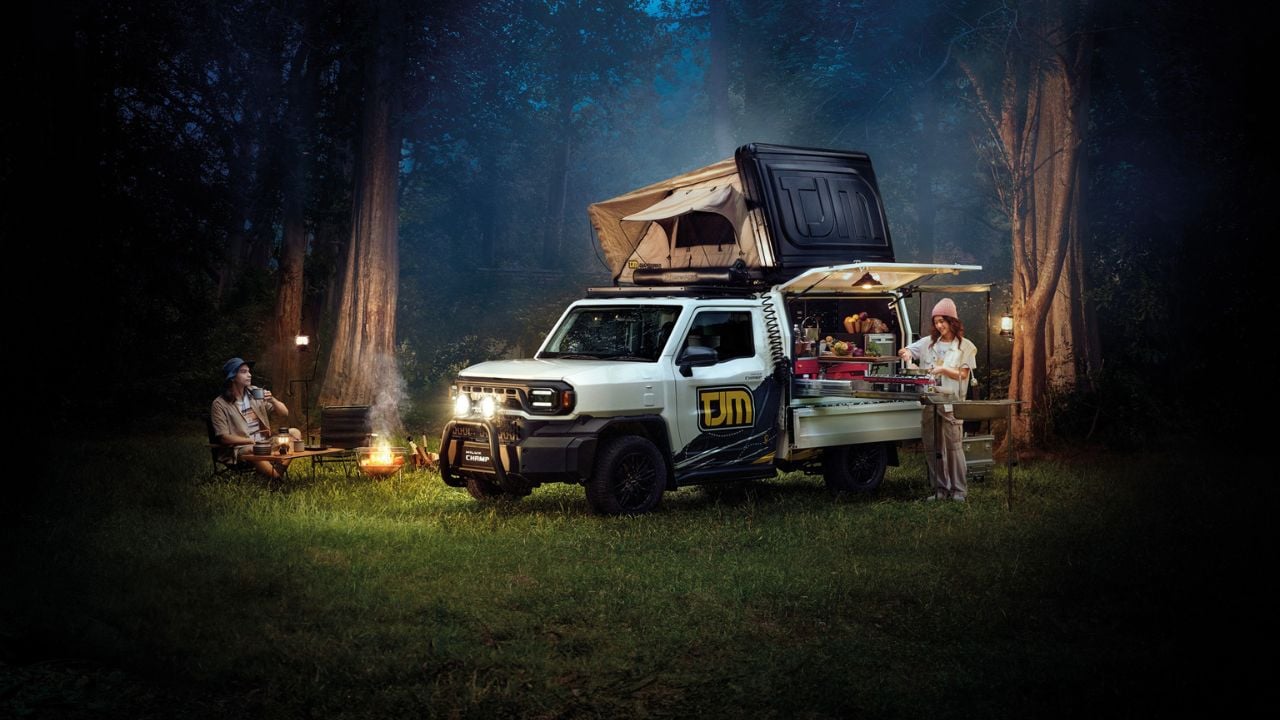
Trucks and SUVs have become the best-selling vehicles in the United States, although most on the top of the list are hefty, massive, and very capable — the Ford F-Series is currently the top seller, according to Car and Driver. Would the Hilux Champ fit into a pickup niche that isn’t being filled, or would it not fit in with the current desires of truck buyers in the US?
The Hilux Champ might never reach the U.S., but the fierce debate it sparked proves one thing: there’s still a huge appetite for a no-frills work truck in America.
Would you sacrifice today’s safety and convenience features for a truck that costs half the price of anything else on the lot? Or are America’s rules, airbags, ABS, backup cameras, and more, worth every penny? Let us know in the comments.