
Rising living costs have made financial comfort increasingly elusive in many major U.S. cities, pushing middle-income earners to reconsider where their money truly stretches the furthest. While coastal hubs and tech centers continue to command high rents and everyday expenses, many overlooked American cities quietly offer a much higher quality of life at a fraction of the cost. In these places, reasonable housing prices, lower taxes, and affordable daily expenses allow residents to save more while enjoying a fuller lifestyle. Access to culture, nature, dining, and entertainment remains strong, even without six-figure salaries. For those earning around $50,000 a year, these cities offer breathing room that feels increasingly rare.
What truly defines these cities is not just affordability, but balance, allowing residents to live comfortably without sacrificing experiences or long-term stability. Shorter commutes, accessible homeownership, and lower utility costs reduce financial stress in meaningful ways. Dining out, travel, and leisure activities remain realistic parts of everyday life rather than occasional luxuries. Community-focused neighborhoods foster connection while keeping costs manageable. These cities prove that financial well-being is often more about location than income alone.
Pittsburgh, Pennsylvania

Pittsburgh offers a rare combination of affordability, cultural depth, and economic opportunity that makes a $50,000 salary feel remarkably generous. Housing costs remain well below national averages, allowing residents to rent comfortably or even purchase homes without financial strain. The city’s strong healthcare, education, and technology sectors provide stable employment opportunities without coastal-level competition. Neighborhoods maintain distinct identities while remaining accessible through reliable public transportation. Pittsburgh demonstrates that legacy cities can reinvent themselves without pricing out residents.
Daily expenses in Pittsburgh stay manageable, from groceries to utilities and transportation. Dining options range from affordable local eateries to innovative restaurants that do not demand inflated prices. Cultural institutions such as museums, theaters, and music venues remain accessible year-round. Green spaces and riverfront trails offer free recreational outlets that enhance quality of life. Pittsburgh allows residents to enjoy both stability and enrichment on a moderate income.
Cincinnati, Ohio

Cincinnati stands out as a Midwestern city where financial comfort comes easily on a modest salary. Housing prices remain reasonable across a wide range of neighborhoods, providing options for renters and buyers alike. The city’s growing business and healthcare sectors support steady employment without excessive cost-of-living pressure. Historic architecture and revitalized districts add charm without inflated price tags. Cincinnati balances livability with economic practicality.
Everyday costs in Cincinnati stay comfortably low, allowing residents to allocate income toward savings or experiences. Dining, entertainment, and sporting events remain affordable and widely available. Public parks and riverfront developments offer free leisure opportunities throughout the year. Commute times remain short, reducing transportation expenses. Cincinnati proves that quality urban living does not require a premium salary.
Louisville, Kentucky

Louisville offers a lifestyle where $50,000 provides financial ease rather than constant compromise. Housing costs remain accessible, even near the city’s cultural and entertainment hubs. A strong healthcare and logistics sector supports stable employment opportunities. The city’s blend of historic neighborhoods and modern development adds visual appeal without inflated costs. Louisville provides comfort without excess pressure.
Daily expenses, including food and utilities, remain consistently affordable. Local dining scenes emphasize value alongside creativity. Festivals, parks, and cultural events provide entertainment without high price barriers. Short commutes reduce transportation costs and time stress. Louisville allows residents to live fully without stretching their finances.
Tulsa, Oklahoma

Tulsa consistently ranks among the most affordable cities in the country while offering unexpected cultural richness. Housing prices allow renters and homeowners to maintain financial flexibility. The city’s growing arts and tech scenes attract professionals seeking opportunity without excessive costs. Historic districts offer character without luxury pricing. Tulsa proves affordability and creativity can coexist.
Living expenses in Tulsa remain low across the board, from groceries to utilities. Dining and nightlife options provide value rather than inflated pricing. Community events and outdoor spaces offer free or low-cost entertainment. Transportation costs remain minimal due to short travel distances. Tulsa makes everyday comfort attainable.
Des Moines, Iowa
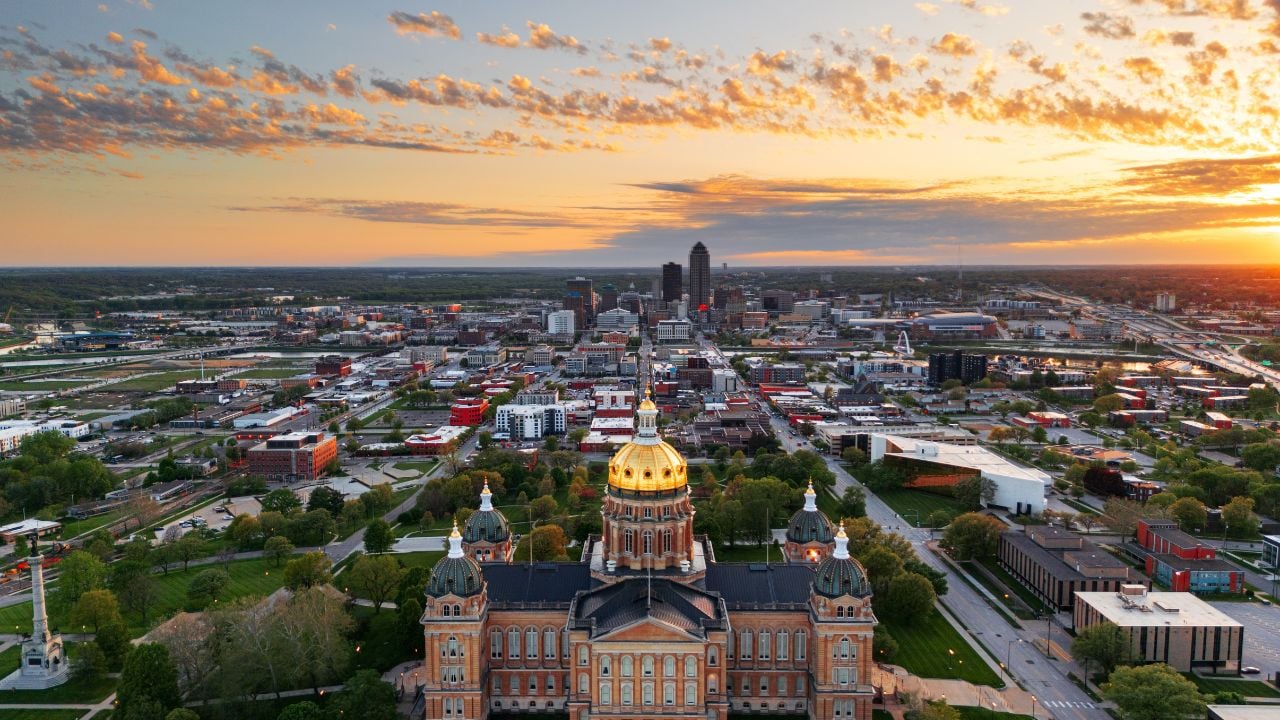
Des Moines delivers financial stability and quality of life for residents earning moderate incomes. Housing remains affordable in both urban and suburban areas. The city’s insurance, finance, and healthcare industries provide reliable employment opportunities. Clean neighborhoods and strong infrastructure enhance livability. Des Moines offers predictability without stagnation.
Daily costs remain manageable, allowing residents to save consistently. Dining and entertainment options remain accessible and varied. Public spaces and trails provide free recreational outlets. Commutes remain short and efficient. Des Moines rewards practicality with comfort.
Kansas City, Missouri

Kansas City offers an appealing balance of affordability, culture, and career opportunity. Housing prices allow residents to live comfortably near downtown or in quiet neighborhoods. The city’s growing tech and creative sectors support diverse employment. Cultural institutions rival larger cities without matching costs. Kansas City feels generous to mid-income earners.
Everyday expenses remain low, particularly for food and transportation. Dining scenes emphasize value alongside innovation. Free museums and public spaces enrich daily life. Entertainment remains affordable year-round. Kansas City stretches income naturally.
Omaha, Nebraska

Omaha offers a level of affordability and stability that allows a $50,000 salary to feel far more powerful than it would in larger metropolitan areas. Housing prices remain consistently reasonable across most neighborhoods, giving residents flexibility whether they choose to rent or pursue homeownership. The city’s strong presence in finance, insurance, and logistics provides reliable employment without the volatility seen in trend-driven markets. Infrastructure is modern and efficient, yet costs remain grounded and predictable. Omaha demonstrates how steady economic foundations translate directly into everyday financial comfort.
Daily living expenses in Omaha stay low across essentials such as groceries, utilities, and transportation, which significantly reduces financial pressure over time. Dining options offer strong value, with locally owned restaurants providing quality meals without inflated pricing. Cultural attractions, including museums and performance venues, remain affordable and accessible year-round. Commute times are short and manageable, minimizing both fuel costs and daily stress. Omaha supports a lifestyle where saving money does not require sacrificing enjoyment.
Chattanooga, Tennessee

Chattanooga stands out as a city where affordability aligns seamlessly with lifestyle appeal, making a $50,000 income stretch far beyond expectations. Housing remains accessible near downtown as well as in surrounding neighborhoods, allowing residents to live close to work and recreation. The city’s growing reputation among remote workers and tech professionals has not yet driven costs dramatically upward. Investment in infrastructure and public spaces enhances livability without raising everyday expenses. Chattanooga balances growth with restraint in a way few cities manage successfully.
Everyday costs in Chattanooga remain moderate, particularly for utilities, transportation, and food. Outdoor recreation, including trails, river access, and parks, provides year-round entertainment at little to no cost. Local dining scenes emphasize quality and value rather than exclusivity. Commutes remain short, reducing transportation expenses and time lost to traffic. Chattanooga allows residents to enjoy both financial breathing room and an active lifestyle.
Huntsville, Alabama

Huntsville offers an unusual combination of economic opportunity and low living costs that significantly amplifies a $50,000 salary. Housing prices remain affordable despite steady population growth and expanding job markets. The city’s aerospace, defense, and technology sectors provide stable, well-paying employment opportunities. Planned development ensures modern amenities without excessive price inflation. Huntsville reflects how strategic growth can benefit residents rather than displace them.
Living expenses across Huntsville remain low, including groceries, utilities, and transportation. Dining and entertainment options are priced for local residents rather than tourists. Public parks, greenways, and recreational facilities provide free leisure opportunities. Commute times are short and predictable, further reducing daily expenses. Huntsville supports financial stability alongside long-term career growth.
Grand Rapids, Michigan
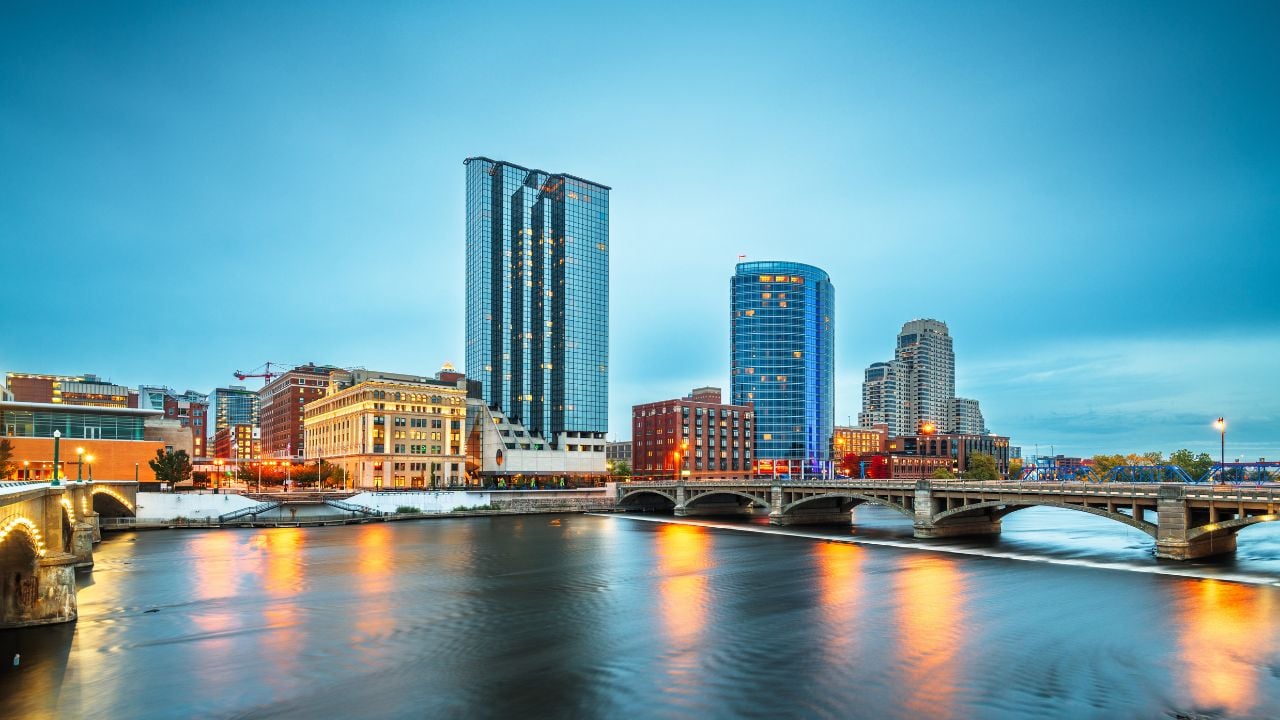
Grand Rapids delivers affordability paired with cultural depth, allowing a modest income to support a comfortable lifestyle. Housing prices remain attainable in diverse neighborhoods with strong community identity. The city’s healthcare, manufacturing, and design industries provide consistent employment. Arts, brewing, and creative sectors add vibrancy without raising costs disproportionately. Grand Rapids feels balanced rather than overstretched.
Daily expenses remain controlled across food, transportation, and utilities. Dining scenes offer creativity without excessive pricing. Public parks and nearby natural areas provide low-cost recreation. Commutes remain reasonable in both time and expense. Grand Rapids rewards financial moderation with quality living.
Fayetteville, Arkansas
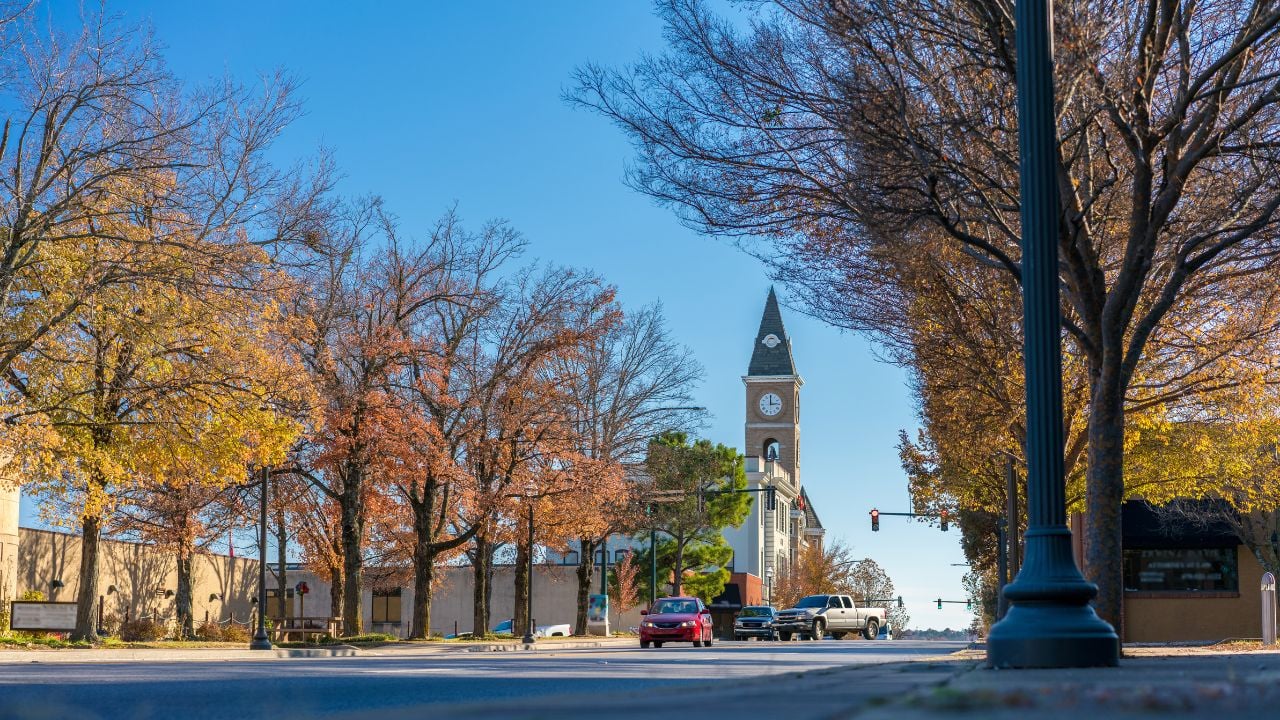
Fayetteville offers exceptional value for residents earning middle incomes, supported by low housing costs and steady economic activity. The city benefits from a strong university presence and nearby corporate employers. Neighborhoods remain affordable while maintaining high livability standards. Access to nature enhances daily quality of life without additional cost. Fayetteville provides comfort without financial strain.
Living expenses remain consistently low across essential categories. Dining options emphasize value and local ownership. Outdoor recreation is widely accessible and free. Commutes remain short and manageable. Fayetteville allows residents to prioritize savings while enjoying daily life.
El Paso, Texas
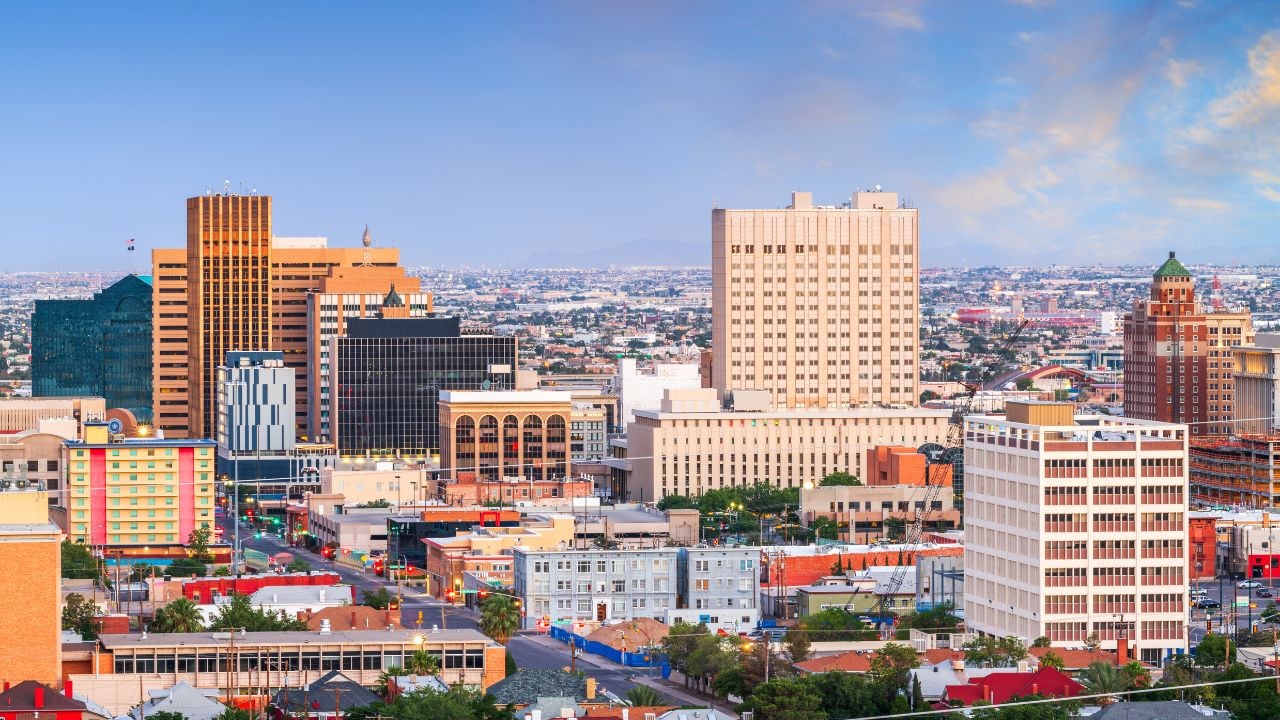
El Paso consistently ranks among the most affordable cities in the United States, making a $50,000 salary feel unusually substantial. Housing costs remain significantly below national averages across nearly all neighborhoods. The city’s cross-border economy supports stable employment in logistics, healthcare, and government sectors. Cultural richness enhances daily life without increasing expenses. El Paso offers affordability without isolation.
Daily costs for food, transportation, and utilities remain exceptionally low. Dining scenes emphasize authenticity and value. Public spaces and cultural events are widely accessible. Commutes remain short and inexpensive. El Paso maximizes purchasing power.
Toledo, Ohio
Toledo represents a city where the structural cost of living allows a $50,000 annual income to translate into tangible financial security rather than constant compromise. Housing prices remain markedly below national averages, not only in outlying neighborhoods but also in areas close to downtown, employment centers, and waterfront development. The local economy, supported by manufacturing, healthcare, logistics, and higher education, provides employment stability without the volatility seen in trend-driven urban markets. Infrastructure investments over the past decade have improved daily livability while keeping taxes and fees relatively restrained. Toledo illustrates how economic modesty can create long-term affordability rather than short-term appeal.
Everyday expenses in Toledo remain consistently manageable, particularly in categories such as utilities, transportation, and food, which directly influence monthly financial pressure. Locally owned restaurants and service businesses prioritize value, allowing residents to participate in city life without premium pricing. Cultural institutions, including museums, performance venues, and community events, remain financially accessible to middle-income residents. Commute times stay short due to the city’s scale, reducing both fuel costs and time-related stress. Toledo enables residents to allocate income toward savings, homeownership, or discretionary spending without sacrificing quality of life.
Springfield, Missouri

Springfield offers an economic environment where a $50,000 salary provides predictability, comfort, and long-term sustainability rather than mere survival. Housing costs remain exceptionally low across most neighborhoods, allowing residents to secure spacious living arrangements without excessive financial strain. The city’s economy is anchored by healthcare systems, educational institutions, and regional commerce, creating employment consistency without dramatic wage compression. Infrastructure is functional and efficient, supporting daily needs without introducing unnecessary cost burdens. Springfield reflects a model of livability built on restraint rather than constant expansion.
Daily living expenses in Springfield remain among the lowest in the country, particularly for groceries, utilities, and essential services. Dining options cater primarily to residents rather than tourists, keeping prices grounded and accessible. Access to parks, trails, and nearby natural areas provides recreation without added expense. Commute times are short and predictable, reducing transportation costs and mental fatigue. Springfield allows residents to live with financial calm rather than constant adjustment.
Scranton, Pennsylvania

Scranton provides a cost structure that allows middle-income earners to experience financial stability that has become increasingly rare in larger Northeastern cities. Housing prices remain attainable for both renters and prospective homeowners, even in established neighborhoods close to employment and services. The local economy is supported by healthcare, education, and government sectors that offer dependable employment without excessive competition. The city’s size naturally limits cost escalation, preventing the rapid inflation seen in nearby metropolitan areas. Scranton demonstrates how regional cities can preserve affordability over time.
Everyday expenses in Scranton remain predictable and moderate, particularly in categories such as transportation, utilities, and food. Local dining establishments emphasize value and consistency rather than trend-driven pricing. Cultural activities, historic attractions, and community events remain accessible without requiring significant discretionary spending. Short commute distances reduce ongoing transportation costs while improving work-life balance. Scranton allows a $50,000 income to function as a foundation for stability rather than a constraint.